About Govatsa Dwadashi
Last updated:
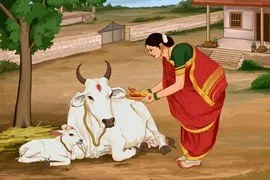
Govatsa Dwadashi is celebrated one day before Dhanteras. On Govatsa Dwadashi day cows and calves are worshipped. The wheat products are given to cows and calves after worship. People who observe Govatsa Dwadashi abstain from eating any wheat and milk products during the day. Govatsa Dwadashi is also observed as Nandini Vrat. Nandini is divine cow in Hinduism. In Maharashtra Govatsa Dwadashi is known as Vasu Baras and it is considered first day of Deepavali. In various regions of , a festival similar to Govatsa Dwadashi is celebrated as Bachha Baras. This festival is observed approximately two months before Govatsa Dwadashi. On this day, the worship of calves is considered highly significant. According to the Bhavishya Purana, Govatsa Dwadashi is a highly sacred festival celebrated on the Dwadashi Tithi of Kartika Krishna Paksha. This festival is especially dedicated to the worship of the cow and her calf. On this day, married women observe a Vrat praying for the long life, prosperity and wellbeing of their children. References to Govatsa Dwadashi are found in several Hindu scriptures.
Deities & divine forms
As described in the Vishnu Dharmottara Purana, Skanda Purana and Bhavishya Purana, the deity Vasu, the divine presiding lord of wealth, is also worshipped on this day, hence the name Vasu Baras. By worshipping the cow and her calf, women earn great merit and pray for their children's bright future. Falling one day before Dhanteras, this Vrat marks the auspicious beginning of the Diwali festivities with the worship of the sacred cow. On this day, the use of milk or milkbased products such as curd, Ghee, buttermilk and Kheer is prohibited, as the day is believed to be one of rest for the cow. The Vrat is considered especially fruitful for the health, longevity and prosperity of children. According to the Bhavishyottara Purana, the Vrat is observed on the Pradoshvyapini Tithi. If the Tithi occurs for two days, the Vrat should be performed on the first day as stated in the verse "Vatsapuja Vatashchaiva Kartavyau Prathameahani." In the evening, when the cows return from grazing, one should worship a cow and her calf of the same color with sandalwood paste and other sacred items. While offering Arghya at their feet, the following Mantra should be recited
How to celebrate Govatsa Dwadashi 2026
As per common tradition, women performing the Vrat wake up early, bathe and then worship the cow and her calf. If real cows are unavailable, images or idols of cows and calves are made or drawn and decorated. They are bathed, adorned with turmeric and vermilion and worshipped with flowers, incense, Diya and sweets. After Puja, cows and calves are offered sweet fodder like jaggery and gram. Women spend the day in fasting, devotion, and listening to sacred stories, breaking their fast only in the evening after the Puja.
Govatsa Dwadashi 2026 — FAQs
Govatsa Dwadashi for Diu, Daman and Diu, India is observed on 2026-11-05.
Govatsa Dwadashi is celebrated one day before Dhanteras. On Govatsa Dwadashi day cows and calves are worshipped. The wheat products are given to cows and calves after worship. People who observe Govatsa Dwadashi abstain from eating any wheat and milk products during the day. Govatsa Dwadashi is also observed as Nandini Vrat. Nandini is divine cow in Hinduism.