About Shravana Purnima
Last updated:
According to the Hindu lunar calendar, Shravana Purnima is the fifth Purnima in the year. It holds deep religious, spiritual, and cultural significance for Hindus. This auspicious day is marked by the convergence of several important festivals, rituals, and observances that celebrate devotion, discipline, and divine blessings.
Fasting & Purification (Upavasa):
Fasting or Upavasa on Purnima is a widely followed tradition among devout Hindus. On Shravana Purnima, many people observe a full day fast without water or eat only a single meal of fruit and milk. The purpose of fasting is spiritual purification. The fast is broken only after Chandra Darshan. At the end of the fast, Lord Vishnu or Lord Shiva is worshipped, depending on regional practices.
Scriptural References:
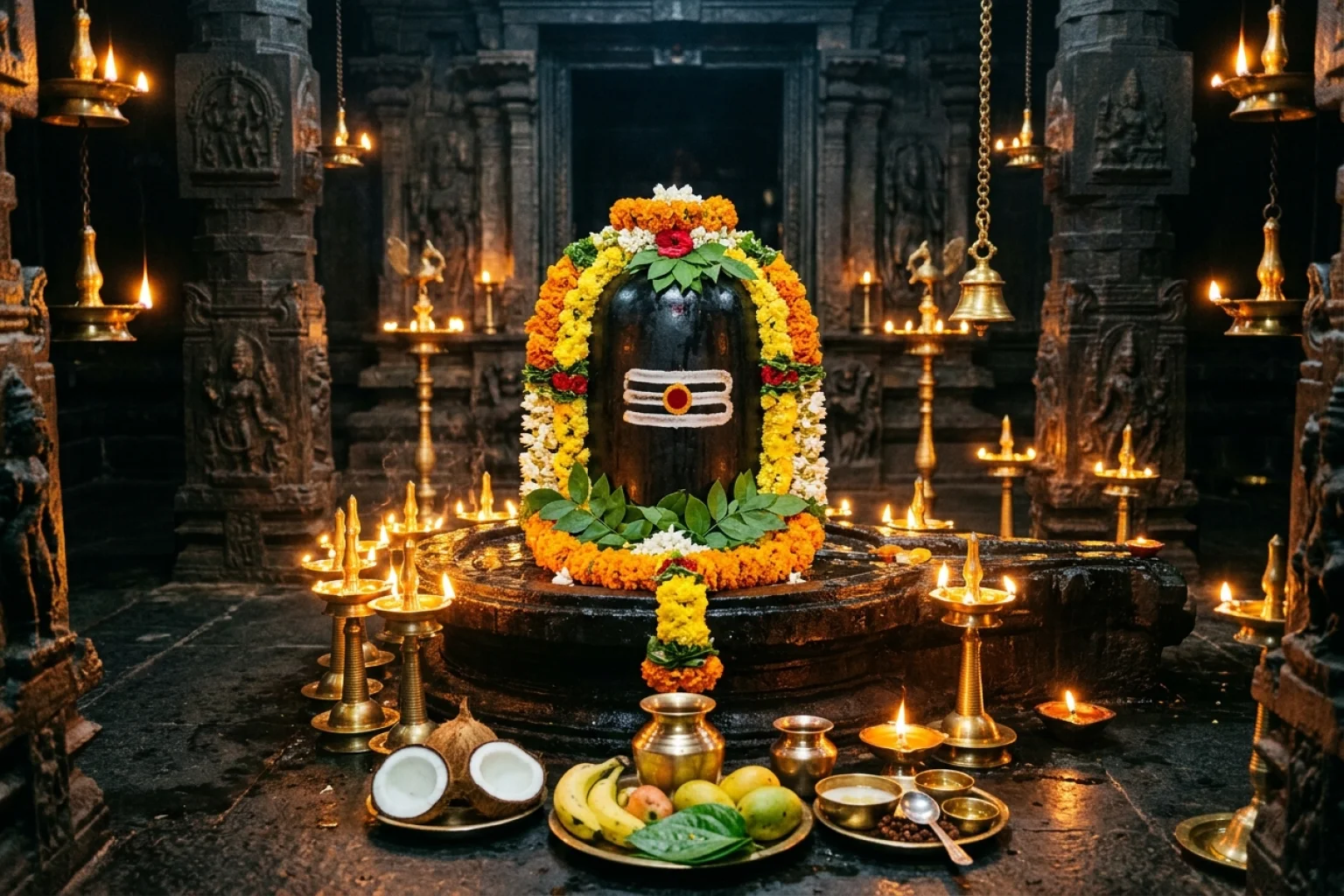
Shravana Purnima finds mention in various Puranas and Smriti texts like the Skanda Purana, Bhavishya Purana, and Garuda Purana. Shravana month itself is considered sacred in the Shiva Purana, where Lord Shiva is extensively worshipped with Bilva leaves and abhisheka. Shravana Purnima is an auspicious day filled with various rituals, festivals, and celebrations, uniting diverse customs under the shared banner of Vedic devotion.
Significance of Shravana Purnima
- Raksha Bandhan: The most popular festival on Shravana Purnima, celebrating the bond between brothers and sisters. Sisters tie a sacred Rakhi thread on their brothers' wrists, praying for their protection, while brothers vow to safeguard their sisters.
- Yajurveda Upakarma (Avani Avittam): For Brahmins, especially in South India, Shravana Purnima is the day of Yajurveda Upakarma—the sacred thread (Yajnopavita) changing ceremony. It marks a renewal of spiritual study and Vedic commitments to the Rishis.
- Hayagriva Jayanti: Marks the birth of Lord Hayagriva, the horse-headed incarnation of Vishnu and god of knowledge and wisdom. Devotees worship Hayagriva to seek academic excellence and enlightenment.
- Pitru Tarpanam & Ancestral Rites: Rituals for deceased ancestors (Narayana Bali, Shraddha, Tarpanam, Pinda Dana) are conducted to appease ancestral souls, especially in holy places like Gaya, Prayag, Rishikesh, and Rameshwaram.
- Kajari Purnima: Celebrated in regions of North and Central India by farmers and women praying for good crops using symbolic mud pots and sprouted grains.
Deities & divine forms
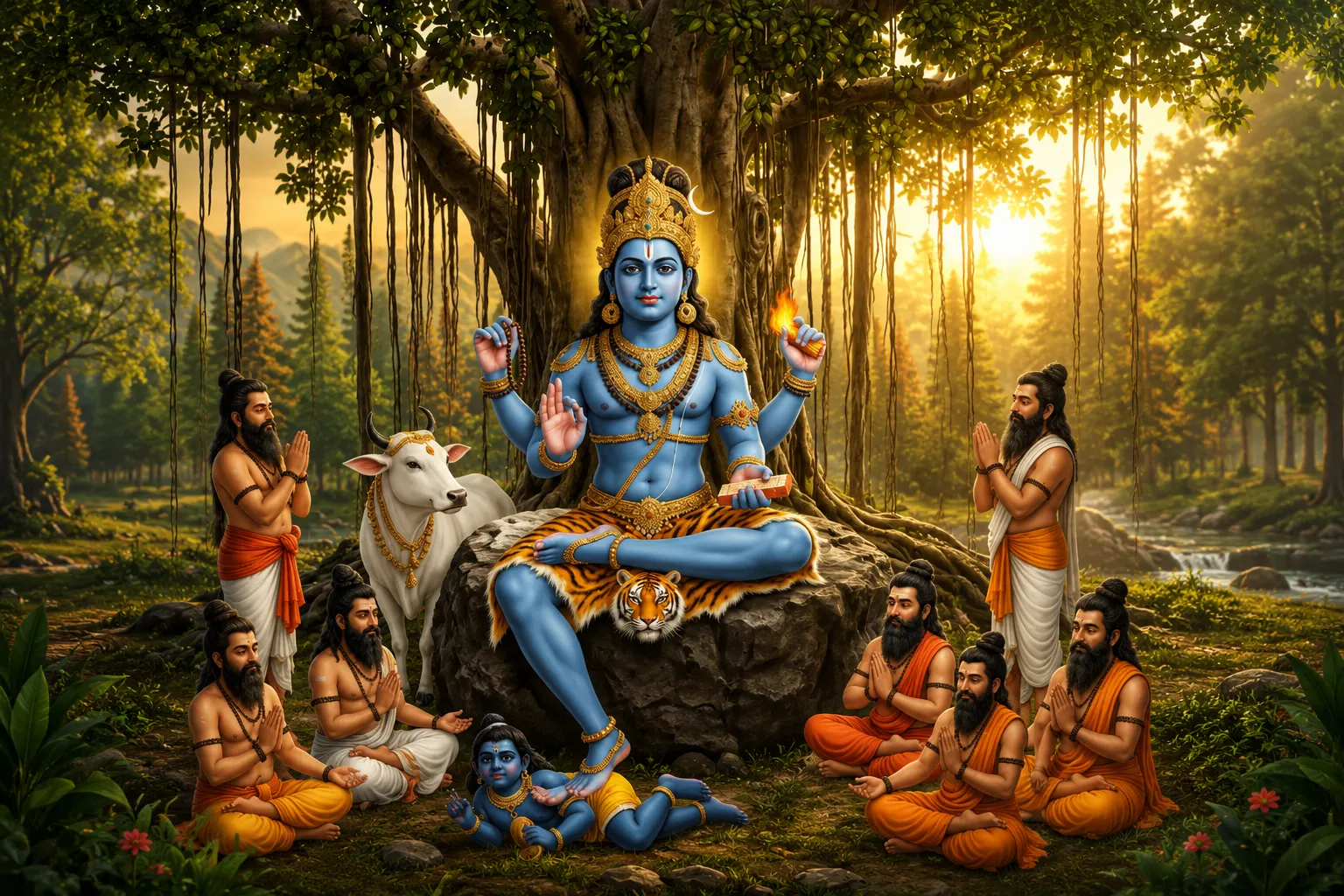
- Lord Hayagriva (Vishnu): The horse-headed avatar who restored the stolen Vedas, worshipped for wisdom, learning, and academic success.
- Lord Shiva: Worshipped extensively during Shravana month with Bilva leaves, Panchamrit, and holy water abhisheka.
- Lord Vishnu & Chandra Deva: Invoked during the evening Purnima Vrat, Chandra Arghya, and Satyanarayana Puja.
How to celebrate Shravana Purnima 2026
1. Morning Purification: Take an early morning bath in a holy river or add Gangajal to bath water. Wear clean traditional attire.
2. Upakarma (Thread Ceremony): Men perform Tarpanam to ancient Rishis and replace the old sacred thread (Yajnopavita) with a new consecrated thread.
3. Hayagriva & Vishnu Worship: Offer yellow flowers, Tulsi leaves, cardamom, and sweet chana to Lord Hayagriva, chanting the Hayagriva Stotram.
4. Raksha Bandhan Ritual: Sisters tie Rakhi on their brothers' right wrists, perform Aarti, apply Tilak, and exchange sweets.
5. Moonrise Arghya & Parana: In the evening, offer water and milk Arghya to the Full Moon, perform final Aarti, and break the fast.
Rituals & regional traditions
- Raksha Bandhan Thread Tying: Symbolic ritual of sibling love and protection.
- Avani Avittam & Yajnopavita Renewal: Sacred thread changing and Vedic study resumption.
- Pitru Tarpanam: Ancestral water libations offered at sacred rivers.
- Kajari Purnima Puja: Sprouted grain mud-pot rituals for crop abundance.
Spiritual benefits
- Bestows academic excellence, Vedic wisdom, and intellectual clarity.
- Strengthens family bonds, sibling protection, and marital harmony.
- Satisfies ancestral souls and removes karmic obstacles.
Mantras & sacred chants
- Hayagriva Dhyana Mantra:
`Jnanamandamayam Devam Nirmala Sphatikakritim, Aadharam Sarvavidyanam Hayagrivam Upasmahe॥`
- Raksha Bandhan Sacred Mantra:
`Yena Baddho Bali Raja Danavendro Mahabalah, Tena Tvam Abhibadhnami Rakshe Ma Chala Ma Chala॥`
- Yajnopavita Dharana Mantra:
`Yajnopavitam Paramam Pavitram Prajapateryatsahajam Purastat, Ayushyamagryam Pratimuncha Shubhram Yajnopavitam Balamastu Tejah॥`
Shravana Purnima 2026 — FAQs
Shravana Purnima marks the convergence of Raksha Bandhan, Avani Avittam (Yajurveda Upakarma), Hayagriva Jayanti, Kajari Purnima, and Rishi Tarpanam.
Lord Hayagriva, the horse-headed incarnation of Lord Vishnu who restored the sacred Vedas from demons Madhu and Kaitabha, was born on Shravana Purnima.
Avani Avittam (Upakarma) is a sacred ritual observed primarily by South Indian Brahmins to change the sacred thread (Yajnopavita) and renew their dedication to Vedic learning.