About Shri Vallabhacharya Jayanti
Last updated:
Shri Vallabhacharya (14791531 C.E.) was a devotional philosopher, who founded the Pushtimarg sect in . Pushtimarg is also known as Vallabha Sampradaya. Shri Vallabhacharya was an ardent devotee of Lord Krishna. He worshipped the Shrinathji form of Lord Krishna. He is also known as Mahaprabhu Vallabhacharya. He propounded the philosophy of Shuddhadvaita Vedanta, in which God alone is described as the ultimate reality and the entire creation as His divine Leela. Among the major works composed by him, Tattvarthadeep Nibandha, Subodhini, and the commentaries written on Shrimad Bhagavata are especially notable. Vallabhacharya was born in Kashi now Varanasi in 1479 A.D. He belonged to a Telugu Brahmin family. According to Purnimanta lunar calendar followed in North , he was born on Krishna Paksha Ekadashi during Vaishakha month. According to Amanta lunar calendar, he was born on Krishna Paksha Ekadashi during Chaitra month. It is just the name of the month which differs in both calendars and the birth anniversary of Shri Vallabhacharya is observed on the same day. The birth anniversary of Shri Vallabhacharya is celebrated as Shri Vallabhacharya Jayanti. Shri Vallabhacharya was born in a Telugu Brahmin family. His father's name was Shri Lakshman Bhatta and his mother's name was Devi Illamagaru Bhatta. From childhood itself, Shri Vallabhacharya Ji was extremely talented and inclined towards religious pursuits. At a very young age, he had thoroughly studied the Vedas, Upanishads, and Puranas. Later, he travelled across various parts of and propagated his philosophical teachings. In the Pushtimarg propounded by him, the grace of God is given the highest importance. According to this path, the liberation of the soul is possible only through the divine grace of God, not merely through Karma or Jnana. In this tradition, Bhakti is accepted in the form of love and complete surrender, where God is served in His Bala Swarupa, i.e., child form.
Deities & divine forms
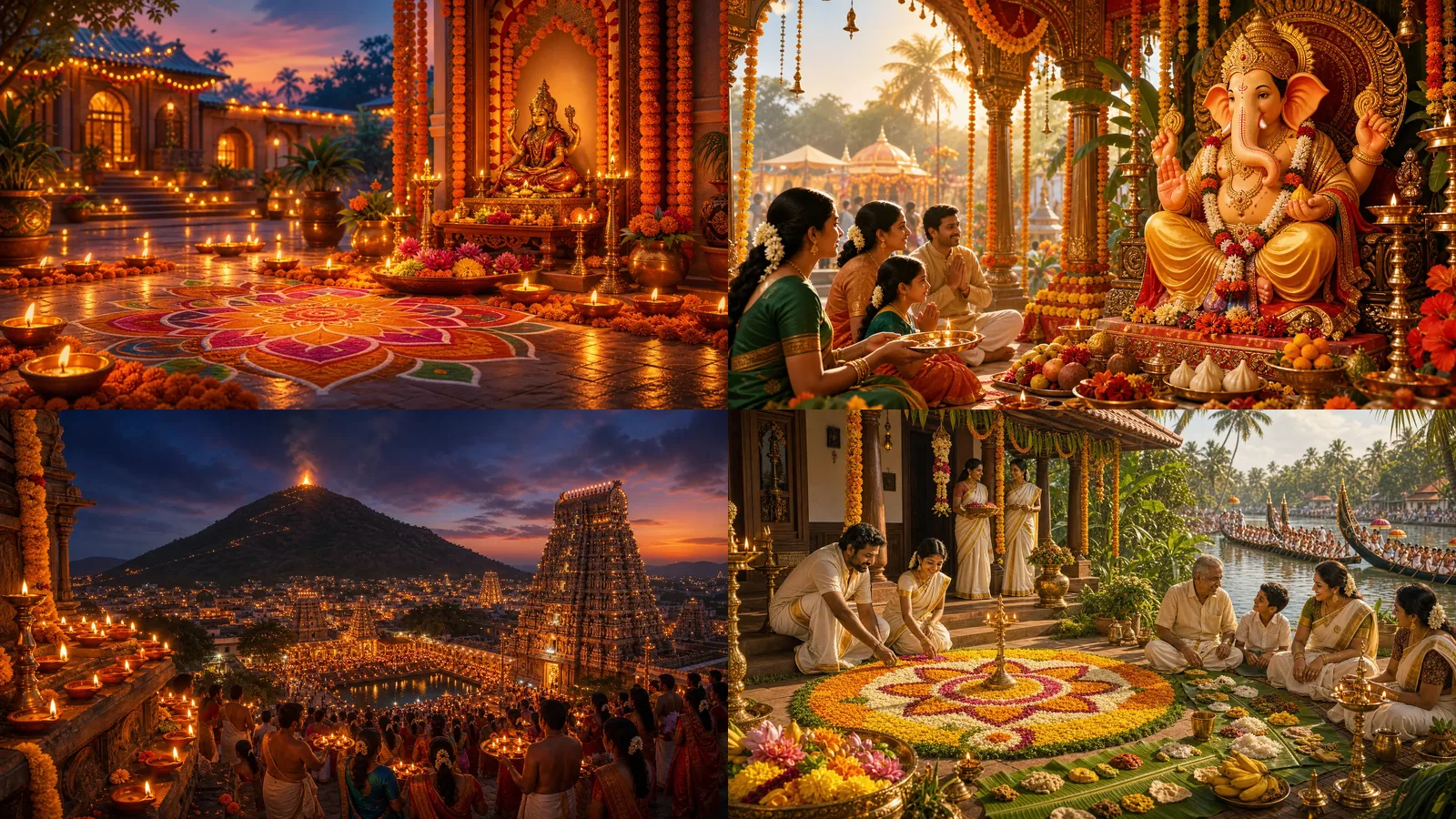
The day of his birth anniversary coincides with Varuthini Ekadashi. On this day, his followers especially perform Puja, Seva, BhajanaKirtana, and religious rituals, and remember his teachings. They visit temples for the Darshan of Shrinathji and offer Annakuta, Bhoga, and Seva according to the traditions of Pushtimarg.
How to celebrate Shri Vallabhacharya Jayanti 2026
Vallabhacharya was born in Kashi now Varanasi in 1479 A.D. He belonged to a Telugu Brahmin family. According to Purnimanta lunar calendar followed in North , he was born on Krishna Paksha Ekadashi during Vaishakha month. According to Amanta lunar calendar, he was born on Krishna Paksha Ekadashi during Chaitra month. It is just the name of the month which differs in both calendars and the birth anniversary of Shri Vallabhacharya is observed on the same day. The birth anniversary of Shri Vallabhacharya is celebrated as Shri Vallabhacharya Jayanti. Shri Vallabhacharya was born in a Telugu Brahmin family. His father's name was Shri Lakshman Bhatta and his mother's name was Devi Illamagaru Bhatta. From childhood itself, Shri Vallabhacharya Ji was extremely talented and inclined towards religious pursuits. At a very young age, he had thoroughly studied the Vedas, Upanishads, and Puranas. Later, he travelled across various parts of and propagated his philosophical teachings. In the Pushtimarg propounded by him, the grace of God is given the highest importance. According to this path, the liberation of the soul is possible only through the divine grace of God, not merely through Karma or Jnana. In this tradition, Bhakti is accepted in the form of love and complete surrender, where God is served in His Bala Swarupa, i.e., child form. The day of his birth anniversary coincides with Varuthini Ekadashi. On this day, his followers especially perform Puja, Seva, BhajanaKirtana, and religious rituals, and remember his teachings. They visit temples for the Darshan of Shrinathji and offer Annakuta, Bhoga, and Seva according to the traditions of Pushtimarg.
Shri Vallabhacharya Jayanti 2026 — FAQs
Shri Vallabhacharya Jayanti for Diu, Daman and Diu, India is observed on 2026-04-13.
Shri Vallabhacharya (14791531 C.E.) was a devotional philosopher, who founded the Pushtimarg sect in India. Pushtimarg is also known as Vallabha Sampradaya. Shri Vallabhacharya was an ardent devotee of Lord Krishna. He worshipped the Shrinathji form of Lord Krishna. He is also known as Mahaprabhu Vallabhacharya. He propounded the philosophy of Shuddhadvaita Vedanta, in which God alone is described as the ultimate reality and the entire creation as His divine Leela. Among the major works composed by him, Tattvarthadeep Nibandha, Subodhini, and the commentaries written on Shrimad Bhagavata are especially notable.