Temples in Konark, Odisha

Odisha pilgrimage guide

Temples in Konark — Famous Temples & Complete Darshan Guide

Plan a practical Konark temple trip with 2 important temples, darshan-friendly routing, local travel tips and the best season for a peaceful pilgrimage.

2 curated temples Odisha View map & route →

Last updated July 2026 · Curated by the Temples.bio editorial team

Quick answers

Which is the most famous temple in Konark?
Jagannath Temple Puri is the most prominent temple in Konark. This guide covers 2 notable temples in and around Konark with timings, distances and a darshan route.
What are the famous temples in Konark?
The most famous temples in Konark include Jagannath Temple Puri and Biraja Devi Temple Jajpur. See the table below for the primary deity, location and darshan timings of all 2 temples.
How many days do you need to visit Konark temples?
You can cover the main temples of Konark in about 1 day. Use the 1-day essential circuit for the key shrines, or the 2-day plan to include temples within 100 km.
What is the best time to visit Konark temples?
October to March is the most comfortable season for temple visits in Konark. Summer afternoons can be tiring, so plan early morning darshan and keep a lighter second half of the day. Festival days are spiritually rewarding but busier; confirm timings, parking and local transport
How do you reach Konark?
Reach Konark by the nearest major railway station or state highway links, then keep the temple circuit local for the first day. For families and senior citizens, a hired cab or auto-rickshaw is easier than changing transport repeatedly. Start with the main temple before the crowd builds, pause for l

Temples in Konark at a glance

Primary deity, location or distance, and darshan timings for the key temples — see full details with photos below.

# Temple Primary deity Location / distance Darshan timings
1 Jagannath Temple Puri Lord Jagannath (Krishna/Vishnu) 42 km from Konark 5:00 AM – 12:00 AM (midnight)
2 Biraja Devi Temple Jajpur Goddess Biraja (Parvati) 160 km from Konark 5:00 AM – 9:00 PM

Why Konark is a major temple destination

Konark is one of Odisha's useful temple bases, combining well-known shrines with smaller neighbourhood temples that locals still visit for daily worship. The guide below is arranged for real travel: start with the most important temple, then add nearby shrines in an order that keeps the route simple.

Even when a city is not marketed only as a pilgrimage destination, its temples often hold the memory of older neighbourhoods, local festivals and family vows. Devotees usually come here for blessings of Lord Jagannath and Goddess Durga, family welfare, ancestral prayers and a quieter connection with the region's sacred geography. The city also works well as a base for first-time visitors who want a balanced mix of famous temples and reachable local shrines.

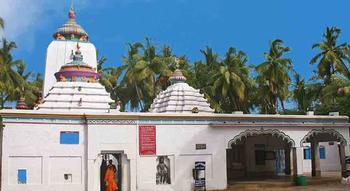
Curated pilgrimage circuit

Temples to Visit Near Konark

Ordered by pilgrimage importance and practical travel distance from Konark.

Jagannath Temple Puri — Lord Jagannath (Krishna/Vishnu) temple in Konark Same Day

Lord Jagannath (Krishna/Vishnu)

  • Puri, Odisha
  • 42.1 km from Konark
  • 5:00 AM - 12:00 AM (midnight) (Puri, Odisha. One of the 4 Char Dhams. Lord Jagannath (Krishna), Balabhadra, and Subhadra — the divine trinity. Non-Hindus strictly NOT allowed inside. 64 sevaits (servitors) families serve the deity. Famous for Rath Yatra — largest chariot festival in the world. Managed by Shree Jagannath Temple Administration (SJTA).)

Jagannath Temple Puri

Jagannath Temple, located in the coastal town of Puri in Odisha, is one of the most sacred Hindu temples and one of the four Char Dham pilgrimage sites. The temple is dedicated to Lord Jagannath, a form of Lord Vishnu/Krishna, along with his siblings Balabhadra (elder brother) and Subhadra (sister). The temple is believed to have been built in the 12th century CE by King Anantavarman Chodaganga Deva, though the site has been a place of worship since ancient times. The unique feature of this temple is that the deities are made of wood (neem) rather than stone or metal, and are ceremonially replaced every 12-19 years in the sacred Navakalevara ceremony. The wooden idols have large, round eyes and are painted in bright colors - Jagannath in black, Balabhadra in white, and Subhadra in yellow. The temple is famous for the annual Rath Yatra (Chariot Festival), where the three deities are taken out in massive wooden chariots and pulled by thousands of devotees. The temple complex covers 400,000 square feet and is surrounded by two walls. The main temple tower (Vimana) stands 214 feet tall and is topped with the Sudarshana Chakra (Nila Chakra) made of an alloy, which is visible from anywhere in Puri. The temple follows strict traditions - only Hindus are allowed entry, and the temple kitchen (Rosa Ghara) is the world's largest, preparing food for thousands daily. The Mahaprasad (food offered to Lord Jagannath) is considered especially sacred and never goes to waste or spoils.

Travel Tip: By Road: Well connected via NH-16 from Bhubaneswar (60 km) and Kolkata (500 km). By Train: Puri railway station has excellent connectivity to major cities. By Air: Bhubaneswar airport is the nearest. Best time: October to March. Visit during Rath Yatra for lifetime experience (book accommodation months in advance). Take holy dip at Puri beach before temple visit. Be prepared for crowds and long waits. Respect strict dress code and entry restrictions. Try Mahaprasad from authorized vendors. Plan 2-3 days to experience fully.

Biraja Devi Temple Jajpur — Goddess Biraja (Parvati) temple in Konark Same Day

Goddess Biraja (Parvati)

  • Jajpur, Odisha
  • 160.3 km from Konark
  • 5:00 AM - 9:00 PM (Jajpur, Odisha. One of 18 Shakti Peethas. Temple Trust manages.)

Biraja Devi Temple Jajpur

Biraja Devi Temple in Jajpur, Odisha, is one of the ancient Shakti Peethas where Sati's navel is believed to have fallen. Also known as Girija Temple, it is dedicated to Goddess Biraja, a form of Parvati who is worshipped as the bestower of prosperity, wisdom, and spiritual knowledge. The temple is unique as it also has a Brahmeswar Temple within the complex, representing the combined worship of Shakti and Shiva. Jajpur was once the capital of Kalinga and holds immense historical and spiritual significance in Odisha.

Travel Tip: By Road: Well connected from Bhubaneswar and Cuttack. Regular bus services available. By Train: Connected via Jajpur Road station.

How to Reach Konark

Reach Konark by the nearest major railway station or state highway links, then keep the temple circuit local for the first day. For families and senior citizens, a hired cab or auto-rickshaw is easier than changing transport repeatedly. Start with the main temple before the crowd builds, pause for lunch near the city centre, and keep outer temples for the afternoon.

Best Time to Visit Konark Temples

October to March is the most comfortable season for temple visits in Konark. Summer afternoons can be tiring, so plan early morning darshan and keep a lighter second half of the day. Festival days are spiritually rewarding but busier; confirm timings, parking and local transport before starting.

Suggested trip plan

Konark Temple Darshan Itinerary

A curated day-wise route designed for optimal travel times and darshan timings. Adjust around your bookings.

Konark Temple FAQs

How many temples can I visit in Konark in one day?
Most visitors can cover 4 to 6 temples in one day if they start early and keep the route within the city or nearby areas.
What is the best time to visit Konark temples?
The cooler months from October to March are best. For daily darshan, early morning and evening are usually more comfortable than afternoon.
Is Konark suitable for a family temple trip?
Yes. Keep the first day focused on the main city temples, use local transport, and avoid packing too many distant temples into one day.

Interactive Route Planner

Konark Temple Locations

Tap any temple to center the map, view driving routes, and get key details.

1

Jagannath Temple Puri

Day 1 · 42 km

2

Biraja Devi Temple Jajpur

Day 2 · 160 km

Day 1 Day 2 Day 3