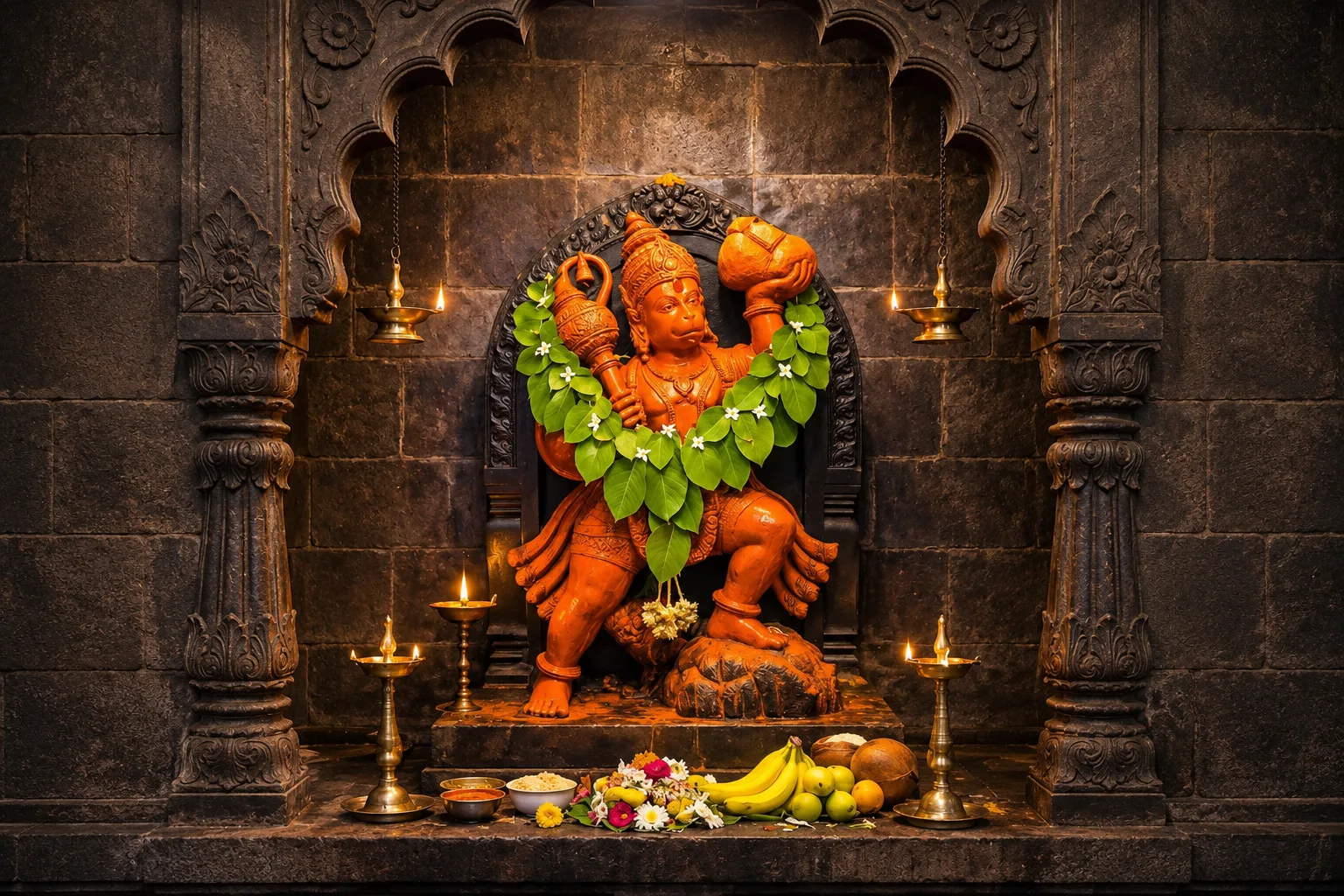
Kashi Vishwanath Jyotirlinga
✓
Kashi Vishwanath Jyotirlinga
✓
📍 Varanasi, Uttar Pradesh
National SignificanceLocated in the holy city of Varanasi, Kashi Vishwanath Temple is one of the most revered Jyotirlingas and is considered the spiritual capital of India where dying is believed to grant moksha.
Rudrabhishekam on Monday
The most powerful Vedic ritual to invoke Lord Shiva — dissolving negative karma, doshas & obstacles. Performed with sacred abhishekam & chants, it invites peace, health and prosperity into your life.
🛕 Performed at a revered 300‑year‑old Shiva temple near Tirupati by experienced Vedic priests.

🕒 Practical Information
🕉️ Spiritual Details
Jyotirlinga, Vishwanath, Visheshwar
🕉️ Divine Snapshot
Kashi Vishwanath Temple, Vishwanath Gali, Varanasi, Uttar Pradesh 221001, India
Spiritual Highlights
The temple is believed to grant immediate moksha (liberation) to those who die in Kashi. It is considered the most powerful place for spiritual transformation and freedom from the cycle of birth and death. The Ganges aarti adds to its spiritual significance.
The temple is famous for granting moksha, curing diseases, and providing divine protection. Many believe that just visiting the temple and bathing in the Ganges can wash away all sins. The temple is known for miraculous healings and spiritual experiences.
Taking holy bath in Ganges, offering prayers at the Jyotirlinga, participating in Ganga aarti, offering bilva leaves and gangajal, circumambulation of the temple, and studying sacred texts.
Liberation from cycle of birth and death, purification of soul, divine grace, removal of all sins, spiritual enlightenment, and attainment of higher consciousness.
About Kashi Vishwanath Jyotirlinga
The Kashi Vishwanath Temple in Varanasi, Uttar Pradesh, is one of the most famous and spiritually significant Jyotirlingas. Located on the western bank of the holy Ganges River, this temple is dedicated to Lord Vishwanath (Shiva) as the ruler of the universe. Varanasi, also known as Kashi, is considered one of the oldest continuously inhabited cities in the world and the spiritual capital of India. The temple has been destroyed and rebuilt multiple times throughout history, with the current structure built by Queen Ahilyabai Holkar in 1780. The temple is famous for its golden spires and is believed to be the place where dying grants immediate moksha (liberation).
Architecture & Heritage
Maratha and Mughal influenced (11th Century (current structure 1780))
Golden spires and domes, intricate Maratha architecture, narrow temple complex in ancient city layout, beautiful stone carvings, and proximity to sacred Ganges
Kashi Vishwanath Jyotirlinga, golden spires, ancient sculptures, sacred well (Jnana Vapi), and Ganges River
Festivals & Celebrations
Daily Ganga aarti, monthly Pradosham, special pujas during eclipses, Rudrabhishek on Mondays
Dev Deepavali with millions of diyas on Ganges ghats, monsoon celebrations, winter spiritual gatherings
Rituals & Traditions
Multiple daily aartis, Rudrabhishek, special tantric rituals, Ganga aarti participation, and continuous prayers
Ganga aarti participation, early morning Mangala aarti, last rites for moksha, pilgrimage to nearby temples, and spiritual learning in ancient city
Sacred prasadam including laddu, peda, fruits, and Ganga jal (holy water)
Visitor Guidelines
Traditional Indian attire mandatory. Dhoti for men, saree for women preferred. No leather items, mobile phones, or cameras allowed inside.
Main temple areas accessible. Narrow lanes may be challenging for wheelchairs. Special arrangements available for elderly and disabled.
Nearby Temples (7)
Within about 200 km driving distance from Kashi Vishwanath Jyotirlinga. Plan a yatra and cover as many of these as you can.
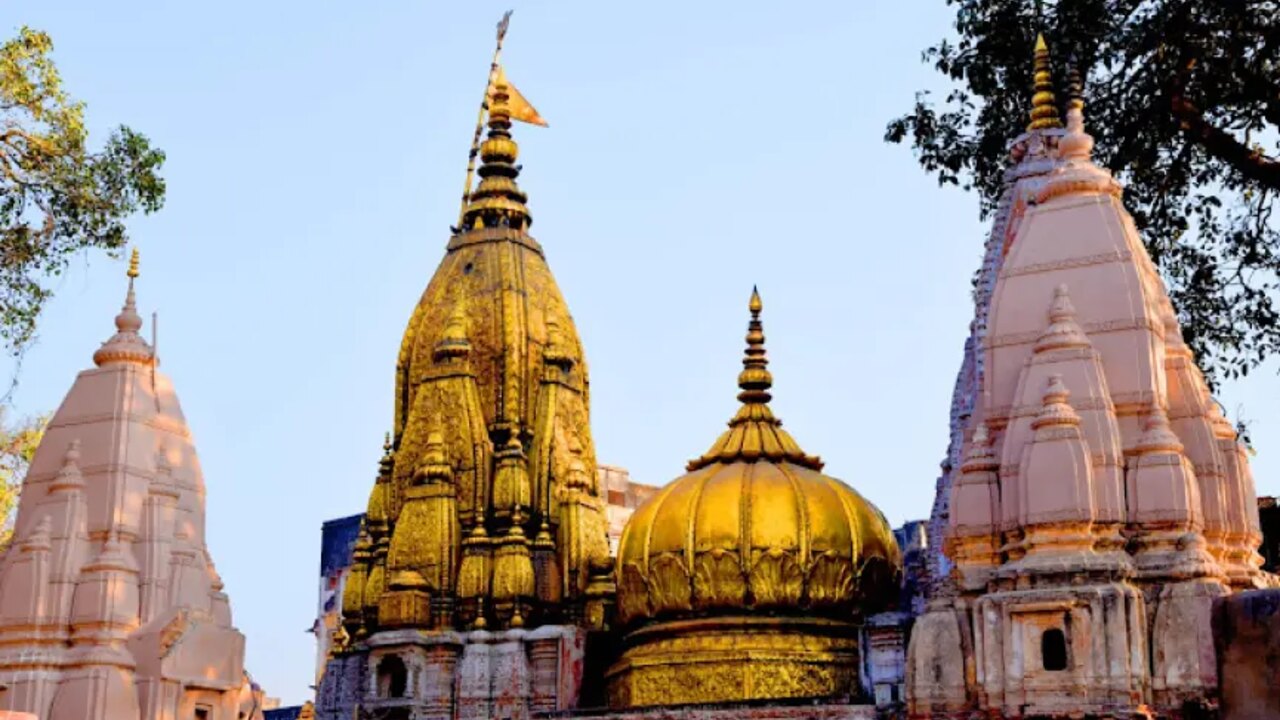
Vishalakshi Devi Temple Varanasi
Varanasi, Uttar Pradesh
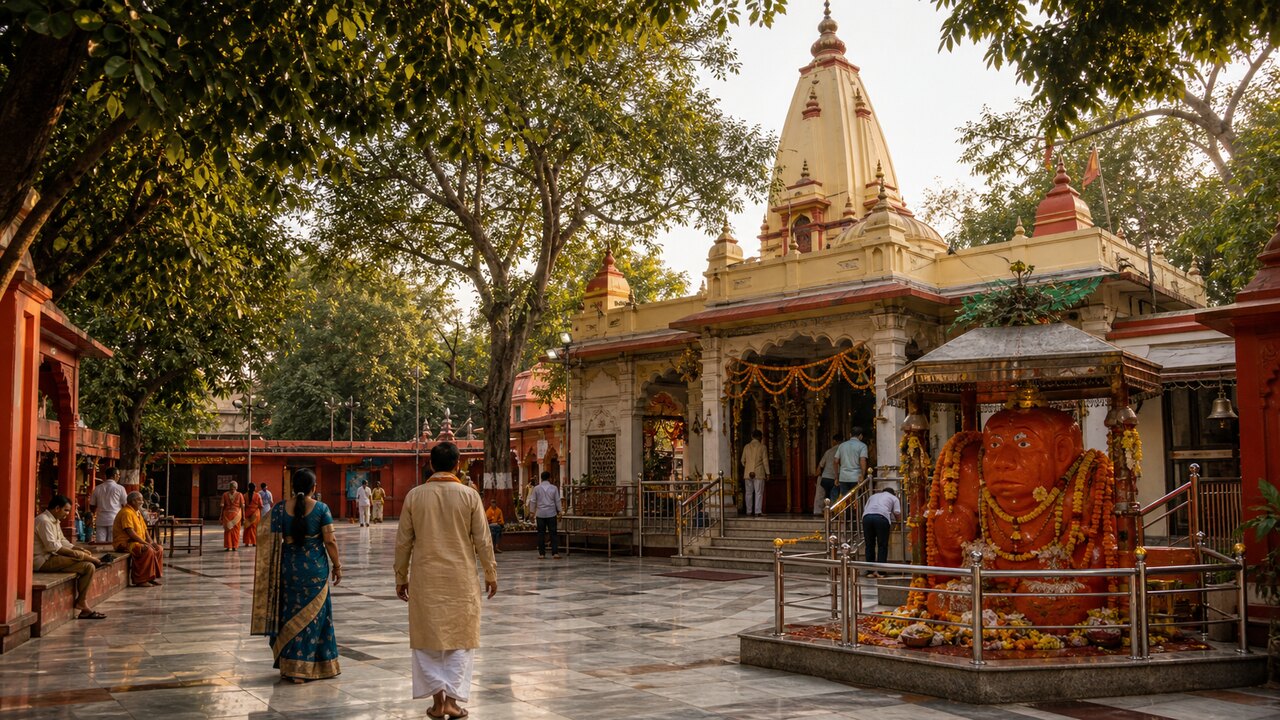
Sankat Mochan Hanuman Temple
Varanasi, Uttar Pradesh, India
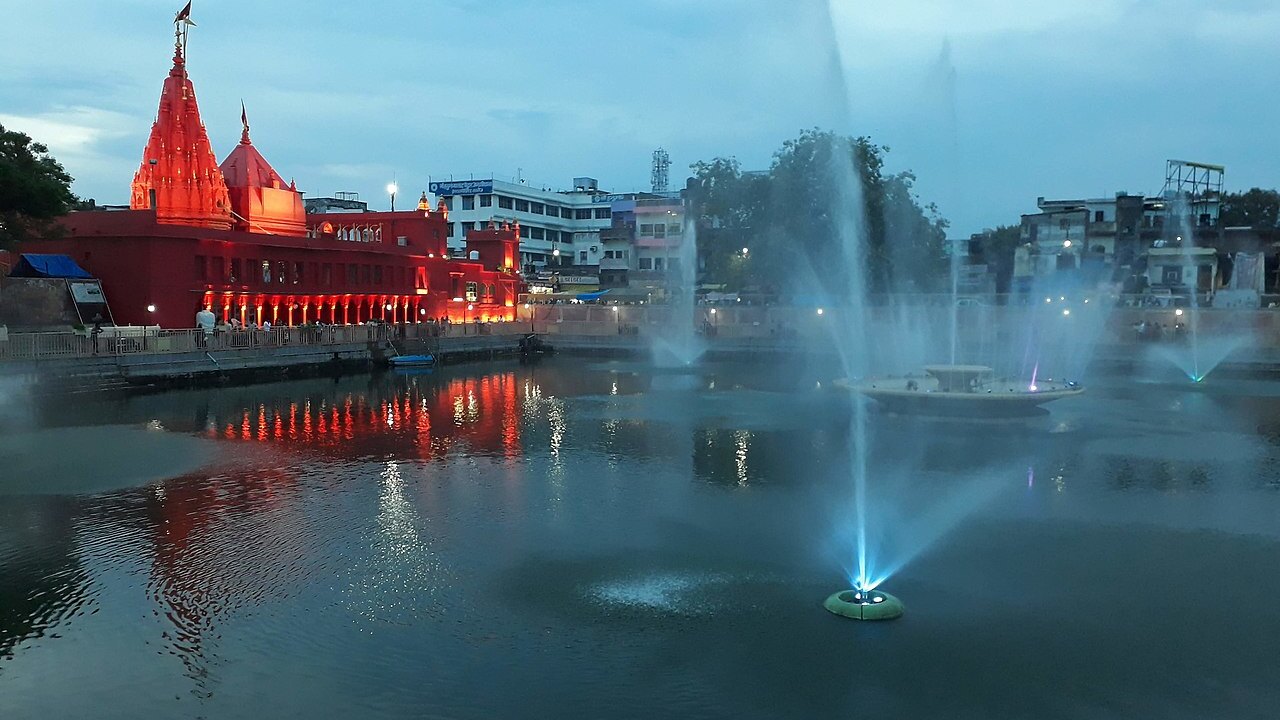
Durga Kund Temple
Durga Kund, Varanasi, Uttar Pradesh
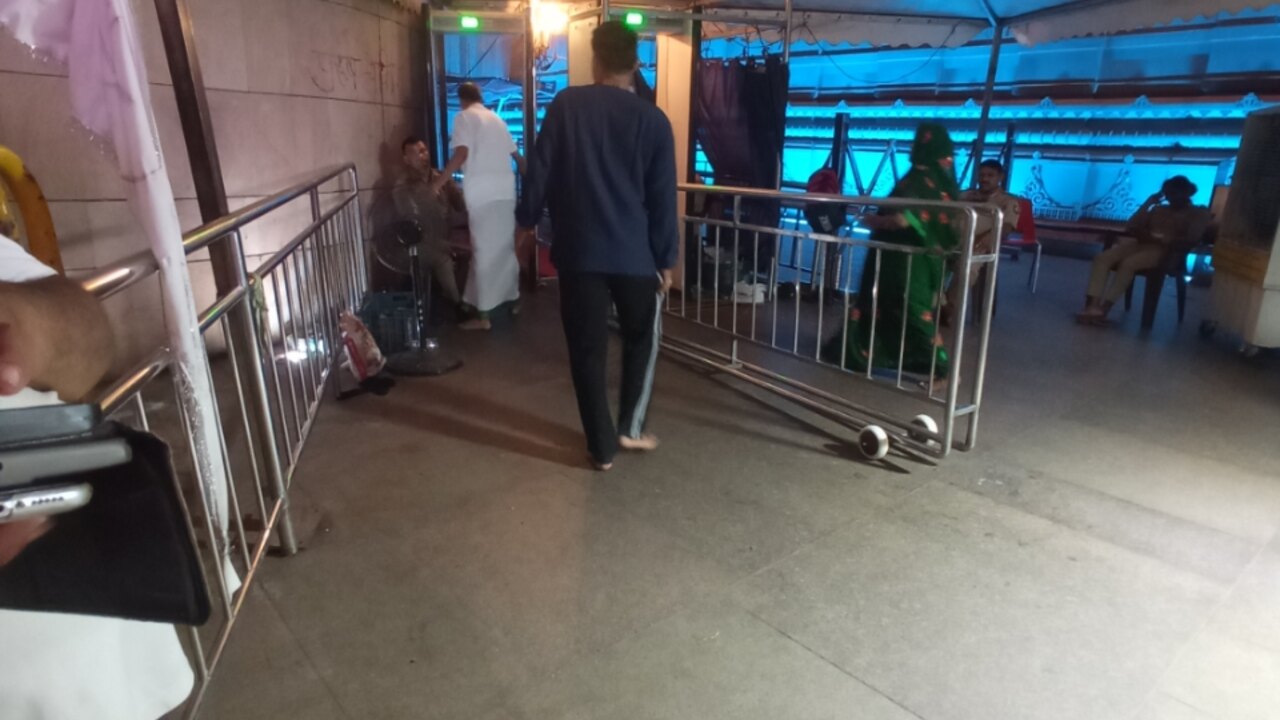
Annapurna Devi Temple
Vishwanath Gali, Varanasi, Uttar Pradesh
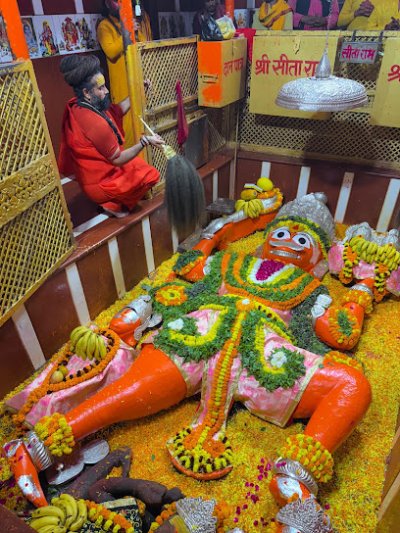
Bade Hanuman Ji Temple
Prayagraj, Uttar Pradesh, India
Madhaveswari Devi Temple Prayagraj
Prayagraj, Uttar Pradesh
Lalita Devi Temple Prayagraj
Prayagraj, Uttar Pradesh
Frequently Asked Questions
🕉️ Divine Snapshot
Goddess Annapurna, Lord Ganesha, Goddess Vishalakshi, Nandi, Kal Bhairav
Kashi Vishwanath Temple, Vishwanath Gali, Varanasi, Uttar Pradesh 221001, India
How to Reach
Varanasi Airport (25 km)
Varanasi Railway Station (5 km)
Varanasi Bus Stand (3 km)
By Road: Well connected by NH-2 and state highways. By Train: Major railway junction with trains from all over India. By Air: Direct flights from major cities.