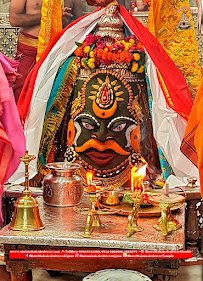
Mahakaleshwar Jyotirlinga
✓
Mahakaleshwar Jyotirlinga
✓
📍 Ujjain, Madhya Pradesh
National SignificanceOne of the most revered Shiva temples in India, Mahakaleshwar Temple in Ujjain is famous for its Swayambhu lingam and the unique Bhasma Aarti performed at dawn.
Rudrabhishekam on Monday
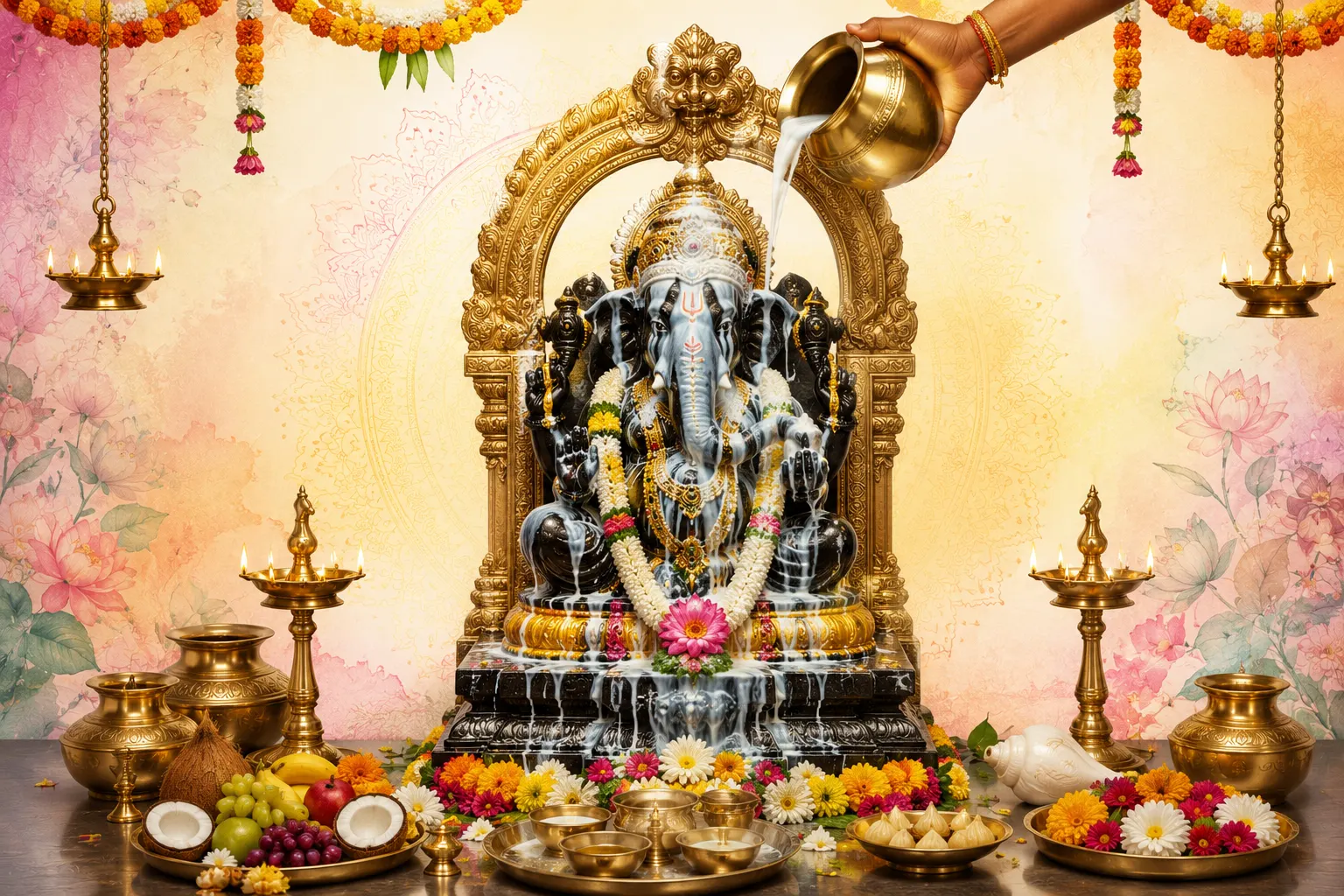
The most powerful Vedic ritual to invoke Lord Shiva — dissolving negative karma, doshas & obstacles. Performed with sacred abhishekam & chants, it invites peace, health and prosperity into your life.
🛕 Performed at a revered 300‑year‑old Shiva temple near Tirupati by experienced Vedic priests.

🕒 Practical Information
🕉️ Spiritual Details
Jyotirlinga, Mahakaleshwar, Swayambhu
🕉️ Divine Snapshot
Mahakaleshwar Temple, Ujjain, Madhya Pradesh 456001, India
Spiritual Highlights
The temple is believed to grant protection from untimely death and provide victory over time and destiny. Devotees believe that worshipping here can grant immortality in spiritual sense and protection from all negative forces including death.
The temple is famous for its miraculous power to protect devotees from accidents, diseases, and untimely death. Many believe that the Bhasma Aarti has the power to fulfill impossible wishes and grant divine protection. The temple is known for supernatural experiences during the aarti.
Attending the early morning Bhasma Aarti, offering prayers during the day, performing abhishekam, offering bilva leaves, participating in evening aarti, and taking holy dip in Shipra River.
Protection from untimely death, victory over enemies, removal of fear, spiritual advancement, divine grace, prosperity, good health, and liberation from the cycle of time and death.
About Mahakaleshwar Jyotirlinga
The Mahakaleshwar Temple in Ujjain, Madhya Pradesh, is one of the most significant Jyotirlingas and is renowned for its Swayambhu (self-manifested) Jyotirlinga. The temple is unique because the Shiva lingam here is believed to be Swayambhu, deriving its power from within itself, unlike other Jyotirlingas. The temple is famous for its Bhasma Aarti, a rare ritual where the deity is worshipped with ash from the cremation grounds, performed every morning before sunrise. Located on the banks of the Shipra River, the temple has immense historical and spiritual significance and is mentioned in various ancient scriptures including the Puranas.
Architecture & Heritage
Maratha and Paramara Style (4th Century BCE (current structure from 18th century))
Multi-story temple structure, intricate Maratha architecture, beautiful carved pillars, sacred kunds (pools), and underground sanctum
Swayambhu Mahakaleshwar Jyotirlinga, Omkareshwar and Mamleshwar lingams, ancient sculptures, and sacred kunds
Festivals & Celebrations
Monthly Pradosham, Somavara special pujas, Ekadashi celebrations
Monsoon celebrations, Diwali, Holi celebrations with special rituals
Rituals & Traditions
Unique Bhasma Aarti with cremation ash, daily pujas, abhishekam ceremonies, special tantric rituals, and traditional aarti
Unique Bhasma Aarti with ash from cremation grounds, underground temple structure, and special midnight abhishekam on Mondays
Sacred prasadam including laddu, kheer, and other offerings blessed during various rituals
Visitor Guidelines
Traditional Indian attire mandatory for Bhasma Aarti. Dhoti for men, saree for women. Regular darshan allows modest clothing. No leather items.
Main temple areas are accessible. Bhasma Aarti may have restrictions. Special arrangements for elderly and disabled devotees.
Nearby Temples (2)
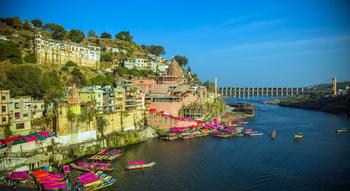
Within about 200 km driving distance from Mahakaleshwar Jyotirlinga. Plan a yatra and cover as many of these as you can.
Frequently Asked Questions
🕉️ Divine Snapshot
Goddess Parvati, Lord Ganesha, Lord Karttikeya, Nandi, Annapurna
Mahakaleshwar Temple, Ujjain, Madhya Pradesh 456001, India
How to Reach
Indore Airport (55 km)
Ujjain Railway Station (2 km)
Ujjain Bus Stand (1 km)
By Road: Well connected via NH-52 from Indore and major cities. By Train: Ujjain is well connected by rail. By Air: Indore airport, then taxi or bus to Ujjain.