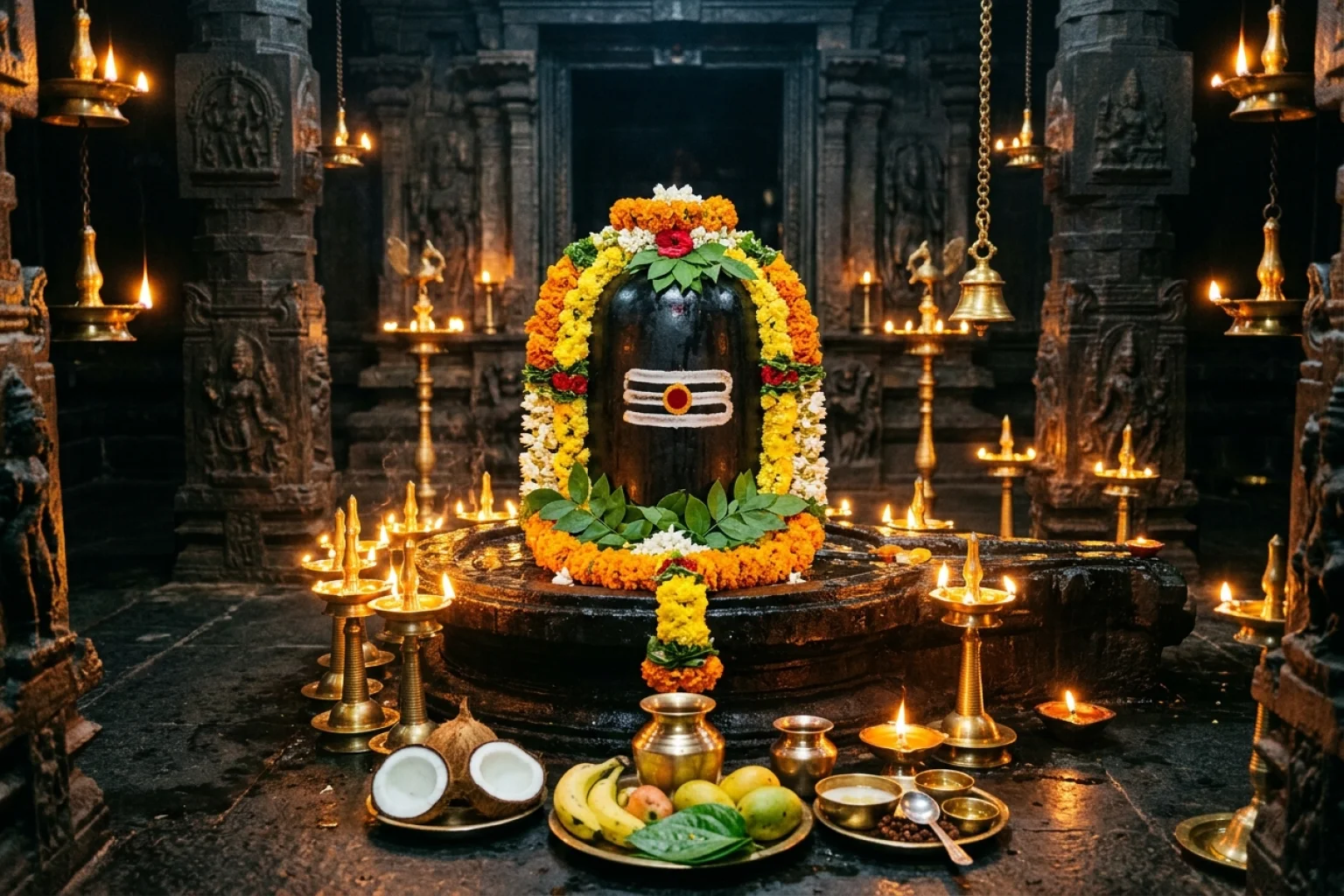
Mahavir Mandir
📍 Patna, Bihar
National SignificanceMahavir Mandir is one of the most revered and powerful Hanuman temples in India, located adjacent to Patna Junction in Bihar. Renowned for fulfilling devotees' wishes and removing obstacles, it attracts millions of pilgrims every year.

🕒 Practical Information
🕉️ Spiritual Details
Regional
Mahavir Hanuman, Sankat Mochan, Bajrangbali
🕉️ Divine Snapshot
Regional
Near Patna Junction Railway Station, Patna, Bihar 800001, India

Hanuman Chalisa
Access the complete 40 verses of Hanuman Chalisa with authentic lyrics in Sanskrit, Hindi, and English. Perform daily prayers with word-by-word translations, listen to high-quality audio chants, and download the free PDF to practice offline.
Read NowSpiritual Highlights
Mahavir Mandir is particularly celebrated for its extraordinary wish-fulfilling power, earning it the reputation of a manokamna siddha kshetra — a place where righteous wishes are fulfilled. The deity is believed to grant swift relief in situations involving court cases, health crises, career setbacks, family conflicts, and financial difficulties. Devotees also report rapid relief from the malefic effects of Shani (Saturn) and Mangal (Mars) through worship here. The collective devotional energy accumulated over decades of millions of sincere prayers is considered to have made this one of the most spiritually charged Hanuman shrines in the country.
Countless devotees from across India testify to miraculous recoveries from serious illnesses, sudden resolution of long-pending legal matters, and dramatic reversals of financial ruin after offering sincere prayers at Mahavir Mandir. It is widely believed that no devotee who visits with a pure heart and genuine need returns disappointed. The prasad laddoo from this temple is considered so auspicious that many devotees send it to relatives unable to visit in person, believing it carries the deity's blessings regardless of distance. The temple is also believed to be especially effective in protecting devotees from black magic, evil eye, and negative spiritual influences.
Devotees arrive early — often before sunrise — to secure a place for morning darshan and aarti. Offerings of sindoor, mustard oil, jasmine garlands, and laddoos are made to the deity. Recitation of the Hanuman Chalisa, Sundarkand, and Bajrang Baan are the most common devotional practices. Many devotees observe a fast on Tuesdays or Saturdays as a vow to Hanuman and break it only after visiting the temple. Pradakshina around the sanctum is performed as an act of devotion and gratitude. During festivals, large groups participate in mass Hanuman Chalisa recitations organized by the temple trust.
Worship at Mahavir Mandir is believed to bestow courage, mental strength, financial stability, and protection from all forms of adversity. Devotees seek relief from chronic illness, court disputes, family discord, career stagnation, and planetary afflictions. Students pray here before examinations for concentration and success. Those facing life crises regard a visit to Mahavir Mandir as a spiritual reset that restores hope, confidence, and direction.
About Mahavir Mandir
Mahavir Mandir is among the most visited and spiritually potent Hanuman temples in the entire country, situated prominently adjacent to Patna Junction railway station in the heart of Bihar's capital. The temple is dedicated to Lord Hanuman in his form as Mahavir — the Great Hero — and is celebrated across North India for its extraordinary wish-fulfilling power. The temple was established and is managed by the Mahavir Mandir Trust, which also runs one of the largest temple-based charitable organizations in India, operating hospitals, cancer treatment centers, and food distribution programs that serve lakhs of underprivileged patients annually. The main sanctum houses a powerful idol of Lord Hanuman adorned with sindoor and draped in sacred garments, radiating an energy that devotees describe as overwhelming and immediately calming. The temple witnesses an unceasing flow of pilgrims from Bihar, Jharkhand, Uttar Pradesh, and beyond — on ordinary days the footfall exceeds tens of thousands, while on Tuesdays, Saturdays, Hanuman Jayanti, and Ram Navami, the numbers swell into the hundreds of thousands. The sacred prasad — the famous Mahavir Mandir laddoo — is distributed in enormous quantities daily and is considered highly auspicious. The trust's charitable wing, including Mahavir Cancer Sansthan and Mahavir Vatsalya Hospital, stands as a living expression of the temple's ethos of service as devotion. The temple's location next to one of India's busiest railway stations makes it the first place countless travellers stop to seek blessings before and after their journeys, adding to its unique character as a place of both pilgrimage and everyday spiritual refuge.
Architecture & Heritage
Modern North Indian Temple Architecture (Modern (established mid-20th century, expanded subsequently))
The temple features a modern North Indian architectural style with a prominent shikhara (spire) adorned with traditional motifs. The main sanctum is designed to allow a continuous flow of large numbers of devotees while maintaining proximity to the deity. The temple complex includes a spacious courtyard, prasad distribution counters, and well-organized queuing systems built to manage the massive daily footfall. Floral decorations and sindoor-smeared walls create a visually vibrant and devotionally immersive environment.
The central Hanuman idol adorned with sindoor and sacred garments, traditional aarti lamps used in daily rituals, large ceremonial bells, the prasad preparation kitchen which operates continuously to produce thousands of laddoos daily, and sacred scriptures used for the daily Sundarkand and Hanuman Chalisa recitations.
Festivals & Celebrations
Hanuman Jayanti is celebrated with grand abhishekam, mass Sundarkand recitation, and continuous bhajan programs lasting 24 hours, drawing hundreds of thousands of devotees. Ram Navami witnesses large-scale puja, extended darshan hours, and cultural programs organized by the Mahavir Mandir Trust. Chhath Puja holds special significance in Bihar and the temple sees massive devotional gatherings during this period. Dussehra and Diwali are marked with elaborate illuminations, special aartis, and cultural performances.
Monsoon season (July–September) brings a spiritually charged atmosphere as devotees offer water and pray for well-being. Winter months (November–February) see heavy pilgrim traffic as the weather is ideal for travel to Patna. The Chhath Puja period in October–November is particularly significant for Bihar's devotional calendar and creates a uniquely charged environment around the temple.
Rituals & Traditions
Daily Mangala Aarti at sunrise, Shringar (adornment) of the deity, Bhog offering, afternoon and evening aartis, Hanuman Chalisa and Bajrang Baan recitation, special abhishekam with sindoor and mustard oil on Tuesdays and Saturdays, Sundarkand path on auspicious days, and extended rituals during festivals.
The tradition of offering sindoor and mustard oil every Tuesday and Saturday draws enormous crowds of devoted Hanuman worshippers. Many devotees fulfil mannat (vows) made during difficult times by returning to offer a specially commissioned puja upon resolution of their problem. The temple trust's seamless integration of mass worship with large-scale charitable service — hospitals, food distribution — is itself considered a unique living tradition that embodies Hanuman's spirit of seva (selfless service).
The temple is famous for its boondi laddoo prasad, prepared fresh daily in large quantities by the temple trust. Sindoor prasad is also distributed after the abhishekam. Panchamrit and tulsi-infused water are offered during special rituals. Prasad packets can be purchased at the temple counters and are considered highly auspicious to carry home or send to family members.
Visitor Guidelines
Modest and traditional Indian attire is recommended. Avoid sleeveless or very short clothing out of respect for the sanctity of the temple. Remove footwear before entering the main shrine premises. The temple is open to devotees of all backgrounds.
The temple is located directly adjacent to Patna Junction, one of India's busiest railway stations, making it exceptionally well connected. Auto-rickshaws, cycle-rickshaws, and taxis are available from all parts of Patna. The temple premises are ground-level and accessible for wheelchair users and elderly devotees. Volunteer assistance is generally available during peak hours.
Nearby Temples (1)
Within about 200 km driving distance from Mahavir Mandir. Plan a yatra and cover as many of these as you can.
Frequently Asked Questions
🕉️ Divine Snapshot
Lord Rama, Goddess Sita, Lord Lakshmana
Regional
Near Patna Junction Railway Station, Patna, Bihar 800001, India
How to Reach
Jay Prakash Narayan International Airport, Patna — approximately 8 km from the temple
Patna Junction Railway Station — adjacent to the temple, within walking distance (approximately 200 meters)
Patna Gandhi Maidan Bus Stand / Mithapur Bus Terminal — approximately 2–3 km from the temple
Visit as early as possible — ideally before 7 AM — to avoid the heavy crowds that build up through the morning. Tuesdays, Saturdays, Hanuman Jayanti, and Ram Navami see exceptionally large gatherings; arrive at least an hour before opening on these days. The temple is directly next to Patna Junction, making a quick darshan easy for train travellers passing through Patna. Keep valuables secure in the crowd. Purchase prasad from authorized temple counters only. Respectful behaviour and modest attire are appreciated by the temple administration.