Hindu Deity
Goddess Durga
The Invincible Mother Goddess — Supreme Feminine Power who destroys evil, protects the righteous, and embodies the divine energy of the entire universe.
"Om Dum Durgayei Namaha — I bow to Goddess Durga, the remover of all suffering and the supreme protector."
Overview
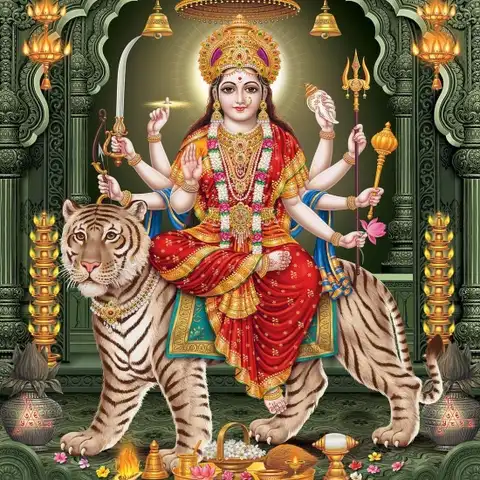
Goddess Durga is one of the most powerful and widely worshipped deities in Hinduism. She is the embodiment of Shakti — the divine feminine cosmic energy that sustains, protects, and ultimately destroys evil. Durga, whose very name means "the one who is invincible" or "the one who eliminates suffering," was created by the combined energies of all the gods to defeat the invincible demon Mahishasura. She rides a lion or tiger, carries weapons in each of her eight or ten hands, and radiates an aura of fearless power that cannot be conquered. Durga is both the fierce warrior goddess and the loving mother — Adi Shakti, the primordial energy from which all creation springs. Millions of devotees across India and the world worship her as the supreme mother who protects her children from all harm, grants strength in adversity, and ultimately leads souls toward liberation.
Origin & History
Goddess Durga was born from the collective divine energy (tejas) of all the gods in the universe. When the demon king Mahishasura received a boon that no man or male god could ever kill him, he unleashed terror across the three worlds. The gods — Brahma, Vishnu, and Shiva — combined their powers and a blazing mass of divine light emerged from which Goddess Durga took form. Each god gave her their most powerful weapon — Shiva gave his trident, Vishnu his discus (Sudarshana Chakra), Indra his thunderbolt, Vayu his bow, and Agni gave her a spear. She was given the lion as her divine vehicle. Durga is considered the same as Adi Shakti — the primordial energy of the universe — and is identified with Parvati, Kali, Lakshmi, and Saraswati as aspects of the one supreme goddess. The Durga Saptashati (also known as Devi Mahatmya), a 700-verse scripture in the Markandeya Purana, narrates her glories in three major battles against the forces of evil. In her various forms she appears as Mahakali, Mahalakshmi, and Mahasaraswati — the three cosmic aspects of Adi Shakti. She is also worshipped as the Navadurga — nine divine forms during Navratri — each representing a different aspect of her supreme power and grace.
Legends & Famous Stories
Slaying Mahishasura
The demon king Mahishasura had conquered heaven and earth, terrorising all creation. The gods combined their divine energy to create Durga, who fought Mahishasura for nine days and nights. On the tenth day (Vijayadashami), she slew him — an eternal triumph of good over evil that is celebrated every year as Navratri and Dussehra.
Destroying Shumbha and Nishumbha
The demon brothers Shumbha and Nishumbha defeated the gods and seized control of the heavens. The gods prayed to Parvati, from whose body emerged the goddess Ambika (Durga). She defeated their entire army including the generals Chanda and Munda (earning her the name Chamundeshwari), and finally slew the two demon brothers herself.
The Battle with Raktabija
The demon Raktabija had a terrible boon — every drop of his blood that touched the earth would create a new demon identical to him. As Durga wounded him, thousands of clones appeared. Durga called upon Kali, who spread her tongue across the battlefield to catch every drop of blood before it fell — together they finally destroyed him.
Durga as Sati
Durga is identified with Sati, the first wife of Lord Shiva who immolated herself in her father Daksha s fire when he insulted Shiva. Her body fell in 51 pieces across the Indian subcontinent — each piece became a Shakti Peetha (sacred site of the goddess). These 51 Shakti Peethas are among the most sacred pilgrimage sites in Hinduism.
The Nine Forms — Navadurga
During the nine nights of Navratri, Durga is worshipped in nine distinct forms: Shailaputri, Brahmacharini, Chandraghanta, Kushmanda, Skandamata, Katyayani, Kalaratri, Mahagauri, and Siddhidatri. Each form has a unique power, weapon, mount, and blessing — together they represent the complete spectrum of the divine feminine.
Durga and the Himalayas
According to the Puranas, Goddess Durga is the daughter of the Himalayas (Himavat) in her form as Parvati. The mountains are said to bow to her presence. Her abode is in the high peaks — symbolising that her grace, like the mountains, is eternal, unshakeable, and towering above all worldly concerns.
Worship & Rituals
Durga Puja / Aarti
Daily aarti with camphor, incense, and ghee lamp before the Durga idol or image. Red flowers, kumkum, and turmeric are offered. The Durga Chalisa and Durga Saptashati are recited for her blessings.
Navratri Vrat
Nine nights of fasting, prayer, and devotion dedicated to the nine forms of Durga. Garba and Dandiya Raas are performed, Durga Saptashati is chanted, and Kanya Puja (worshipping young girls as Devi) is performed on Ashtami or Navami.
Durga Saptashati Path
Recitation of all 700 verses of the Durga Saptashati (Devi Mahatmya) is the most powerful Durga worship. It is recited during Navratri, on Fridays, or whenever one seeks divine protection from great difficulties.
Kanya Puja
Nine young girls (Kanya) are worshipped as the nine forms of Durga on Ashtami or Navami during Navratri. They are bathed, adorned, offered food (puri, chana, halwa), and given gifts — this puja is believed to invoke the goddess s direct blessing.
Mantras & Prayers
Durga Moola Mantra
Om Dum Durgayei Namaha
The seed mantra of Goddess Durga. Dum is her bija (seed) sound. Chanting this mantra invokes her protection, destroys enemies, and removes all obstacles from one s path.
Mahishasura Mardini Mantra
Ayigiri Nandini Nandita Medini Vishwa Vinodini Nandanute
A powerful hymn celebrating Durga as the slayer of Mahishasura. Chanting this invokes her fierce protective energy and the courage to overcome any enemy or obstacle in life.
Durga Gayatri Mantra
Om Katyayanaya Vidmahe Kanyakumari Dhimahi Tanno Durgih Prachodayat
The Gayatri mantra of Goddess Durga in her Katyayani form. Recited for spiritual awakening, removal of negativity, blessed marriage, and the divine grace of the mother.
Sarva Mangala Mantra
Sarva Mangala Mangalye Shive Sarvartha Sadhike Sharanye Tryambake Gauri Narayani Namostute
A universal prayer to Durga as the source of all auspiciousness. Chanted at the beginning of all pujas, weddings, and important events for divine blessing and protection.
Festivals & Celebrations
Navratri
Ashwin month · Sept–Oct (Sharad Navratri)
The most important Durga festival — nine nights of worship, fasting, and celebration. Each of the nine days is dedicated to one of the nine forms of Durga (Navadurga). Garba, Dandiya, and Durga Saptashati recitations mark this festival across India.
Durga Puja
Ashtami to Vijayadashami · Sept–Oct
The grandest festival of Bengal, Assam, and Eastern India. Elaborate clay idols of Durga slaying Mahishasura are installed in pandals across cities. The five-day celebration culminates in Vijayadashami when the idol is immersed in water.
Vijayadashami (Dussehra)
10th day of Ashwin · Sept–Oct
Celebrating Durga s victory over Mahishasura on the tenth day. Effigies of Ravana are burned across North India. It is also the most auspicious day to begin new ventures, learning, or journeys.
Chaitra Navratri
Chaitra month · March–April
The spring Navratri celebrated in March-April, dedicated to Durga in her form as Vaishno Devi and other goddess forms. Vaishno Devi temple in Jammu sees its peak pilgrimage during this period.
Best Days to Worship
Friday
Most Auspicious Day
Why This Day?
Friday (Shukravar) is ruled by Venus (Shukra) and is the most auspicious day for worshipping the divine feminine. Goddess Durga, Lakshmi, and all forms of Devi are especially pleased by Friday prayers and offerings. Devotees observe fasts and light red lamps in her honour.
🌸 Offerings
Red flowers (especially hibiscus), kumkum, turmeric, red cloth, coconut, jaggery, red bangles, sindoor
🪔 Rituals
Fast from sunrise to sunset, light a red lamp with ghee, recite Durga Chalisa or Saptashati, offer red hibiscus flowers, chant Om Dum Durgayei Namaha 108 times
✨ Benefits
Protection from enemies, fulfilment of desires, blessings for family wellbeing, courage, and financial prosperity
Navratri (9 Sacred Nights)
Most Auspicious Day
Why This Day?
Navratri — nine sacred nights — is the most powerful time for Durga worship in the entire year. The divine energy of the goddess is at its peak during these nine days. Each night corresponds to one of the nine forms of Durga (Navadurga), and sincere worship during this period is said to grant boons that would otherwise take lifetimes to achieve.
🌸 Offerings
Red and orange flowers, coconut, kumkum, turmeric, ghee lamp, fruits, puri-chana-halwa for Kanya Puja, Bilva leaves
🪔 Rituals
Fast all nine days (or on Ashtami/Navami), recite Durga Saptashati daily, perform Kanya Puja on Day 8 or 9, participate in Garba and Dandiya Raas, do Havan on Navami
✨ Benefits
Complete removal of all obstacles, victory over enemies, spiritual liberation, fulfilment of all sincere prayers, and divine grace for the entire year ahead
Benefits of Worship
Protection from enemies, evil forces, black magic, and all negative energies
Immense inner courage, fearlessness, and strength to overcome all challenges
Victory over obstacles, adversaries, and difficult life situations
Maternal blessings — health, happiness, and wellbeing for the entire family
Prosperity, abundance, and removal of financial hardships
Spiritual liberation and freedom from the cycle of birth and death
Blessed and harmonious married life — Durga grants good life partners
Intelligence, wisdom, and success in education and career
Famous Temples of Goddess Durga
Chamundeshwari Temple Mysuru
📍 Mysuru, Karnataka
Perched atop Chamundi Hills in Mysuru, this ancient temple is dedicated to Goddess Chamundeshwari, the fierce form of Durga who vanquished the demon Mahishasura.
Read More →Kateel Durgaparameshwari Temple
📍 Kateel, Dakshina Kannada, Karnataka
A powerful Shakti Peetha on the banks of River Nandini, famous for its miraculous powers and the annual Navarathri celebrations.
Read More →Regional Variations
West Bengal & Assam
Durga / Durgotshav
Durga Puja is the biggest cultural and religious festival of Bengal. Elaborate clay idols are crafted, pandals are decorated as grand structures, and the five-day festival is a UNESCO Intangible Cultural Heritage event of extraordinary community celebration.
North India
Sherawali / Vaishno Devi
Worshipped as Sherawali — the one who rides a lion. The Vaishno Devi temple in Jammu sees over 10 million pilgrims annually, making it one of the most visited temples in the world. Navratri is celebrated with great devotion.
South India
Chamundeshwari / Mariamman
Durga is worshipped as Chamundeshwari (especially in Mysuru) and as Mariamman (village goddess of rain and disease). The Mysuru Dasara (Vijayadashami) is one of the grandest state festivals in India, centered on Chamundeshwari.
Maharashtra
Ambabai / Tuljabhavani
Tulja Bhavani at Tuljapur is the kuldevi (family deity) of millions of Maharashtrians including Chhatrapati Shivaji Maharaj. Ambabai at Kolhapur is one of the 51 Shakti Peethas and draws hundreds of thousands of pilgrims.
Gujarat
Amba Mata / Bahucharaji
Navratri in Gujarat is a massive nine-night cultural event with Garba and Dandiya Raas celebrated by millions. Amba Mata temple at Ambaji and Bahucharaji temple are the most revered goddess shrines in the state.
Nepal & Southeast Asia
Durga / Kumari
In Nepal, Durga is worshipped as Kumari — a living goddess embodied by a young girl selected through a rigorous ritual process. The Indra Jatra festival in Kathmandu features grand Kumari processions. Durga is also revered in Bali and parts of Cambodia.
Frequently Asked Questions
Goddess Durga Stotrams & Chalisas
Read the lyrics and meaning of Goddess Durga hymns, with audio and free PDF downloads.
Related Pages
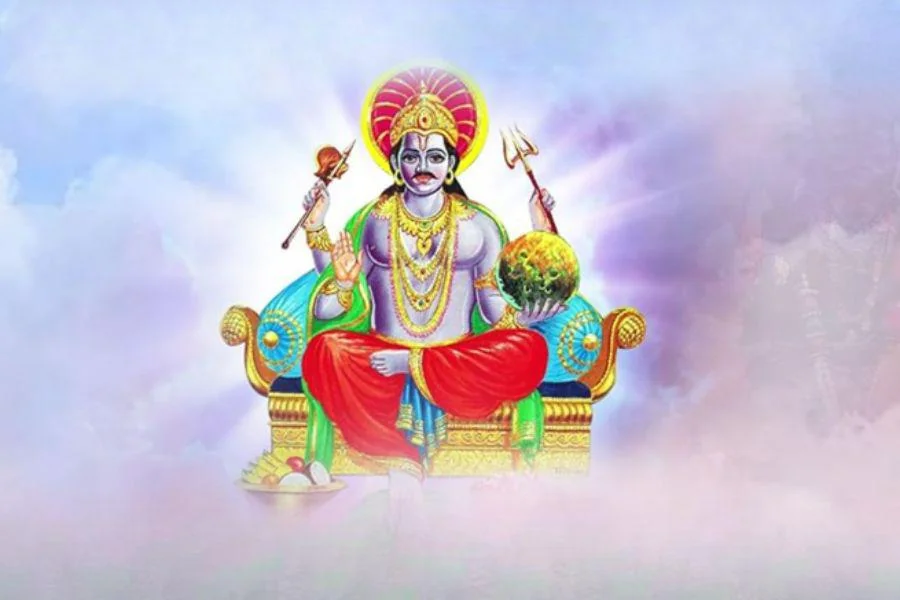
Shani Dev
The God of Justice and Karma — Lord of Saturn who rewards the righteous and teaches life lessons through trials, time, and discipline.
Learn more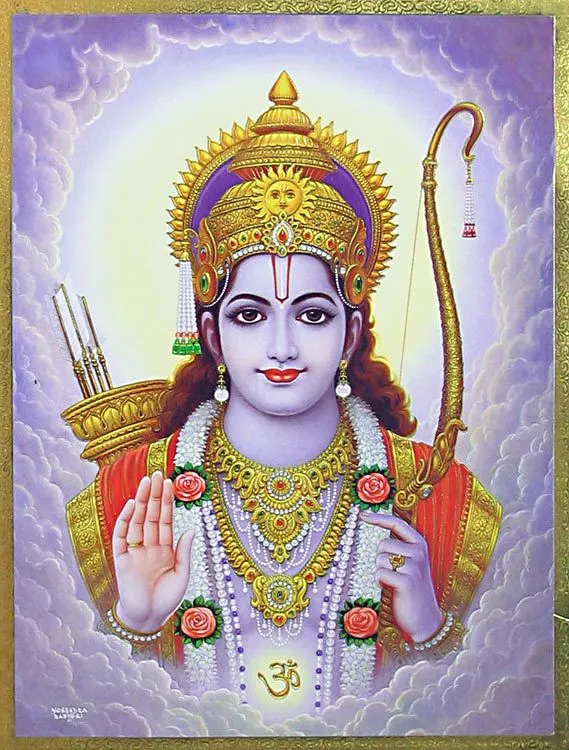
Lord Rama
The Ideal Man, Perfect King, and Seventh Avatar of Vishnu — whose life is the eternal standard of righteousness, duty, and devotion to dharma.
Learn more
Goddess Saraswati
The Invincible Mother Goddess — Supreme Feminine Power who destroys evil, protects the righteous, and embodies the divine energy of the entire universe.
Learn more