Ashta Lakshmi Stotram Lyrics & Meaning in English
Free complete guide with audio learning, line-by-line meaning, and practice session. Master the Ashta Lakshmi Stotram in just one hour.
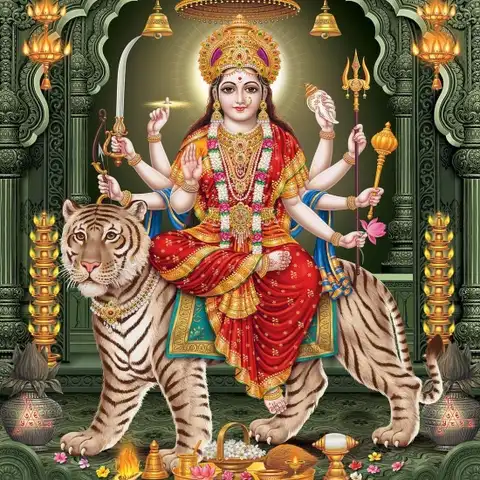
Ashta Lakshmi Stotram is a devotional hymn dedicated to Goddess Lakshmi, aimed at invoking her eight forms for prosperity and well-being. The hymn serves as a powerful prayer for abundance and divine blessings, revered by devotees seeking spiritual and material wealth.
- Hymn
- Ashta Lakshmi Stotram
- Deity
- Goddess Lakshmi
- Number of verses
- 8
- Best day to chant
- Friday
- Available languages
- English, Telugu, Hindi
- Last updated
- 18 Jul 2026
Play along to learn the correct pronunciation and rhythm.
📖 Read Ashta Lakshmi Stotram in other languages: Ashta Lakshmi Stotram in Telugu, Ashta Lakshmi Stotram in Hindi
Ashta Lakshmi Stotram Full Lyrics in English (English)
📄 Download English PDFādilakṣmi Listen
sumanasa vandita sundari mādhavi, chandra sahodari hēmamayē
munigaṇa vandita mōkṣapradāyani, mañjula bhāṣiṇi vēdanutē ।
paṅkajavāsini dēva supūjita, sadguṇa varṣiṇi śāntiyutē
jaya jayahē madhusūdana kāmini, ādilakṣmi paripālaya mām
O the Goddess Aadi Lakshmi, the one who is worshipped by the good, the enchanting one, the consort of Madhava and the sister of Chandra, the one filled with the gold O Goddess, who is praised by the Muni’s and their followers, the bestower of Moksha(salvation), whose speeches generates happiness, the Goddess praised by the Vedas The one residing in the Lotus, worshipped by the Devas, the giver of good qualities, the one with a pleasant heart Victory, Victory to you, the dear (consort) of Madhusudhana, Goddess Adi Lakshmi, please rule me with your mercy.
dhānyalakṣmi Listen
ayikali kalmaṣa nāśini kāmini, vaidika rūpiṇi vēdamayē
kṣīra samudbhava maṅgaḻa rūpiṇi, mantranivāsini mantranutē ।
maṅgaḻadāyini ambujavāsini, dēvagaṇāśrita pādayutē
jaya jayahē madhusūdana kāmini, dhānyalakṣmi sadāpālaya mām [paripālaya mām]
O Goddess Dhanya Lakshmi, the mother who destroys the doshas of Kali-yuga, the dear of God Madhusudana, present with the divine form that was personified in the Vedas Born from the milky ocean with an auspicious form, who resides within the Mantras and the one whose heart is present in Mantras The bestower of auspiciousness, who resides in the Lotus, whose feet acts as a refuge to the Devaganas Victory, Victory to you, the dear (consort) of Madhusudhana, Goddess Dhanya Lakshmi, please rule me with your mercy.
dhairyalakṣmi Listen
jayavaravarṣiṇi vaiṣṇavi bhārgavi, mantra svarūpiṇi mantramayē [jayavaravarṇini]
suragaṇa pūjita śīghra phalaprada, jñāna vikāsini śāstranutē ।
bhavabhayahāriṇi pāpavimōchani, sādhu janāśrita pādayutē
jaya jayahē madhu sūdhana kāmini, dhairyalakṣmī paripālaya mām
The one who is present in a great form, the one belonging to Vishnu, the daughter of Sage Bhrigu (so called Bhargavi), O the form of Mantras and being the mantras herself. the one praised by the Sura ganas, who quickly bestows the good wishes and enlightens the internal knowledge, who is praised by the Shastras The remover of the fears and the one who liberates from the sins, whose feet acts as refuse for the pious Victory, Victory to you, the dear (consort) of Madhusudhana, Goddess Dhairya Lakshmi, please rule me with your mercy.
gajalakṣmi Listen
jaya jaya durgati nāśini kāmini, sarvaphalaprada śāstramayē
radhagaja turagapadāti samāvṛta, parijana maṇḍita lōkanutē ।
harihara brahma supūjita sēvita, tāpa nivāriṇi pādayutē
jaya jayahē madhusūdana kāmini, gajalakṣmī rūpēṇa pālaya mām
Victory, victory to you, O Goddess, the destroyer of bad fate, Kamini – the dear of Madhusudhana, the bestower of all the wishes Who has chariots, elephantry, cavalry, and infantry accompany her, the one who is worshipped by the people all over the world The one who is worshipped and served by the Hari, Hara, and Brahma. The one who has the feet that can remove the anxiety of unfulfilled desires. Victory, Victory to you, the dear (consort) of Madhusudhana, Goddess Gaja Lakshmi, please rule me with your mercy.
santānalakṣmi Listen
ayikhaga vāhini mōhini chakriṇi, rāgavivardhini jñānamayē
guṇagaṇavāradhi lōkahitaiṣiṇi, svarasapta bhūṣita gānanutē । [saptasvara]
sakala surāsura dēva munīśvara, mānava vandita pādayutē
jaya jayahē madhusūdana kāmini, santānalakṣmī tvaṃ pālaya mām [paripālaya mām]
O the one who rides on a flying bird, the enchanting one, who holds the chakra in her hands, the one who increases the affection, the embodiment form of the knowledge The ocean of good attributes, who desires the wellbeing of the worlds, praised by the songs that are incredibly composed with the saptha swaras or the seven notes The own whose feet are bowed by the Suras, Asurasas, Devas, Muneeshwaras, and Manavas. Victory, Victory to you, the dear (consort) of Madhusudhana, Goddess Santana Lakshmi, please rule me with your mercy.
vijayalakṣmi Listen
jaya kamalāsini sadgati dāyini, jñānavikāsini gānamayē
anudina marchita kuṅkuma dhūsara, bhūṣita vāsita vādyanutē ।
kanakadharāstuti vaibhava vandita, śaṅkaradēśika mānyapadē
jaya jayahē madhusūdana kāmini, vijayalakṣmī sadā pālaya mām [paripālaya mām]
Victorious, O Goddess seated on the Lotus, the one who gives the good fate, who enlightens the internal knowledge, the embodied form of Music O the one who is adorned with Kumkuna, that’s used by her devotees to worship, the one entertained by playing musical instruments Whose feet are praised by the Adi Shankara, by the Kankadhara stuti, which is filled up with the glorious words Victory, Victory to you, the dear (consort) of Madhusudhana, Goddess Vijaya Lakshmi, please rule me with your mercy.
vidyālakṣmi Listen
praṇata surēśvari bhārati bhārgavi, śōkavināśini ratnamayē
maṇimaya bhūṣita karṇavibhūṣaṇa, śānti samāvṛta hāsyamukhē ।
navanidhi dāyini kalimalahāriṇi, kāmita phalaprada hastayutē
jaya jayahē madhusūdana kāmini, vidyālakṣmī sadā pālaya mām
O Goddess Bhargavi (daughter of Bhrigu) The one who is served by the Sachi and Saraswathi, the destroyer of sorrows, an embodied form of precious gems The one who has the earrings, filled with precious gems, who has a peaceful smiling face The one who bestows all nine treasures, the remover of sins of Kali-yuga and whose hands grant the boons. Victory, Victory to you, the dear (consort) of Madhusudhana, Goddess Vijaya Lakshmi, please rule me with your mercy.
dhanalakṣmi Listen
dhimidhimi dhindhimi dhindhimi-dindhimi, dundhubhi nāda supūrṇamayē
ghumaghuma ghuṅghuma ghuṅghuma ghuṅghuma, śaṅkha nināda suvādyanutē ।
vēda pūrāṇētihāsa supūjita, vaidika mārga pradarśayutē
jaya jayahē madhusūdana kāmini, dhanalakṣmi rūpēṇā pālaya mām
O the Goddess who is filled up or surrounded by the sounds like Dhimi Dhimi Dhim Dhimi coming from the Dumdhubhi drums The one who is praised and worshipped by the sounds like Ghuma ghuma ghumghuma by blowing the conches and from various instruments The one praised by the Vedas, Puranas, and Ithihasas, who shows the path of righteousness by her acts Victory, Victory to you, the dear (consort) of Madhusudhana, Goddess Dhanya Lakshmi, please rule me with your mercy.
📄 Download PDF — Ashta Lakshmi Stotram
What does the Ashta Lakshmi Stotram mean?
Chanting the Ashta Lakshmi Stotram spiritually aligns devotees with the divine energy of Goddess Lakshmi, fostering prosperity, wisdom, and peace. Culturally, it is a revered practice during festivals like Diwali and Varalakshmi Vratam. Reciting it is believed to invite divine grace and improve both spiritual and material circumstances.
Who wrote the Ashta Lakshmi Stotram and where does it come from?
The Ashta Lakshmi Stotram is traditionally attributed to Adi Shankaracharya, though its precise origins are not definitively documented. It is found within Hindu spiritual tradition, composed in Sanskrit. The hymn venerates the eight manifestations of Lakshmi, each bestowing different forms of prosperity.
When and how should you chant the Ashta Lakshmi Stotram?
The Ashta Lakshmi Stotram is ideally chanted on Fridays, considered auspicious for worshipping Goddess Lakshmi. Devotees often repeat it 8 times, reflecting her eight forms. It is best chanted with devotion, clear pronunciation, and in a clean, peaceful environment, ideally facing an image of Goddess Lakshmi.
❤️ What are the benefits of chanting the Ashta Lakshmi Stotram?
- ✓ Invokes eight forms of prosperity
- ✓ Enhances spiritual wisdom
- ✓ Attracts material wealth
- ✓ Promotes inner peace
- ✓ Fosters family harmony
- ✓ Removes financial obstacles