About Jamai Shashti
Last updated:
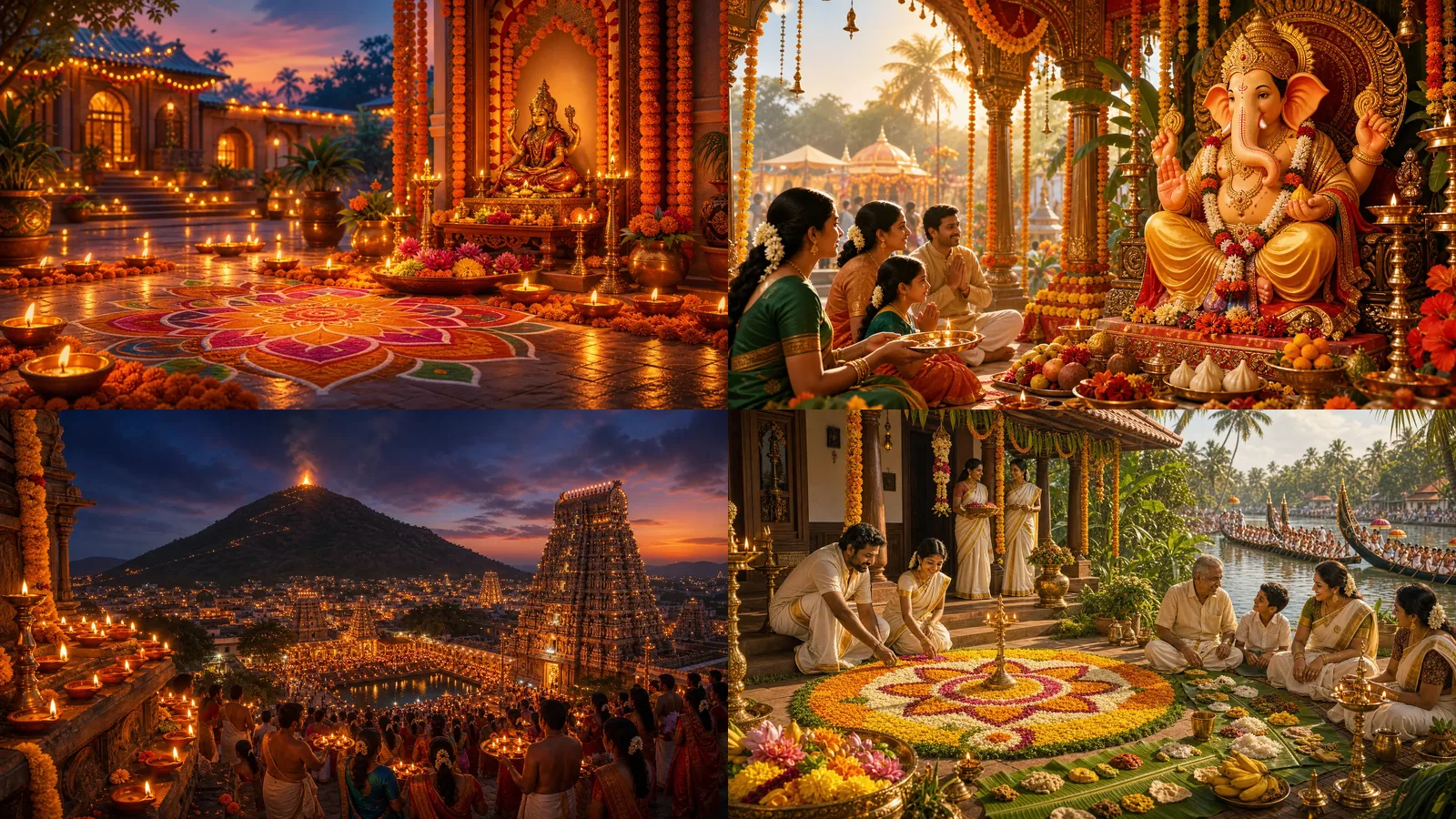
According to the Hindu Panchang, Jamai Shashti is celebrated on the Shukla Paksha Shashthi Tithi of the Jyeshtha month. On this day, the parents of a married daughter invite their soninlaw, known as Jamai in Hindi, to their home and honor him with delicious food, gifts, clothes and offerings. Among followers of Hinduism, Jamai Shashti is regarded as both a social and spiritual festival. On this occasion, Goddess Shashti is also worshipped with devotion. This festival is especially celebrated in Bengal, Odisha, Bihar and some parts of North as a religious and familyoriented occasion. From a scriptural perspective, it is dedicated to Goddess Shashti, the divine protector of children. The day is also known as Jamai Bhoj and Shashti Pujan. In Odisha and Bengal, Jamai Shashti is observed with great joy and enthusiasm. The celebration begins with the worship of Goddess Shashti, during which the motherinlaw prays to the Goddess for the happiness and wellbeing of her family. After Puja, she performs Aarti with camphor, applies a sacred Tilak on her soninlaw's forehead, and welcomes him with affection. As a symbol of protection and good fortune, she ties a sacred yellow thread around his wrist.
Deities & divine forms
Preparations for the festival begin a day in advance. The motherinlaw purchases various gifts, sarees and gold ornaments according to her capacity for her daughter and soninlaw. A grand feast is then arranged in their honor. On this day, special dishes are prepared for the soninlaw, including traditional Bengali delicacies such as Shukto, Begun Bhaja, Luchi, Aloor Dom and sweets like Mishti Doi. Thus, Jamai Shashti is not merely a social celebration but also a sacred observance rooted in devotion and tradition. Worshipping Goddess Shashti on this day is believed to bring blessings for the prosperity, happiness, and wellbeing of one's family, lineage and children.
How to celebrate Jamai Shashti 2026
This festival is especially celebrated in Bengal, Odisha, Bihar and some parts of North as a religious and familyoriented occasion. From a scriptural perspective, it is dedicated to Goddess Shashti, the divine protector of children. The day is also known as Jamai Bhoj and Shashti Pujan. In Odisha and Bengal, Jamai Shashti is observed with great joy and enthusiasm. The celebration begins with the worship of Goddess Shashti, during which the motherinlaw prays to the Goddess for the happiness and wellbeing of her family. After Puja, she performs Aarti with camphor, applies a sacred Tilak on her soninlaw's forehead, and welcomes him with affection. As a symbol of protection and good fortune, she ties a sacred yellow thread around his wrist. Preparations for the festival begin a day in advance. The motherinlaw purchases various gifts, sarees and gold ornaments according to her capacity for her daughter and soninlaw. A grand feast is then arranged in their honor.
Jamai Shashti 2026 — FAQs
Jamai Shashti and for Diu, Daman and Diu, India is observed on 2026-06-20.
According to the Hindu Panchang, Jamai Shashti is celebrated on the Shukla Paksha Shashthi Tithi of the Jyeshtha month. On this day, the parents of a married daughter invite their soninlaw, known as Jamai in Hindi, to their home and honor him with delicious food, gifts, clothes and offerings. Among followers of Hinduism, Jamai Shashti is regarded as both a social and spiritual festival. On this occasion, Goddess Shashti is also worshipped with devotion.