Book Karthika Masam Rudrabhishekam (10 Nov – 8 Dec 2026)
Temples in Hemkund, Uttarakhand

Uttarakhand pilgrimage guide

Temples in Hemkund — Famous Temples & Complete Darshan Guide

Plan a practical Hemkund temple trip with 2 important temples, darshan-friendly routing, local travel tips and the best season for a peaceful pilgrimage.

2 curated temples Uttarakhand View map & route →

Last updated July 2026 · Curated by the Temples.bio editorial team

Quick answers

Which is the most famous temple in Hemkund?
Badrinath Temple is the most prominent temple in Hemkund. This guide covers 2 notable temples in and around Hemkund with timings, distances and a darshan route.
What are the famous temples in Hemkund?
The most famous temples in Hemkund include Badrinath Temple and Kedarnath Jyotirlinga. See the table below for the primary deity, location and darshan timings of all 2 temples.
How many days do you need to visit Hemkund temples?
You can cover the main temples of Hemkund in about 1 day. Use the 1-day essential circuit for the key shrines, or the 2-day plan to include temples within 100 km.
What is the best time to visit Hemkund temples?
October to March is the most comfortable season for temple visits in Hemkund. Summer afternoons can be tiring, so plan early morning darshan and keep a lighter second half of the day. Festival days are spiritually rewarding but busier; confirm timings, parking and local transport
How do you reach Hemkund?
Reach Hemkund by the nearest major railway station or state highway links, then keep the temple circuit local for the first day. For families and senior citizens, a hired cab or auto-rickshaw is easier than changing transport repeatedly. Start with the main temple before the crowd builds, pause for

Temples in Hemkund at a glance

Primary deity, location or distance, and darshan timings for the key temples — see full details with photos below.

# Temple Primary deity Location / distance Darshan timings
1 Badrinath Temple Sri Badri Narayana Perumal (Padmasana Dhyana Kolam in Shaligram) 29 km from Hemkund 04:30 AM – 09:00 PM
2 Kedarnath Jyotirlinga Lord Shiva 198 km from Hemkund 6:00 AM – 7:00 PM

Why Hemkund is a major temple destination

Hemkund is one of Uttarakhand's useful temple bases, combining well-known shrines with smaller neighbourhood temples that locals still visit for daily worship. The guide below is arranged for real travel: start with the most important temple, then add nearby shrines in an order that keeps the route simple.

Even when a city is not marketed only as a pilgrimage destination, its temples often hold the memory of older neighbourhoods, local festivals and family vows. Devotees usually come here for blessings of Lord Shiva, Vishnu and Devi, family welfare, ancestral prayers and a quieter connection with the region's sacred geography. The city also works well as a base for first-time visitors who want a balanced mix of famous temples and reachable local shrines.
Curated pilgrimage circuit

Temples to Visit Near Hemkund

Ordered by pilgrimage importance and practical travel distance from Hemkund.

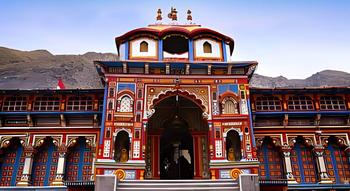
Badrinath Temple — Sri Badri Narayana Perumal (Padmasana Dhyana Kolam in Shaligram) temple in Hemkund Same Day

Sri Badri Narayana Perumal (Padmasana Dhyana Kolam in Shaligram)

  • Badrinath, Uttarakhand
  • 29.4 km from Hemkund
  • 04:30 AM - 09:00 PM (Open seasonally from Akshaya Tritiya (April/May) to Bhai Dooj (October/November); closed during winter due to heavy snow. Sanctum closes for midday rest from 01:00 PM to 04:00 PM.)

Badrinath Temple

Sri Badri Narayana Perumal Temple in Thiruvadariyasramam (Badrinath, Chamoli district, Uttarakhand) is the 105th Divya Desam. Celebrated in 22 pasurams by Periyalvar and Thirumangai Alvar, Badrinath is the king among Himalayan pilgrimage citadels and one of the four supreme Char Dhams of India.Situated at an altitude of 10,279 feet along the icy Alaknanda river between the sacred mountain peaks of Nara and Narayana, this holy kshetram is where Lord Vishnu sat in unmoving penance during the bitter Himalayan winters. Seeing Her Lord braving the biting snowstorms, Goddess Mahalakshmi transformed Herself into a sheltering Badri tree (jujube/berry tree) to canopy Him with Her green foliage. Pleased by Her supreme devotion, Vishnu declared that the tirtha would forever be called Badrika-ashrama, giving priority to Her name.The Moolavar is a 3.3-foot self-manifested (Swayambhu) black Shaligram stone depiction of Lord Narayana seated in deep Padmasana meditation. Adi Shankaracharya personally retrieved this sacred murti from the swirling waters of Narada Kund and consecrated it in the temple. Right beside the icy Alaknanda flows the miraculous Tapta Kund—a natural sulfur thermal spring maintaining a steady 55°C temperature where pilgrims bathe before entering the sanctum. By long-standing tradition established by Adi Shankara, the head priest (Rawal) of Badrinath is always a Nambudiri Brahmin from Kerala, linking the southernmost tip of India directly to the Himalayan crown of Sanatana Dharma.

Travel Tip: By Road: Challenging mountain road from Rishikesh via Joshimath. Helicopter services available. High altitude acclimatization needed.

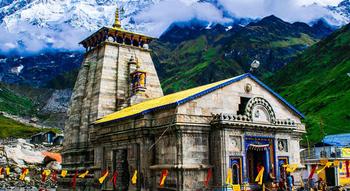
Kedarnath Jyotirlinga — Lord Shiva temple in Hemkund Same Day

Lord Shiva

  • Kedarnath, Uttarakhand
  • 198.3 km from Hemkund
  • 6:00 AM - 7:00 PM (Open May–November only. Completely closed in winter. 3,583 m altitude. Timings change by weather. BKTC manages the temple.)

Kedarnath Jyotirlinga

Kedarnath Temple, situated at an altitude of 3,583 meters (11,755 feet) in the Garhwal Himalayas of Uttarakhand, is the highest located Jyotirlinga. The temple is part of the famous Char Dham Yatra and Panch Kedar circuit. According to Hindu mythology, this is where the Pandavas sought Lord Shiva for forgiveness after the Kurukshetra war. The temple houses a triangular-shaped rock worshipped as Lord Shiva. Due to extreme weather conditions, the temple is only accessible from April to November. The temple survived the devastating 2013 floods, which is considered miraculous. The journey to Kedarnath involves a challenging trek, making it a test of devotion and physical endurance.

Travel Tip: By Road: Drive to Gaurikund via Rishikesh-Rudraprayag-Guptkashi route. From Gaurikund, 16 km trek required. Helicopter services available from Phata/Sersi. Physical fitness essential.

How to Reach Hemkund

Reach Hemkund by the nearest major railway station or state highway links, then keep the temple circuit local for the first day. For families and senior citizens, a hired cab or auto-rickshaw is easier than changing transport repeatedly. Start with the main temple before the crowd builds, pause for lunch near the city centre, and keep outer temples for the afternoon.

Best Time to Visit Hemkund Temples

October to March is the most comfortable season for temple visits in Hemkund. Summer afternoons can be tiring, so plan early morning darshan and keep a lighter second half of the day. Festival days are spiritually rewarding but busier; confirm timings, parking and local transport before starting.

Suggested trip plan

Hemkund Temple Darshan Itinerary

A curated day-wise route designed for optimal travel times and darshan timings. Adjust around your bookings.

Day 1 Darshan Route

1 shrine

Hemkund Temple FAQs

How many temples can I visit in Hemkund in one day? +
Most visitors can cover 4 to 6 temples in one day if they start early and keep the route within the city or nearby areas.
What is the best time to visit Hemkund temples? +
The cooler months from October to March are best. For daily darshan, early morning and evening are usually more comfortable than afternoon.
Is Hemkund suitable for a family temple trip? +
Yes. Keep the first day focused on the main city temples, use local transport, and avoid packing too many distant temples into one day.

Interactive Route Planner

Hemkund Temple Locations

Tap any temple to center the map, view driving routes, and get key details.

1

Badrinath Temple

Day 1 · 29 km

→
2

Kedarnath Jyotirlinga

Day 2 · 198 km

→
Day 1 Day 2 Day 3