Book Tomorrow Thursday Dakshina Murthy Abhishekam
Temples in Varanasi, Uttar Pradesh

Uttar Pradesh pilgrimage guide

Temples in Varanasi — Famous Temples & Complete Darshan Guide

Plan a practical Varanasi temple trip with 8 important temples, darshan-friendly routing, local travel tips and the best season for a peaceful pilgrimage.

8 curated temples Uttar Pradesh View map & route →

Last updated July 2026 · Curated by the Temples.bio editorial team

Quick answers

Which is the most famous temple in Varanasi?
Vishalakshi Devi Temple Varanasi is the most prominent temple in Varanasi. This guide covers 8 notable temples in and around Varanasi with timings, distances and a darshan route.
How many days do you need to visit Varanasi temples?
You can cover the main temples of Varanasi in about 2 days. Use the 1-day essential circuit for the key shrines, or the 2-day plan to include temples within 100 km.
What is the best time to visit Varanasi temples?
October to March is the most comfortable season for temple visits in Varanasi. Summer afternoons can be tiring, so plan early morning darshan and keep a lighter second half of the day. Festival days are spiritually rewarding but busier; confirm timings, parking and local transpor

Why Varanasi is a major temple destination

Varanasi is one of Uttar Pradesh's useful temple bases, combining well-known shrines with smaller neighbourhood temples that locals still visit for daily worship. The guide below is arranged for real travel: start with the most important temple, then add nearby shrines in an order that keeps the route simple.

The city carries a strong pilgrimage identity, so the best temple plan should not feel like a checklist. Devotees usually come here for blessings of Lord Shiva and Lord Rama, family welfare, ancestral prayers and a quieter connection with the region's sacred geography. The city also works well as a base for first-time visitors who want a balanced mix of famous temples and reachable local shrines.
Curated pilgrimage circuit

Temples to Visit Near Varanasi

Ordered by pilgrimage importance and practical travel distance from Varanasi.

Vishalakshi Devi Temple Varanasi — Goddess Vishalakshi (Parvati) temple in Varanasi Within City

Goddess Vishalakshi (Parvati)

  • Varanasi, Uttar Pradesh
  • Within Varanasi (Varanasi, Uttar Pradesh)
  • 5:00 AM - 9:00 PM (Mir Ghat, Varanasi. One of the Shakti Peethas. Coordinated with Kashi Vishwanath.)

Vishalakshi Devi Temple Varanasi

Vishalakshi Devi Temple in Varanasi, Uttar Pradesh, is one of the significant Shakti Peethas located in India's spiritual capital. According to Hindu mythology, this is where Sati's earrings fell during Shiva's cosmic dance. The temple is situated near the famous Kashi Vishwanath Temple, making it part of the sacred geography of Varanasi. Goddess Vishalakshi, meaning "one with large eyes," is worshipped for granting divine vision, wisdom, and spiritual insight. The temple's location in Varanasi, where dying is believed to grant moksha, adds to its spiritual significance.

Travel Tip: By Road: Connected from all major cities. By Train: Major railway junction. Located in old city, auto-rickshaw or walking required.

Sankat Mochan Hanuman Temple — Lord Hanuman temple in Varanasi Within City

Lord Hanuman

  • Varanasi, Uttar Pradesh, India
  • Within Varanasi (Varanasi, Uttar Pradesh, India)
  • 5:00 AM - 10:00 PM (Varanasi, Uttar Pradesh. Founded by Tulsidas (author of Ramcharitmanas) in 16th century. Lord Hanuman as Sankat Mochan (Remover of Troubles). Highly revered by Varanasi residents. Site of important puja on Tuesdays and Saturdays.)

Sankat Mochan Hanuman Temple

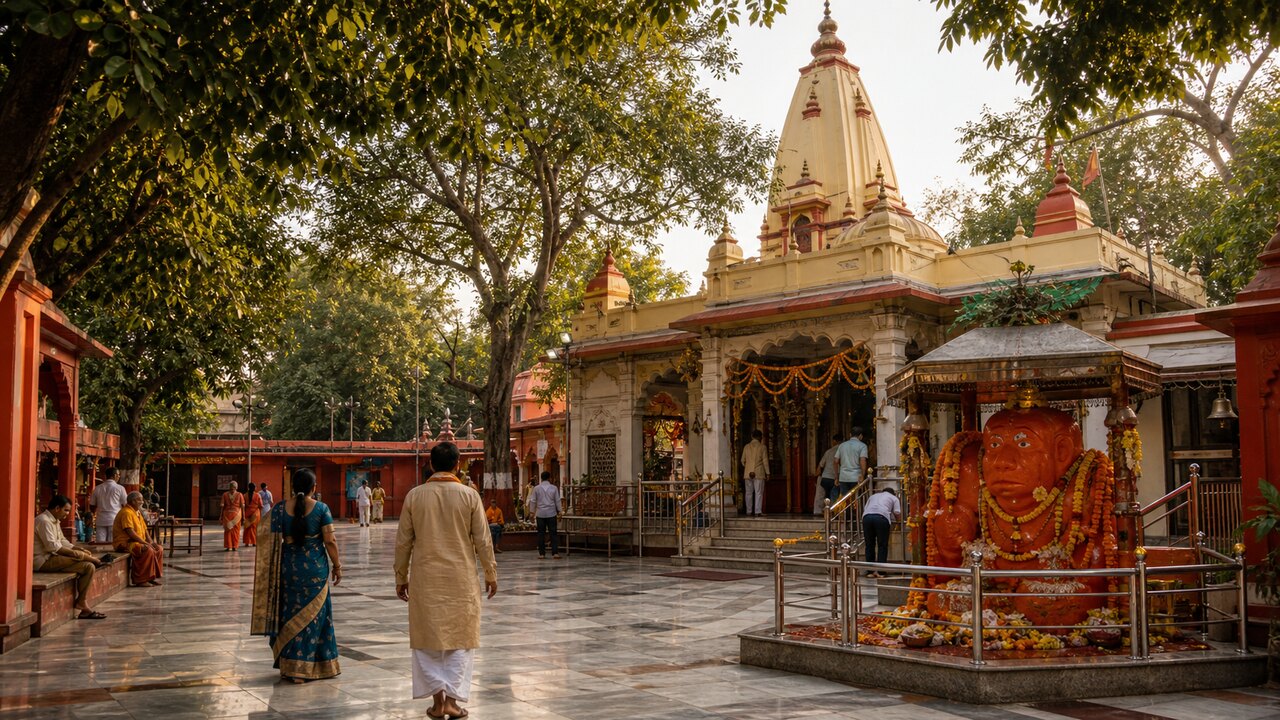
Sankat Mochan Hanuman Temple, situated in Varanasi near the Assi River, is a highly sacred shrine dedicated to Lord Hanuman. Founded by the saint-poet Goswami Tulsidas in the 16th century, the temple is deeply connected to the Ramcharitmanas tradition. The deity is worshipped as Sankat Mochan, the remover of difficulties, and the temple attracts millions of devotees seeking relief from problems, fear, and negative influences.

Travel Tip: Visit early morning or evening to avoid crowds; Tuesdays and Saturdays are especially crowded.

Kashi Vishwanath Jyotirlinga — Lord Shiva temple in Varanasi Within City

Lord Shiva

  • Varanasi, Uttar Pradesh
  • Within Varanasi (Varanasi, Uttar Pradesh)
  • 4:00 AM - 11:00 PM (New Corridor (2021) improved access. Kashi Vishwanath Temple Trust. Huge daily crowd — best early morning or late evening.)

Kashi Vishwanath Jyotirlinga

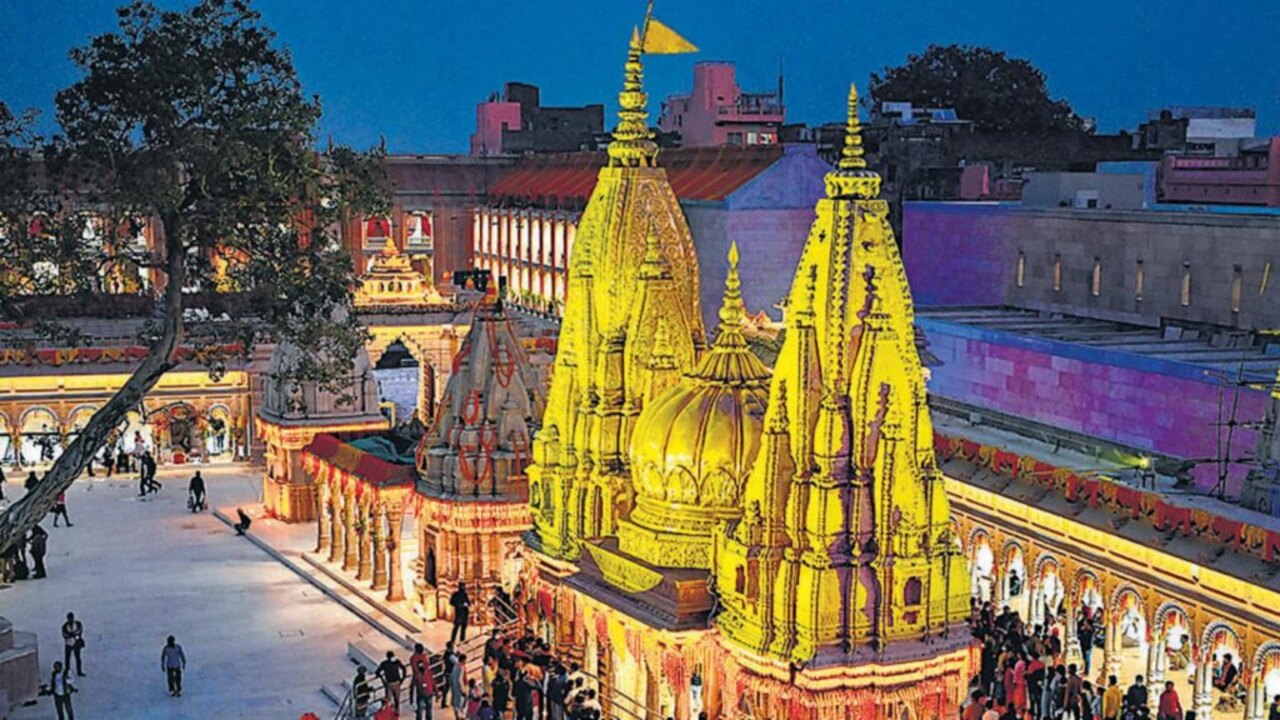
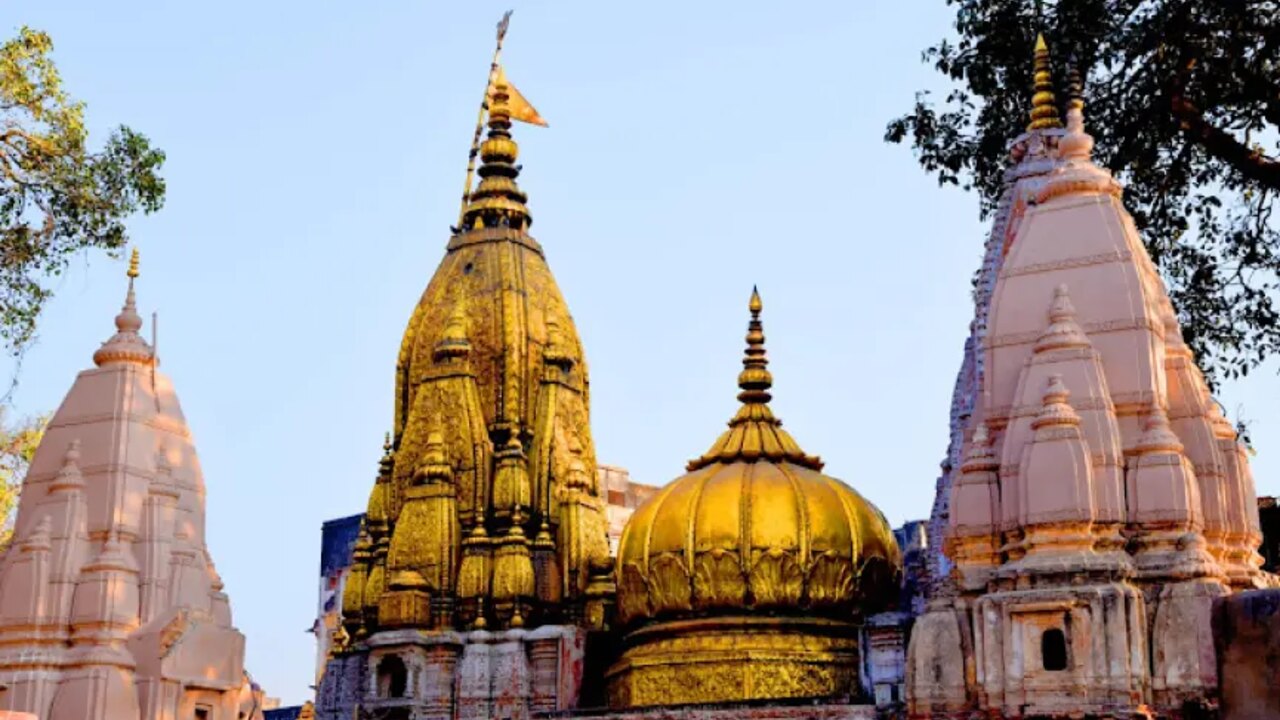
The Kashi Vishwanath Temple in Varanasi, Uttar Pradesh, is one of the most famous and spiritually significant Jyotirlingas. Located on the western bank of the holy Ganges River, this temple is dedicated to Lord Vishwanath (Shiva) as the ruler of the universe. Varanasi, also known as Kashi, is considered one of the oldest continuously inhabited cities in the world and the spiritual capital of India. The temple has been destroyed and rebuilt multiple times throughout history, with the current structure built by Queen Ahilyabai Holkar in 1780. The temple is famous for its golden spires and is believed to be the place where dying grants immediate moksha (liberation).

Travel Tip: By Road: Well connected by NH-2 and state highways. By Train: Major railway junction with trains from all over India. By Air: Direct flights from major cities.

Bade Hanuman Ji Temple — Lord Hanuman temple in Varanasi Same Day

Lord Hanuman

  • Prayagraj, Uttar Pradesh, India
  • 122.8 km from Varanasi
  • 5:00 AM - 10:00 PM (Sangam, Prayagraj, Uttar Pradesh. Unique reclining (Sleeping / Lait Hanuman) idol — partially submerged in the ground at Sangam (confluence of Ganga, Yamuna, Saraswati). The idol appears to grow and shrink with the river water level. Located at the most sacred Triveni Sangam. During Kumbh Mela, massive footfall.)

Bade Hanuman Ji Temple

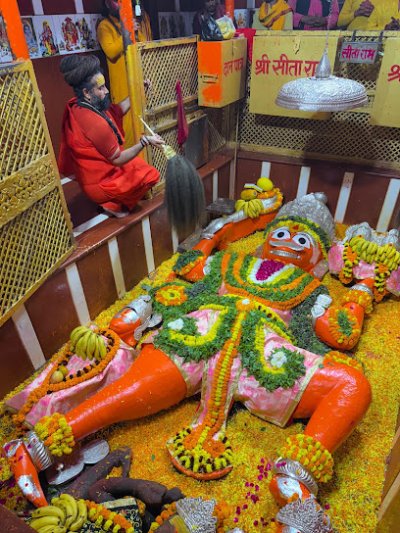
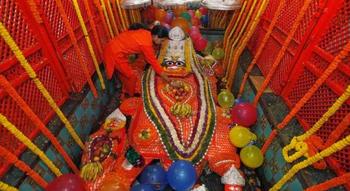
Bade Hanuman Ji Temple, located near the sacred Sangam area in Prayagraj, Uttar Pradesh, is renowned for its rare reclining (Sheshashayee) form of Lord Hanuman. Unlike most standing Hanuman idols, the deity here rests in a calm posture, symbolizing deep devotion and surrender to Lord Rama. The temple holds great importance during the Kumbh Mela and attracts lakhs of devotees seeking protection, strength, and spiritual peace.

Travel Tip: Visit early morning for peaceful darshan; crowds increase during Magh and Kumbh Melas.

Madhaveswari Devi Temple Prayagraj — Goddess Madhaveswari (Parvati) temple in Varanasi Same Day

Goddess Madhaveswari (Parvati)

  • Prayagraj, Uttar Pradesh
  • 123.6 km from Varanasi
  • 5:00 AM - 9:00 PM (Prayagraj, Uttar Pradesh. Located near Sangam. Two sessions. Extended during Kumbh.)

Madhaveswari Devi Temple Prayagraj

Madhaveswari Devi Temple in Prayagraj (formerly Allahabad), Uttar Pradesh, is a significant Shakti temple located in one of India's most sacred cities. The temple's proximity to the Triveni Sangam - the confluence of Ganga, Yamuna, and the mythical Saraswati rivers - adds immense spiritual power to the worship of Goddess Madhaveswari. The goddess is revered as a form of Parvati who grants devotees success in endeavors, harmony in relationships, and spiritual advancement. The temple plays an important role during the Kumbh Mela celebrations, attracting millions of pilgrims.

Travel Tip: By Road: Well connected from Delhi, Varanasi, and major UP cities. By Train: Major railway junction. River proximity access.

Lalita Devi Temple Prayagraj — Goddess Lalita (Parvati) temple in Varanasi Same Day

Goddess Lalita (Parvati)

  • Prayagraj, Uttar Pradesh
  • 128.6 km from Varanasi
  • 5:30 AM - 8:30 PM (Prayagraj. Shakti Peetha near Sangam area. Two sessions.)

Lalita Devi Temple Prayagraj

Lalita Devi Temple in Prayagraj (Allahabad), Uttar Pradesh, is dedicated to Goddess Lalita, one of the 10 Mahavidyas who represents the playful and benevolent aspect of the supreme divine mother. The temple's location in the sacred city of Prayagraj, near the confluence of holy rivers, adds to its spiritual significance. Goddess Lalita is worshipped for her ability to fulfill desires through divine play (Lila) and for granting joy, happiness, and playful abundance in devotees' lives. The temple attracts devotees seeking happiness, fulfillment of desires, and experiencing the joyful aspect of divinity.

Travel Tip: By Road: Well connected from major UP cities. By Train: Major railway junction. Easy city access.

Annapurna Devi Temple — Goddess Annapurna temple in Varanasi Within City

Goddess Annapurna

  • Vishwanath Gali, Varanasi, Uttar Pradesh
  • Within Varanasi (Vishwanath Gali, Varanasi, Uttar Pradesh)

Annapurna Devi Temple

Annapurna Devi Temple honours the goddess of nourishment and abundance. It is traditionally visited as part of the Kashi Vishwanath old-city circuit.

Travel Tip: Visit on foot with the Kashi Vishwanath circuit and follow current old-city security rules.

Durga Kund Temple — Goddess Durga temple in Varanasi Within City

Goddess Durga

  • Durga Kund, Varanasi, Uttar Pradesh
  • Within Varanasi (Durga Kund, Varanasi, Uttar Pradesh)

Durga Kund Temple

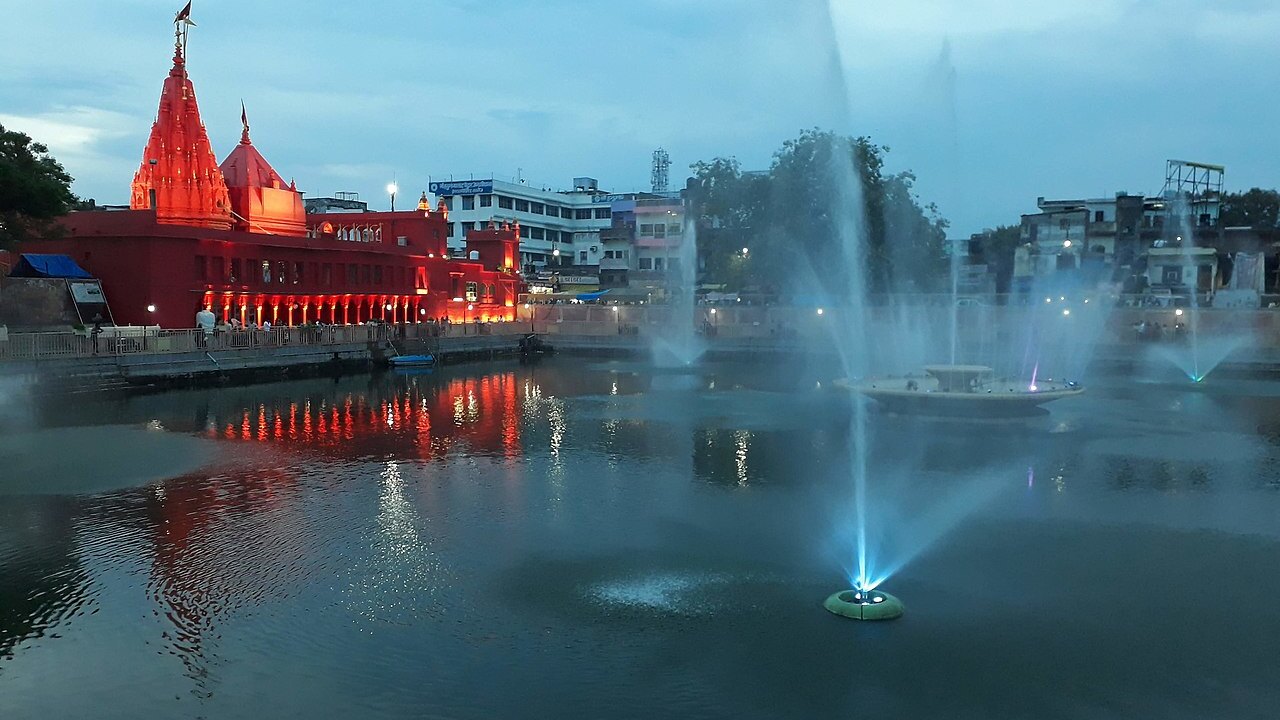
Durga Kund Temple is an important Shakti shrine in southern Varanasi. Its striking red exterior, sacred pond and active worship make it a valuable stop alongside Sankat Mochan.

Travel Tip: Combine the visit with nearby Sankat Mochan and arrive early on Tuesdays or during Navratri.

How to Reach Varanasi

Reach Varanasi by the nearest major railway station or state highway links, then keep the temple circuit local for the first day. For families and senior citizens, a hired cab or auto-rickshaw is easier than changing transport repeatedly. Start with the main temple before the crowd builds, pause for lunch near the city centre, and keep outer temples for the afternoon.

Best Time to Visit Varanasi Temples

October to March is the most comfortable season for temple visits in Varanasi. Summer afternoons can be tiring, so plan early morning darshan and keep a lighter second half of the day. Festival days are spiritually rewarding but busier; confirm timings, parking and local transport before starting.

Suggested trip plan

Varanasi Temple Darshan Itinerary

A curated day-wise route designed for optimal travel times and darshan timings. Adjust around your bookings.

Varanasi Temple FAQs

How many temples can I visit in Varanasi in one day?
Most visitors can cover 4 to 6 temples in one day if they start early and keep the route within the city or nearby areas.
What is the best time to visit Varanasi temples?
The cooler months from October to March are best. For daily darshan, early morning and evening are usually more comfortable than afternoon.
Is Varanasi suitable for a family temple trip?
Yes. Keep the first day focused on the main city temples, use local transport, and avoid packing too many distant temples into one day.

Interactive Route Planner

Varanasi Temple Locations

Tap any temple to center the map, view driving routes, and get key details.

1

Vishalakshi Devi Temple Varanasi

Day 1 · 6 km

2

Sankat Mochan Hanuman Temple

Day 1 · 6 km

3

Kashi Vishwanath Jyotirlinga

Day 1 · 6 km

4

Bade Hanuman Ji Temple

Day 2 · 122 km

5

Madhaveswari Devi Temple Prayagraj

Day 2 · 123 km

6

Lalita Devi Temple Prayagraj

Day 2 · 128 km

7

Annapurna Devi Temple

Day 1 · Within city

8

Durga Kund Temple

Day 1 · 1 km

Day 1 Day 2 Day 3