Sri Arulmigu Oppiliappan Swamy Temple (Thiru Vinnagar)
✓
Sri Arulmigu Oppiliappan Swamy Temple (Thiru Vinnagar)
✓
📍 Thiru Vinnagar, Thanjavur, Tamil Nadu
International SignificanceThe 14th Divya Desam at Thiru Vinnagar is celebrated as the elder brother to Tirupati Balaji, where all divine naivedyams are prepared completely saltless (Uppili) in eternal fulfillment of the Lord's marriage vow.

🕒 Practical Information
🕉️ Spiritual Details
Sri Oppiliappan (Nindra Kolam)
Moolavar: Sri Oppiliappan / Thiru Vinnagarappan (Nindra Kolam / Standing posture facing East with Charama Shloka inscribed on right Abhaya palm); Utsavar: Ponnappan, Maniappan, Muthappan, Enappan; Thayar: Bhoomidevi Thayar (Seated at the Lord's lotus feet); Vimanam: Suddhananda Vimanam; Theertham: Ahoratra Pushkarini; Pratyaksham: Sage Markandeya, King Upacharisravas.
🕉️ Divine Snapshot
Sri Oppiliappan (Nindra Kolam)
Sannathi Street, Oppiliappan Koil, Thirunageswaram, Kumbakonam Taluk, Thanjavur District, Tamil Nadu 612204, India
Spiritual Highlights
UNVERIFIED
UNVERIFIED
Offering salt-free food naivedyams, offering silver and gold eyes, tonsuring hair in fulfillment of vows.
UNVERIFIED
About Sri Arulmigu Oppiliappan Swamy Temple (Thiru Vinnagar)
Sri Oppiliappa Perumal Temple at Thiru Vinnagar (Thirunageswaram near Kumbakonam, Tamil Nadu) is the 14th Divya Desam. Glorified in 47 pasurams by Peyalvar, Thirumangai Alvar, and Nammazhwar, it is universally revered as the Annan Kovil (elder brother's shrine) of Tirumala Venkateswara: pilgrims who cannot fulfill vows at Tirupati are permitted to fulfill them here with equal sanctity.
The sthala purana narrates that Sage Markandeya discovered infant Bhoomidevi beneath a sacred Tulasi plant and raised Her as his daughter. When Lord Vishnu appeared disguised as an elderly, impoverished brahmin asking for Her hand, Markandeya hesitated, pleading that his young daughter did not even know how to season food with salt (Uppu). Undeterred, the Lord vowed: "Even if she cooks without salt, I shall relish it as divine ambrosia!" When the Lord revealed His cosmic form, Markandeya joyfully wedded Bhoomidevi to Him. Honoring that divine covenant, all foods and prasadams offered in this temple are prepared without even a grain of salt, yet possess an exquisite, unparalleled taste.
The Lord's right hand displays the Abhaya Mudra inscribed with the profound Charama Shloka of the Bhagavad Gita ("Ma Suchaha" - Do not grieve, surrender unto Me). The temple tank, Ahoratra Pushkarini, is unique because holy baths are permitted day and night without restriction.
Architecture & Heritage
Dravidian Architecture (Medieval Chola structural construction with extensive Nayak expansions (10th–16th century CE))
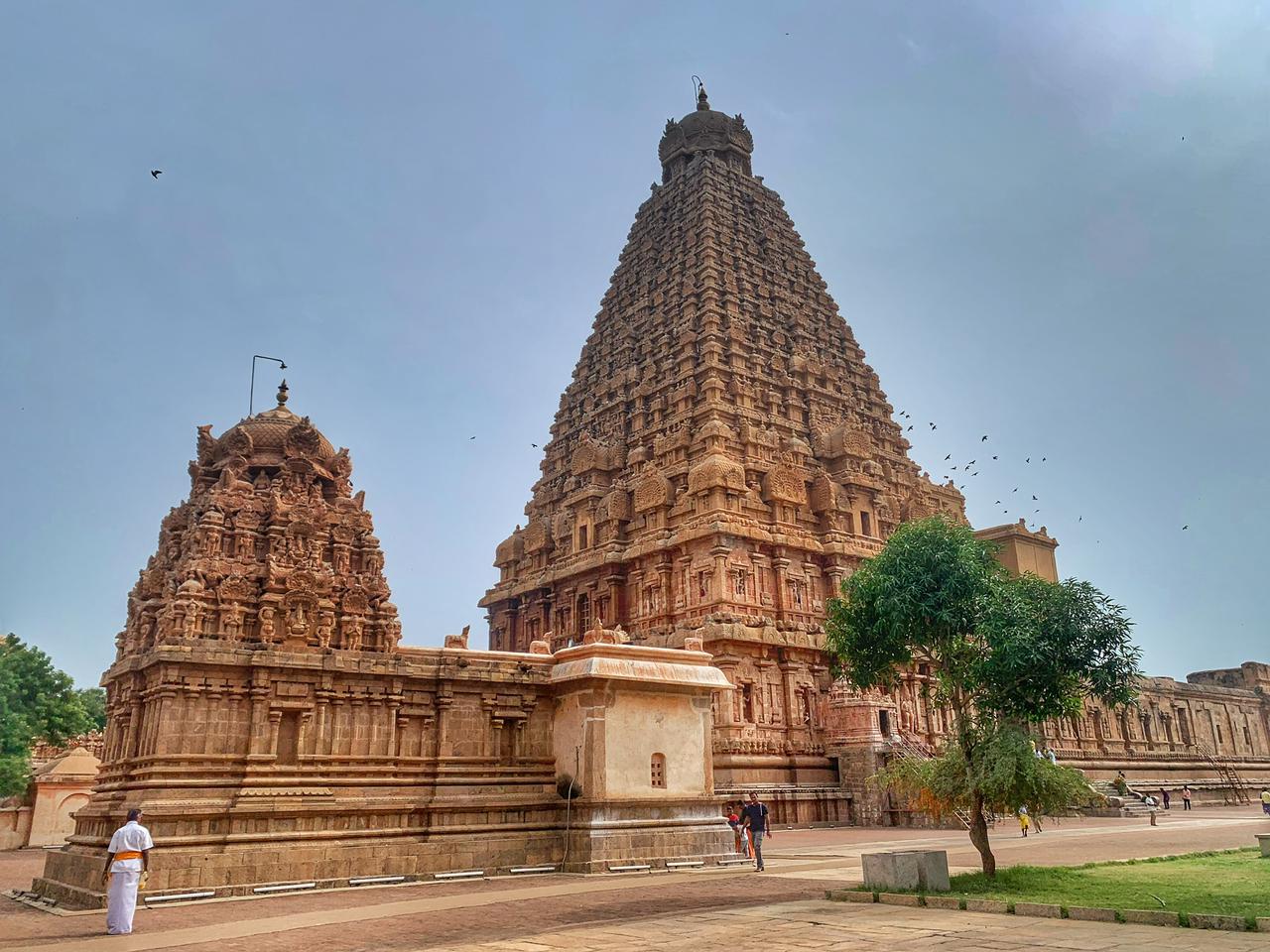
Five-tier Rajagopuram, Suddhananda Vimanam, broad pillared mandapams, Ahoratra Pushkarini (where bathing is permitted day and night).
Inscription on the Lord's palm displaying the Carama Shloka verse of the Bhagavad Gita.
Rituals & Traditions
Six daily kalas; all naivedyams, sweets, and savory preparations are cooked without salt.
Panguni Brahmotsavam, Aippasi Thirukalyanam, and monthly Sravana deepam observances.
Salt-free Pongal, Salt-free Puliyodarai, Salt-free Dosai, Chakkarai Pongal.
Visitor Guidelines
Traditional dress code strictly enforced: Dhoti/Kurta for men; Saree or Chudidhar with Dupatta for women.
Spacious stone courtyards with smooth paved walkways and ramps; easily accessible for elderly pilgrims and wheelchair users.
Tour Packages in Kumbakonam
Explore popular pilgrimage & tour packages starting from Kumbakonam
Kumbakonam One Day Navagraha Temple Tour Package
2 Days 1 Night Navagraha Temple Tour – Kumbakonam
1 Day Navagraha Temple Tour – Kumbakonam
Frequently Asked Questions
🕉️ Divine Snapshot
Sri Oppiliappan (Nindra Kolam)
Goddess Bhoomidevi Thayar (Seated at Moolavar feet), Sage Markandeya Sannidhi, Sri Ramanuja Sannidhi, Swami Vedanta Desikan Sannidhi, Nammazhwar Sannidhi, Thirumangai Alvar Sannidhi, Chakrathazhwar Sannidhi, Sri Anjaneya Sannidhi
Sannathi Street, Oppiliappan Koil, Thirunageswaram, Kumbakonam Taluk, Thanjavur District, Tamil Nadu 612204, India
How to Reach
Tiruchirappalli International Airport (TRZ) (approx 98 km)
Tirunagesvaram Railway Station (TRM) (approx 1.5 km)
Oppiliappan Kovil Bus Stop (approx 0.2 km)