Sri Sunkulaparameswari Devatha Temple
📍 K. Nagalapuram Village, Kodumur Mandal, Kurnool District
A highly respected village guardian shrine located in K. Nagalapuram, Andhra Pradesh, dedicated to Goddess Sunkulaparameswari. The temple serves as the spiritual heart of the local community, protecting residents from hardships and ensuring regional prosperity.

🕒 Practical Information
🕉️ Spiritual Details
Goddess Sri Sunkulaparameswari Devatha
Sunkulamma Ammavaru, Grama Devata Parvati manifestation
🕉️ Divine Snapshot
Goddess Sri Sunkulaparameswari Devatha
Sri Sunkulaparameswari Devatha Temple, K. Nagalapuram Village, Kodumur Mandal, Kurnool District, Andhra Pradesh 518463, India
Spiritual Highlights
Alleviating severe planetary afflictions, curing chronic cattle ailments, breaking dark magic hexes, and bestowing domestic peace upon distressed households.
Local residents firmly believe that no negative epidemic or destructive pest infestation can cross the physical borders of K. Nagalapuram village due to the active spiritual boundary cast by Goddess Sunkulaparameswari. It is also believed that applying the sacred temple vermilion paste to sick family members initiates rapid physiological healing.
Pilgrims regularly cook fresh pots of sweet rice and jaggery (Bonalu) inside the temple courtyard to present as a direct thanksgiving token. Devotees also offer colorful silk sarees, traditional glass bangles, and coconuts, often walking barefoot from neighboring settlements to fulfill heavy spiritual vows.
Total elimination of sudden family tragedies, clear progression in agricultural trade ventures, protection from sudden accidents, and the mental securement of inner courage.
About Sri Sunkulaparameswari Devatha Temple
The Sri Sunkulaparameswari Devatha Temple stands as a prominent example of rural folk heritage and classic village deity (Grama Devata) worship in the Western Rayalaseema region. Dedicated to Goddess Sunkulaparameswari, who is affectionately addressed by locals as Goddess Sunkulamma, the shrine represents a powerful localized manifestation of Goddess Parvati. Architecturally, the temple complex features a traditional regional layout with a colorful multi-tiered entrance tower (Gopuram) and a compact main sanctum designed to accommodate thousands of congregating rural worshippers. Over the decades, the temple structures have been expanded through collaborative community contributions, successfully preserving the ancient folk rituals and theatrical art forms that characterize the rich spiritual ecosystem of the Kurnool border belt.
Festivals & Celebrations
Grand community feast distribution (Annadanam) schemes and vehicle blessing rituals are conducted routinely during all auspicious seasonal family events.
Visitor Guidelines
Clean and modest Indian traditional attire is highly appreciated. Sarees, half-sarees, or churidars are requested for women, while dhotis, kurtas, or formal shirts and trousers are preferred for men. Overly revealing garments, shorts, or sports tank tops are restricted from the main darshan queue.
The temple pathways are constructed entirely on flat, ground-level village terrain, allowing easy, barrier-free movement for senior citizens and individuals utilizing wheelchairs.
Nearby Temples (22)
Within about 200 km driving distance from Sri Sunkulaparameswari Devatha Temple. Plan a yatra and cover as many of these as you can.
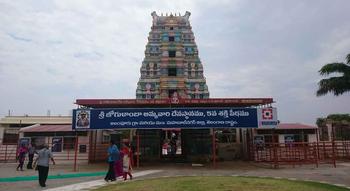
Jogulamba Devi Temple Alampur
Alampur, Telangana
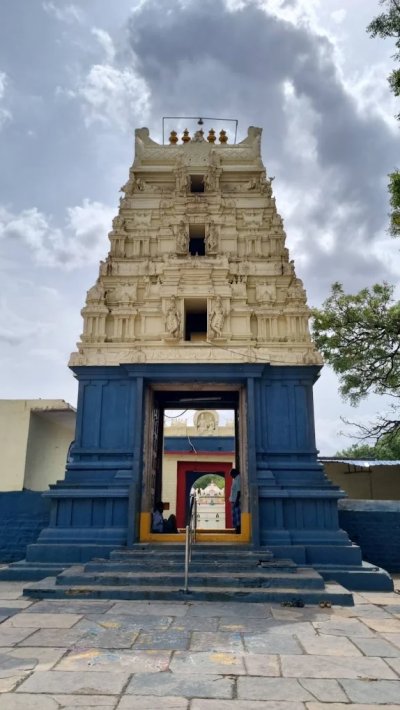
Sri Bugga Rameswara Swamy Temple, Kalvabugga
Kalvabugga(V), Orvakal (M), Kurnool Dt.
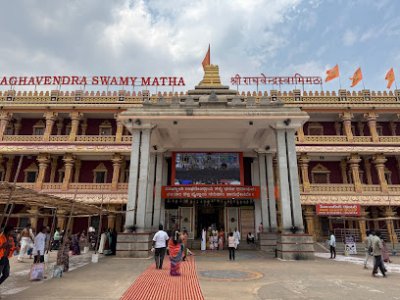
Mantralayam Raghavendra Swamy Mutt
Mantralayam, Kurnool District, Andhra Pradesh
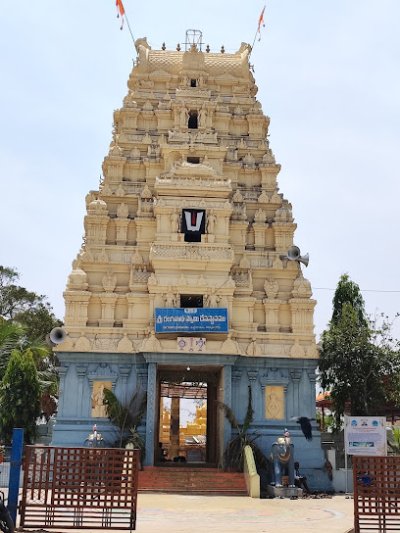
Sri Ranganatha Swamy Temple, Peravali
Peravali Village, Maddikera East Mandal, Andhra Pradesh
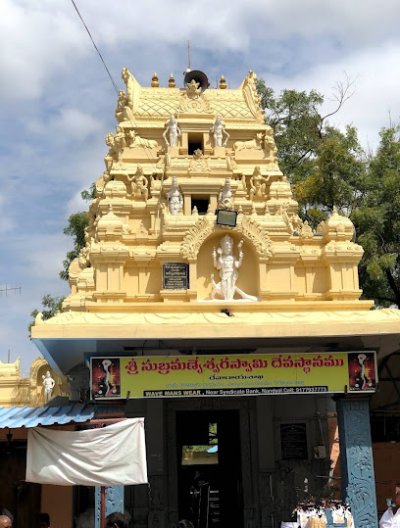
Sri Valli Devasena Sameta Subrahmanyeswara Swamy Temple S.Kottur
Subbaraaya Kotturu (S. Kottur) Village, Panyam Mandal, Nandyal District
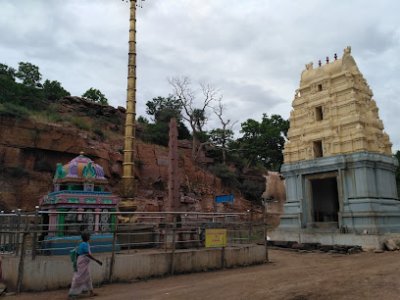
Sri Maddileti Narasimha Swamy Temple
R.S.Rangapuram, Bethamcherla
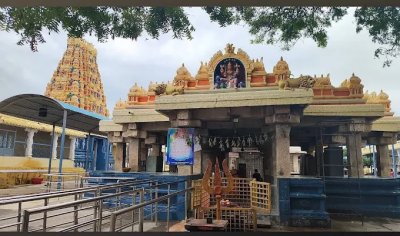
Sri Chowdeswari Devi Temple
Nandavaram, Banaganapalli, Nandyal
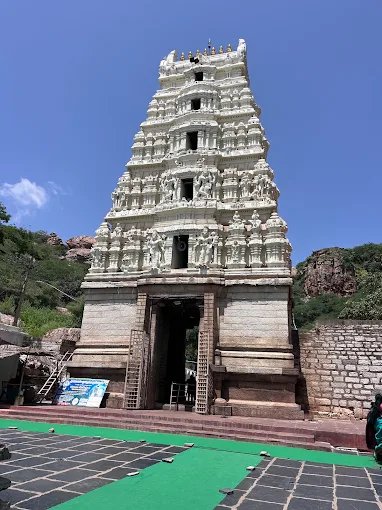
Sri Umamaheswara Swamy Temple
Yaganti (V), Banaganapalli (M)
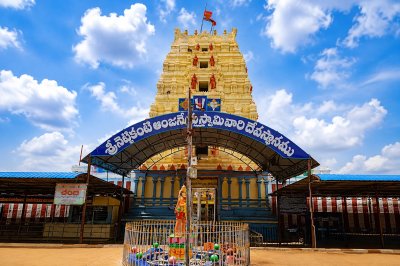
Sri Nettikanti Anjaneya Swamy Vari Devasthanam
Kasapuram
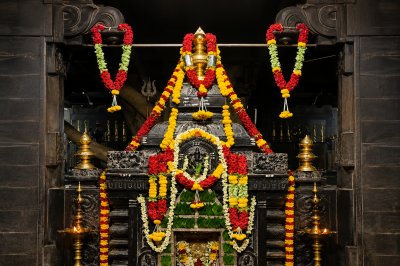
Sri Narasimha Eranna Swamy Devasthanam
Urukunda, Kurnool
Frequently Asked Questions
🕉️ Divine Snapshot
Goddess Sri Sunkulaparameswari Devatha
Sri Pothuraju, Secondary Protective Village Guardian Statues
Sri Sunkulaparameswari Devatha Temple, K. Nagalapuram Village, Kodumur Mandal, Kurnool District, Andhra Pradesh 518463, India
How to Reach
Kurnool Airport (KJB) at Orvakal – ~40 km
Kurnool City Railway Station (KRNT) – ~19 km
Kurnool APSRTC Bus Stand – ~18 km
The temple village sits comfortably connected via regional rural roads branching off the main Kurnool-Bellary highway, with local auto-rickshaws and shared transit options regularly tracking between Kurnool city and K. Nagalapuram.