About Lohri
Last updated:
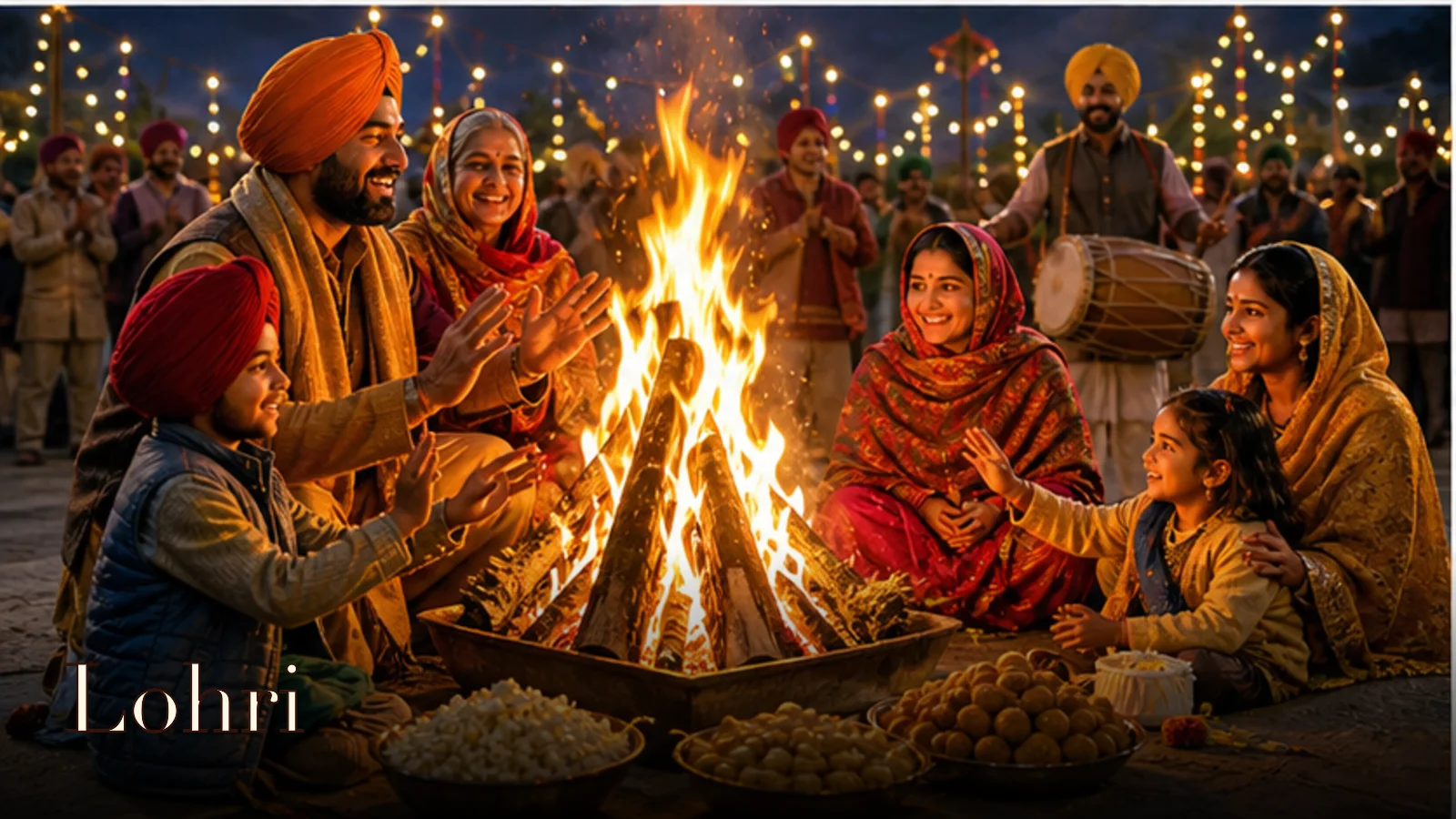
Lohri is a popular festival celebrated by Punjabi people of Sikh faith as well as Hindu faith. Lohri is mainly Sikh festival however the day of Lohri is decided based on Hindu calendar. Lohri is closely linked to Hindu festival Makara Sankranti and it is celebrated one day before of that. Lohri is also known as Lohadi or Lal Loi. According to the Hindu calendar, there are twelve Sankrantis in a year, which are listed in this article. The transit of the Sun from one zodiac sign to another is known as Sankranti. The days of Sankranti are considered very auspicious to perform charity and fasting Makar Sankranti is a popular Hindu festival which is dedicated to Lord Surya. Lord Surya illuminates the entire universe. Makar Sankranti is considered extremely auspicious for all kind of religious activities like charity, Homa and taking holy dip, etc.
Deities worshipped on Lohri
Follow the links to explore each deity’s mantras, stories, and temples on Temples.bio.
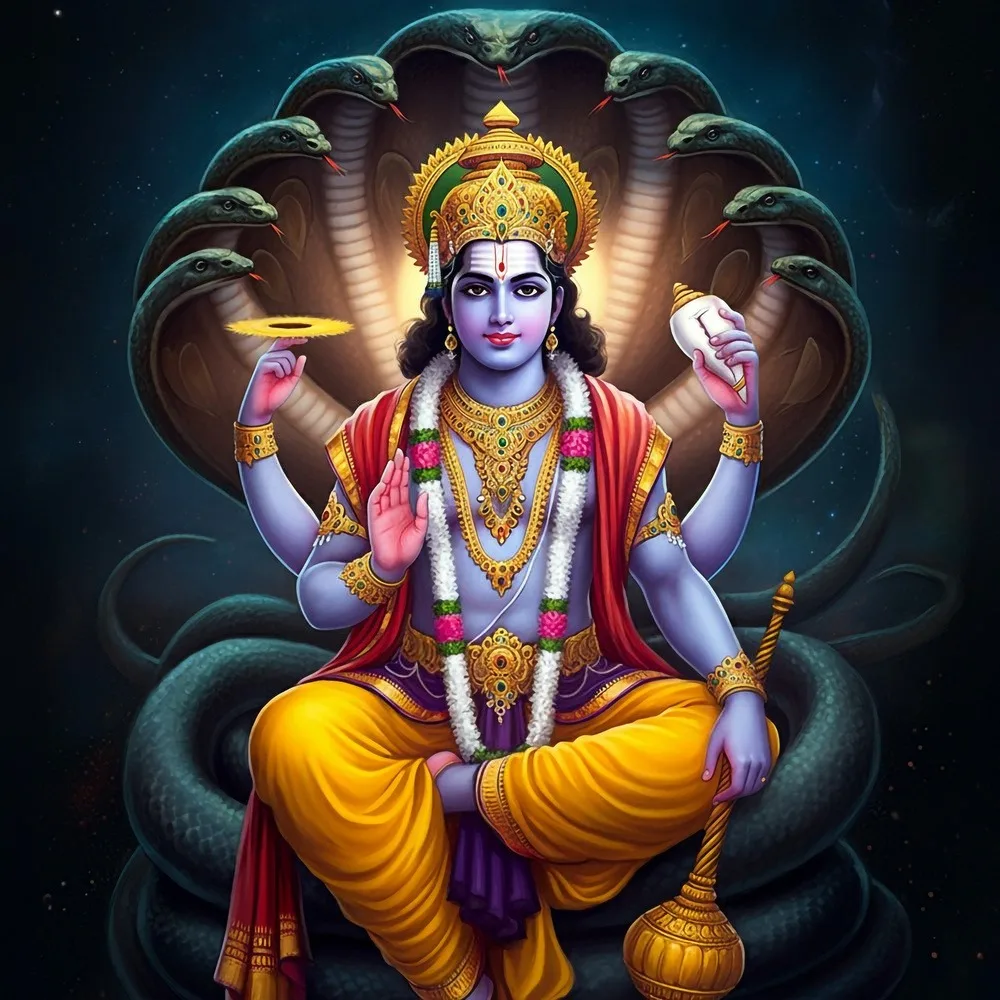
Lohri's presiding deities reflect the festival's roots in nature-worship and Vedic tradition:
Surya Deva (Sun God): Surya is the supreme deity of Lohri, as the entire festival revolves around the sun's northward journey (Uttarayan) beginning around this time. Surya is one of the most ancient of the Vedic Adityas, the giver of light, warmth, health, and agricultural abundance. Makar Sankranti (the next day) is explicitly a sun festival marking the sun's entry into Capricorn (Makara), and Lohri is its evening celebration. Surya is propitiated through the bonfire — fire being the earthly manifestation of the sun's energy.
Agni Deva (Fire God): Agni is one of the most important Vedic deities, invoked in every sacred ceremony as the intermediary between humans and gods. In the Rigveda, Agni is the divine priest who carries offerings from earth to the heavens. The Lohri bonfire is an Agni-worship ceremony — offerings tossed into the fire are believed to reach all devas through Agni's sacred mouth. The crackling fire at Lohri thus fulfills the ancient Vedic injunction of maintaining the sacred fire as an act of cosmic sustenance.
Dulla Bhatti (Folk Hero): While not a deity in the classical sense, Dulla Bhatti (Rai Abdullah Khan Bhatti) is revered almost like a patron saint of Lohri in Punjab. He was a 16th-century Punjabi rebel hero during Akbar's reign who robbed the rich and helped the poor, and famously rescued girls from slave traders. His folk ballads are an essential part of Lohri worship.
How to celebrate Lohri 2026
According to the Hindu calendar, there are twelve Sankrantis in a year, which are listed in this article. The transit of the Sun from one zodiac sign to another is known as Sankranti. The days of Sankranti are considered very auspicious to perform charity and fasting Makar Sankranti is a popular Hindu festival which is dedicated to Lord Surya. Lord Surya illuminates the entire universe. Makar Sankranti is considered extremely auspicious for all kind of religious activities like charity, Homa and taking holy dip, etc. A detailed description has been given about the fourday Makar Sankranti festivities. Under the fourday Makar Sankranti festival, events like Ganga Sagar Mela, Uttarayan, Vasi Uttarayan, Makaravilakku, Pedda Panduga, Kanuma Panduga and Mukkanuma are celebrated.
Spiritual benefits
- The Lohri bonfire purifies the atmosphere and the participants, burning away accumulated negative energies, sins, and ill-luck of the past year as the old solar cycle ends.
- Tossing til and gur into the fire as offerings to Agni and Surya attracts solar blessings of vitality, strength, and radiant health for the coming year.
- Families that celebrate first Lohri after a new marriage or birth with full traditional ceremony invite divine protection and abundant blessings upon the new couple or new life.
- The communal celebration of Lohri deepens community bonds, fosters goodwill among neighbors, and generates collective positive energy that benefits everyone in the community.
- The singing of Dulla Bhatti songs and folk ballads connects celebrants to the living heritage of Punjab, fostering cultural pride, identity, and rootedness.
- Distributing prasad (til-gur, rewari, gajak) on Lohri generates the merit of Anna Daana (gift of food), one of the highest forms of charity in the Hindu tradition.
- Beginning the new solar period (post-Uttarayan) with prayer, fire worship, and community celebration sets an auspicious, joyful tone for the entire year ahead.
Mantras & sacred chants
ॐ सूर्याय नमः
(Om Suryaya Namah)
Meaning: Salutations to Lord Surya, the radiant sun god, giver of light, life, warmth, and sustenance. This mantra is chanted while offering til and gur into the Lohri bonfire, honoring the sun as it begins its northward journey.
ॐ अग्नये नमः
(Om Agnaye Namah)
Meaning: Salutations to Lord Agni, the sacred fire deity, divine intermediary between humans and gods, purifier of all. This mantra is chanted while lighting the Lohri bonfire and making offerings into the fire.
सुंदर मुंढारिए हो! तेरा कौन विचारा हो!
दुल्ला भट्टी वाला हो! दुल्ले धी वियाही हो!
(Sundar Mundhariye Ho! Tera Kaun Vichara Ho! Dulla Bhatti Wala Ho! Dulle Dhi Viyahi Ho!)
Meaning: O beautiful Mundhari! Who thinks of you? Dulla Bhatti is here! Dulla's daughter is being married! This is the iconic opening of the Dulla Bhatti folk song, traditionally sung in a call-and-response style around the Lohri bonfire. It celebrates the legendary hero Dulla Bhatti who rescued poor girls and arranged their weddings with dignity.
Lohri 2026 — FAQs
Lohri 2026 is on January 13, the night before Makar Sankranti (January 14). It is a fixed date on the solar calendar and falls on January 13 every year.
Lohri marks the end of the winter solstice period and celebrates the sun's northward journey (Uttarayan). It is a harvest thanksgiving festival where farmers in Punjab and Haryana honor the sun (Surya) and fire (Agni) for sustaining the rabi crop through winter and pray for an abundant harvest.
Dulla Bhatti (Rai Abdullah Khan Bhatti) was a 16th-century Punjabi Robin Hood figure who robbed the Mughal rich and helped the poor. He famously rescued girls from slave traders and arranged their marriages with dignity. His folk ballads are sung around the Lohri bonfire as a tribute to his heroism.
Offerings tossed into the Lohri bonfire include til (sesame seeds), gur (jaggery), popcorn, peanuts (moongphali), rewari (sesame-jaggery sweets), and gajak. These are offered to Agni and Surya while circling the bonfire clockwise.
Traditional Lohri foods include sarson da saag (mustard greens curry) with makki di roti (cornmeal flatbread), fresh white butter, jaggery, til laddoos, gajak, rewari, and kheer — all foods associated with Punjab's winter harvest.
The first Lohri after a wedding is celebrated as a major milestone for the new couple. The bride wears bridal clothing, and a special bonfire is lit in the couple's honor with family and community gathered to bless the new marriage.
Lohri (January 13, evening) is a Punjabi folk festival celebrated with bonfires, songs, and community gathering, primarily in Punjab and Haryana. Makar Sankranti (January 14) is a pan-India Hindu solar festival marking the sun's entry into Capricorn, observed through kite flying, til-gur offerings, and holy dips in rivers. They are consecutive festivals sharing the solar transition theme.
Children go door to door in the days before Lohri singing traditional Lohri folk songs and collecting til, gur, and small amounts of money as Lohri offerings — a custom called Lohri Maangna. Refusing them is considered inauspicious. On Lohri night, children dance around the bonfire, eat prasad, and enjoy the community festivities.