Panchangam — August 20, 2026
India · IST · Lahiri ayanamsha · Hyderabad reference
In short
On August 20, 2026 (India, IST), the tithi is Shukla Paksha Ashtami; nakshatra Vishakha; Rahu Kalam 1:54 PM – 3:29 PM; Abhijit Muhurta 11:54 AM – 12:44 PM.
Panchangam for August 20, 2026 at a glance
| Tithi | Shukla Paksha Ashtami |
|---|---|
| Nakshatra | Vishakha |
| Yoga | Indra |
| Karana | Vishti (Bhadra) |
| Vara (weekday) | Thursday · Guruvara |
| Rahu Kalam | 1:54 PM – 3:29 PM |
| Abhijit Muhurta | 11:54 AM – 12:44 PM |
| Sunrise | 5:58 AM |
| Sunset | 6:40 PM |
Rahu Kalam
1:54 PM – 3:29 PM
Avoid starting new or auspicious work
Abhijit Muhurta
11:54 AM – 12:44 PM
Auspicious muhurta — ideal for important work
Thursday · Guruvara
Shukla Paksha Ashtami
till 9:18 PM, then Navami
August 20, 2026
Auspicious timings
Pre-dawn — japa, study, meditation
Midday fallback for any good beginning
Favoured for starting a journey
Twilight around sunset
Morning sandhya
Evening sandhya
Inauspicious timings
Avoid new tasks, deals and journeys
Inauspicious eighth of the day
Generally avoided for new ventures
Inauspicious muhurtas of daylight
Avoid marriage, griha pravesh, new business
Sun & Moon
Day length 12h 41m
The five limbs
Tithi, Nakshatra, Yoga, Karana & Vara for this sunrise-to-sunrise day.
Calendar context
- Paksha
- Shukla Paksha
- Surya Rashi
- Simha
- Chandra Rashi
- Vrishchika
- Ayana
- Dakshinayana
- Madhyahna
- 12:19 PM
Spiritual significance
Thursday is traditionally associated with Lord Vishnu, Brihaspati, and teachers.
Ashtami is associated with Durga in Shukla paksha and with Krishna Janmashtami / Kalashtami in Krishna paksha.
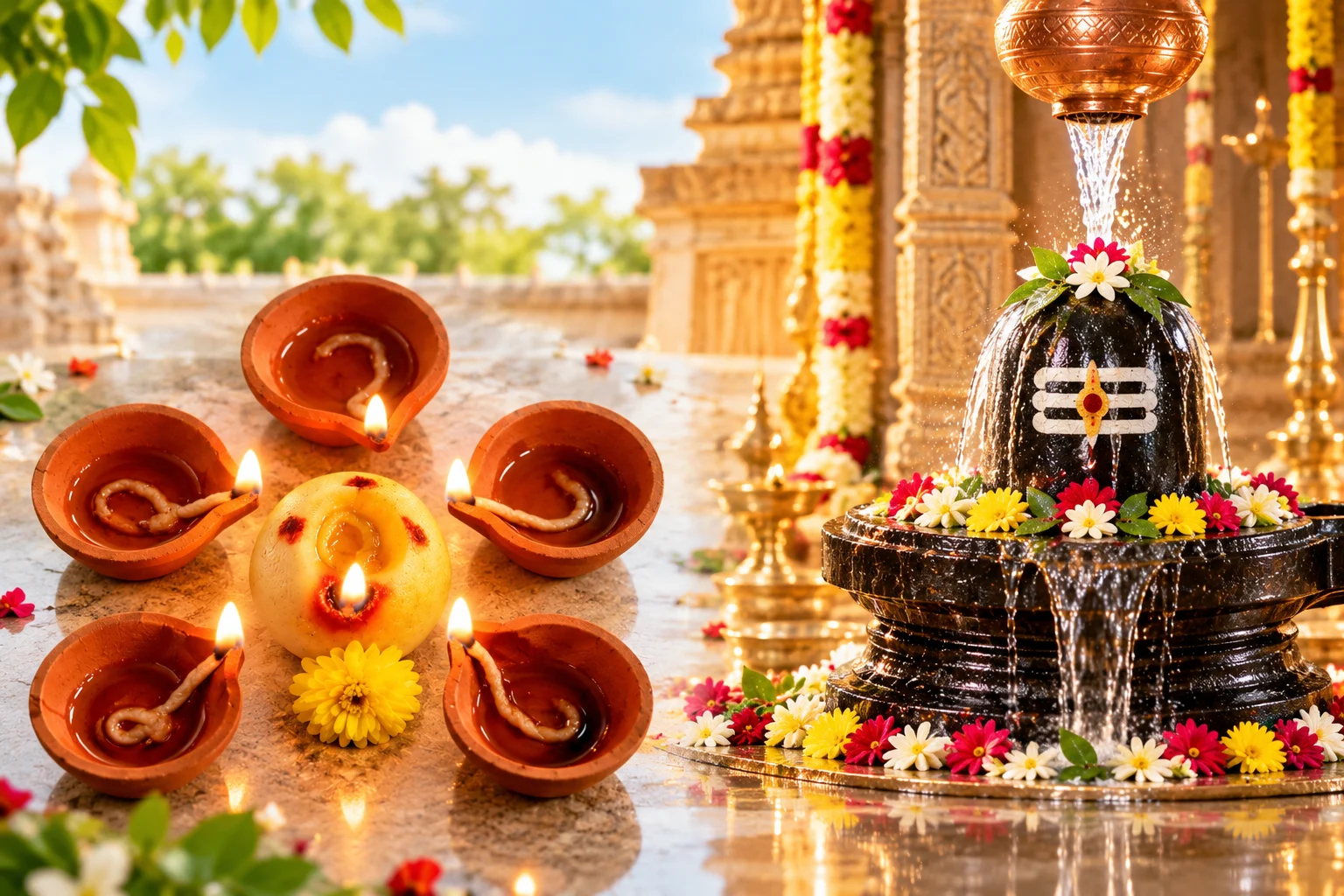
Devotees may light a ghee lamp and offer prayers according to their family tradition.
Today's mantras
-
Shantakaram Bhujaga-shayanam...Vishnu · 11 times
How this is calculated
Timings are computed with the Drik (observational) method using the Lahiri (Chitra-paksha) ayanamsha, for India (IST) with Hyderabad as the reference location. Sunrise- and sunset-based windows — Rahu Kalam, Choghadiya and the muhurtas — are derived from the day's actual sunrise and sunset, so they shift a few minutes by city.
Marriage, housewarming, naming or a purchase — get a personalised date & time reviewed by a priest.
- Doshas & exceptions considered
- Reviewed by an experienced priest
- Delivered on WhatsApp
Upcoming festivals
- Shravana Putrada Ekadashi Aug 23
- Sawan Somwar Aug 24
- Damodara Dwadashi Aug 24
- Mangala Gauri Aug 25
- Onam Aug 26
- Rigveda Upakarma Avani Avittam Aug 26
- Hayagriva Jayanti Aug 27
- Yajurveda Upakarma Avani Avittam Aug 27
How to read Panchangam
Panchangam is the Vedic clock for a given place and date. The five limbs — Tithi, Vara, Nakshatra, Yoga and Karana — are computed from the positions of the Sun and Moon (Lahiri ayanamsha). Festival dates follow tithi; naming and many sankalpas recite all five limbs.
Muhurta windows such as Rahu Kalam and Abhijit are sliced from local sunrise to sunset, so they move by a few minutes from city to city. This page uses Hyderabad, India (IST) as the reference. Tithi and Nakshatra end times are astronomical and stay close across the country.
Frequently asked questions
Is August 20, 2026 a good day?
On August 20, 2026, the tithi is Shukla Paksha Ashtami; the nakshatra is Vishakha; Rahu Kalam (inauspicious) is 1:54 PM – 3:29 PM; the favourable Abhijit Muhurta is around 11:54 AM – 12:44 PM. Prefer auspicious windows (such as Abhijit Muhurta and Brahma Muhurta) and avoid Rahu Kalam, Yamagandam and Gulika Kalam for new beginnings.
What is the tithi on August 20, 2026?
The tithi on August 20, 2026 is Shukla Paksha Ashtami (Hindu lunar day, Hyderabad/IST reference).
Which nakshatra is on August 20, 2026?
The nakshatra (star) on August 20, 2026 is Vishakha.
What is the Rahu Kalam on August 20, 2026?
Rahu Kalam on August 20, 2026 is 1:54 PM – 3:29 PM (IST, Hyderabad reference). Avoid starting journeys, contracts or auspicious rites in this window.
What is Panchangam?
Panchangam (Panchang) is the Vedic almanac. The name means “five limbs”: Tithi (lunar day), Vara (weekday), Nakshatra (lunar mansion), Yoga, and Karana. Together they describe the quality of a civil day for ritual, fasting, and choosing muhurta.
How do I read today’s five limbs?
Start with Tithi and Nakshatra — most vratas and festivals follow the lunar day, and many naming or travel customs follow the star. Then check Yoga and Karana (half-tithi). Vishti Karana, also called Bhadra, is traditionally avoided for new beginnings. Vara is the weekday from one sunrise to the next.
Why do sunrise and Rahu Kalam differ by city?
Panchang timings are computed for a geographic location. This page uses Hyderabad (India, IST) as the reference. Sunrise, sunset, and the eightfold day-division (Rahu Kalam, Yamagandam, Gulika, Abhijit) shift by a few minutes across India. Tithi and Nakshatra end times are astronomical and stay close nationwide.
What is Rahu Kalam?
Rahu Kalam is an inauspicious 90-minute window each day, placed in a different eighth of daylight by weekday. It is customarily avoided for starting journeys, contracts, or auspicious rites. Daily puja already underway need not be stopped.
What is Abhijit Muhurta?
Abhijit is the eighth muhurta of the daylight period, around local noon. It is considered inherently favourable and is the usual fallback when no other shubh muhurta is available for beginning important work.