Hindu Deity
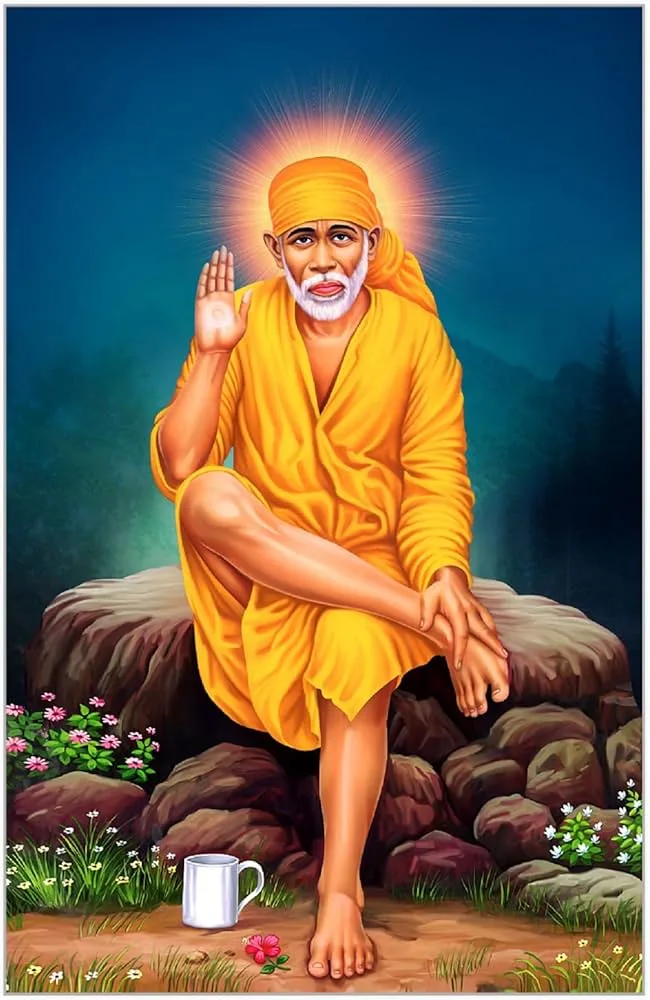
Shirdi Sai Baba
The saint of Shirdi who lived beyond the boundaries of religion — teaching that love, faith, and patience are the only true path to God.
"Shraddha aur Saburi — Faith and Patience. These two words contain the entire teaching of Sai Baba."
Overview
Shirdi Sai Baba was a spiritual master who lived in the small village of Shirdi in Maharashtra from approximately the mid-19th century until his mahasamadhi (conscious passing) on October 15, 1918. He is one of the most widely venerated saints in India today — worshipped by Hindus, Muslims, and people of every faith. His origin, caste, and religion remain unknown by his own deliberate choice, for his entire life was a living teaching that God is beyond all such distinctions. Sai Baba lived in a dilapidated mosque he called Dwarkamai, wore a torn kafni robe, kept a perpetually burning sacred fire (dhuni), and spent his days healing the sick, feeding the hungry, and quietly guiding sincere seekers toward God. He never wrote a book, never established a formal religion, and never claimed to be anything other than a servant of God. Yet in the century since his passing, he has become one of the most beloved spiritual figures in India — his Shirdi temple receiving more visitors annually than almost any other religious site in the country.
Origin & History
The true origins of Sai Baba remain one of the great mysteries of Indian spiritual history — and this was entirely by his own design. He was first noticed in Shirdi around 1858 as a young man of approximately 16 years, sitting under a neem tree in deep meditation. The local villagers were struck by his remarkable spiritual radiance. He disappeared from Shirdi for about a year and then returned permanently, never leaving the village again for over 60 years. His parentage, birthplace, caste, and religion were never confirmed. When asked directly, he would deflect with cryptic or evasive answers. Some accounts in the Sai Satcharita suggest he may have had Brahmin origins and been raised by a Sufi Muslim fakir, but Sai Baba himself never confirmed this. He lived in the Dwarkamai mosque yet maintained a sacred Hindu dhuni, quoted from both the Quran and Hindu scriptures, and called God by both Allah and Ram interchangeably. He insisted always that there is only one God and all religions reach him. His two core instructions — Shraddha (faith) and Saburi (patience) — were simple, universal, and deeply practical. He was known to materialize objects, cure the incurably ill, appear simultaneously in multiple locations, and know the private thoughts of those who came to him. He accepted all — rich and poor, Hindu and Muslim, scholar and illiterate — with the same absolute equality. Sai Baba took mahasamadhi on October 15, 1918 — a day that coincided with Vijayadashami — foretelling his own passing to devotees days in advance.
Legends & Famous Stories
The Miraculous Oil Lamps
When the shopkeepers of Shirdi refused to give Sai Baba oil for his lamps, he calmly poured water into the empty tin containers, drank some, and used the remaining water to light and sustain the lamps all night. The shopkeepers witnessed this themselves and fell at his feet in repentance. This well-documented event in the Sai Satcharita was the first major miracle that established his divine nature in the eyes of the village.
Grinding Away the Cholera
During a cholera epidemic in Shirdi, Sai Baba was found grinding wheat on a hand-mill at dawn. The puzzled villagers were then asked to take the flour to the village boundary and spread it across the four roads. Within days, the epidemic completely stopped. The village elders understood that Sai was not grinding wheat — he was grinding away the disease itself. This event is documented in detail in the Sai Satcharita.
Appearing in Multiple Places
Multiple authenticated accounts in the Sai Satcharita record Sai Baba appearing physically to devotees in distant cities — Mumbai, Pune, and beyond — giving precise guidance, warnings, and comfort while his physical body remained in Shirdi, as confirmed by witnesses present there. These simultaneous appearances were reported by independent devotees who had no prior knowledge of each other s experiences.
The Brick of Dwarkamai
Throughout his life in Shirdi, Sai Baba rested against an old brick in Dwarkamai — it was his constant companion. One day the brick fell accidentally and broke. Sai Baba was visibly affected and said the brick had been with him since his earliest days. This deeply human moment — a divine being attached to a simple broken brick — revealed the warmth, humility, and intimate simplicity at the heart of his extraordinary nature.
Foretelling His Own Mahasamadhi
Days before October 15, 1918, Sai Baba gave clear indications to his close devotees that he would soon leave his body. He distributed his few possessions, gave specific instructions for after his passing, and on the morning of Vijayadashami he breathed his last while sitting upright, leaning against a devotee — exactly as he had described. His passing was as conscious and deliberate as everything else in his life.
Worship & Rituals
Kakad Aarti at Dawn
The first aarti of the day — traditionally performed at 5:15 AM when Sai Baba would be woken each morning. Devotees recreate this aarti at home at dawn. The Kakad Aarti hymns are among the most beautiful compositions in the Sai tradition and set a profound devotional tone for the day.
Sai Satcharita Parayana
Reading the Sai Satcharita — the authentic account of Sai Baba s life written by his devotee Hemadpant (Govind Raghunath Dabholkar) — is the central devotional practice. A seven-day parayana (one chapter per day) or Thursday reading is believed to resolve persistent life problems and deepen one s connection with Baba.
Anna Daan — Feeding the Poor
Sai Baba s most important instruction was to feed the hungry. He himself cooked large quantities of food in Dwarkamai and distributed it to all who came. Offering cooked food in Sai Baba s name and distributing it to the poor on Thursdays is considered the most direct way of worshipping him — more powerful than any ritual.
Udhi Application & Aarti
Udhi — the sacred ash from the dhuni that has burned in Dwarkamai since Sai Baba s time — is the primary prasad. Applied to the forehead with faith, it is believed to carry Baba s protective energy. The five aartis performed daily at Shirdi (Kakad, Madhyan, Dhoop, Sej, and Shej Aarti) are recreated by devotees worldwide.
Mantras & Prayers
Om Sai Ram
Om Sai Ram
The most widely used Sai invocation — merging Om (the primordial sound), Sai (the saint), and Ram (God). Chanted continuously as japa, it is the most universal and accessible prayer to Sai Baba across all traditions, religions, and backgrounds.
Om Sainathaya Namah
Om Sainathaya Namah
The dhyan (meditation) mantra of Sai Baba. Chanted 108 times especially on Thursdays for divine guidance, removal of obstacles, and the deepening of faith and surrender. Sainath means Lord Sai — the Sai who is the Lord of all.
Sai Gayatri Mantra
Om Shirdi Vasaya Vidmahe Sachidanandaya Dhimahi Tanno Sai Prachodayat
The Gayatri mantra invoking Sai Baba as the divine consciousness residing in Shirdi. Chanted for spiritual clarity, inner peace, and grace in all aspects of life. Sachidananda means existence-consciousness-bliss — the nature of the divine.
Shraddha aur Saburi
Shraddha aur Saburi
Not a Sanskrit mantra but Sai Baba s own words in simple Hindi — Faith and Patience. He called these two qualities the complete path. Shraddha: total faith in God and Guru. Saburi: patient endurance without anxiety. Repeating these words consciously is itself a form of deep meditation on his teaching.
Festivals & Celebrations
Sai Baba Mahasamadhi
Vijayadashami · October 15
The most sacred day in the Sai calendar — October 15, 1918, when Sai Baba consciously left his body. The Shirdi Sai Baba Sansthan conducts special pujas, abhishekams, and the entire Sai Satcharita is recited. Millions of devotees visit Shirdi in the days surrounding this observance.
Ram Navami at Shirdi
Ram Navami · March–April
Ram Navami is observed at Shirdi as a founding festival of the Sai tradition. Sai Baba himself encouraged and blessed this celebration at Dwarkamai — uniquely blending Hindu and Sufi Muslim practices in a single festival, perfectly reflecting his own nature and teaching.
Thursday Puja
Every Thursday · Year Round
Thursday (Guruvar — day of the Guru) is the most sacred weekly day for Sai Baba. Devotees read the Sai Satcharita, light lamps, visit Sai temples, and distribute food to the poor. The Shirdi temple sees its largest weekly gatherings on Thursdays. This observance is practised by millions of Sai devotees across India and the world.
Shirdi Urs
Varies — Islamic lunar calendar
The Urs (death anniversary in Sufi tradition) is observed at Shirdi in recognition of Sai Baba s deep connection to the Sufi Muslim tradition. Qawwali, dhikr (remembrance of God), and communal langar (free food) mark this observance — one of the most beautiful expressions of Sai Baba s inter-religious legacy.
Best Days to Worship
Thursday
Most Auspicious Day
Why This Day?
Thursday (Guruvar) is the day of the Guru — and Sai Baba is regarded above all as the supreme Guru, the divine teacher. This tradition was established by Sai Baba s early devotees and strongly encouraged by Baba himself. The Shirdi temple sees its largest weekly gathering on Thursdays. Sai Baba promised that those who observe Thursday sincerely — reading the Satcharita, distributing food, and chanting his name — would find their difficulties resolved.
🌸 Offerings
Yellow flowers, garland of roses or jasmine, incense (sandal or rose fragrance), coconut, fruits, cooked food (rice and dal) to distribute to the poor, ghee lamp or sesame oil lamp
🪔 Rituals
Light a ghee lamp, read one chapter of Sai Satcharita, chant Om Sai Ram or Om Sainathaya Namah 108 times, visit Sai temple if possible, distribute food or prasad to the poor or needy in Baba s name — this last act is considered the most important of all
✨ Benefits
Removal of obstacles, resolution of long-standing problems, divine guidance and protection, fulfilment of sincere prayers, and a deepening of the inner peace and faith that Sai Baba calls Shraddha and Saburi
Benefits of Worship
Fulfilment of sincere prayers — Sai Baba is known to respond to genuine calls for help
Protection from harm, accidents, and unexpected dangers in daily life
Relief from financial hardship and restoration of material stability
Healing of illness — Sai Baba was documented to cure those given up by doctors
Deep inner peace and freedom from anxiety, worry, and mental suffering
Resolution of family conflicts, relationship problems, and domestic difficulties
Spiritual guidance and clarity about one s true path in life
The direct experience of unconditional love — Sai Baba s greatest and most consistent gift
Famous Temples of Shirdi Sai Baba
No temples found for Shirdi Sai Baba.
Regional Variations
Maharashtra (Shirdi)
Sainath / Sai Maharaj
Shirdi in Ahmednagar district is the living centre of Sai devotion. The Shirdi Sai Baba Sansthan Trust manages the temple complex which receives between 25,000 and 100,000 pilgrims daily, making it one of the most visited and wealthiest temples in India. The dhuni in Dwarkamai — lit by Sai Baba — still burns to this day.
Andhra Pradesh & Telangana
Sai Baba
Sai devotion is exceptionally strong across Telugu-speaking states. Hundreds of Sai temples exist in both states. Thursday Sai puja at home is a near-universal practice in Telugu households. The states contribute among the highest numbers of pilgrims to Shirdi annually.
Tamil Nadu & Karnataka
Sai Baba
Tamil Nadu has a large and deeply devoted Sai following with Sai temples in virtually every city and town. The Sai Satcharita has been translated into Tamil and is widely read. Thursday aartis at home are practised widely. Karnataka similarly has a strong tradition of Sai devotion particularly in Bangalore and Mysuru.
North India
Sai Baba / Sai Nath
Delhi, Mumbai, and major North Indian cities have large Sai temples with significant Thursday gatherings. Sai bhajans and weekly satsangs are common across urban neighbourhoods. The message of Shraddha and Saburi resonates deeply in the Hindi-speaking belt where Sai Baba s own words in simple Hindi remain powerful and accessible.
Global Diaspora
Shirdi Sai Baba
The Indian diaspora has carried Sai devotion worldwide. Sai temples and satsang groups exist across the USA, UK, Canada, Australia, Singapore, UAE, and Europe. Sai Baba s message of universal love, his historical reality, and his non-denominational teaching make him one of the few Indian saints who has genuinely attracted devoted followers from non-Indian backgrounds as well.
Frequently Asked Questions
Shirdi Sai Baba Stotrams & Chalisas
Read the lyrics and meaning of Shirdi Sai Baba hymns, with audio and free PDF downloads.
Related Pages
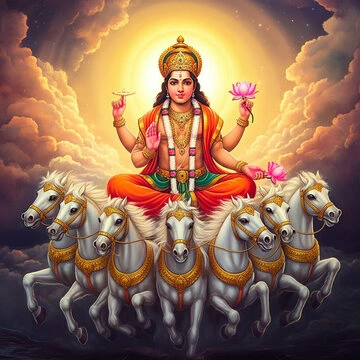
Surya Deva
The God of the Sun, Source of All Light and Life — the visible form of the divine that sustains every living being on Earth every single day.
Learn more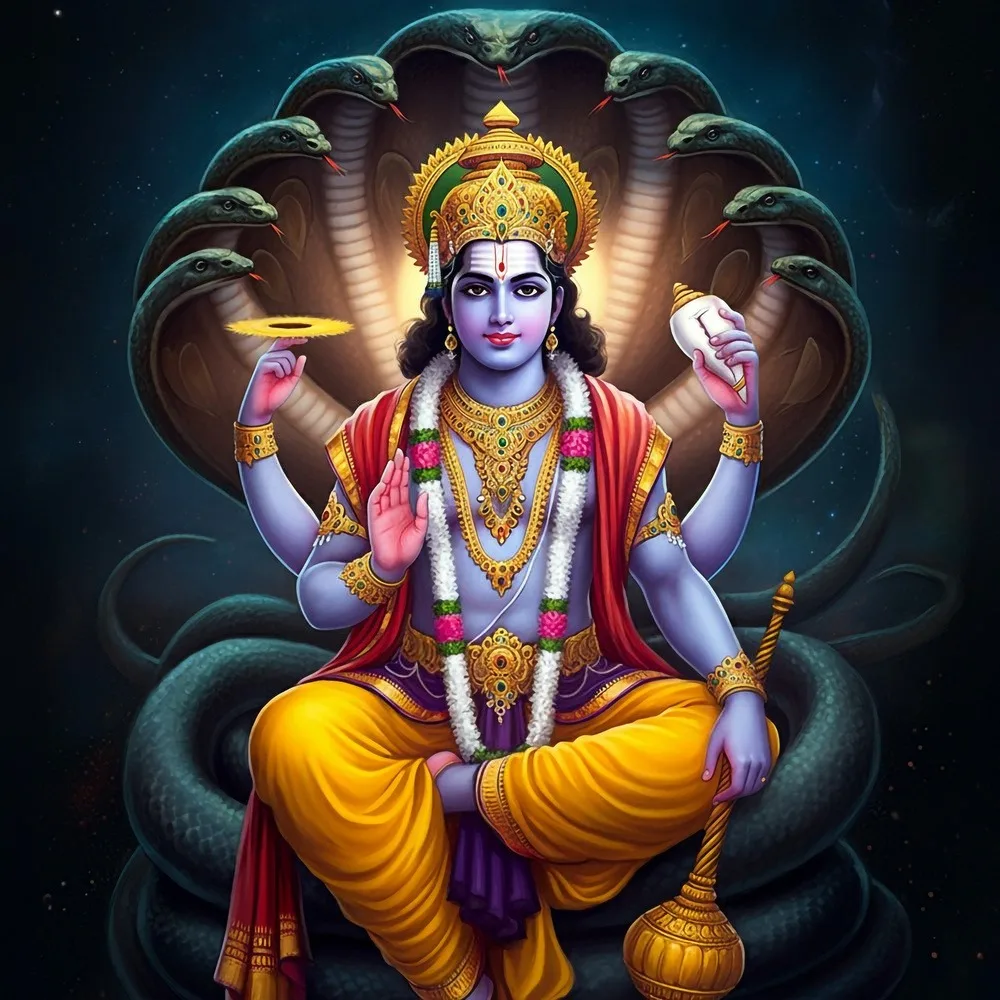
Lord Krishna
The Preserver of the Universe — the all-pervading Supreme Being who descends to Earth in divine avatars whenever righteousness declines and evil rises.
Learn more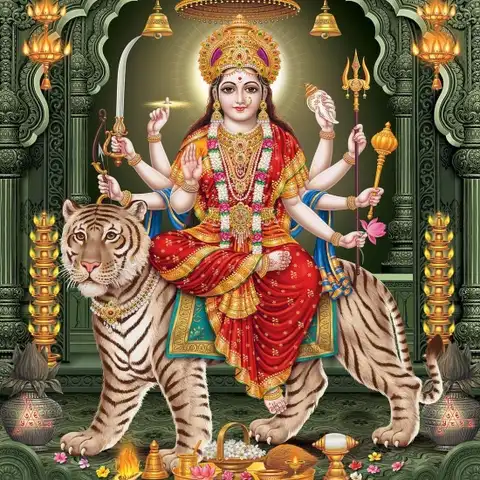
Goddess Saraswati
The Invincible Mother Goddess — Supreme Feminine Power who destroys evil, protects the righteous, and embodies the divine energy of the entire universe.
Learn more