Hindu Deity
Lord Shiva
The Supreme Destroyer and Transformer of the Universe — The Adiyogi, Lord of Lords, and the First Yogi.
"Om Namah Shivaya — I bow to Lord Shiva, the eternal consciousness within all beings."
Overview
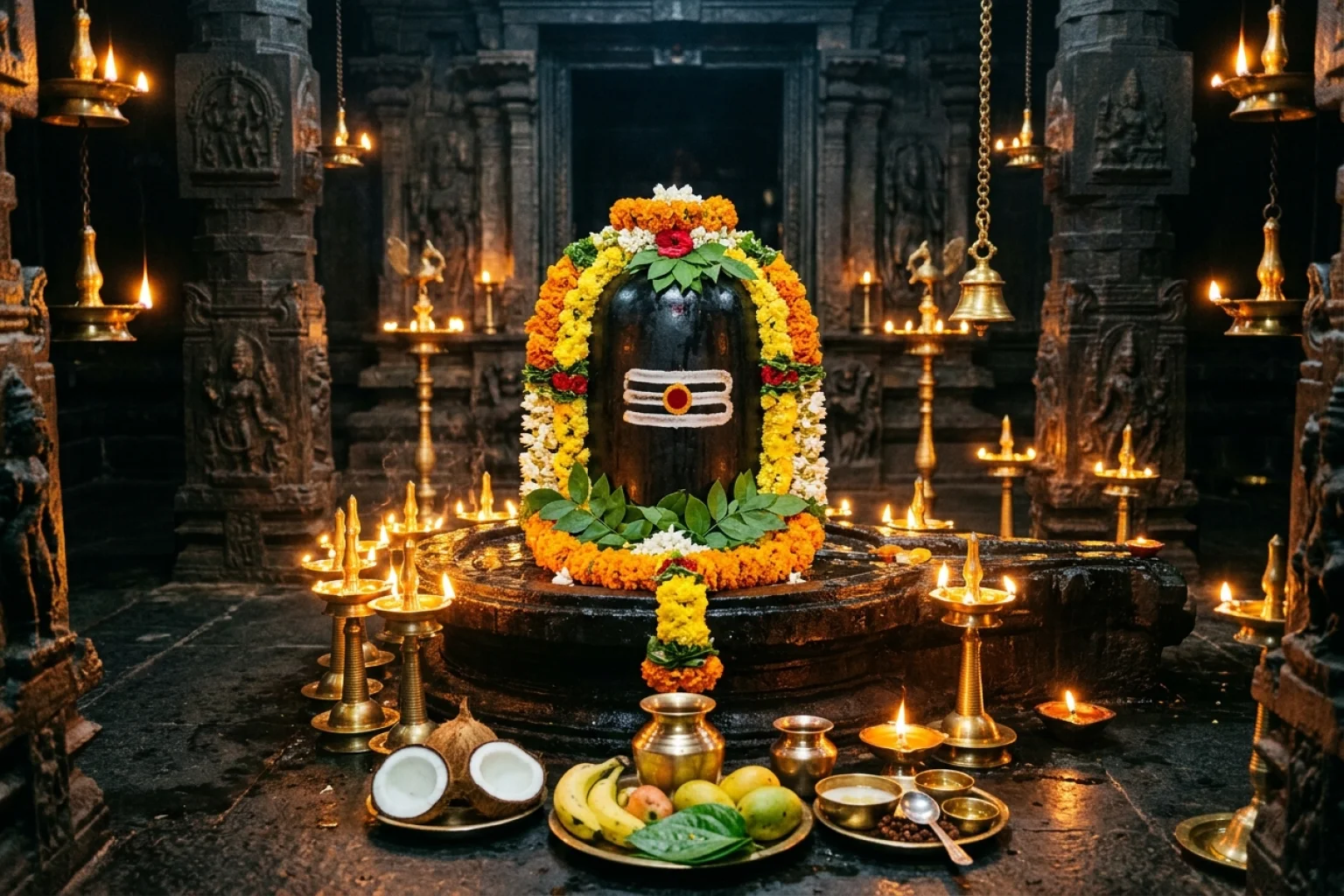
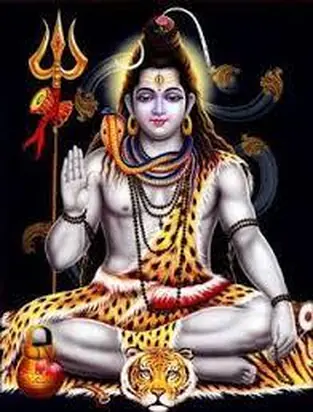
Lord Shiva is one of the principal deities of Hinduism and is considered the Supreme Being in Shaivism. He is part of the Holy Trinity (Trimurti) alongside Brahma (the Creator) and Vishnu (the Preserver), where Shiva takes the role of the Destroyer and Transformer. Known by 1008 names, Shiva is worshipped across every region of India and by hundreds of millions of devotees worldwide. He is simultaneously the God of destruction and regeneration — for it is only through the dissolution of the old that the new can emerge. Shiva is the Adiyogi — the first yogi — who is said to have transmitted the science of yoga to humanity. He is worshipped in his abstract form as the Shivalinga, one of the most ancient and sacred symbols in all of religious history.
Origin & History
Lord Shiva is considered Swayambhu — self-born — with no beginning and no end. Unlike Brahma and Vishnu who emerged from the cosmic order, Shiva is the cosmic order itself. He is described in the Vedas as Rudra, the fierce storm deity, and gradually evolved into the supreme Mahadeva worshipped today. According to the Puranas, Shiva resides on Mount Kailash in the Himalayas with his consort Parvati and their children Ganesha and Kartikeya. He is the husband of Sati (who was reborn as Parvati) and his grief at Sati s death is said to have shaken the entire cosmos. Shiva is depicted as the Adiyogi — the first yogi who transmitted the knowledge of yoga to the Saptarishis (seven sages). He holds the sacred river Ganga in his matted locks, having caught her in his hair to prevent the world from being destroyed by her descent from the heavens. His third eye — the eye of wisdom — is said to have destroyed Kamadeva and can annihilate the universe when opened in anger. Yet this same Shiva is also Bholenath — the innocent and easily pleased — who grants blessings to sincere devotees without condition.
Legends & Famous Stories
The Descent of Ganga
When the sacred river Ganga descended from the heavens, her force threatened to destroy the Earth. Lord Shiva caught her in his matted locks, breaking her fall and releasing her gently onto the plains — an eternal act of protection for all of humanity.
Drinking the Halahala Poison
During the churning of the cosmic ocean (Samudra Manthan), a deadly poison called Halahala emerged that could destroy all creation. Shiva alone stepped forward and consumed it, holding it in his throat — which turned blue, earning him the name Neelakantha (the blue-throated one).
Destroying Tripura
Three demon brothers built three impregnable cities (Tripura) and terrorized the universe. Lord Shiva destroyed all three with a single arrow at the precise moment they aligned — an act that required perfect cosmic timing and divine power beyond all measure.
The Marriage of Shiva and Parvati
After Sati s death, Shiva withdrew into deep meditation. Parvati, Sati reborn, performed severe tapas (austerities) for years to win Shiva back. Her devotion melted his ascetic heart — their union became the supreme symbol of the balance between Shakti and Shiva, matter and consciousness.
Burning Kamadeva
When Kamadeva (the god of love) attempted to disturb Shiva s meditation by shooting arrows of desire, Shiva opened his third eye and reduced Kama to ashes instantly. He later restored Kama out of compassion — a lesson in the power of supreme detachment over desire.
The Shivalinga of Varanasi
Varanasi (Kashi) is said to rest on the trident of Lord Shiva and is the most sacred city on Earth. It is believed that those who die in Kashi receive liberation (moksha) directly from Shiva, who whispers the Taraka mantra into their ear at the moment of death.
Worship & Rituals
Abhishekam
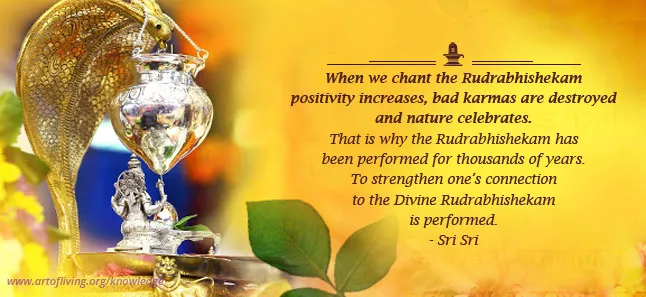
The most sacred ritual — bathing the Shivalinga with milk, honey, curd, ghee, and water while chanting Om Namah Shivaya. Performed daily in temples and on Mondays at home.
Bilva Patra Offering
Offering three-leaf Bilva (Bel) leaves to the Shivalinga is considered most pleasing to Shiva. Each leaf represents the Trinity — Brahma, Vishnu, and Shiva — and dissolves all sins.
Maha Mrityunjaya Japa
Chanting the Maha Mrityunjaya mantra 108 times daily is one of the most powerful Shiva practices — done for health, longevity, protection from untimely death, and moksha.
Pradosh Vrat
Observed on the 13th day (Trayodashi) of both lunar fortnights. Fasting and worshipping Shiva during the Pradosh window (1.5 hours around sunset) removes all sins and grants boons.
Mantras & Prayers
Panchakshara Mantra
Om Namah Shivaya
The five-syllable mantra — Na, Ma, Shi, Va, Ya — representing the five elements. The most sacred Shiva mantra, chanted for liberation, peace, and divine grace.
Maha Mrityunjaya Mantra
Om Tryambakam Yajamahe Sugandhim Pushtivardhanam
The great death-conquering mantra. Chanted for health, longevity, healing, and protection from untimely death. One of the most powerful mantras in all of the Vedas.
Shiva Gayatri Mantra
Om Tatpurushaya Vidmahe Mahadevaya Dhimahi Tanno Rudrah Prachodayat
Invokes the supreme consciousness of Shiva for spiritual illumination, clarity of mind, and awakening of inner wisdom.
Rudra Mantra
Om Namo Bhagavate Rudraya
Chanted to invoke Rudra — the fierce form of Shiva. Recited for removing fear, overcoming enemies, and gaining the protection of the divine cosmic force.
Festivals & Celebrations
Maha Shivaratri
Chaturdashi of Magha · Feb–March
The most sacred night of Shiva — the Great Night of Shiva. Devotees fast, stay awake all night, and perform Abhishekam every 3 hours. Believed to be the night Shiva performs the Tandava dance.
Masik Shivaratri
Every month on Chaturdashi
Monthly Shivaratri observed on the 14th day of every lunar month. Fasting and night-long prayers on this day are said to please Shiva deeply.
Shravan Month
July–August · Every Monday
The entire month of Shravan is dedicated to Shiva. Mondays are especially auspicious — devotees fast and offer Bilva leaves, milk, and water to Shivalingas across India.
Kartik Purnima
Full moon of Kartik · Oct–Nov
Sacred full moon in Kartik month. Bathing in holy rivers and offering prayers to Shiva on this night is believed to grant moksha and wash away lifetimes of karma.
Best Days to Worship
Monday
Most Auspicious Day
Why This Day?
Monday (Somvar) is the day of the Moon, and Shiva holds the crescent moon (Soma) in his matted locks. This makes Monday the most auspicious and beloved day for Shiva worship. The entire month of Shravan is full of sacred Mondays dedicated to him.
🌸 Offerings
Milk, water, Bilva leaves, white flowers, sandalwood paste, bhaang, dhatura, white sesame
🪔 Rituals
Fast from sunrise to sunset or eat only one meal, perform Abhishekam on Shivalinga, chant Om Namah Shivaya 108 times, light a ghee lamp, read Shiva Chalisa
✨ Benefits
Blessings for health, longevity, happy married life, prosperity, and spiritual growth
Chaturdashi (13th/14th lunar day)
Most Auspicious Day
Why This Day?
The 14th day of each lunar fortnight (Shivaratri) is the most sacred day for Shiva. It is believed this is when Shiva performs the cosmic Tandava dance. Pradosh (13th day) is also highly auspicious — the evening window on this day is the most powerful time for Shiva puja.
🌸 Offerings
Bilva leaves, milk Abhishekam, camphor, white flowers, rudraksha garland, bhaang
🪔 Rituals
Fast the entire day, perform Abhishekam at Pradosh time (dusk), stay awake at night during Shivaratri, chant Maha Mrityunjaya mantra
✨ Benefits
Removal of all sins, liberation from karma, fulfilment of all desires, and moksha
Benefits of Worship
Liberation (Moksha) and freedom from the cycle of birth and death
Immense inner strength, willpower, and courage to face life
Deep peace of mind, mental clarity, and spiritual awakening
Harmonious relationships, love, and a blessed married life
Protection from enemies, evil energies, and black magic
Prosperity, material abundance, and removal of financial obstacles
Healing from illness and protection from untimely death
Destruction of ego and awakening of the highest self within
Famous Temples of Lord Shiva
Somnath Jyotirlinga
📍 Somnath, Gujarat
The first among the 12 Jyotirlingas, Somnath Temple is located on the western coast of Gujarat and is considered one of the most sacred pilgrimage sites in Hinduism.
Read More →Mallikarjuna Jyotirlinga
📍 Srisailam, Andhra Pradesh
Located atop the Nallamala Hills in Andhra Pradesh, Mallikarjuna Temple at Srisailam is the second Jyotirlinga and one of the 18 Shakti Peethas, making it doubly sacred.
Read More →Mahakaleshwar Jyotirlinga
📍 Ujjain, Madhya Pradesh
One of the most revered Shiva temples in India, Mahakaleshwar Temple in Ujjain is famous for its Swayambhu lingam and the unique Bhasma Aarti performed at dawn.
Read More →Omkareshwar Jyotirlinga
📍 Omkareshwar, Madhya Pradesh
Situated on the sacred Mandhata island in the Narmada River, Omkareshwar Temple is unique as the island naturally forms the sacred Om symbol, making it one of the most mystical Jyotirlingas.
Read More →Kedarnath Jyotirlinga
📍 Kedarnath, Uttarakhand
Located at an altitude of 3,583 meters in the Himalayas, Kedarnath Temple is the highest among all Jyotirlingas and is accessible only for six months due to extreme weather conditions.
Read More →Bhimashankar Jyotirlinga
📍 Bhimashankar, Maharashtra
Nestled in the lush Sahyadri mountain ranges of Maharashtra, Bhimashankar Temple is renowned for its ancient architecture and the legend of Lord Shiva's victory over the demon Bhima.
Read More →Kashi Vishwanath Jyotirlinga
📍 Varanasi, Uttar Pradesh
Located in the holy city of Varanasi, Kashi Vishwanath Temple is one of the most revered Jyotirlingas and is considered the spiritual capital of India where dying is believed to grant moksha.
Read More →Trimbakeshwar Jyotirlinga
📍 Trimbakeshwar, Maharashtra
Located near Nashik in Maharashtra, Trimbakeshwar Temple is the source of the holy river Godavari and is unique for housing three separate lingams representing Brahma, Vishnu, and Mahesh.
Read More →Vaidyanath Jyotirlinga
📍 Deoghar, Jharkhand
Located in Deoghar, Jharkhand, Vaidyanath Temple is known as the "Temple of the Divine Physician" where Lord Shiva is worshipped as the supreme healer and physician of the universe.
Read More →Nageshwar Jyotirlinga
📍 Dwarka, Gujarat
Located near Dwarka in Gujarat, Nageshwar Temple is associated with the legend of Lord Shiva protecting his devotees from poison and negative forces, making it a powerful temple for protection.
Read More →Rameshwaram Jyotirlinga
📍 Rameshwaram, Tamil Nadu
Located on Pamban Island in Tamil Nadu, Rameshwaram Temple is unique as both a Jyotirlinga and Char Dham, where Lord Rama worshipped Shiva before crossing to Lanka, making it sacred to both Shaivites and Vaishnavites.
Read More →Grishneshwar Jyotirlinga
📍 Aurangabad, Maharashtra
Located near Ellora Caves in Maharashtra, Grishneshwar Temple is the last and 12th Jyotirlinga, known for the legend of devoted Kusuma and is close to the world-famous Ellora cave temples.
Read More →Shivoham Shiva Temple
📍 HAL Old Airport Road, Bengaluru, Karnataka
A 65-foot white Shiva statue rises from an artificial mountain along Old Airport Road — grand enough to see from the expressway, quiet enough inside to actually sit and think.
Read More →Sri Pallikondeswara Swamy Temple
📍 Surutupalli, Nagalapuram
Sri Pallikondeswara Swamy Temple in Surutupalli, Nagalapuram is a highly revered sacred shrine dedicated to Lord Shiva.
Read More →Sri Talakona Siddeswara Swamy Temple
📍 Nerabailu, Yerravaripalem
Sri Talakona Siddeswara Swamy Temple in Nerabailu, Yerravaripalem is a highly revered sacred shrine dedicated to Lord Shiva.
Read More →Sri Bhairaveswara Swamy Temple
📍 Bhairavakona, Prakasam District
Sri Bhairaveswara Swamy Temple in Bhairavakona, Prakasam District is a highly revered sacred shrine dedicated to Lord Shiva.
Read More →Sri Siddeswara and Sri Venugopala Swamy Temple
📍 Krishnapatnam, Muttukur
Sri Siddeswara and Sri Venugopala Swamy Temple in Krishnapatnam, Muttukur is a highly revered sacred shrine dedicated to Lord Shiva.
Read More →Sri Tripuranthakeswara Swamy Temple
📍 Tripuranthakam Village, Prakasam District
Sri Tripuranthakeswara Swamy Temple in Tripuranthakam Village, Prakasam District is a highly revered sacred shrine dedicated to Lord Shiva.
Read More →Sri Mogileswara Swamy Temple
📍 Mogili, Bangarupalem
Sri Mogileswara Swamy Temple in Mogili, Bangarupalem is a highly revered sacred shrine dedicated to Lord Shiva.
Read More →Sri Moolasthaneswara Swamy Temple
📍 Moolapeta, Nellore
Sri Moolasthaneswara Swamy Temple in Moolapeta, Nellore is a highly revered sacred shrine dedicated to Lord Shiva.
Read More →Sri Sthamabala Giri Eswaraiah Swamy Temple
📍 Devuni Vellampalli, Dakkili
Sri Sthamabala Giri Eswaraiah Swamy Temple in Devuni Vellampalli, Dakkili is a highly revered sacred shrine dedicated to Lord Shiva.
Read More →Sri Malleswara Swamy Temple, Pedakakani
📍 Pedakakani, Guntur
Sri Malleswara Swamy Temple in Pedakakani, Guntur is a highly revered sacred shrine dedicated to Lord Shiva.
Read More →Sri Kasi Visweswara Annapurna Devasthanam, Governorpet
📍 Governorpeta, Vijayawada
Sri Kasi Visweswara Annapurna Devasthanam in Governorpeta, Vijayawada is a highly revered sacred shrine dedicated to Lord Shiva.
Read More →Achanta Ramalingeswara swamy Temple
📍 Achanta
Sri Rameswara Swamy Temple in Achanta is a highly revered sacred shrine dedicated to Lord Shiva.
Read More →Sri Rameswara Swamy Temple , Natta Rameswaram
📍 Natta Rameswaram, Penumantra
Sri Rameswara Swamy Temple in Natta Rameswaram, Penumantra is a highly revered sacred shrine dedicated to Lord Shiva.
Read More →Sri Ksheera Ramalingeswara Swamy Temple
📍 Palakollu, West Godavari
Sri Ksheera Ramalingeswara Swamy Temple in Palakol, West Godavari is a highly revered sacred shrine dedicated to Lord Shiva.
Read More →Sri Veereswara Swamy Temple, Pattseema
📍 Pattseema, Polavaram
Sri Veereswara Swamy Temple in Pattseema, Polavaram is a highly revered sacred shrine dedicated to Lord Shiva.
Read More →Sri Bugga Rameswara Swamy Temple, Kalvabugga
📍 Kalvabugga(V), Orvakal (M), Kurnool Dt.
Sri Bugga Rameswara Swamy Temple in Kalvabugga(V), Orvakal (M), Kurnool Dt. is a highly revered sacred shrine dedicated to Lord Shiva.
Read More →Sri Ramalingeswara Swamy Vari Devasthanam, Nandigama
📍 Nandigama
Sri Ramalingeswara Swamy Vari Devasthanam in Nandigama is a highly revered sacred shrine dedicated to Lord Shiva.
Read More →Sri Trikoteswara Swamy Vari Devasthanam, Kotappakonda
📍 Kotappakonda,Narasaraopeta
Sri Trikoteswara Swamy Vari Devasthanam in Kotappakonda is a highly revered sacred shrine dedicated to Lord Shiva.
Read More →Sri Umakoppeswara Swamy Temple
📍 Palivela, Kothapeta
Sri Umakoppeswara Swamy Temple in Palivela, Kothapeta is a highly revered sacred shrine dedicated to Lord Shiva.
Read More →Sri Uma Kotilingeswara Swamy Temple
📍 Kotilingalapeta, Rajamahendravaram
Sri Uma Kotilingeswara Swamy Temple in Kotilingalapeta, Rajamahendravaram is a highly revered sacred shrine dedicated to Lord Shiva.
Read More →Sri Uma Markandeyeswara Swamy Temple
📍 Gundu Vari Street, Rajahmundry
Sri Uma Markandeyeswara Swamy Temple in Gundu Vari Street, Rajahmundry is a highly revered sacred shrine dedicated to Lord Shiva.
Read More →Sri Bhramaramba Malleswara Swamy Varla Devasthanam (Old Sivalayam)
📍 Vijayawada
Sri Bhramaramba Malleswara Swamy Varla Devasthanam (Old Sivalayam) in Vijayawada is a highly revered sacred shrine dedicated to Lord Shiva.
Read More →Sri Mandeswara Swamy Temple
📍 Mandapalli(V), Kothapeta(M)
Sri Mandeswara Swamy Temple in Mandapalli(V), Kothapeta(M) is a highly revered sacred shrine dedicated to Lord Shiva.
Read More →Sri Agastheswara Swamy Temple
📍 Proddutur
Sri Agastheswara Swamy Temple in Proddutur is a highly revered sacred shrine dedicated to Lord Shiva.
Read More →Sri Ramalingeswara Swamy Devasthanam
📍 Yanamalakuduru, Vijayawada
Sri Ramalingeswara Swamy Devasthanam in Yanamalakuduru, Vijayawada is a highly revered sacred shrine dedicated to Lord Shiva.
Read More →Sri Aswarthanarayana and Bheemalingeswara Swamy Temple
📍 A.Pappur, P.Pappur
Sri Aswarthanarayana and Bheemalingeswara Swamy Temple in A.Pappur, P.Pappur is a highly revered sacred shrine dedicated to Lord Shiva.
Read More →Sri Bhimeswara Swamy Temple
📍 Draksharama
Sri Bhimeswara Swamy Temple in Draksharama is a highly revered sacred shrine dedicated to Lord Shiva.
Read More →Sri Bhimeswara Swamy Temple
📍 Gudivada
Sri Bhimeswara Swamy Temple in Gudivada is a highly revered sacred shrine dedicated to Lord Shiva.
Read More →Sri Bala Tripura Sundari Sametha Sri Ramalingeswara Swamy Devasthanam
📍 Suryarao Peta, Kakinada
Sri Bala Tripura Sundari Sametha Sri Ramalingeswara Swamy Devasthanam in Suryarao Peta, Kakinada is a highly revered sacred shrine dedicated to Lord Shiva.
Read More →Sri Umamaheswara Swamy Temple
📍 Yaganti (V), Banaganapalli (M)
Sri Umamaheswara Swamy Temple in Yaganti (V), Banaganapalli (M) is a highly revered sacred shrine dedicated to Lord Shiva.
Read More →Sri Kukkuteswara Swamy Vari Devasthanam
📍 Pithapuram
Sri Kukkuteswara Swamy Vari Devasthanam in Pithapuram is a highly revered sacred shrine dedicated to Lord Shiva.
Read More →Sri Sanyaseswara Swamy Temple, Dharmavaram
📍 Dharmavaram
Sri Sanyaseswara Swamy Temple in Dharmavaram is a highly revered sacred shrine dedicated to Lord Shiva.
Read More →Sri Kumararama Bhimeswara Swamy Temple, Samarlakota
📍 Samalkot, Kakinada
Sri Kumararama Bhimeswara Swamy Temple in Samalkot, Kakinada is a highly revered sacred shrine dedicated to Lord Shiva.
Read More →Sri Ramalingeswara Swamy Temple
📍 Robertson Peta, Machilipatnam
Sri Ramalingeswara Swamy Temple in Robertson Peta, Machilipatnam is a highly revered sacred shrine dedicated to Lord Shiva.
Read More →Sri Yendala Mallikharjuna Swamy Temple, Ravivalasa
📍 Ravivalasa, Tekkali
Sri Yendala Mallikharjuna Swamy Temple in Ravivalasa, Tekkali is a highly revered sacred shrine dedicated to Lord Shiva.
Read More →Regional Variations
North India
Bholenath / Mahadev
Worshipped as Bholenath — the innocent and easily pleased. Varanasi (Kashi), his city, is the holiest pilgrimage site. Kanwar Yatra pilgrims carry holy water to pour on Shivalingas every Shravan.
South India
Shiva / Murugan Father
The Shaiva tradition is deeply rooted in the South. The Pancha Bhuta Stalas — five temples representing the five elements — are all in South India. The Chidambaram temple is one of the most sacred Shiva shrines in the world.
Maharashtra
Shankar / Mahadev
Deeply venerated in Maharashtra. The Trimbakeshwar Jyotirlinga near Nashik and the Bhimashankar Jyotirlinga are among the most visited temples in the state.
Nepal
Pashupati
Pashupatinath Temple in Kathmandu is one of the most sacred Shiva temples in the world and a UNESCO Heritage Site. Nepal is considered Shiva s own land and he is the national deity.
Kashmir
Shankara / Param Shiva
Kashmir Shaivism is a profound non-dual philosophy centred on Shiva as the ultimate reality. The Amarnath Cave (an ice Shivalinga) in Kashmir is one of the holiest pilgrimage sites in all of Hinduism.
Southeast Asia
Ishvara / Batara Guru
Shiva is revered across Bali, Java, Thailand, and Cambodia. Angkor Wat was originally built as a Shiva temple. In Bali, he is Batara Guru — the supreme teacher and divine lord of the cosmos.
Frequently Asked Questions
Lord Shiva Stotrams & Chalisas
Read the lyrics and meaning of Lord Shiva hymns, with audio and free PDF downloads.
Shiva Chalisa
Lyrics, meaning & audio
Shiva Tandava Stotram
Lyrics, meaning & audio
Lingashtakam
Lyrics, meaning & audio
Rudrashtakam
Lyrics, meaning & audio
Dakshinamurthy Stotram
Lyrics, meaning & audio
Kalabhairavastakam
Lyrics, meaning & audio
Shivashtakam
Lyrics, meaning & audio
All Stotrams & Chalisas
Browse the full library
Related Pages
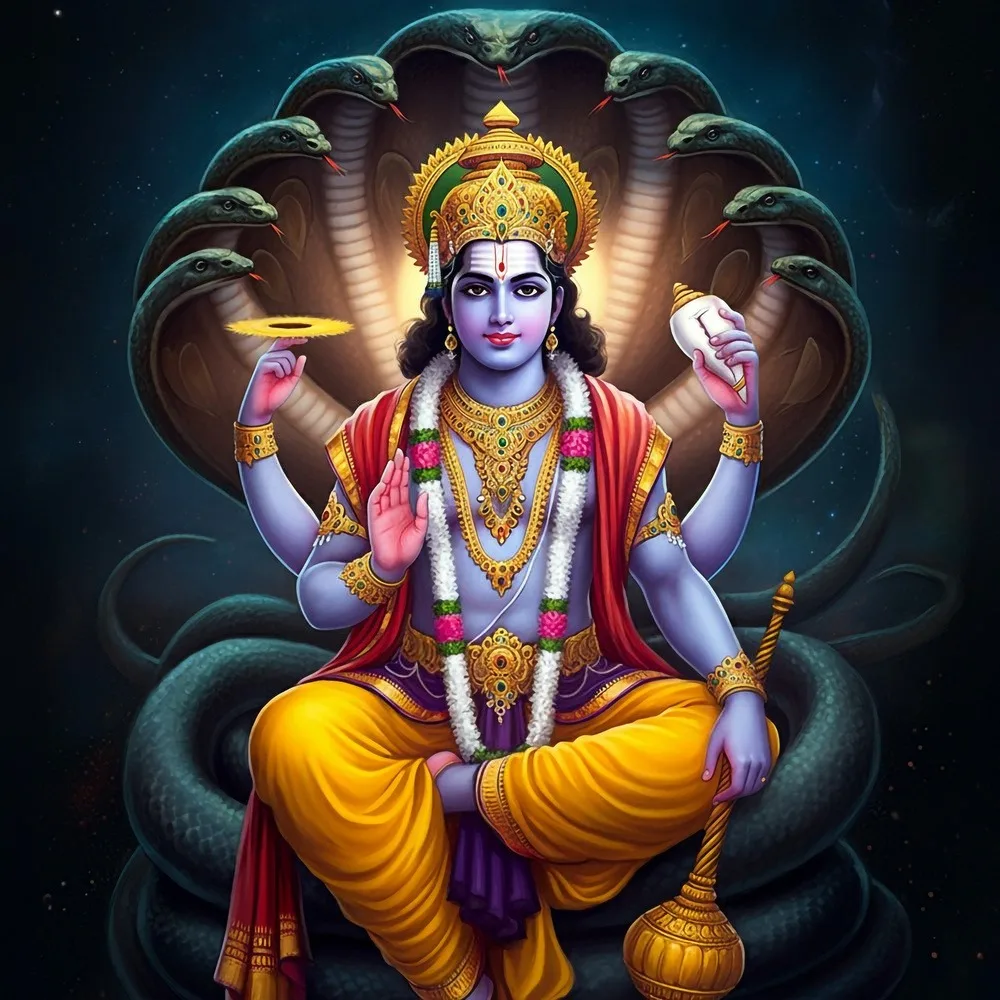
Lord Krishna
The Preserver of the Universe — the all-pervading Supreme Being who descends to Earth in divine avatars whenever righteousness declines and evil rises.
Learn more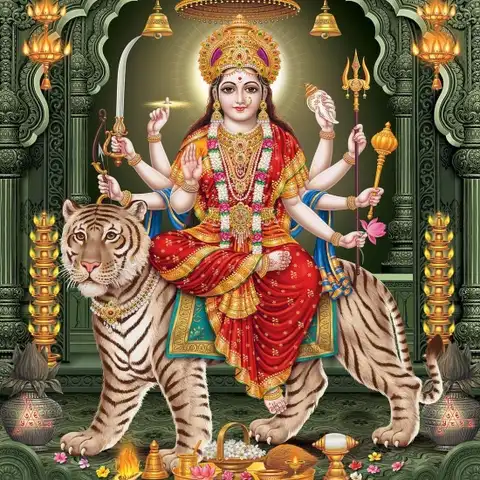
Goddess Lakshmi
The Invincible Mother Goddess — Supreme Feminine Power who destroys evil, protects the righteous, and embodies the divine energy of the entire universe.
Learn more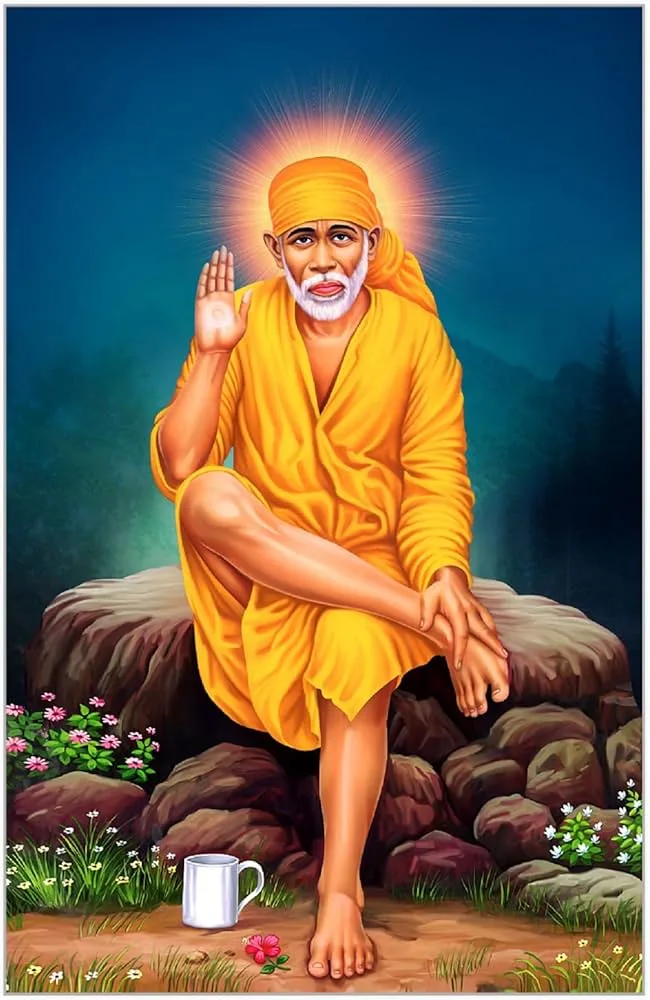
Shirdi Sai Baba
The saint of Shirdi who lived beyond the boundaries of religion — teaching that love, faith, and patience are the only true path to God.
Learn more