Hindu Deity
Shani Dev
The God of Justice and Karma — Lord of Saturn who rewards the righteous and teaches life lessons through trials, time, and discipline.
"Om Sham Shanaischaraya Namah — I bow to Shani Dev, the lord of karma, justice, and the fruits of all actions."
Overview
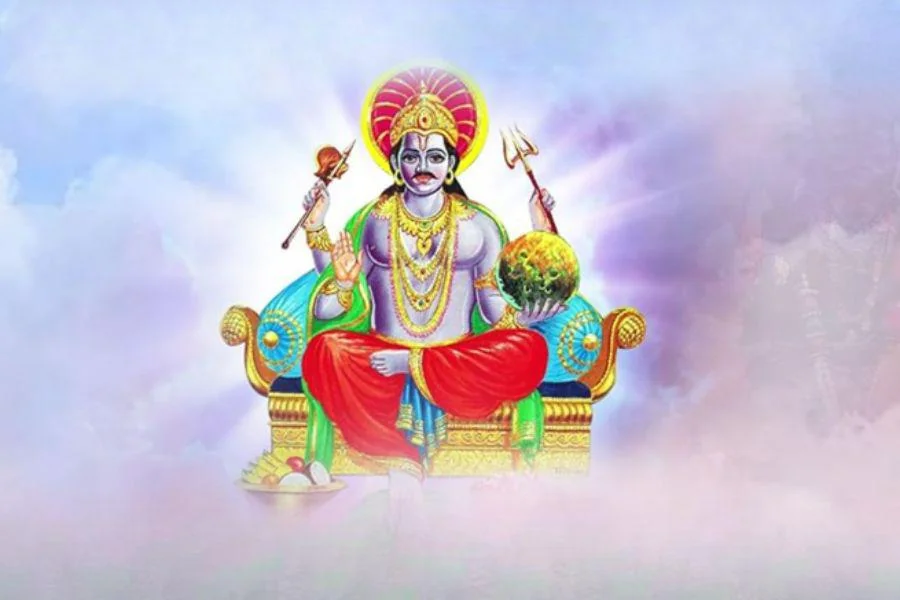
Shani Dev is one of the most feared yet deeply revered deities in Hinduism. He is the lord of the planet Saturn and the god of karma, justice, and discipline. Shani does not punish — he delivers the exact results of one s own actions. He is the most impartial judge in the universe, bound by cosmic law to give everyone precisely what they deserve based on their past deeds. While his transit (Sade Sati and Dhaiya) is widely feared, Shani is also a great teacher, a protector of the honest, and a bestower of immense wealth and success to those who work with sincerity and integrity. Devotees who approach Shani with humility, truth, and devotion find him to be among the most generous of all deities. He is the son of Surya Dev (the Sun) and Chhaya (Shadow), the elder brother of Yama (the god of death), and a close ally of Hanuman — who is the one deity Shani himself deeply respects.
Origin & History
Shani Dev is the son of Surya Dev (Sun God) and his shadow wife Chhaya. When Chhaya was performing severe penance while pregnant, her intense austerities influenced the child in the womb — Shani was born with a dark complexion and a powerful, austere nature that even his father Surya could not bear to look at directly. As a child, Shani s first glance at his father is said to have caused an eclipse — establishing his extraordinary cosmic power from birth. He is the elder brother of Yama, the god of death, and like Yama, his role is to ensure cosmic justice. Shani was appointed by Brahma to oversee the karmic accounts of all living beings — rewarding good karma and ensuring that the consequences of bad karma are experienced without exception. He rides a crow (kaka) or a vulture — birds associated with darkness, patience, and the inevitable. His dark blue or black complexion, slow gait, and iron weapons reflect his nature — slow, inevitable, and absolutely impartial. His connection with Hanuman is famous: according to legend, Shani Dev was once imprisoned by Ravana in Lanka. Hanuman freed him during the burning of Lanka, and out of gratitude, Shani Dev promised to be gentle with Hanuman s devotees — which is why worshipping Hanuman on Saturdays provides relief from Shani s influence.
Legends & Famous Stories
Shani and King Vikramaditya
The great king Vikramaditya was at the peak of his glory when Shani s seven-and-a-half year transit (Sade Sati) began. He was humbled completely — losing his kingdom, wealth, and identity, forced to work as a servant. When Sade Sati ended, everything was restored and multiplied. This legend teaches that Shani humbles even the greatest, but ultimately rewards those who endure with patience and humility.
Shani Freed by Hanuman
Ravana had imprisoned Shani Dev in his palace cellar, keeping him face-down so his gaze could not harm Lanka. When Hanuman set Lanka ablaze, he found Shani and freed him. Out of deep gratitude, Shani Dev promised Hanuman that he would never afflict his sincere devotees harshly — explaining why Hanuman worship on Saturdays provides powerful relief from Shani Dasha.
Shani s First Gaze
When Shani Dev was a newborn, he first opened his eyes and looked at his father Surya Dev. The moment his gaze fell on the Sun, a solar eclipse occurred. This established that Shani s vision (drishti) carries immense cosmic power — his direct gaze, even on the most powerful beings, causes transformation and humbling.
Shani and Lord Ganesha
According to some Puranas, when Shani Dev attended the naming ceremony of Ganesha, he hesitated to look at the newborn. When Parvati insisted, Shani s powerful gaze caused Ganesha s head to be severed — which was later replaced with an elephant head by Vishnu. This legend reinforces the extraordinary power of Shani s gaze.
Shani and Nala
King Nala of the Mahabharata era was also subjected to Shani s powerful transit. He lost his kingdom in a game of dice, wandered as an exile, and was separated from his wife Damayanti. Yet throughout his trials, Nala maintained his righteousness. When the Sade Sati ended, he regained everything — a classic example of how Shani tests but ultimately rewards the virtuous.
Worship & Rituals
Mustard Oil Lamp
Lighting a lamp with mustard oil before Shani Dev s idol on Saturdays is the most fundamental ritual. The black sesame oil lamp is placed at the feet of the idol or near a Peepal tree at dusk. This act is believed to reduce the harshness of Shani s influence significantly.
Peepal Tree Worship
The Peepal tree is sacred to Shani Dev. On Saturdays, devotees water the Peepal tree, tie black thread around it, light a mustard oil lamp beneath it, and circumambulate it 7 times. This is a highly effective remedy for Shani Dasha and Sade Sati.
Shani Chalisa & Stotra
Reciting the Shani Chalisa, Shani Stotra, or Dashrath Krit Shani Stotra on Saturdays appeases Shani Dev. The Dashrath Krit Shani Stotra — composed by King Dasharatha himself to appease Shani — is considered the most powerful Shani prayer text.
Charity on Saturday
Donating black items on Saturdays is the most effective Shani remedy — black sesame, black cloth, mustard oil, iron items, black lentils (urad dal), and shoes to the needy. Feeding crows (Shani s vehicle) and poor people on Saturdays pleases Shani Dev deeply.
Mantras & Prayers
Shani Moola Mantra
Om Sham Shanaischaraya Namah
The seed mantra of Shani Dev. Sham is his bija sound. Chanting this 108 times on Saturdays reduces the malefic effects of Saturn and invokes his blessings for justice, discipline, and long-term success.
Shani Beej Mantra
Om Praam Preem Praum Sah Shanaischaraya Namah
The most powerful Shani mantra for reducing Sade Sati and Dhaiya effects. Chanted 23,000 times during Saturn transit periods for maximum relief. Best done on Saturdays during Brahma Muhurta.
Dashrath Krit Stotra
Namaste Konasamstha Pingalaksha Namo Stute
Composed by King Dasharatha to pacify Saturn before it entered the Rohini nakshatra. This prayer is said to be the most effective stotra for appeasing Shani Dev and was personally approved by him.
Shani Gayatri Mantra
Om Sanaischaraya Vidmahe Sooryaputraya Dhimahi Tanno Manda Prachodayat
The Gayatri mantra of Shani Dev — invoking him as the son of the Sun. Recited for spiritual discipline, karmic cleansing, patience, and the ability to endure and grow through life s hardships.
Festivals & Celebrations
Shani Jayanti
Amavasya of Jyeshtha · May–June
The birth anniversary of Shani Dev, observed on the new moon day of Jyeshtha month. Special pujas, Shani Abhishekam with sesame oil, and Shani Stotra recitation are performed. Fasting and charity on this day brings powerful blessings and relief from Saturn s afflictions.
Shani Amavasya
Every new moon that falls on Saturday
The most powerful day for Shani worship — when the new moon (Amavasya) falls on a Saturday. Lighting mustard oil lamps, visiting Shani temples, and donating black items on this day is believed to remove lifetimes of karmic debt.
Shani Puja (Saturday)
Every Saturday · Year Round
Every Saturday is dedicated to Shani Dev. Devotees visit Shani temples, light mustard oil lamps, offer black sesame, recite the Shani Chalisa, and donate to the poor. Fasting on Saturdays for 51 consecutive weeks is a highly effective Shani remedy.
Sade Sati Puja
During 7.5-year Saturn transit period
Special pujas performed during the Sade Sati period when Saturn transits over one s moon sign and the two adjacent signs. Hanuman Chalisa, Shani Stotra, and Maha Mrityunjaya japa are recited daily. Charity and service to the poor are the most effective remedies.
Best Days to Worship
Saturday
Most Auspicious Day
Why This Day?
Saturday (Shanivar) is Shani Dev s own day — named after Saturn (Shani). It is the most powerful and important day for all Shani worship, remedies, and appeasement. Whatever is done for Shani on Saturday yields results many times more powerful than any other day.
🌸 Offerings
Mustard oil, black sesame (til), black cloth, iron items, black lentils (urad dal), blue or black flowers, coconut, shoes for the poor
🪔 Rituals
Light mustard oil lamp at Shani idol or Peepal tree, recite Shani Chalisa or Dashrath Krit Stotra, donate black items to the poor, feed crows and dogs, circumambulate Peepal tree 7 times, fast or eat only once
✨ Benefits
Reduction of Sade Sati effects, karmic cleansing, protection from enemies, long-term success and prosperity
Amavasya (New Moon Day)
Most Auspicious Day
Why This Day?
Amavasya is the day of ancestors and karmic debt settlement — deeply connected to Shani s role as the lord of karma. Performing Shani rituals on Amavasya, especially when it falls on a Saturday (Shani Amavasya), is considered the most powerful remedy for clearing accumulated karma and reducing Saturn s malefic influence.
🌸 Offerings
Mustard oil lamp, black sesame, black cloth, iron items, food for the poor, crow feeding
🪔 Rituals
Visit Shani temple or Peepal tree at dusk, light 8 mustard oil lamps, recite Shani Stotra, perform Pitru Tarpan (ancestral offerings), donate generously to the needy
✨ Benefits
Clearing of ancestral karma, relief from Shani Dasha, protection from hidden enemies, removal of long-standing life obstacles
Benefits of Worship
Perfect justice — Shani rewards honest hard work without fail
Immense wealth and long-term material success for the disciplined
Protection from hidden enemies, fraud, and injustice
Deep spiritual growth, detachment, and inner strength through hardship
Relief from Sade Sati, Dhaiya, and malefic Saturn transit effects
Success in careers involving law, iron, oil, labour, and service industries
Karmic cleansing — past bad karma dissolved through sincere worship and charity
Extraordinary endurance, patience, and resilience in the face of adversity
Regional Variations
Maharashtra
Shani / Shaneshwar
Shingnapur in Maharashtra is home to the most famous Shani temple in India — the deity here has no idol enclosure and no roof, standing in the open sky. The entire village of Shingnapur famously has no locks on any doors, trusting in Shani s protection.
North India
Shani Dev / Shanichar
Thousands of Shani temples across North India see massive footfall every Saturday. The Shani temple at Kashmere Gate, Delhi and Shani Dham in Greater Noida are among the most visited. Shani Jayanti sees massive gatherings.
South India
Sani Bhagavan
Thirunallar Saneeswarar temple in Tamil Nadu is one of the most sacred Shani temples in India. King Nala is said to have been freed from Shani s curse here. Millions visit during Sade Sati and Dhaiya periods for relief.
Gujarat
Shani Dev
Shani worship is widely practised in Gujarat. Thakor communities and business families regularly perform Shani remedies for protection of business ventures and relief from obstacles.
Rajasthan
Shani Maharaj
The Shani temple at Sanganer near Jaipur and several others across Rajasthan are major pilgrimage sites. Saturday markets (Shanivaar bazaar) selling Shani remedy items — black sesame, mustard oil, iron — are a common sight.
Pan-India (Astrology)
Saturn / Shani Graha
Shani is the most discussed planet in Vedic astrology across all regions of India. Astrologers regularly prescribe Shani remedies including gemstone (Blue Sapphire / Neelam), mantra chanting, fasting, and charity based on an individual s birth chart.
Frequently Asked Questions
Shani Dev Stotrams & Chalisas
Read the lyrics and meaning of Shani Dev hymns, with audio and free PDF downloads.
Related Pages
Navagraha
The God of Justice and Karma — Lord of Saturn who rewards the righteous and teaches life lessons through trials, time, and discipline.
Learn more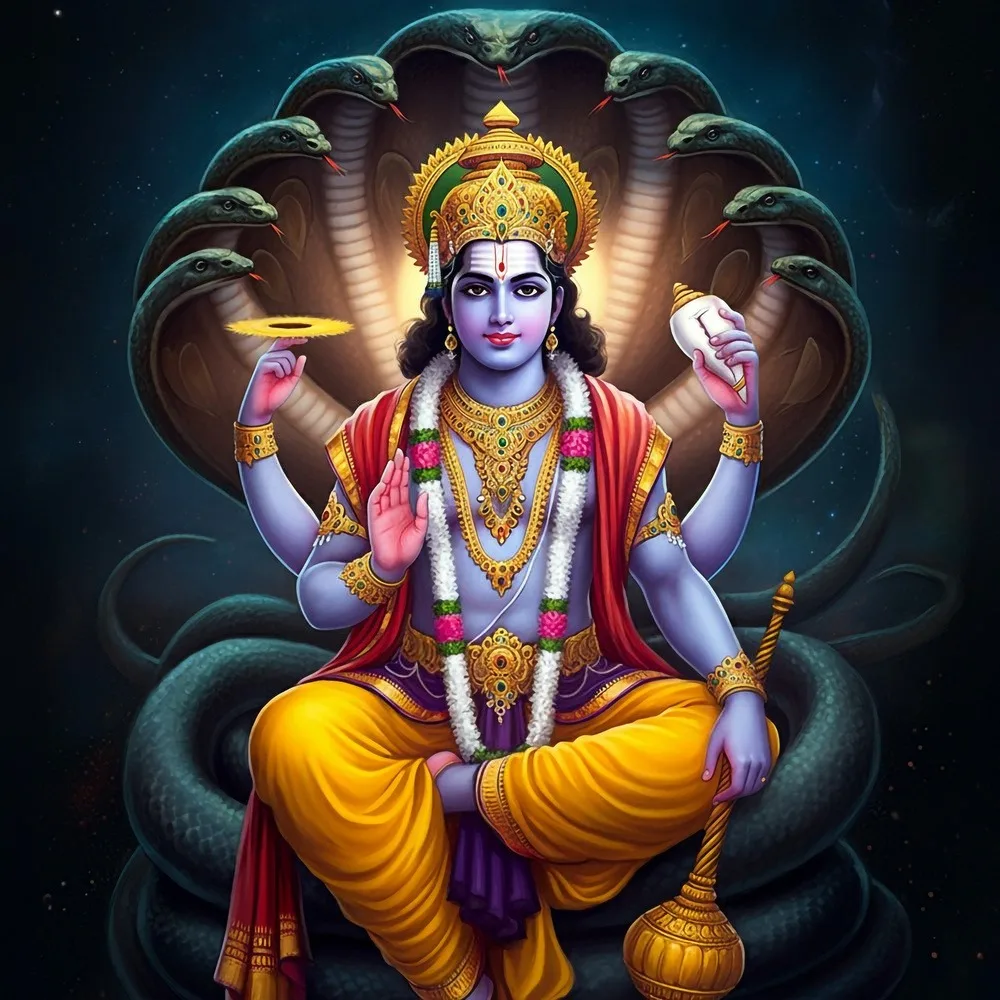
Lord Vinayaka
The Preserver of the Universe — the all-pervading Supreme Being who descends to Earth in divine avatars whenever righteousness declines and evil rises.
Learn more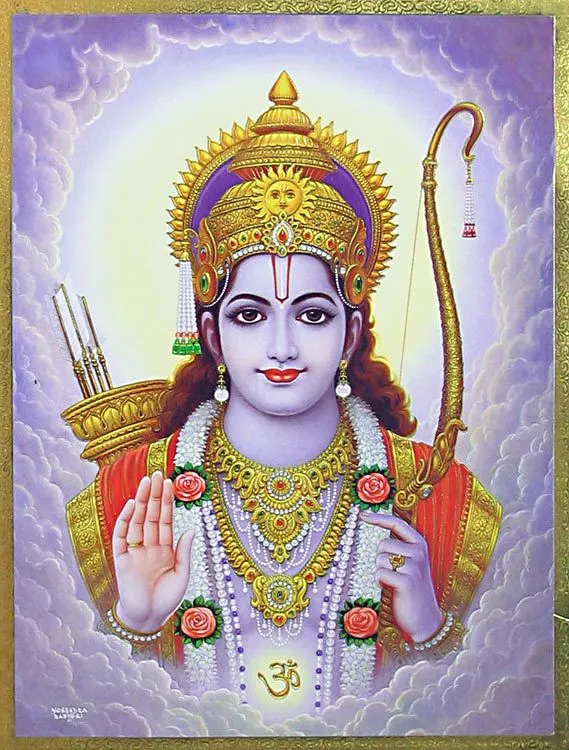
Lord Rama
The Ideal Man, Perfect King, and Seventh Avatar of Vishnu — whose life is the eternal standard of righteousness, duty, and devotion to dharma.
Learn more