Kalabhairavastakam Lyrics & Meaning in English
Free complete guide with audio learning, line-by-line meaning, and practice session. Master the Kalabhairavastakam in just one hour.
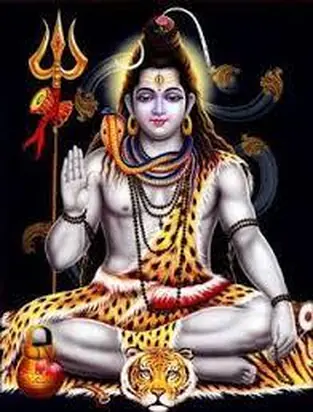
Kalabhairavastakam is a devotional hymn dedicated to Lord Shiva, specifically worshipping his fierce form Kala Bhairava, to seek protection and liberation from fears. It serves as a powerful spiritual tool for devotees seeking divine guidance and strength.
- Hymn
- Kalabhairavastakam
- Deity
- Lord Shiva
- Number of verses
- 5
- Best day to chant
- Monday
- Available languages
- English, Telugu, Hindi
- Last updated
- 18 Jul 2026
Play along to learn the correct pronunciation and rhythm.
📖 Read Kalabhairavastakam in other languages: Kalabhairavastakam in Telugu, Kalabhairavastakam in Hindi
Kalabhairavastakam Full Lyrics in English (English)
📄 Download English PDF1 -2 Listen
dēvarāja-sēvyamāna-pāvanāṅghri-paṅkajaṃ
vyāḻayajña-sūtramindu-śēkharaṃ kṛpākaram ।
nāradādi-yōgibṛnda-vanditaṃ digambaraṃ
kāśikāpurādhinātha kālabhairavaṃ bhajē ॥ 1 ॥
bhānukōṭi-bhāsvaraṃ bhavabdhitārakaṃ paraṃ
nīlakaṇṭha-mīpsitārtha-dāyakaṃ trilōchanam ।
kālakāla-mambujākṣa-makṣaśūla-makṣaraṃ
kāśikāpurādhinātha kālabhairavaṃ bhajē
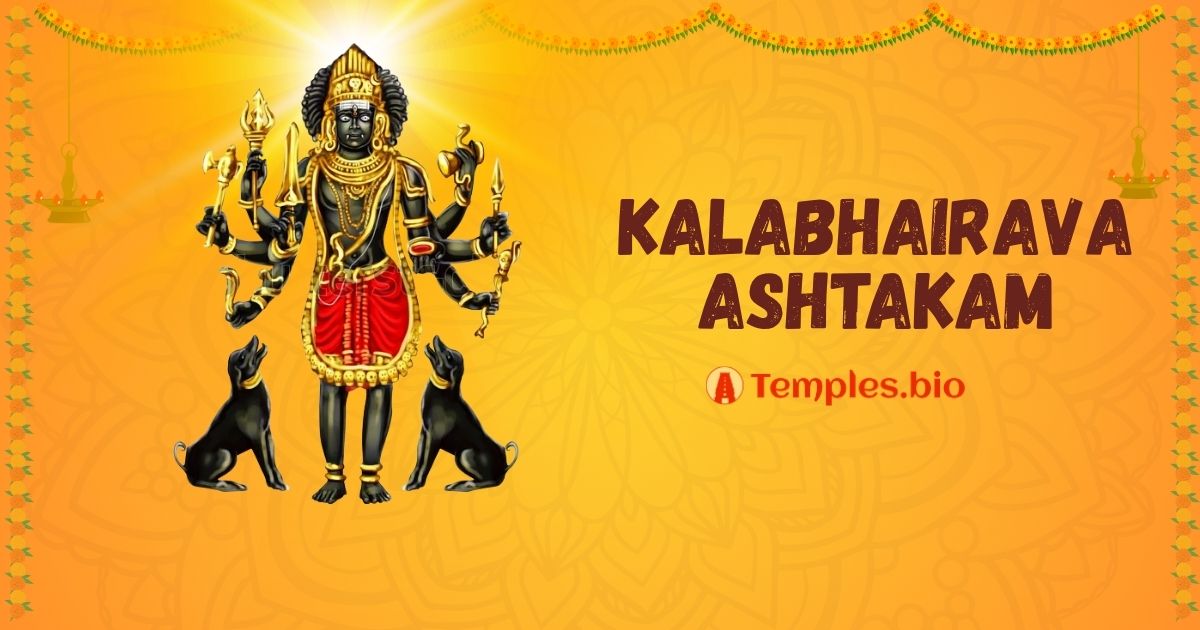
Salutations to Lord Kalabhairava, the supreme lord of Kashi, whose lotus feet are revered by Lord Indra, king of the devas; who has a snake as his sacrificial thread, a moon on his head and is very compassionate; who is praised by Narada, sage of the gods, and other yogis; who is a Digambara, wearing the sky as his dress, symbolizing his free being. Salutations to Lord Kalabhairava, the supreme lord of Kashi, who has the brilliance of a million suns, who saves devotees from the cycle of rebirths, and who is supreme; who has a blue throat, who grants us our desires, and who has three eyes; who is death unto death itself and whose eyes look like a lotus; whose trident supports the world and who is immortal.
3 -4 Listen
śūlaṭaṅka-pāśadaṇḍa-pāṇimādi-kāraṇaṃ
śyāmakāya-mādidēva-makṣaraṃ nirāmayam ।
bhīmavikramaṃ prabhuṃ vichitra tāṇḍava priyaṃ
kāśikāpurādhinātha kālabhairavaṃ bhajē ॥ 3 ॥
bhukti-mukti-dāyakaṃ praśastachāru-vigrahaṃ
bhaktavatsalaṃ sthiraṃ samastalōka-vigraham । [sthitaṃ]
nikvaṇan-manōjña-hēma-kiṅkiṇī-lasatkaṭiṃ [vinikvaṇan]
kāśikāpurādhinātha kālabhairavaṃ bhajē
Salutations to Lord Kalabhairava, the supreme lord of Kashi, who holds the trident, mattock, noose, and club in his hands; whose body is dark, who is the primordial Lord, who is immortal, and free from the diseases of the world; who is immensely mighty and who loves the wonderful tandava dance. Salutations to Lord Kalabhairava, the supreme lord of Kashi, the one who bestows both desires and salvation, who has a pleasing appearance; who is loving to his devotees, who is stable as the god of all the worlds; who wears a golden belt around his waist with bells that make a melodious sound when he moves.
5 - 6 Listen
dharmasētu-pālakaṃ tvadharmamārga nāśakaṃ [nāśanaṃ]
karmapāśa-mōchakaṃ suśarma-dāyakaṃ vibhum ।
svarṇavarṇa-kēśapāśa-śōbhitāṅga-maṇḍalaṃ [śeṣapāśa, nirmalaṃ]
kāśikāpurādhinātha kālabhairavaṃ bhajē ॥ 5 ॥
ratna-pādukā-prabhābhirāma-pādayugmakaṃ
nitya-madvitīya-miṣṭa-daivataṃ nirañjanam ।
mṛtyudarpa-nāśanaṃ karāḻadaṃṣṭra-mōkṣadaṃ [bhūṣaṇaṃ]
kāśikāpurādhinātha kālabhairavaṃ bhajē
Salutations to Lord Kalabhairava, the supreme lord of Kashi, who ensures that dharma (righteousness) prevails, who destroys the path of adharma (unrighteousness); who saves us from the bonds of karma, thereby freeing our soul; and who has golden-hued snakes entwined around his body. Salutations to Lord Kalabhairava, the supreme lord of Kashi, whose feet are adorned with two golden sandals with gems; who is the eternal, non-dual Ishta devata (god who grants our desires); who destroys the pride of Yama (God of Death); whose terrible teeth liberate us.
7 - 8 Listen
aṭṭahāsa-bhinna-padmajāṇḍakōśa-santatiṃ
dṛṣṭipāta-naṣṭapāpa-jālamugra-śāsanam ।
aṣṭasiddhi-dāyakaṃ kapālamālikā-dharaṃ
kāśikāpurādhinātha kālabhairavaṃ bhajē ॥ 7 ॥
bhūtasaṅgha-nāyakaṃ viśālakīrti-dāyakaṃ
kāśivāsi-lōka-puṇyapāpa-śōdhakaṃ vibhum । [kaśivāsa]
nītimārga-kōvidaṃ purātanaṃ jagatpatiṃ
kāśikāpurādhinātha kālabhairavaṃ bhajē
Salutations to Lord Kalabhairava, the supreme lord of Kashi, whose loud roar destroys the sheaths of creations (meaning the delusions of our mind) of the lotus-born Brahma; whose very glance is enough to destroy all our sins; who gives us the eight siddhis (accomplishments); and who wears a garland of skulls. Salutations to Lord Kalabhairava, the supreme lord of Kashi, who is the leader of ghosts and goblins, who bestows glory; who frees the people of Kashi from their sinful and righteous deeds; who guides us on the path of righteousness, who is the most ancient (eternal) lord of the universe.
chaupai Listen
kālabhairavāṣṭakaṃ paṭhanti yē manōharaṃ
jñānamukti-sādhanaṃ vichitra-puṇya-vardhanam ।
śōkamōha-lōbhadainya-kōpatāpa-nāśanaṃ [dainyalōbha]
tē prayānti kālabhairavāṅghri-sannidhiṃ dhruvam ॥
Salutations to Lord Kalabhairava, the supreme lord of Kashi. Those who read these eight verses of the Kalabhairava Ashtakam, which is beautiful, which is a source of knowledge and liberation, which increases the various forms of righteousness in a person, which destroys grief, attachment, poverty, greed, anger, and heat – will attain (after death) the feet of Lord Kalabhairava (Lord Shiva).
📄 Download PDF — Kalabhairavastakam
What does the Kalabhairavastakam mean?
Chanting Kalabhairavastakam holds deep spiritual significance as it invokes the fierce form of Lord Shiva, Kala Bhairava, for protection and courage. Devotees believe it helps in overcoming fears, obstacles, and ignorance. The hymn is also culturally significant, providing a ritualistic path to inner peace and spiritual growth.
Who wrote the Kalabhairavastakam and where does it come from?
Kalabhairavastakam is traditionally attributed to Adi Shankaracharya, a revered Indian philosopher. It originates from the Advaita Vedanta tradition and is written in Sanskrit. The hymn reflects historical reverence for Shiva's protective and transformative aspects.
When and how should you chant the Kalabhairavastakam?
Kalabhairavastakam is best chanted on Ashtami, the eighth day of the lunar cycle, or on Mondays dedicated to Shiva. Reciting it 11 or 21 times while seated in a meditative posture enhances its spiritual efficacy. Focus on clear pronunciation of the Sanskrit verses for maximum benefit.
❤️ What are the benefits of chanting the Kalabhairavastakam?
- ✓ Protection from fears
- ✓ Overcoming obstacles
- ✓ Spiritual growth
- ✓ Inner peace
- ✓ Divine guidance
- ✓ Liberation from ignorance