About Baisakhi
Last updated:
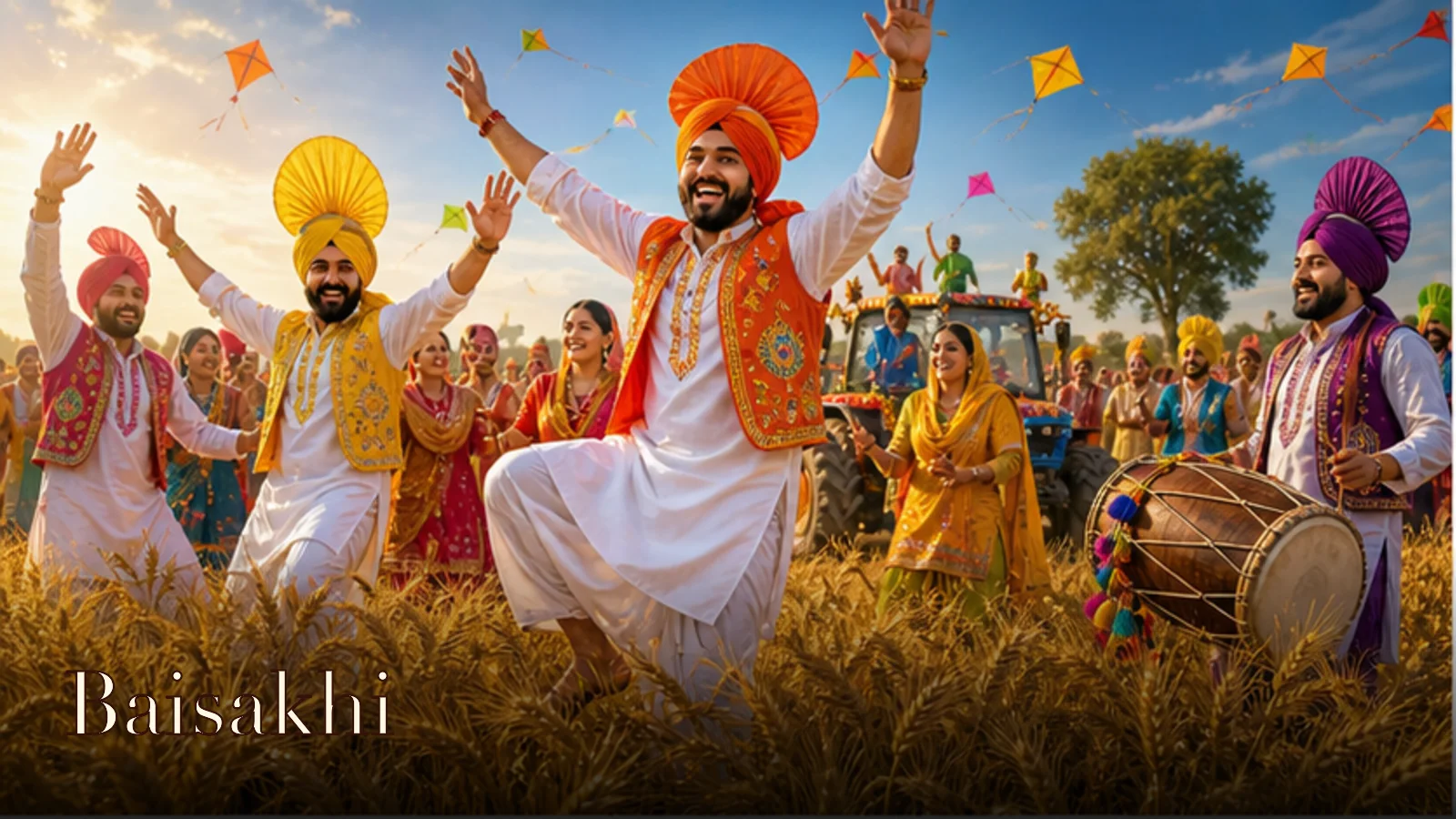
Baisakhi, also spelled Vaisakhi, is one of the most joyous and historically significant festivals celebrated across North , particularly in Punjab, Haryana, and among Sikh communities worldwide. Falling on April 13 or 14 each year according to the solar calendar, the festival marks the beginning of the harvest season when wheat fields are ready to be reaped, filling the countryside with golden abundance and communal rejoicing. The festival carries immense religious and historical weight for Sikhs, as it commemorates the founding of the Khalsa Panth by the tenth Sikh Guru, Guru Gobind Singh Ji, on Baisakhi day in 1699 at Anandpur Sahib. On this historic occasion, the Guru called upon his followers and initiated five devoted disciples — the Panj Pyare or Five Beloved Ones — into the Khalsa brotherhood, establishing a distinct identity for Sikhs with the five K's: Kesh, Kara, Kachera, Kangha, and Kirpan. This act transformed the Sikh community into a brotherhood of the pure, united in faith and ready to uphold righteousness. Across different regions of , the same solar transition is celebrated under different names: Bengalis celebrate Pohela Boishakh as their New Year, Assamese observe Rongali Bihu with great festivity, and Keralites mark the occasion as Vishu, considering the first sight of gold and prosperity auspicious. In all traditions, this April festival symbolizes renewal, gratitude for nature's bounty, and the optimism of a new beginning. Fairs, bhangra and gidda folk dances, communal meals at Gurudwaras called langars, and the singing of devotional hymns fill the day with spiritual energy and cultural pride.
Significance of Baisakhi
Baisakhi holds multilayered significance that encompasses the spiritual, agricultural, historical, and cultural dimensions of North Indian life: - Harvest Gratitude: Farmers offer thanksgiving for the successful wheat harvest, acknowledging divine grace in nature's abundance and praying for continued prosperity in the new agricultural year. - Sikh Religious Significance: The founding of the Khalsa Panth in 1699 makes this day the most important historical anniversary in Sikhism, celebrating the gift of a unified, fearless spiritual identity. - Solar New Year: Astrologically, the Sun enters Aries (Mesh Rashi) around this , marking the commencement of a new solar year and considered highly auspicious for new beginnings. - Cultural Renewal: Bhangra and Gidda dances symbolize the joy of life, community bonding, and the exuberant spirit of Punjabi culture that has spread across the globe. - Universal Brotherhood: The Khalsa ideal of equality — welcoming people of all castes into the brotherhood — carries a message of social justice and human dignity that resonates universally. - Regional Unity: The simultaneous celebration as Pohela Boishakh, Bihu, and Vishu highlights the shared solar consciousness across Indian civilizations despite linguistic and cultural diversity.
Deities worshipped on Baisakhi
Follow the links to explore each deity’s mantras, stories, and temples on Temples.bio.
Lord Vishnu
Cosmic sustainer honored during solar new year transition
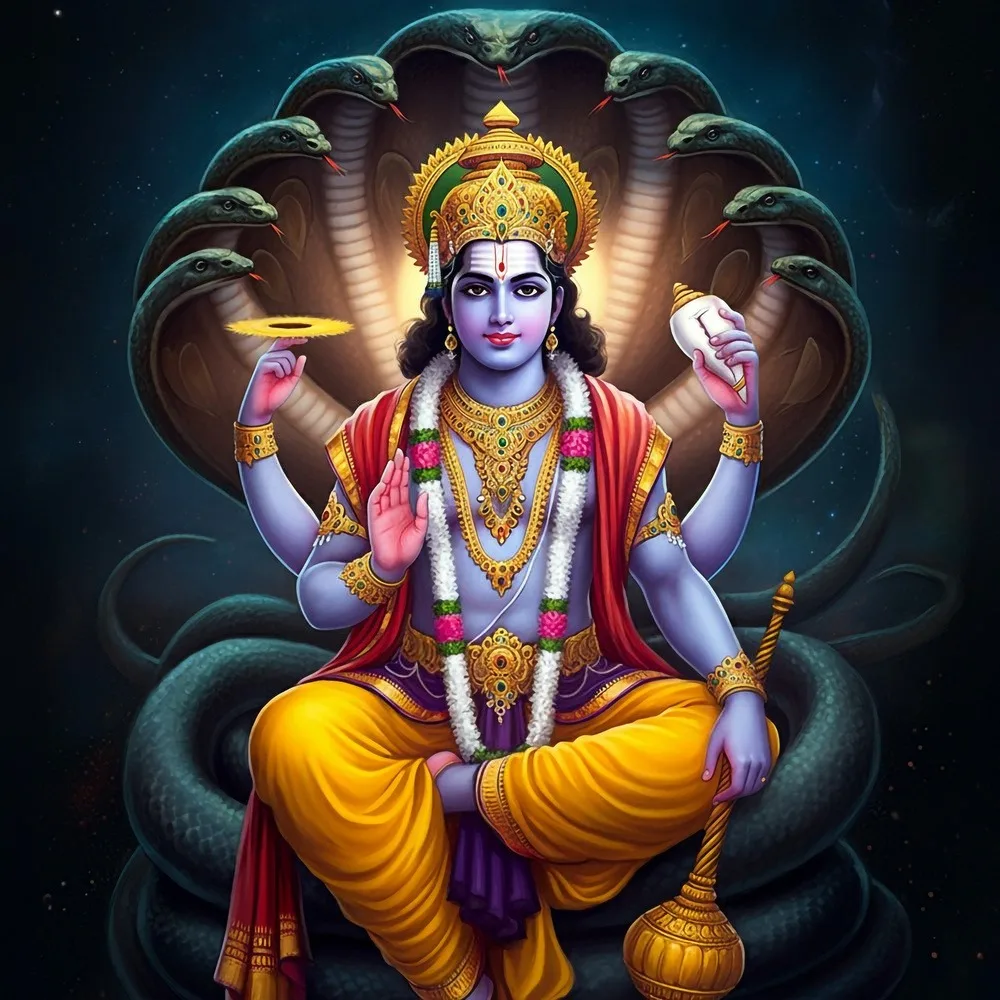
The Preserver of the Universe — the all-pervading Supreme Being who descends to Earth in divine avatars whenever righteousness declines and evil rises.
View deity →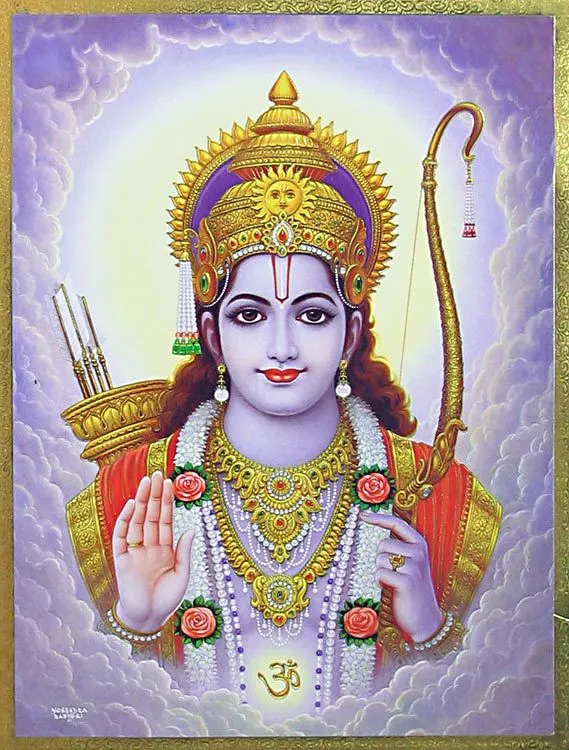
Lord Rama
Worshipped in concurrent Navratri traditions in some regions
The Ideal Man, Perfect King, and Seventh Avatar of Vishnu — whose life is the eternal standard of righteousness, duty, and devotion to dharma.
View deity →Baisakhi is primarily associated with Guru Gobind Singh Ji, the tenth and final human Guru of the Sikhs, who transformed the occasion into a landmark of faith in 1699. Guru Gobind Singh is revered as a warrior-saint who embodied divine courage and wisdom. On Baisakhi, he created the Khalsa, a community of initiated Sikhs who would uphold dharma without fear.
In Hindu traditions observed alongside Baisakhi, the Sun God Surya is honored as the divine force whose northward journey (Uttarayan) reaches Aries, initiating the solar new year. Farmers across Punjab also offer prayers to the Earth Goddess and local village deities for the harvest blessing. In the broader Hindu calendar context, Baisakhi coincides with worship of Vishnu as the sustainer of cosmic order who presides over seasonal transitions. In Kerala's Vishu, Lord Vishnu in his Thrikkakara Appan form is the central deity, and auspicious items including rice, fruits, flowers, and gold coins are arranged as Vishukkani for the first morning vision.
How to celebrate Baisakhi 2026
Step 1: Wake before sunrise, bathe, and wear fresh clothes — traditionally new garments symbolizing renewal.
Step 2: Sikhs proceed to the nearest Gurudwara for the morning prayers (Nitnem) and special Baisakhi kirtan (devotional singing).
Step 3: Participate in Nagar Kirtan — the procession of the Guru Granth Sahib through the streets, singing hymns and offering service.
Step 4: Listen to the Hukamnama (divine decree) from the Guru Granth Sahib and participate in the Ardas (prayer).
Step 5: Partake in the langar (community meal) served freely to all, embodying the Sikh value of equality and seva (selfless service).
Step 6: Hindu families perform puja at home — light a lamp, offer flowers, fruits, and sweets to the family deity, and pray for prosperity in the new solar year.
Step 7: Farmers visit their fields in the morning, offer a handful of harvested grain to God, and give thanks for the successful crop.
Step 8: Join community fairs and cultural programs where bhangra and gidda performances celebrate the harvest spirit.
Step 9: Share sweets — especially kada prasad, pinni, and jaggery-based treats — with neighbors and the less fortunate.
Step 10: In the evening, families gather for a festive meal featuring traditional Punjabi dishes like sarson da saag, makki di roti, lassi, and kheer.
Rituals & regional traditions
- Gurudwara Celebrations: The day begins with Amrit Vela (pre-dawn) prayers at Gurudwaras, with the Panj Pyare leading Nagar Kirtan processions.
- Amrit Sanchar: Initiations into the Khalsa brotherhood (Amrit Ceremony) are traditionally held on Baisakhi at major Gurudwaras.
- Bhangra and Gidda: Men perform the energetic bhangra dance and women perform gidda, both originally harvest folk dances of Punjab, now celebrated worldwide.
- Mela (Fair): Large fairs are held at rivers, Gurudwaras, and open grounds where communities gather for games, performances, and shopping.
- Vishukkani in Kerala: The first auspicious sight in the morning includes gold, coins, fruits, vegetables, flowers, and scripture arranged before the deity — believed to bring prosperity all year.
- Rongali Bihu in Assam: Young people wear traditional attire, perform the Bihu dance, exchange gamosas (handwoven scarves), and celebrate the Assamese New Year with feasting.
- Pohela Boishakh in Bengal: Bengali New Year begins with Prabhat Pheri (morning processions), Halkhata (new account books opened by traders), cultural programs, and festive foods.
- Bathing in Sacred Rivers: Hindus take a holy dip in rivers like the Ganga, Yamuna, and Beas, as the solar new year dip is considered highly purifying.
Spiritual benefits
- Purification of mind and soul through participation in kirtan and community prayer on this auspicious solar new year.
- Strengthening of community bonds and the spirit of brotherhood through shared langar and cultural celebrations.
- Renewal of personal resolve and spiritual intentions at the start of the solar new year, amplifying the power of prayers and vows.
- Accumulation of punya (merit) through seva (selfless service) at Gurudwaras and distribution of food and clothing to the needy.
- Gratitude practice that opens the heart to divine abundance, inviting continued prosperity and health in the coming year.
- For Sikhs, participating in Amrit Sanchar or witnessing the Khalsa initiation renews connection to the living legacy of the Gurus.
- Agricultural communities receive the blessing of continued fertility of land and protection from natural calamities through harvest thanksgiving rituals.
- Astrological benefit: The Sun's entry into Aries is considered powerful for new undertakings — starting new work or learning on this day carries divine blessing.
Mantras & sacred chants
Waheguru Simran Mantra:
Sanskrit/Gurmukhi: ਵਾਹਿਗੁਰੂ (Waheguru)
Meaning: "Wondrous Lord" — the primary Sikh mantra of divine remembrance, chanted continuously to invoke the presence of the Formless One and purify the mind.
Surya Namaskar Mantra (for Hindu solar new year):
Sanskrit: ॐ सूर्याय नमः (Om Suryaya Namah)
Meaning: "I bow to Surya, the Sun God" — chanted while facing the rising sun on Baisakhi morning to honor the solar new year and invoke vitality, clarity, and divine light.
Khalsa Prayer (Ardas opening):
Gurmukhi: ਸ੍ਰੀ ਭਗੌਤੀ ਜੀ ਸਹਾਇ, ਵਾਰ ਸ੍ਰੀ ਭਗੌਤੀ ਜੀ ਕੀ ਪਾਤਸ਼ਾਹੀ ੧੦
Meaning: Opening lines of the Ardas invoking the divine sword and Guru Gobind Singh's blessing — recited at the start of all Sikh prayers and especially on Baisakhi to honor the Khalsa founding.
Baisakhi 2026 — FAQs
Baisakhi 2026 falls on Tuesday, April 14, 2026. It is celebrated annually on April 13 or 14 when the Sun enters the Aries zodiac sign (Mesh Sankranti).
Baisakhi is celebrated for two main reasons: it marks the Punjabi harvest festival when wheat is ready to be reaped, and it commemorates the founding of the Khalsa Panth by Guru Gobind Singh Ji on April 13, 1699 at Anandpur Sahib.
For Sikhs, Baisakhi is the most historically significant day as it marks the creation of the Khalsa brotherhood in 1699 by the tenth Sikh Guru, Guru Gobind Singh Ji. The Panj Pyare (Five Beloved Ones) were initiated on this day, establishing the Sikh identity.
In Punjab, Baisakhi is celebrated with morning prayers at Gurudwaras, Nagar Kirtan processions, langar (community meals), bhangra and gidda folk dances, fairs (melas), and feasting on traditional Punjabi food like lassi, pinni, and kheer.
Baisakhi, Rongali Bihu (Assam), Pohela Boishakh (Bengal), and Vishu (Kerala) all fall around April 13-14 and mark the same solar event — the Sun entering Aries. Each is the regional New Year and harvest festival of its respective culture.
Baisakhi is known as Vaisakhi in Sikh tradition, Pohela Boishakh in West Bengal, Rongali Bihu or Bohag Bihu in Assam, Vishu in Kerala, and Puthandu in Tamil Nadu — all celebrating the solar new year on approximately the same date.
Amrit Sanchar is the Khalsa initiation ceremony performed on Baisakhi where Sikhs receive Amrit (holy water stirred with a double-edged sword) and formally become initiated Khalsa members, following the tradition started by Guru Gobind Singh in 1699.
Traditional Baisakhi foods include kada prasad (semolina halwa offered at Gurudwaras), pinni (wheat-jaggery sweets), sarson da saag with makki di roti, lassi, kheer, and fresh seasonal fruits celebrating the harvest.