About Bathukamma
Last updated:
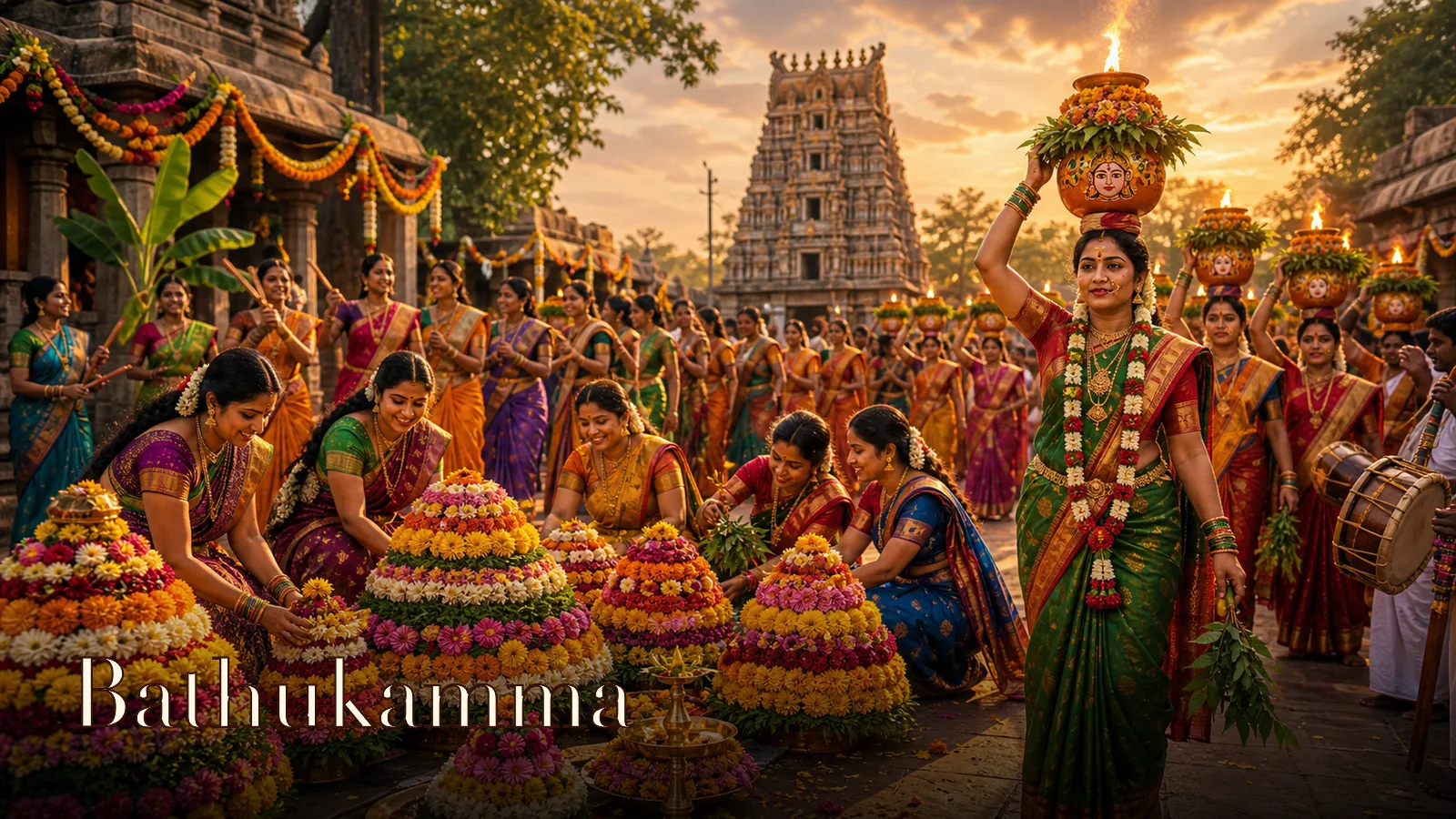
Bathukamma, meaning "Mother Goddess come alive," is the most beloved festival of Telangana, celebrated over nine glorious days from Bhadrapada Amavasya to Dasami (Durga Ashtami). The festival is a magnificent expression of womanhood, nature worship, and devotion to Goddess Gauri, a form of Parvati and Durga. Women across Telangana gather flowers — predominantly the bright yellow tangedu (Senna spectabilis), marigolds, lotus, gongura flowers, and seasonal blossoms — and stack them in a beautifully symmetrical conical tower called a Bathukamma. The arrangement is made on a brass plate (taambalam) in concentric circles, layer by layer, culminating in a turmeric lump at the top representing the goddess herself. Each of the nine days carries a specific name and ritual significance. The first day is Engili Pula Bathukamma (offerings using leftover flowers), followed by Atolla Bathukamma, Muddapappu Bathukamma, Nanabiyyam Bathukamma, Atla Bathukamma, Aligina Bathukamma, Vepakayala Bathukamma, Venna Muddala Bathukamma, and finally Saddula Bathukamma — the grand finale on Dasami. Women dress in colourful silk sarees, gather in groups, place the Bathukamma in the centre, and dance around it in circles singing traditional Bathukamma Paatalu — folk songs praising the goddess and celebrating the bounty of nature. On the final day, Saddula Bathukamma, the flower stacks are immersed in rivers, tanks, or water bodies. Sweets such as atla, puffed rice, and sesame are offered. The festival was inscribed on UNESCO's Intangible Cultural Heritage list, recognising it as a unique celebration of Telangana's cultural identity and the intimate relationship between women, nature, and the divine. The Telangana state government has elevated Bathukamma to a grand cultural event with public celebrations and official holidays.
Significance of Bathukamma
Bathukamma holds profound spiritual, cultural, and ecological significance for the people of Telangana: - Spiritual significance: Bathukamma is a direct invocation of Goddess Gauri (Parvati), the mother of the universe. The floral tower itself is considered a living embodiment of the goddess, and women's dance and song are acts of devotion (bhakti). - Cultural identity: The festival is the soul of Telangana's cultural heritage, preserving centuries-old folk music, art, and communal traditions exclusive to this region. - Celebration of womanhood: Bathukamma is primarily a women's festival, celebrating feminine energy, solidarity, and the creative power of women as custodians of tradition. - Nature worship: The deliberate use of seasonal wildflowers — especially tangedu — connects communities to local ecosystems, teaching ecological awareness through devotion. - Cosmic significance: Celebrated at the junction of monsoon and harvest season, Bathukamma marks the earth's fertility and abundance. Goddess Gauri as the earth mother blesses crops and family prosperity. - Community bonding: Women from all walks of life gather together, transcending caste and economic differences, reinforcing social harmony. - UNESCO recognition: The festival's inscription acknowledges its irreplaceable role in humanity's intangible cultural heritage.
Deities worshipped on Bathukamma
Follow the links to explore each deity’s mantras, stories, and temples on Temples.bio.
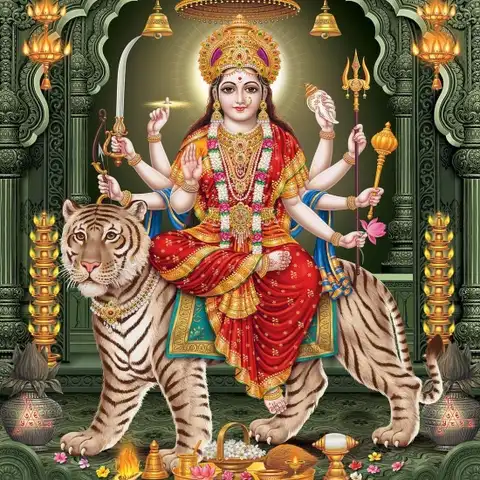
Goddess Durga
Primary deity — Goddess Gauri as a form of Durga is the central deity of Bathukamma
The Invincible Mother Goddess — Supreme Feminine Power who destroys evil, protects the righteous, and embodies the divine energy of the entire universe.
View deity →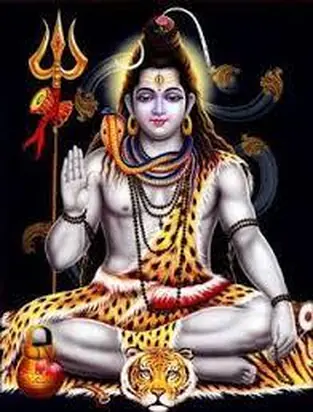
Lord Shiva
Consort of Goddess Gauri; venerated during the Bhadrapada sacred period
The Supreme Destroyer and Transformer of the Universe — The Adiyogi, Lord of Lords, and the First Yogi.
View deity →Bathukamma is dedicated to Goddess Gauri, a benevolent form of Goddess Parvati and an aspect of Durga. In Telangana tradition, Gauri is the mother of life itself — she who sustains, nurtures, and protects all creation. The turmeric mound placed at the apex of the floral tower symbolises Gauri's presence in her aniconic, primordial form.
According to local legend, Goddess Lakshmi took birth as a human child named Bathukamma (meaning "live, Mother") after being cursed. She lived and died as a mortal but was restored to divinity through the devotion of local women. Another legend connects the festival to Goddess Durga's victory over the demon Mahishasura, with Gauri blessing women with marital happiness and fertility. Lord Shiva, as Gauri's consort, is also venerated during this period, and many women observe Varalakshmi Vratha and Mangala Gauri Vrata in the same sacred month.
How to celebrate Bathukamma 2026
Step-by-step guide to celebrating Bathukamma at home:
1. Collect fresh seasonal flowers — tangedu (senna), marigold, lotus petals, gongura flowers, banti (chrysanthemum) — a day before.
2. Clean and decorate a brass plate (taambalam) or large flat tray.
3. Starting from the outer edge, arrange flowers in concentric circles, building upward in a cone shape. Alternate colours for visual effect.
4. Place a turmeric cone or turmeric-smeared coconut at the apex to represent Goddess Gauri.
5. Decorate with banana leaves around the base.
6. Prepare offerings (naivedya) specific to each day: atla (rice flour sweets), puffed rice, nuvvula (sesame), sugar, fruits.
7. Gather neighbours and family members in an open courtyard or community space in the evening.
8. Place the Bathukamma in the centre and light incense and diyas around it.
9. Women stand in a circle around the Bathukamma and begin singing traditional Bathukamma Paatalu while clapping and dancing in a rotating circle.
10. Offer naivedya to the goddess and distribute prasad among all participants.
11. On Saddula Bathukamma (9th day), carry the flower arrangement to the nearest water body — river, lake, or tank — and immerse it while singing farewell songs to the goddess.
Rituals & regional traditions
- Tangedu flowers (Senna spectabilis): The signature yellow wildflower is mandatory; considered sacred to Goddess Gauri and abundant during Bhadrapada season.
- Nine-day rituals: Each day has a specific name, naivedya, and ritual; the sequence from Engili Pula to Saddula Bathukamma follows a sacred narrative arc.
- Bathukamma Paatalu: Traditional folk songs sung in Telugu praising Gauri, nature, family, and womanhood — passed down orally through generations.
- Group dancing: Women dance in clockwise circles around the Bathukamma in the evening, a practice that is both devotional and communal.
- Saddula Bathukamma: Grand immersion on the 9th day (Dasami) is the climax — thousands of flower towers immersed in Hussain Sagar, Mir Alam Tank, and other water bodies in Hyderabad and across Telangana.
- Sweets and offerings: Atla (steamed rice cakes), puffed rice with jaggery, bobbatlu, and seasonal fruits are prepared as naivedya.
- State celebrations: Telangana government organises massive public Bathukamma events at Tank Bund, Hyderabad, with lakhs of women participating.
- Regional variation: In some areas, girls float small paper boats with diyas alongside the immersion as a prayer for blessings.
Spiritual benefits
- Blessings of Goddess Gauri for marital happiness, longevity of husband, and family prosperity
- Purification of mind and surroundings through fragrant flowers and devotional singing
- Strengthening of community bonds and women's social networks
- Preservation of traditional knowledge — folk songs, flower-arranging arts, seasonal ecology
- Fulfillment of wishes (manokamana) offered to the goddess during the nine-day vrata
- Spiritual merit equivalent to a full Navratri observance
- Children's health and protection blessings sought through the festival
- Environmental awareness and reverence for nature's seasonal cycles
Mantras & sacred chants
1. Gauri Gayatri Mantra
Sanskrit: ॐ सुभगायै च विद्महे काममालिन्यै धीमहि तन्नो गौरी प्रचोदयात्
Meaning: We meditate on the auspicious Gauri, adorned with garlands of desire. May that Goddess Gauri illuminate our intellect.
2. Shakti Panchakshara
Sanskrit: ॐ ह्रीं श्रीं क्लीं परमेश्वरि स्वाहा
Meaning: Salutations to the Supreme Goddess — the primordial energy (Hreem), abundance (Shreem), and divine love (Kleem). May she grant us liberation.
3. Bathukamma Prayer (Telugu folk invocation)
Sanskrit/Telugu: బతుకమ్మ బతుకమ్మ ఉయ్యాలో, బంగారు బతుకమ్మ ఉయ్యాలో
Meaning: Come alive, Mother, come alive! O golden Mother Goddess, come alive! (Traditional opening line of Bathukamma Paatalu invoking the goddess's living presence in the floral tower.)
Bathukamma 2026 — FAQs
Bathukamma 2026 is celebrated from September 11 to September 19, starting on Bhadrapada Amavasya and concluding with Saddula Bathukamma on Dasami (September 19).
Bathukamma is a 9-day floral festival of Telangana where women stack seasonal flowers into a conical tower and dance around it singing folk songs, honouring Goddess Gauri (Parvati).
The primary flower is tangedu (Senna spectabilis), a bright yellow wildflower. Marigold, lotus, gongura, banti (chrysanthemum), and other seasonal flowers are also used in the conical arrangement.
Saddula Bathukamma is the grand 9th-day finale of the festival, when women carry their flower stacks to rivers, lakes, or tanks and immerse them while singing farewell songs to Goddess Gauri.
Yes, Bathukamma has been inscribed on UNESCO's Intangible Cultural Heritage list, recognising it as a unique expression of Telangana's cultural identity and women's living traditions.
Collect seasonal flowers, arrange them in concentric circles on a brass plate building upward into a cone shape, place a turmeric mound at the top representing Goddess Gauri, offer sweets, and dance around it singing Bathukamma Paatalu.
Bathukamma celebrates Goddess Gauri as the mother of life, nature's abundance at harvest season, feminine solidarity, and Telangana's cultural heritage. It combines spiritual devotion with ecological awareness.
Traditional offerings include atla (steamed rice flour cakes), puffed rice mixed with jaggery, nuvvulundi (sesame balls), bobbatlu, and seasonal fruits specific to each of the nine days.