About Surya Shashti Chhath Puja
Last updated:
The Sun God, Surya, the god of energy and of the lifeforce, is worshipped during the Chhath Puja to promote wellbeing, prosperity and progress. Chhath Puja is also known as Surya Shashti, Chhath, Chhathi, Chhath Parv, Dala Puja and Dala Chhath. Chhath Puja Calendar including the Nahay Khay, LohandaKharna, Sandhya Arghya, Usha Arghya and Parana day is available here. Chhath Puja is a very popular festival dedicated to Lord Surya, mainly celebrated in Bihar and its neighboring regions.
Deities worshipped on Surya Shashti Chhath Puja
Follow the links to explore each deity’s mantras, stories, and temples on Temples.bio.
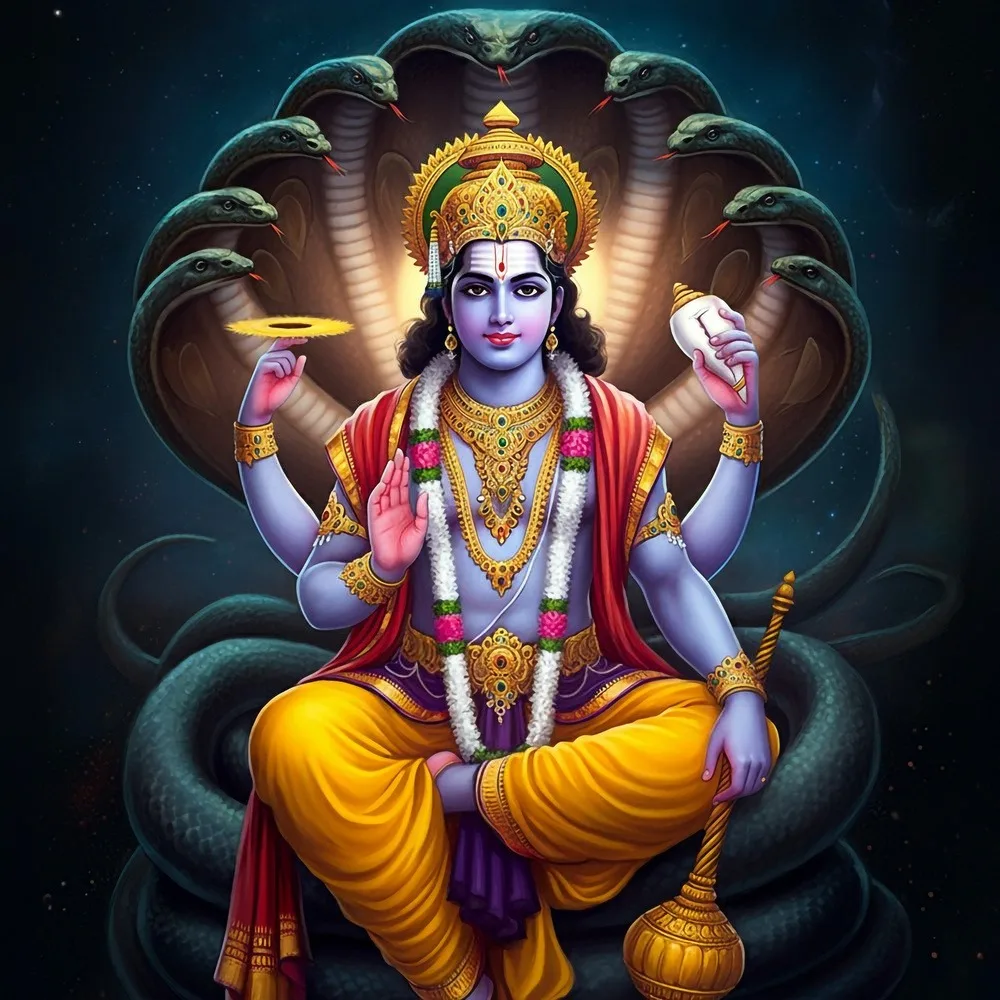
Surya (the Sun God) is the supreme deity of Chhath Puja. As the visible, life-giving force of the universe, Surya represents health, vitality, prosperity, and the direct manifestation of divine energy accessible to all. The offering of arghya (water oblation) to both the setting sun (evening) and the rising sun (morning) acknowledges his role as sustainer of all life.
Chhathi Maiya (Shashthi Devi) is the co-deity of the festival. She is a form of Prakriti (Nature) and the goddess who protects newborns and children on the sixth day after birth (Chhath). She is considered Surya's sister in folk tradition. Devotees pray to her for the health, long life, and prosperity of their children and family members. Together, Surya and Chhathi Maiya represent the cosmic life force and the maternal protective energy that sustains human existence.
How to celebrate Surya Shashti Chhath Puja 2026
Chhath Puja is also known as Surya Shashti, Chhath, Chhathi, Chhath Parv, Dala Puja and Dala Chhath. Chhath Puja Calendar including the Nahay Khay, LohandaKharna, Sandhya Arghya, Usha Arghya and Parana day is available here. Chhath Puja is a very popular festival dedicated to Lord Surya, mainly celebrated in Bihar and its neighboring regions. Snan Muhurat on Ratha Saptami is given on this page. Saptami Tithi is dedicated to Lord Surya. It is believed that Lord Surya Dev started enlightening the whole world on Ratha Saptami day. Ratha Saptami is also known as Surya Jayanti
Spiritual benefits
- Blessings of Surya Dev for health, vitality, strong eyesight, and freedom from skin and liver diseases
- Protection and long life for children through the grace of Chhathi Maiya
- Purification of mind, body, and spirit through the extreme austerity of the four-day fast
- Removal of sins and negative karma accumulated over multiple lifetimes
- Prosperity, success, and abundance for the entire family
- Strengthening of community bonds and social harmony through collective worship
- Direct connection to Vedic solar energy — pranic vitality and mental clarity
- Fulfillment of wishes (manokamna) and resolution of long-standing life obstacles
Mantras & sacred chants
1. Surya Arghya Mantra
Sanskrit: ॐ सूर्याय नमः, ॐ आदित्याय नमः, ॐ नमो भगवते श्री सूर्याय नमः
Meaning: Om, salutations to Surya; Om, salutations to Aditya (the radiant one); Om, I bow to the divine Lord Surya — chanted while offering arghya water to the sun.
2. Chhath Puja Prayer
Sanskrit: ॐ ह्रां ह्रीं ह्रौं सः सूर्याय नमः
Meaning: This is the Surya Beej Mantra using the seed syllables of solar energy (Hraam Hreem Hraum Sah); it directly invokes the life force of the sun and is considered supremely powerful for health and vitality.
3. Chhathi Maiya Vandana
Sanskrit: देवी षष्ठी नमस्तुभ्यं सन्तानं देहि मे सदा
Meaning: O Goddess Shashthi, I bow to you; please always bless me with the well-being of my children — recited in prayers to Chhathi Maiya for child protection and family prosperity.
Surya Shashti Chhath Puja 2026 — FAQs
Chhath Puja 2026 main day (Sandhya Arghya) falls on Sunday, October 18, 2026. The four-day festival begins on October 15 (Nahay Khay) and concludes on October 19 (Usha Arghya at sunrise).
The four days of Chhath Puja 2026 are: Day 1 Nahay Khay (Oct 15), Day 2 Kharna/Lohanda (Oct 16), Day 3 Sandhya Arghya/Sunset offering (Oct 17-18), and Day 4 Usha Arghya/Sunrise offering (Oct 19).
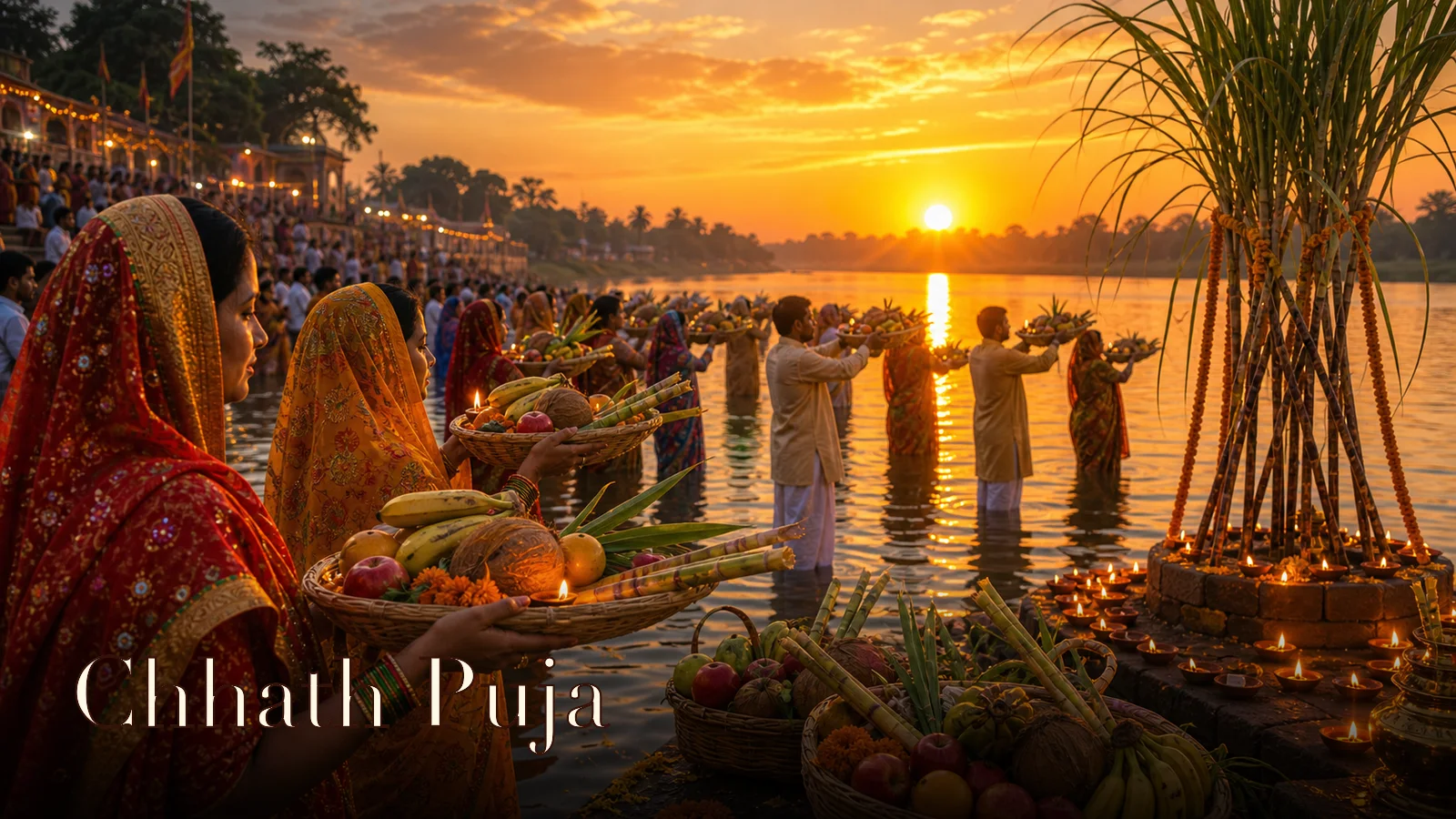
Sandhya Arghya is the evening sunset offering on the third day of Chhath Puja. Devotees stand in river water facing the setting sun and offer arghya — water poured from a copper vessel — along with fruits, thekua, and sugarcane in a bamboo basket.
Thekua is the traditional prasad of Chhath Puja — a deep-fried sweet cookie made from wheat flour and jaggery, cooked on a wood fire without salt. It is shaped in molds and offered in the bamboo sup (basket) during arghya.
Chhath Puja is celebrated to worship Surya (the Sun God) for health, vitality, and prosperity and to seek the blessings of Chhathi Maiya for the well-being of children. It is a Vedic festival that directly preserves ancient Surya worship traditions from the Rigveda.
Chhath Puja is most prominently celebrated in Bihar, Jharkhand, eastern Uttar Pradesh, and the Terai region of Nepal. Due to large-scale migration, it is now also celebrated in Delhi, Mumbai, and across the Indian diaspora worldwide.
Yes, Chhath Puja can be performed at home using a large tub, tank, or any clean water body. The rituals — standing in water, offering arghya at sunset and sunrise — remain the same. Many urban devotees observe the fast completely at home.
Chhath Puja and Surya Shashthi refer to the same festival. Chhath is the colloquial name widely used in Bihar and Jharkhand, while Surya Shashthi is the Sanskrit name referring to the Shashthi tithi of Kartik Shukla Paksha on which Surya is worshipped.