About Pushkar Fair
Last updated:
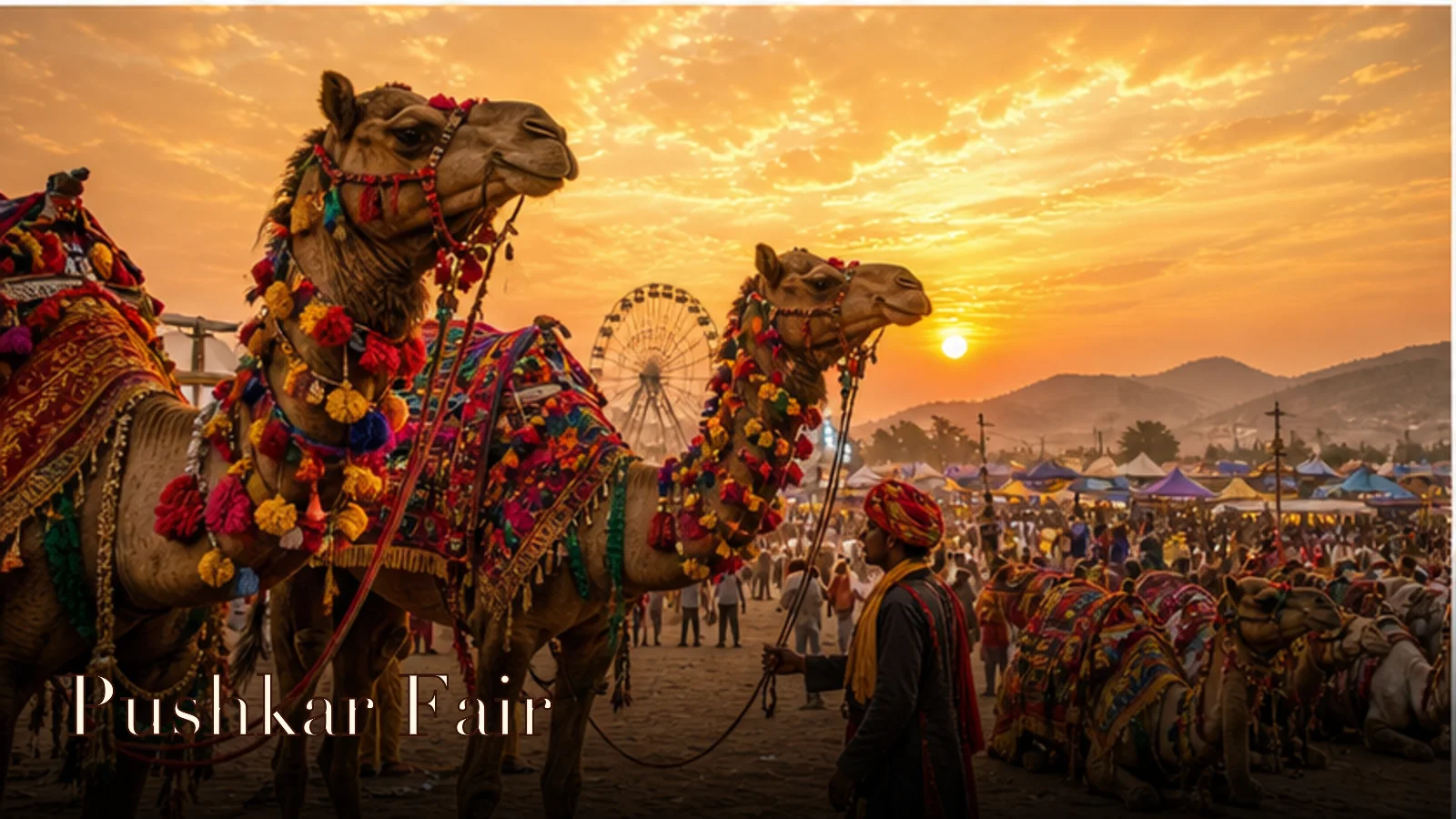
The Pushkar Fair, known as Pushkar Mela or Pushkar Camel Fair, is one of the most extraordinary events in — a unique confluence of religious pilgrimage, cultural celebration, and traditional commerce held on the banks of the sacred Pushkar lake in Rajasthan. Taking place every year around Kartik Purnima (the full moon of the Hindu month of Kartik), the fair draws hundreds of thousands of pilgrims, traders, tourists, and performers from across and around the world. At its spiritual core, Pushkar is one of the holiest tirthas in Hinduism. The city is home to the only major Brahma temple in all of — the Brahma Mandir Pushkar — making it an irreplaceable pilgrimage destination. Devotees believe that bathing in the Pushkar lake on Kartik Purnima cleanses all sins and grants moksha. The 52 ghats surrounding the lake are crowded with pilgrims who perform holy dips, offer diyas, and pray to Lord Brahma throughout the festival fortnight. Beyond the spiritual, the Pushkar Fair is a spectacular living showcase of Rajasthani culture. Tens of thousands of camels, horses, and cattle are brought to trade, adorned in colorful decorations. Folk musicians, puppeteers, acrobats, and dancers perform under the open desert sky. Competitions like the longest moustache contest, turban tying, and camel races add to the carnival atmosphere. The fair transforms Pushkar into a vivid tapestry of colour, sound, and tradition that has made it one of the most photographed events in Asia.
Significance of Pushkar Fair
The spiritual significance of the Pushkar Fair runs deep into the foundations of Hindu cosmology and devotion: - Brahma's Yajna Site: Pushkar is believed to be the site where Lord Brahma performed a grand yajna (fire sacrifice), and the lotus flower that fell from his hand gave the lake its name — "Pushkar" meaning lotus. - Panch Tirthas: Pushkar is counted among the Panch Tirthas (five sacred pilgrimage sites) and visiting it is said to be equivalent to visiting all other tirthas combined. - Kartik Purnima: The full moon of Kartik is cosmically the most auspicious day for holy bathing. The Ganga itself is believed to descend into all sacred water bodies on this day. - Only Brahma Temple: Since Brahma temples are extremely rare in , Pushkar holds an unmatched spiritual status for worshippers of the Creator deity. - Moksha and Liberation: A dip in Pushkar lake on Kartik Purnima is believed to liberate the soul from the cycle of birth and death. - Cultural Continuity: The fair preserves centuries-old Rajasthani traditions of camel trading, folk art, and community gathering that connect modern to its pastoral heritage. - Cosmic Convergence: The simultaneous occurrence of Kartik Purnima and the trading fair is seen as a blessing — commerce blessed by divine grace.
Deities worshipped on Pushkar Fair
Follow the links to explore each deity’s mantras, stories, and temples on Temples.bio.
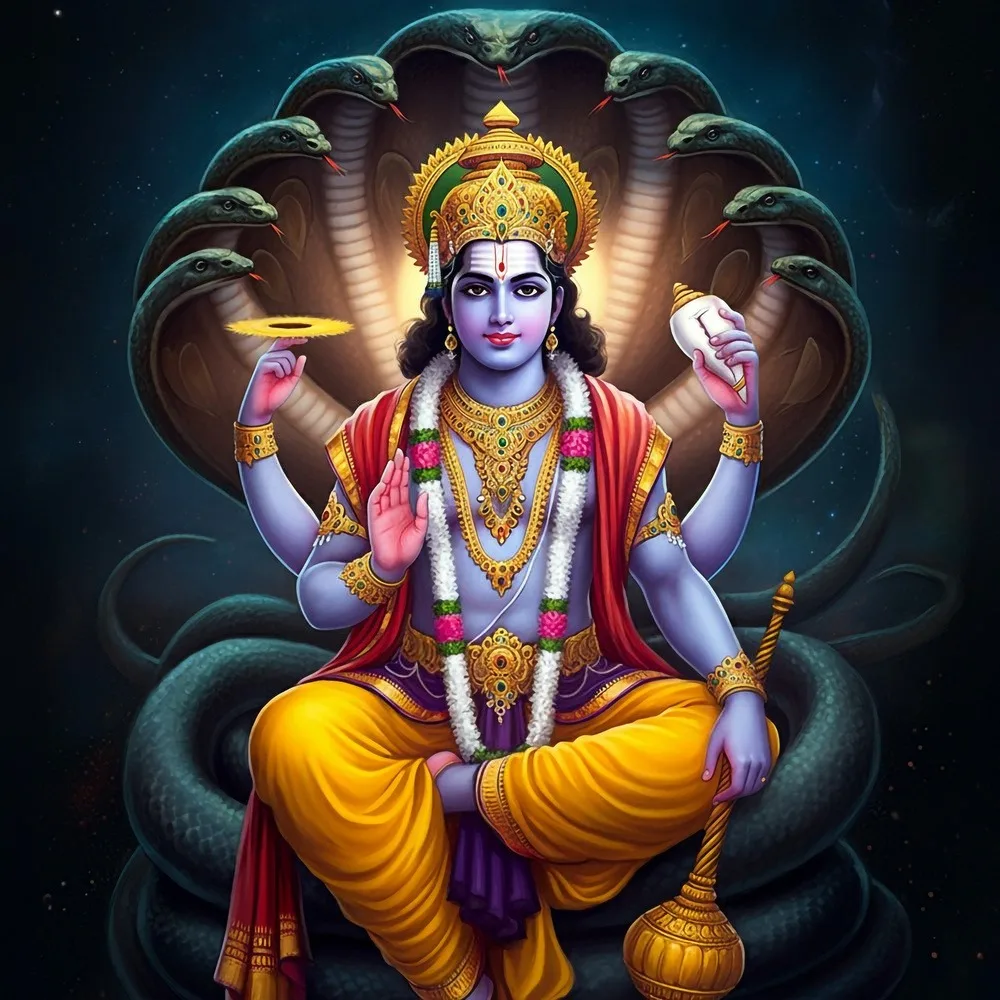
Lord Vishnu
Worshipped at the Varaha temple and lake ghats during the fair
The Preserver of the Universe — the all-pervading Supreme Being who descends to Earth in divine avatars whenever righteousness declines and evil rises.
View deity →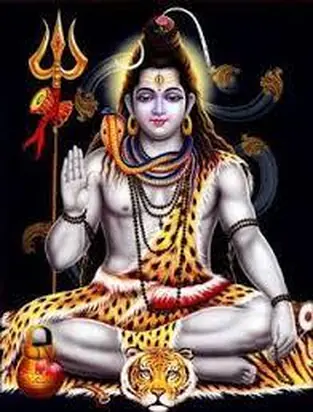
Lord Shiva
Shiva shrines along the ghats receive devotion from pilgrims during Kartik Purnima
The Supreme Destroyer and Transformer of the Universe — The Adiyogi, Lord of Lords, and the First Yogi.
View deity →The presiding deity of Pushkar is Lord Brahma, the Creator in the Hindu Trinity (Trimurti). The Brahma Mandir at Pushkar, believed to be over 2,000 years old, houses a four-faced image of Brahma and is the principal temple of the fair. According to legend, Brahma chose Pushkar for his yajna because it was a place of pristine purity. His consort Savitri, who arrived late to the ceremony, cursed Brahma that he would not be worshipped elsewhere — which is why Pushkar remains his only major temple. Goddess Savitri and Goddess Gayatri are also worshipped at separate hilltop temples in Pushkar. Lord Shiva and Lord Vishnu shrines also dot the lakeside ghats, receiving devotion from pilgrims during the fair. The Varaha temple at Pushkar, dedicated to the boar avatar of Vishnu, is another important site visited during the mela.
How to celebrate Pushkar Fair 2026
1. Plan your arrival for the week before Kartik Purnima to secure accommodation and participate in the full fair experience.
2. Before entering the fair grounds, proceed to one of the 52 ghats surrounding Pushkar lake for a ceremonial holy dip (Pushkar Tirth Snan).
3. Offer prayers at the Brahma Mandir — remove footwear, wash hands and feet, and enter the sanctum for darshan of the four-faced Brahma idol.
4. Perform the Pushkar Puja: purchase puja samagri (flowers, coconut, akshat, agarbatti) from the ghat steps and perform the puja under the guidance of a local panda (priest).
5. Light diyas and float them on the lake at dusk, especially on Kartik Purnima night.
6. Visit Savitri Mata Temple (accessible by ropeway) and Gayatri Temple for additional blessings.
7. Walk through the camel and livestock fair grounds, observing the trading and cultural programs.
8. Attend the evening aarti at the lake ghats — this is the spiritual high point of each day.
9. On Kartik Purnima (the main day), take the sacred dip before sunrise (Brahma muhurta) for maximum spiritual benefit.
10. Fast on Kartik Purnima if following strict observance, breaking the fast after the evening aarti.
Rituals & regional traditions
- Holy Dip (Pushkar Snan): Bathing in Pushkar lake, especially before sunrise on Kartik Purnima, is the primary ritual — believed to cleanse accumulated karmas
- Brahma Puja: Offering flowers (especially lotus), akshat, and dhoop to Lord Brahma at the main mandir
- Diya Floating: Devotees float earthen lamps (diyas) filled with ghee on the lake every evening throughout the fair
- Ghat Puja: Each of the 52 ghats has its own presiding deity; pilgrims perform specific pujas at different ghats
- Camel Decoration Contest: A Rajasthani tradition where camels are adorned with colourful embroidery, bells, and jewellery
- Kalpavas: Some devout pilgrims observe Kalpavasa — residing near the lake for the entire fortnight in fasting and prayer
- Parikrama: Circumambulation of the Pushkar lake (approximately 7 km) as an act of devotion
- Folk Performances: Kalbeliya dance, puppet shows, and camel races are cultural offerings considered part of the celebratory worship
- Til-Gur Dana: Offering sesame seeds and jaggery to Brahma as part of the kartik month rituals
Spiritual benefits
- Bathing in Pushkar lake on Kartik Purnima is believed to grant liberation (moksha) from the cycle of rebirth
- Worshipping Lord Brahma at Pushkar is said to bestow the merit of completing all four dhams (Char Dham Yatra)
- The holy dip is believed to cure diseases and purify the physical and subtle bodies
- Offering prayers at Brahma Mandir is said to remove planetary afflictions, especially those related to the planet Jupiter
- Participating in the Pushkar fair is believed to bring prosperity, good harvest, and success in trade for the year ahead
- Performing diya dana (lamp offering) at the lake ghats is said to illuminate the path of departed ancestors
- The pilgrimage is believed to bestow the blessings of Lord Brahma — creativity, wisdom, and divine knowledge
- Observing Kartik Purnima vrat and snan at Pushkar is said to fulfill sincere wishes and prayers
Mantras & sacred chants
OM BRAHMADEVAYA NAMAHA
Meaning: Salutations to Lord Brahma, the Creator — chanted while performing puja at Brahma Mandir to invoke the blessings of the Creator deity.
OM NAMO BRAHMADEVAYA VEDAJANAKAYA NAMAH
Sanskrit: ॐ नमो ब्रह्मदेवाय वेदजनकाय नमः
Meaning: Salutations to Lord Brahma, the father of the Vedas — chanted during the holy dip and ghat puja for purification and wisdom.
OM PUSHKARAYA VIDMAHE, BRAHMAPUTRAYA DHIMAHI, TANNO PUSHKARAH PRACHODAYAT
Sanskrit: ॐ पुष्कराय विद्महे ब्रह्मपुत्राय धीमहि तन्नो पुष्करः प्रचोदयात्
Meaning: A Gayatri-style mantra dedicated to Pushkar Tirtha — We know Pushkar, we meditate on the son of Brahma, may Pushkar illumine us. Chanted while bathing in the lake.
Pushkar Fair 2026 — FAQs
Pushkar Fair 2026 runs from November 13 to November 25, with the main Kartik Purnima holy dip on November 25, 2026.
Pushkar Fair is held on Kartik Purnima at the sacred Pushkar lake, home to the only major Brahma temple in India. Bathing in the lake on this day is believed to grant moksha and cleanse all sins.
Lord Brahma, the Creator in the Hindu Trinity, is the presiding deity of Pushkar. The Brahma Mandir at Pushkar is the only major Brahma temple in India.
Pushkar Fair typically spans 12 to 13 days around Kartik Purnima. The 2026 fair runs from November 13 to November 25.
Pushkar Tirth Snan is the sacred bath in Pushkar lake, especially taken on Kartik Purnima. It is believed to cleanse all sins, cure diseases, and grant liberation from the cycle of rebirth.
According to legend, Brahma's consort Savitri cursed him that he would not be worshipped elsewhere after he performed the Pushkar yajna without waiting for her. This is why Pushkar's Brahma Mandir remains the only major Brahma temple in India.
Visitors should take a holy dip at one of the 52 ghats, attend aarti at the lake, visit Brahma Mandir, climb to Savitri temple, and experience the camel fair, folk music, and Rajasthani cultural events.
Yes, Pushkar Fair coincides with Kartik Purnima. The fair builds up over the fortnight leading to the full moon, with Kartik Purnima being the most sacred day for the holy dip.