Anjanadri Hill Temple
✓
Anjanadri Hill Temple
✓
📍 Hanumanahalli, near Hampi
National SignificanceAnjanadri Hill near Hampi is believed to be Hanuman’s birthplace. It sits a top AnjanadriHill, and getting there requires a bit of a climb. But once you’re up, the panoramic views of the ancient ruins are absolutely stunning. The peaceful, spiritual atmosphere makes it a great spot for reflection and connecting with nature.

🕒 Practical Information
🕉️ Spiritual Details
Anjaneya, Vayuputra
🕉️ Divine Snapshot
Anjanadri Hill, Hanumanahalli, Gangavathi Taluk, Koppal District, Karnataka, 583227.

Hanuman Chalisa
Access the complete 40 verses of Hanuman Chalisa with authentic lyrics in Sanskrit, Hindi, and English. Perform daily prayers with word-by-word translations, listen to high-quality audio chants, and download the free PDF to practice offline.
Read NowSpiritual Highlights
The temple is believed to radiate strong Vayu Shakti, the divine energy of the Wind God. This energy is said to enhance courage, physical strength, mental clarity, and unwavering faith among devotees.
Devotees strongly believe that sincere prayers at Anjanadri remove long-standing obstacles, protect from negative forces, and bring solutions to personal, health, and career-related problems. Many pilgrims share experiences of prayers being answered after visiting the temple.
Common practices include climbing the hill as an act of devotion, chanting Hanuman Chalisa and Rama Nama, offering coconuts and sindoor, and observing fasts on Tuesdays, Saturdays, and Hanuman Jayanti to seek Lord Hanuman’s blessings.
Worship at Anjanadri Hill is believed to grant inner strength, fearlessness, emotional peace, protection from evil influences, and steady spiritual growth, helping devotees lead a disciplined and devoted life.
About Anjanadri Hill Temple
Anjanadri Hill forms part of the legendary Kishkindha Kshetra mentioned in the Ramayana. According to tradition, Anjana Devi, the mother of Hanuman, performed intense penance here, and Lord Hanuman was born on this sacred hill—hence the name Anjanadri.
The temple sits atop a hill that requires devotees to climb around 550–575 stone steps. Though the climb is steep, the journey is considered an act of devotion, and the reward at the top is immense—both spiritually and visually. The hilltop offers breathtaking panoramic views of the Tungabhadra River, paddy fields, and the ruins of Hampi.
The presiding deity is Lord Hanuman in a calm and blessing posture, symbolizing strength, devotion, courage, and humility. The temple is especially vibrant on Hanuman Jayanti, when thousands of devotees visit to seek blessings.
Architecture & Heritage
Vijayanagara Style (Ramayana Period (belief))
Hilltop shrine with panoramic views
Hanuman idol and sacred hill
Festivals & Celebrations
Special abhishekam on Hanuman Jayanti
Festival season pilgrimages
Rituals & Traditions
Daily pujas and archana
Sacred hill climb tradition
Fruits and sweets
Visitor Guidelines
Men are encouraged to wear dhoti or trousers with shirts, and women should wear sarees, salwar kameez, or other decent attire, as this is a sacred pilgrimage site.
Due to the steep ascent, the temple is not wheelchair accessible, and elderly devotees or those with health issues are advised to take adequate rest and precautions during the climb.
Nearby Temples (9)
Within about 200 km driving distance from Anjanadri Hill Temple. Plan a yatra and cover as many of these as you can.

Hampi Virupaksha Temple
Hampi, Karnataka

Sri Narasimha Eranna Swamy Devasthanam
Urukunda, Kurnool
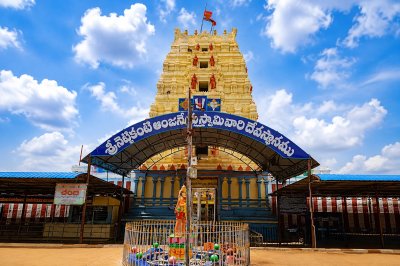
Sri Nettikanti Anjaneya Swamy Vari Devasthanam
Kasapuram

Sri Lakshmi Narasimha Swamy Temple, Penna Ahobilam
Penna Ahobilam, Uravakonda
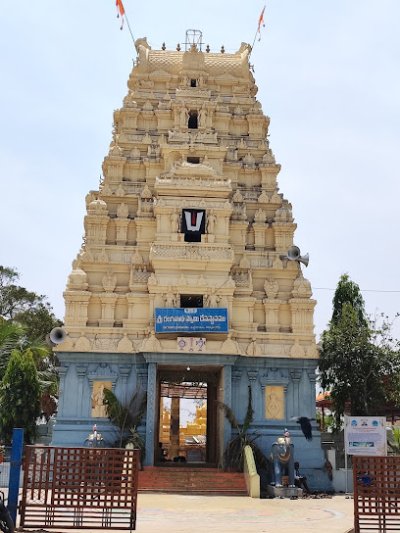
Sri Ranganatha Swamy Temple, Peravali
Peravali Village, Maddikera East Mandal, Andhra Pradesh
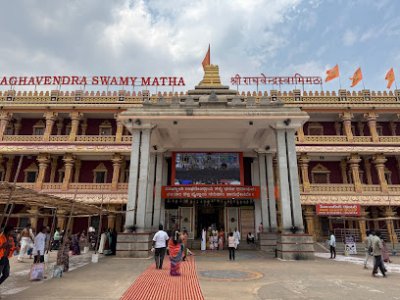
Mantralayam Raghavendra Swamy Mutt
Mantralayam, Kurnool District, Andhra Pradesh
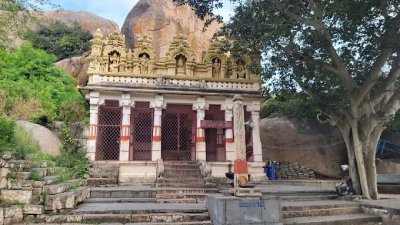
Ekanathamma Temple (Chitradurga Fort)
Chitradurga Town, Karnataka
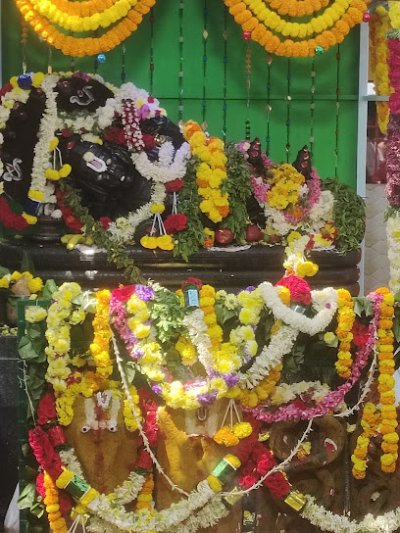
Sri Aswarthanarayana and Bheemalingeswara Swamy Temple
A.Pappur, P.Pappur
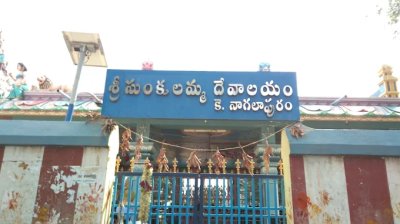
Sri Sunkulaparameswari Devatha Temple
K. Nagalapuram Village, Kodumur Mandal, Kurnool District
🕉️ Divine Snapshot
Lord Rama, Sita, Anjana Devi, Vayu
Anjanadri Hill, Hanumanahalli, Gangavathi Taluk, Koppal District, Karnataka, 583227.
How to Reach
Jindal Vijaynagar Airport (65 km)
Hospet Railway Station (20 km)
Anegundi Bus Stop (3 km)
Visit early morning or evening; carry water.