About Diwali
Last updated:
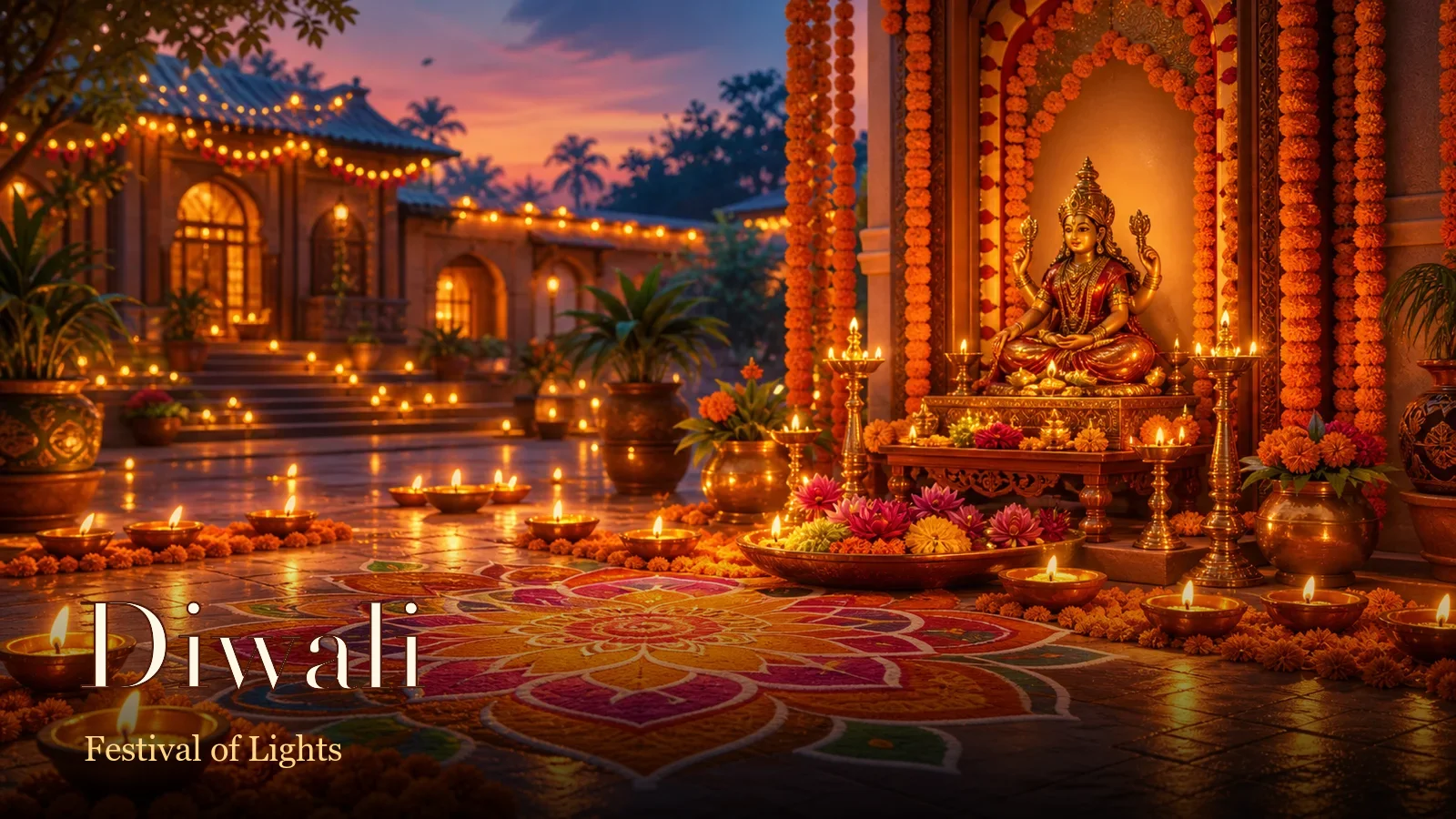
Diwali (Deepavali) is among the most beloved festivals in Hindu tradition — a luminous celebration when darkness gives way to light, and homes across welcome prosperity, peace, and divine grace. The name Deepavali means a row of lamps (deepa + avali). On the Amavasya night of Kartik month, families light clay diyas, decorate doorways with rangoli, and offer heartfelt puja to Goddess Lakshmi and Lord Ganesha — the remover of obstacles who opens every auspicious beginning. For millions of devotees, Diwali also echoes the triumphant return of Lord Rama to Ayodhya after fourteen years in exile — a story of dharma prevailing over adharma, celebrated with joy, sweets, and the glow of countless lamps.
Significance of Diwali
Diwali marks the spiritual victory of light over darkness and good over evil. In the Ramayana tradition, it commemorates Lord Rama's return to Ayodhya. In many regions, it also honours Krishna's victory over Narakasura. On the lunar calendar, the main observance falls on Kartik Krishna Amavasya — the new moon when Lakshmi is believed to visit well-lit, clean homes. The five-day festival cluster (Dhanteras through Bhai Dooj) weaves together themes of wealth, health, knowledge, and family bonds. - Dhanteras — worship of Dhanvantari and new purchases - Naraka Chaturdashi (Choti Diwali) — early-morning abhyanga and lamp lighting - Lakshmi Puja (Main Diwali) — primary night of diyas and Lakshmi-Ganesha puja - Govardhan Puja / Annakut — especially in North - Bhai Dooj — bond between brothers and sisters
Deities worshipped on Diwali
Follow the links to explore each deity’s mantras, stories, and temples on Temples.bio.
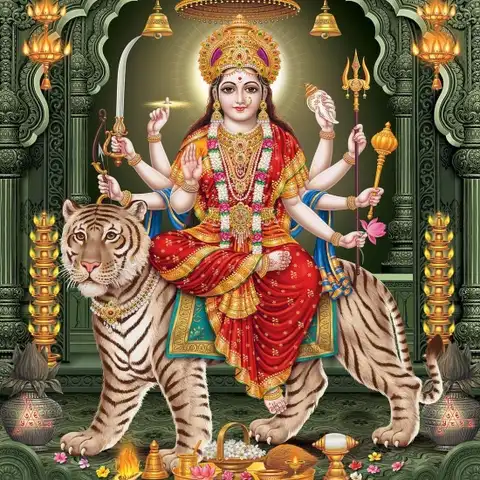
Goddess Lakshmi
Primary — Lakshmi Puja
The Invincible Mother Goddess — Supreme Feminine Power who destroys evil, protects the righteous, and embodies the divine energy of the entire universe.
View deity →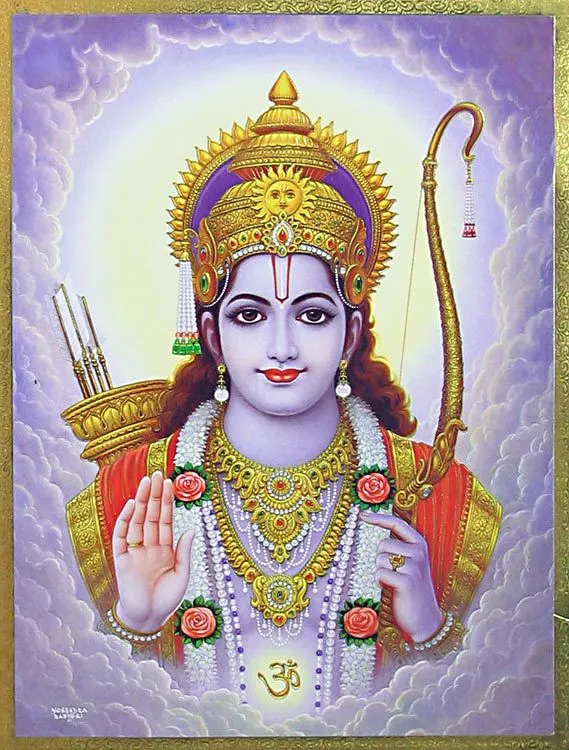
Lord Rama
Ayodhya homecoming
The Ideal Man, Perfect King, and Seventh Avatar of Vishnu — whose life is the eternal standard of righteousness, duty, and devotion to dharma.
View deity →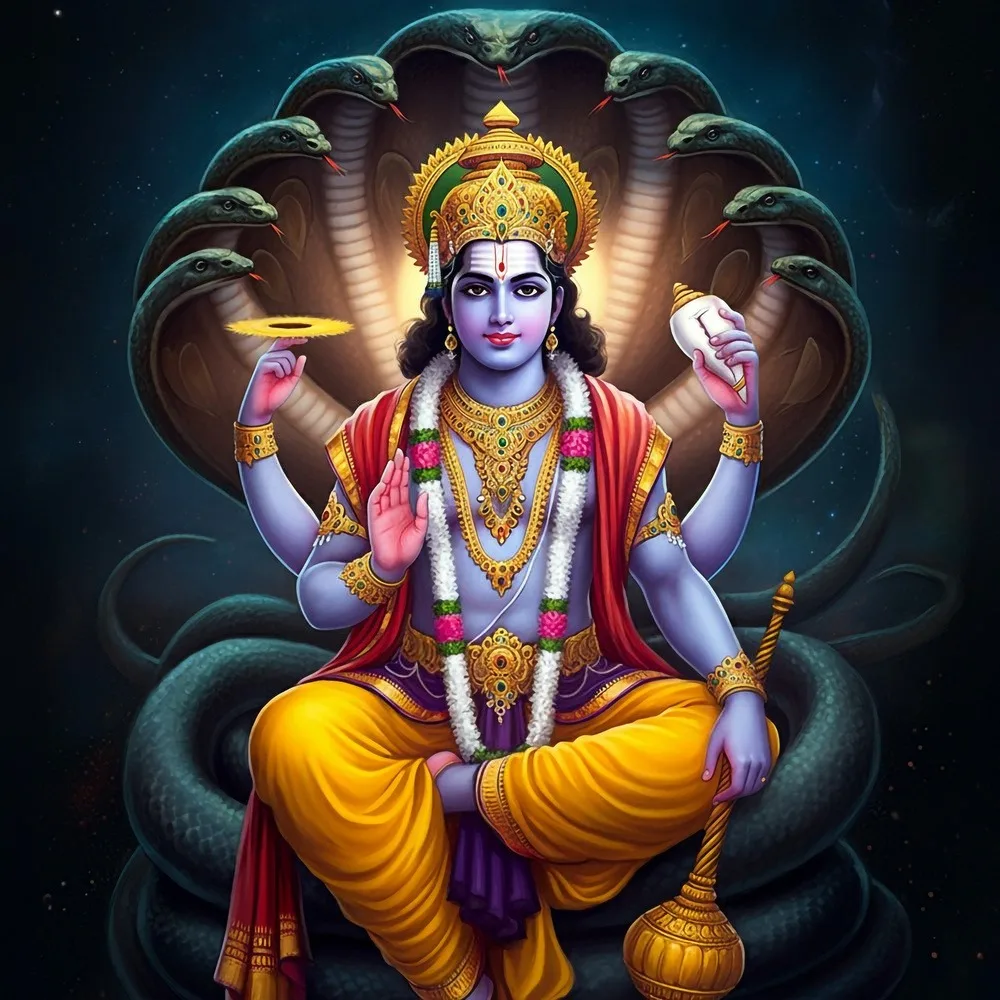
Lord Krishna
Naraka Chaturdashi
The Preserver of the Universe — the all-pervading Supreme Being who descends to Earth in divine avatars whenever righteousness declines and evil rises.
View deity →Goddess Lakshmi — deity of wealth, fortune, and auspiciousness; worshipped on the main night so prosperity may dwell in the home.
Lord Ganesha — invoked first in Lakshmi Puja as Vighnaharta (remover of obstacles); tradition holds that Lakshmi stays where Ganesha is honoured.
Lord Rama & Sita — Ayodhya's homecoming narrative gives Diwali its deep emotional resonance across North and Central India.
Lord Krishna — in parts of South India, Krishna's conquest of Narakasura is central to the eve before main Diwali.
Regional variations abound — Kali Puja in Bengal, Bandi Chhor Divas for Sikhs, and Jain traditions marking Mahavira's nirvana — yet the lamp remains the universal symbol.
How to celebrate Diwali 2026
Before Diwali (1–3 days prior)
- Deep-clean the home — Lakshmi is said to favour cleanliness
- Discard broken items; organise the puja space
- Prepare diyas, wicks, oil/ghee, incense, flowers, sweets, and new utensils if buying on Dhanteras
Dhanteras
- Light a diya at the entrance; many buy gold, silver, or steel items as auspicious
- Offer prayers to Dhanvantari for health
Naraka Chaturdashi (Choti Diwali)
- Early-morning oil bath (abhyanga snan) before sunrise in many traditions
- Light lamps to ward off inauspicious forces
Main Diwali — Lakshmi Puja evening
1. Place a clean cloth on a chowki; install Lakshmi and Ganesha murtis or images
2. Light the lamp; offer flowers, rice, vermillion, and sweets
3. Recite Lakshmi mantras and Ganesha aarti
4. Offer naivedya (sweets, fruits); perform aarti with camphor
5. Light diyas throughout the home — especially at the entrance and near the altar
6. Open doors/windows so light welcomes the Goddess
7. Share prasad with family; exchange gifts and blessings
After main puja
- Many keep some diyas burning through the night
- Avoid leaving the altar unattended while flames are lit
Rituals & regional traditions
Five days of Diwali (2026 reference dates)
- Day 1 — Dhanteras: Wednesday, 5 November 2026
- Day 2 — Naraka Chaturdashi: Thursday, 6 November 2026
- Day 3 — Lakshmi Puja (Main Diwali): Sunday, 8 November 2026
- Day 4 — Govardhan Puja: Monday, 9 November 2026
- Day 5 — Bhai Dooj: Tuesday, 10 November 2026
Home traditions
- Rangoli — colourful patterns at the entrance welcoming guests and deities
- Diyas & lanterns — rows of earthen lamps; electric lights complement in modern homes
- Sweets & savouries — ladoo, barfi, chakli, murukku, and family recipes
- New clothes — worn after bath on festival morning
- Fireworks — historically celebratory; many families now prefer eco-friendly sparklers or community displays
Regional highlights
- North India — Rama's return; grand Lakshmi Puja
- Maharashtra — Faral snack platters, Diwali Padwa
- South India — Naraka Chaturdashi emphasis, oil bath, Kuthu Vilakku
- West Bengal — Kali Puja on Amavasya night
- Gujarat — New Year (Bestu Varas) day after Diwali
Spiritual benefits
Celebrating Diwali with sincerity is believed to:
- Invite prosperity and harmony through Lakshmi's grace
- Remove obstacles when Ganesha is worshipped first
- Strengthen family bonds through shared puja and meals
- Purify the mind and home through cleanliness and light
- Renew faith in dharma through Rama's story of righteous return
- Create generosity — sharing sweets and gifts spreads joy in the community
Mantras & sacred chants
Ganesha Mantra
Om Gam Ganapataye Namaha
Lakshmi Beej Mantra
Om Shreem Mahalakshmiyei Namaha
Lakshmi Gayatri
Om Mahalakshmyai Cha Vidmahe Vishnu Patniyai Cha Dhimahi | Tanno Lakshmi Prachodayat ||
Simple Lakshmi Aarti (excerpt)
Om Jai Lakshmi Mata, Maiya Jai Lakshmi Mata |
Tumko nis din dhyavat, Hari Vishnu Vidhata ||
Shanti prayer after puja
Om Shanti Shanti Shantih
Diwali 2026 — FAQs
Diwali 2026 (Lakshmi Puja / main Deepavali) falls on Sunday, 8 November 2026 in most of India, based on Kartik Amavasya. Local sunset can shift observance by a day in some cities.
They are the same festival. Deepavali is the Sanskrit-rooted name (row of lamps); Diwali is the popular Hindi/North Indian form.
Ganesha removes obstacles and is worshipped first so that Lakshmi's blessings are received without hindrance. Tradition holds that prosperity stays where Ganesha is honoured.
Typically: Dhanteras, Naraka Chaturdashi (Choti Diwali), Lakshmi Puja (main Diwali), Govardhan Puja, and Bhai Dooj — each with distinct rituals.
Diwali 2027 is expected on Friday, 29 October 2027. Always confirm with your local panchang for exact muhurat.
The Hindu lunar calendar includes an extra month (Adhik Maas) roughly every three years, which shifts festivals like Diwali later in the Gregorian calendar.
Many devotees buy gold, silver, utensils, or new items for the home as auspicious. Lighting a diya at the entrance is essential.
Yes. Diyas, rangoli, puja, sweets, and family gatherings are the heart of Diwali. Many families now prefer eco-friendly celebrations.