About Chitra Pournami
Last updated:
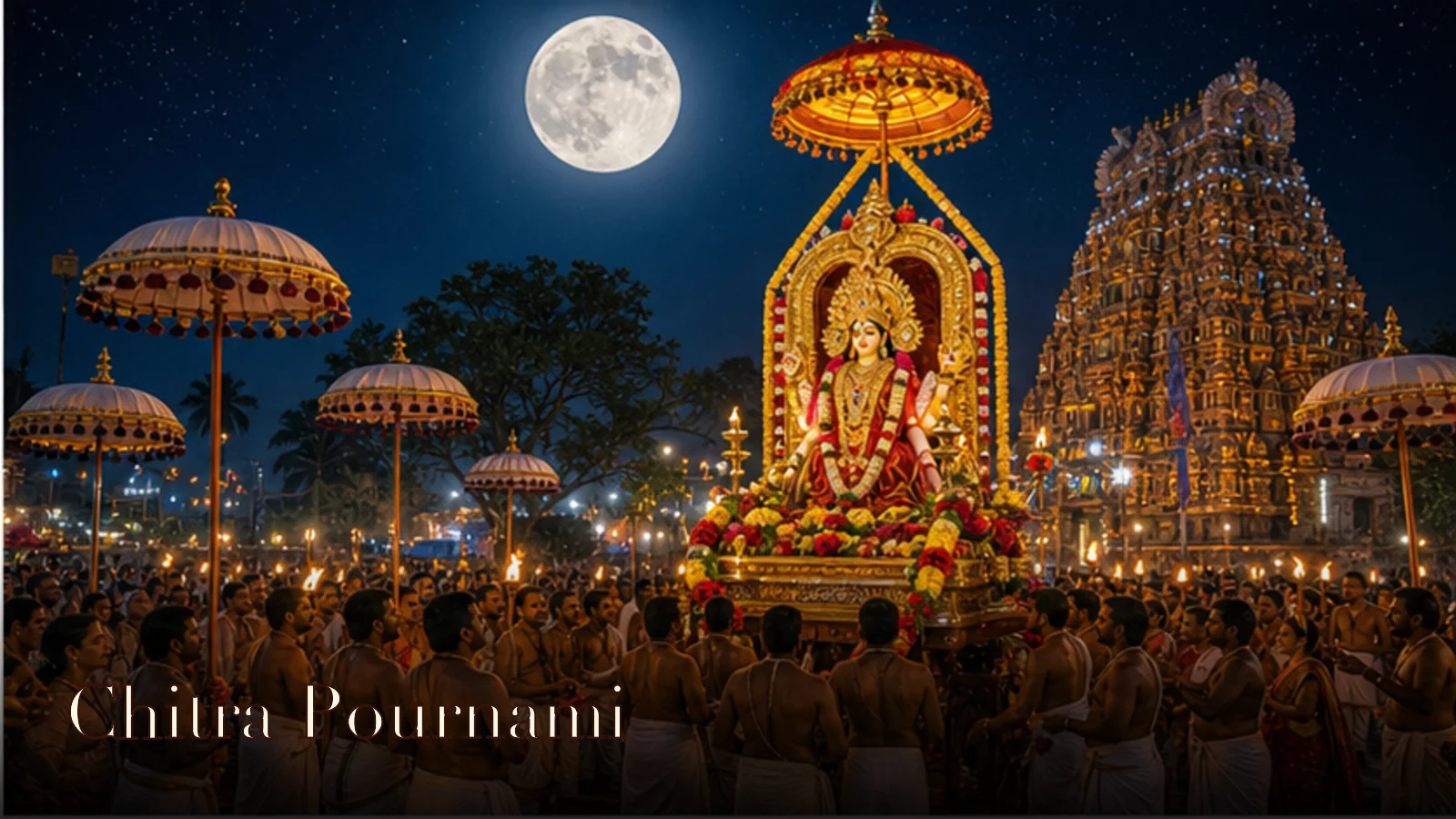
Chitra Pournami is a Tamil festival which is observed in the month of Chithirai during Purnima Tithi, i.e., full moon day. The Chitra Pournami festival is dedicated to Lord Chitragupta. Lord Chitragupta is an assistant of Yama Devata, who keeps a record of the deeds of every living being in His Dharma Pustaka. In South , this festival is celebrated with great enthusiasm by Tamil Hindus. On this day, Lord Chitragupta and Lord Shiva are worshipped with incense, camphor, and flowers. In South , this day is also observed as the birth anniversary of Lord Chitragupta. However, in North Indian regions, a festival known as Chitragupta Puja is celebrated on Kartika Shukla Dwitiya Tithi. On this day, members of the Kayastha community worship Lord Chitragupta along with their account books, pens, and inkpots. According to a Puranic legend, once a dispute arose between Devaraja Indra and Devaguru Brihaspati regarding a certain matter, which Indra had spoken about to Brihaspati. Brihaspati instructed him to undertake a pilgrimage on Earth to atone for his misdeeds. After accepting this, Indra fulfilled his Guru's wish. During the journey, Indra found a Shivalinga beneath a Kadamba tree. Thereafter, he realized that Lord Shiva was helping him reduce the effects of his bad deeds. He immediately began offering lotus flowers to Lord Shiva. According to beliefs, this event took place in Madurai. Devotees perform special worship of Lord Shiva at the Meenakshi Temple in Madurai.
Deities worshipped on Chitra Pournami
Follow the links to explore each deity’s mantras, stories, and temples on Temples.bio.
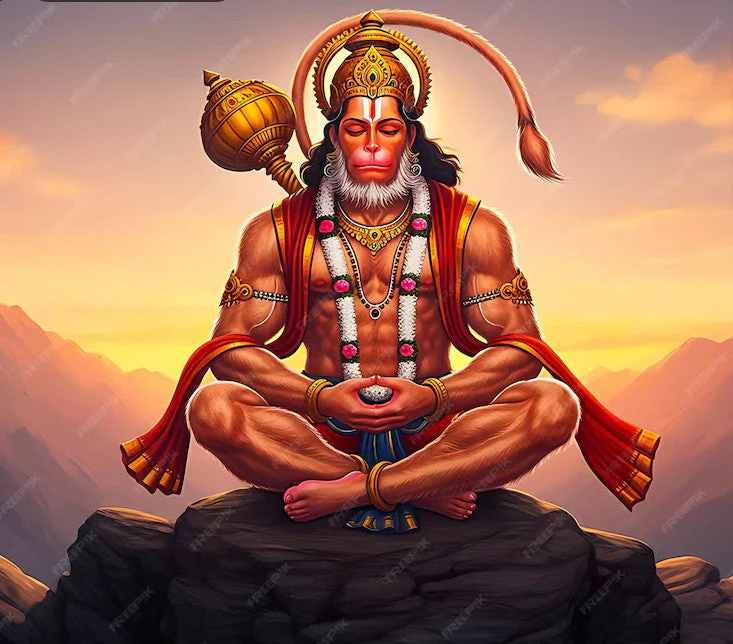
Lord Hanuman
Hanuman Jayanti coincides with Chitra Pournami in many traditions, celebrating Hanuman's birth on this full moon
The Eternal Devotee of Lord Rama — Embodiment of Strength, Courage and Selfless Service.
View deity →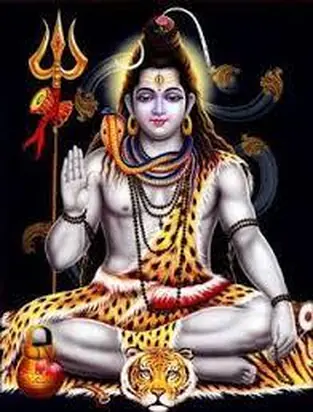
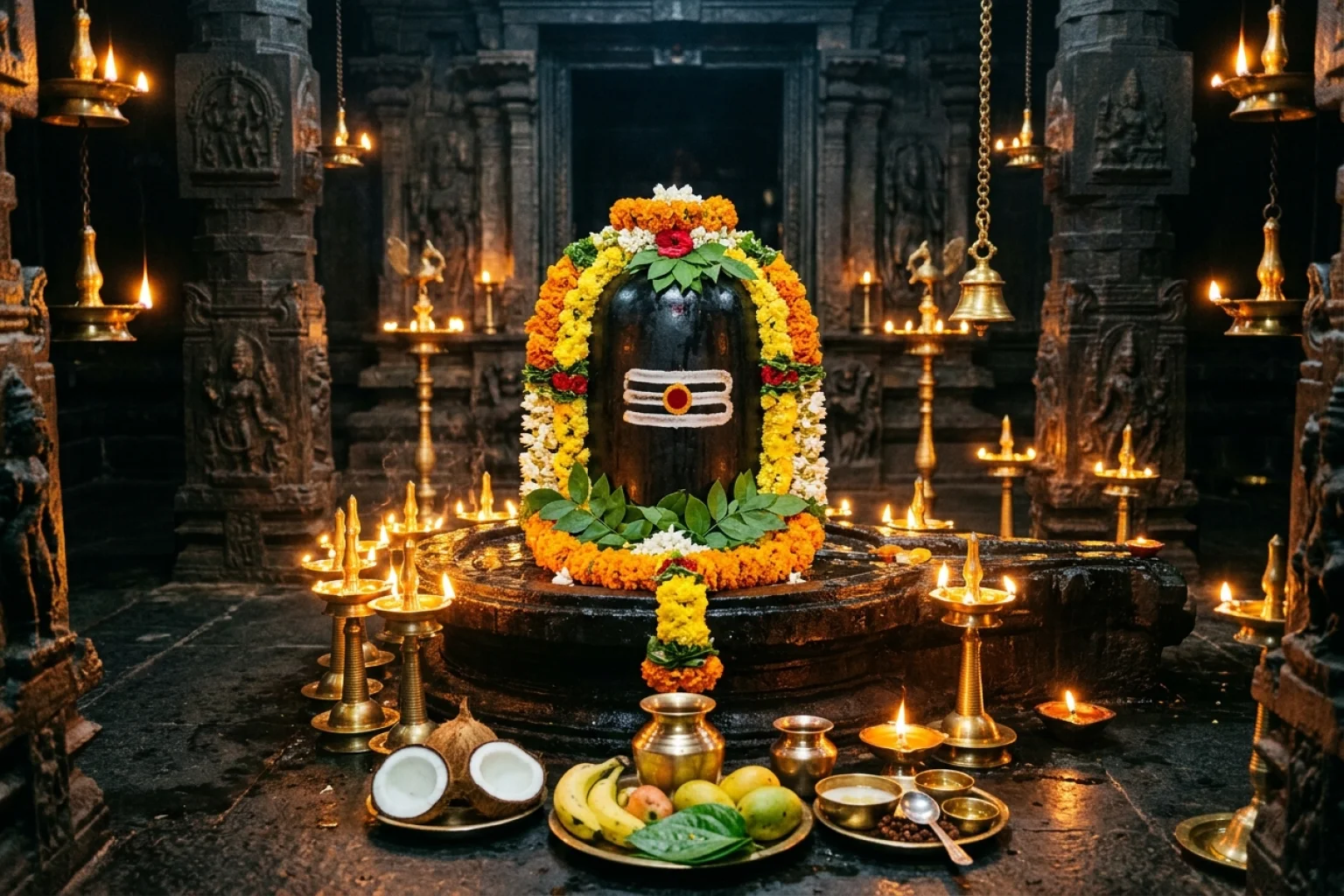
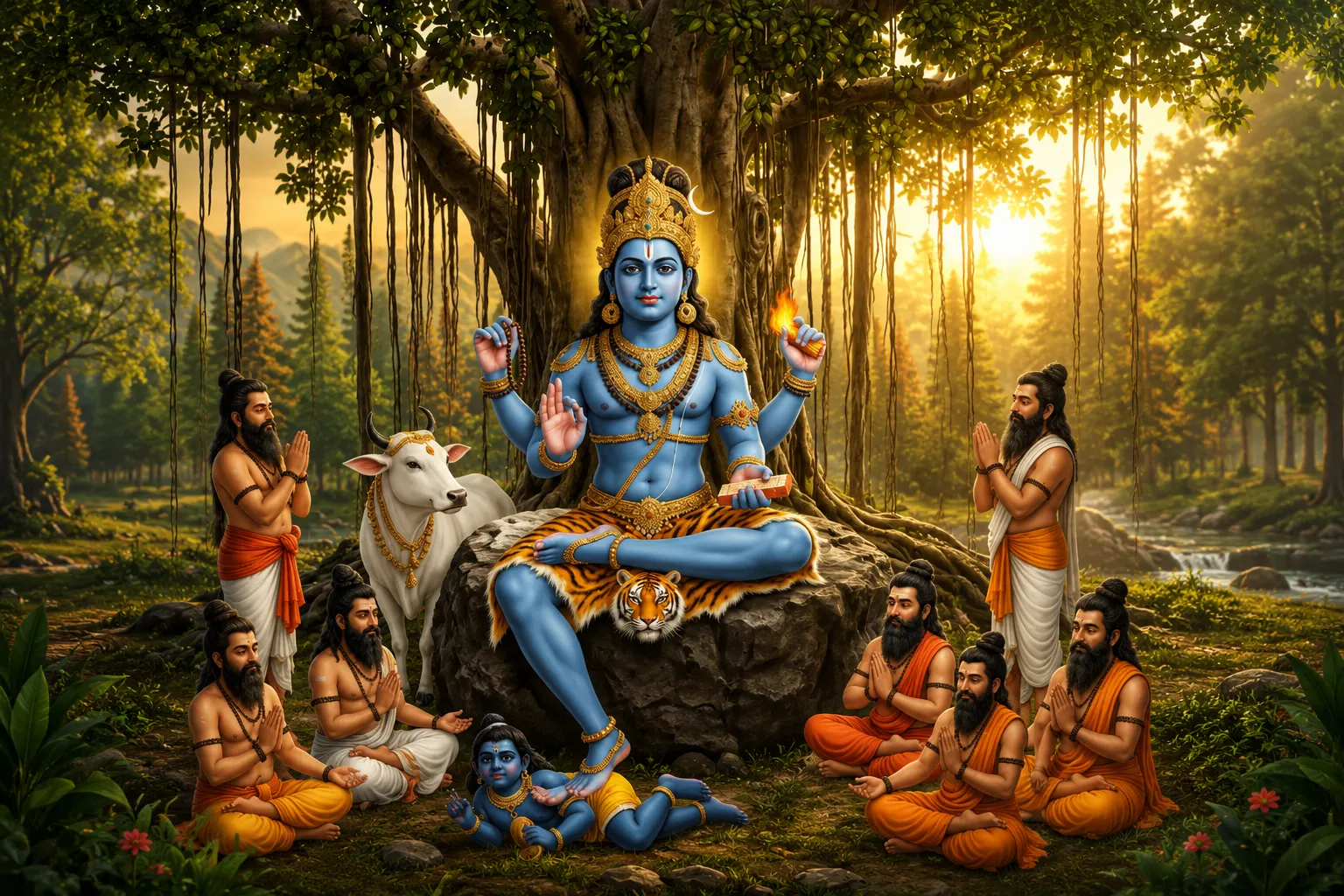
Lord Shiva
Yama operates under Shiva's cosmic order; Shiva temples observe special pujas on Chitra Pournami
The Supreme Destroyer and Transformer of the Universe — The Adiyogi, Lord of Lords, and the First Yogi.
View deity →Chitra Pournami is primarily associated with Chitragupta, the divine accountant (karma-lekha) in Yama's court. In Hindu cosmology, Chitragupta is the son of Brahma, created to assist Yama in recording the deeds — good and bad — of every being on earth. He maintains the "Chitrakara" (karmic picture) of each soul, and at the moment of death, presents this record before Yama for judgment. Chitragupta is depicted holding a pen and ledger, symbolizing the inexorable cosmic law of karma. On Chitra Pournami, devotees worship him with special pujas, seeking his grace to correct their karmic records and receive a favorable judgment. The festival also honors Yama (Dharmaraja) as the lord of righteousness and cosmic justice. In traditions where Chitra Pournami coincides with Hanuman Jayanti, Lord Hanuman — the son of Vayu (wind) and ardent devotee of Rama — is celebrated as the embodiment of devotion, strength, and selfless service. The day thus brings together the themes of karmic accounting and devotional power.
How to celebrate Chitra Pournami 2026
In South , this day is also observed as the birth anniversary of Lord Chitragupta. However, in North Indian regions, a festival known as Chitragupta Puja is celebrated on Kartika Shukla Dwitiya Tithi. On this day, members of the Kayastha community worship Lord Chitragupta along with their account books, pens, and inkpots. According to a Puranic legend, once a dispute arose between Devaraja Indra and Devaguru Brihaspati regarding a certain matter, which Indra had spoken about to Brihaspati. Brihaspati instructed him to undertake a pilgrimage on Earth to atone for his misdeeds. After accepting this, Indra fulfilled his Guru's wish. During the journey, Indra found a Shivalinga beneath a Kadamba tree. Thereafter, he realized that Lord Shiva was helping him reduce the effects of his bad deeds. He immediately began offering lotus flowers to Lord Shiva. According to beliefs, this event took place in Madurai. Devotees perform special worship of Lord Shiva at the Meenakshi Temple in Madurai. On this day, many devotees gather on riverbanks or at places where the Chandra can be seen, and they partake in meals along with their family members and friends. According to beliefs, by doing so, they receive the blessings of Chandradeva and experience joy and affection with their loved ones.
Spiritual benefits
- Karmic sins accumulated over the year are believed to be reduced or forgiven through sincere worship of Chitragupta on this day.
- Ancestors who receive Tharpanam on Chitra Pournami attain peace and in turn bless their descendants with health, prosperity, and happiness.
- Holy bathing on this full moon purifies the physical and subtle body, removing obstacles from one's path.
- Propitiating Yama removes fear of untimely death and grants blessings of longevity and righteous living.
- Those who worship Chitragupta are said to enjoy clarity of mind, honest speech, and freedom from the burden of guilt.
- Hanuman's blessings on this day (where observed) grant strength, devotion, and protection from evil influences.
- The full moon energy amplifies all spiritual practices — meditation, japa, and charity performed on Chitra Pournami yield multiple times the ordinary merit.
- The festival marks an auspicious new beginning in the Tamil New Year cycle, setting a spiritually positive tone for the months ahead.
Mantras & sacred chants
ஓம் சித்ரகுப்தாய நமஃ (Om Chitraguptaya Namaha) — The primary mantra of Chitragupta, saluting the divine karma-recorder and seeking his grace to bless and correct one's karmic ledger.
ஓம் சம் யமாய நமஃ (Om Sam Yamaya Namaha) — Salutation to Yama, the lord of dharma and death, invoked on Chitra Pournami for protection, longevity, and righteousness.
மனோஜவம் மாருததுல்யவேகம் ஜிதேந்த்ரியம் புத்திமதாம் வரிஷ்டம் | வாதாத்மஜம் வானரயூதமுக்யம் ஶ்ரீராமதூதம் ஶிரஸா நமாமி || (Manojavam Marutatulyavegam Jitendriyam Buddhimatam Varishtham | Vatatmajam Vanarayuthamukhyam Sri Ramadhutam Shirasa Namami ||) — Hanuman Pranam mantra invoking the speed of mind, power of wind, and supreme devotion to Rama, chanted on Chitra Pournami where Hanuman Jayanti is observed.
Chitra Pournami 2026 — FAQs
Chitra Pournami 2026 falls on April 2, 2026, the full moon (Purnima) of the Tamil month Chithirai / Sanskrit month Chaitra.
Chitra Pournami is sacred to Chitragupta, the divine accountant of karma in Yama's court. Worshipping him on this day is believed to cleanse karmic sins. It is also a day for ancestral rites (Tharpanam) and holy bathing.
In many North Indian and some Tamil traditions, Chitra Pournami (Chaitra Purnima) is also Hanuman Jayanti — Lord Hanuman's birthday. Both celebrations often coincide on this full moon day.
Chitragupta puja involves setting up his image, offering flowers, incense, sandalwood, and a lamp, chanting his mantra (Om Chitraguptaya Namaha), and symbolically offering pen and ink representing his divine ledger.
Yama Tharpanam is an ancestral offering performed facing south — Yama's direction — with black sesame seeds and water, offered three times for each departed ancestor by name to grant them peace.
Kapaleeshwarar temple in Chennai, Chitragupta temples in Tamil Nadu, and temple tanks across the state are important centers for Chitra Pournami. Bathing in temple tanks like the Kapali tank is highly meritorious.
Taking a holy bath in rivers or temple tanks on Chitra Pournami is believed to wash away accumulated sins and purify karma, with merit equivalent to several pilgrimages according to traditional texts.
Yes, Chitra Pournami puja can be performed at home. Set up a Chitragupta altar, offer puja, perform Tharpanam if in the family tradition, observe a fast until moonrise, and break it with sattvic food after prayers.