About Dussehra
Last updated:
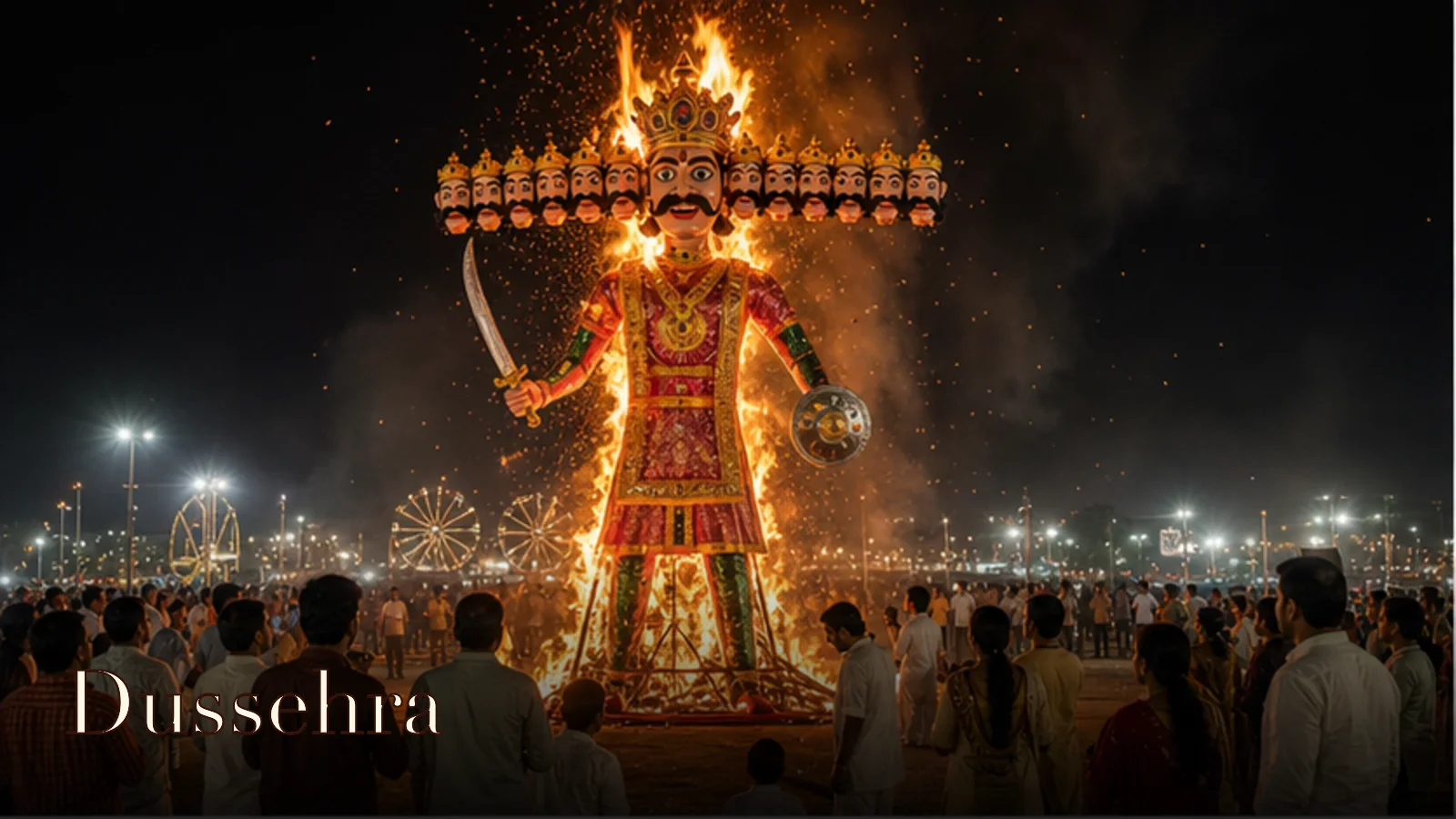
Dussehra, also known as Vijayadashami, is one of the most significant Hindu festivals, celebrated on the tenth day (Dashami) of the bright fortnight (Shukla Paksha) of the month of Ashwin. The name Dussehra derives from Sanskrit Dasha-hara, meaning the defeat of the ten-headed Ravana by Lord Rama. It is a day that enshrines the eternal principle that righteousness (dharma) will always triumph over evil (adharma). The festival carries a dual mythological significance. In the Vaishnava tradition, it commemorates Lord Rama's victory over the demon king Ravana after a prolonged battle, culminating in the rescue of Goddess Sita. Across , elaborate Ramlila performances — dramatic enactments of the Ramayana — build up over nine nights leading to the grand finale on Dussehra, when towering effigies of Ravana, Kumbhakarna, and Meghnad are set ablaze. In the Shakta tradition, Vijayadashami marks the tenth day of Navratri, celebrating Goddess Durga's final victory over the buffalo demon Mahishasura after nine nights of battle. Dussehra is celebrated with extraordinary grandeur across . The Mysuru Dasara in Karnataka is a UNESCO-recognised cultural event featuring a spectacular royal procession of caparisoned elephants, illuminated palaces, and cultural performances. Kullu Dussehra in Himachal Pradesh is unique in starting when most places are concluding, with thousands of local deities brought together in a grand procession. In Varanasi, Ramnagar's Ramlila is one of the oldest and largest theatrical traditions in the world. Dussehra also marks the season when warriors historically worshipped their weapons (Ayudha Puja) before campaigns.
Significance of Dussehra
Vijayadashami holds layered significance across spiritual, cultural, and cosmic dimensions: - Triumph of Dharma: The defeat of Ravana — despite his great learning and power — affirms that pride, ego, and adharma ultimately cannot withstand the force of righteousness and devotion. - Shakti's Victory: In the Shakta tradition, Durga's slaying of Mahishasura after nine days of cosmic battle represents the divine feminine energy (Shakti) overcoming the forces of ignorance and brutality. - Ayudha Puja: Warriors, craftsmen, and professionals worship their tools, weapons, and instruments on this day, acknowledging that skill and power are gifts of the divine. - Shami Puja: The worship of the Shami tree on Vijayadashami is connected to the Pandavas, who retrieved their weapons hidden in the tree after their year of incognito exile — symbolising auspicious beginnings. - Seasonal Transition: Dussehra marks the end of the monsoon season and the beginning of the cool, harvest-ready autumn — a time historically ideal for new ventures and journeys. - Inner Victory: Esoterically, the ten heads of Ravana represent the ten negative qualities — lust, anger, greed, attachment, pride, jealousy, selfishness, injustice, cruelty, and ego — that must be conquered within oneself.
Deities worshipped on Dussehra
Follow the links to explore each deity’s mantras, stories, and temples on Temples.bio.
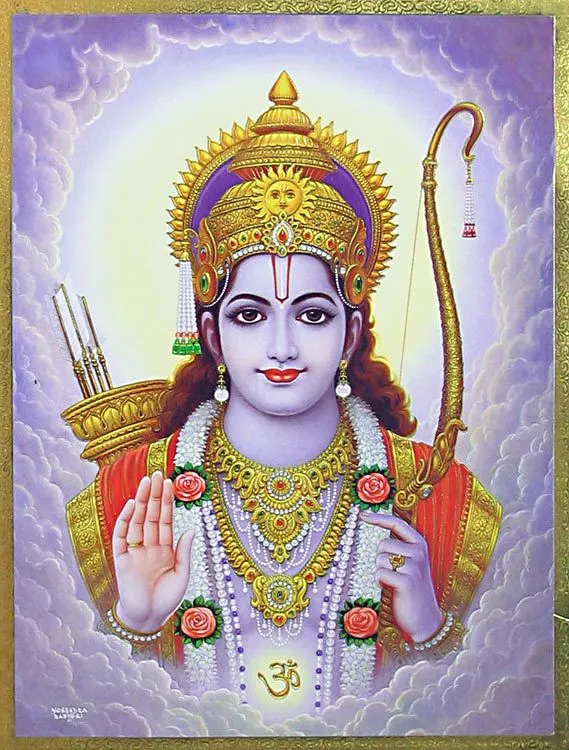
Lord Rama
Victorious over Ravana on Vijayadashami
The Ideal Man, Perfect King, and Seventh Avatar of Vishnu — whose life is the eternal standard of righteousness, duty, and devotion to dharma.
View deity →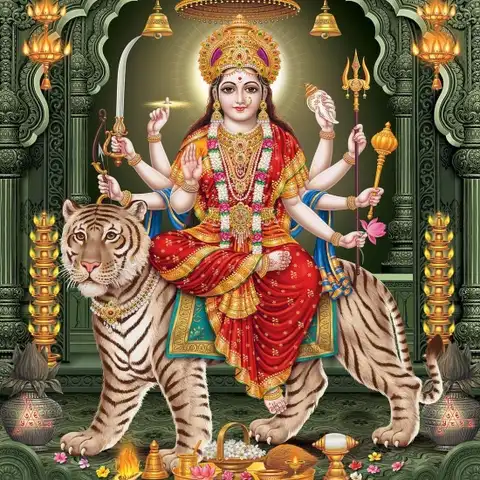
Goddess Durga
Slayer of Mahishasura; worshipped in Shakta tradition
The Invincible Mother Goddess — Supreme Feminine Power who destroys evil, protects the righteous, and embodies the divine energy of the entire universe.
View deity →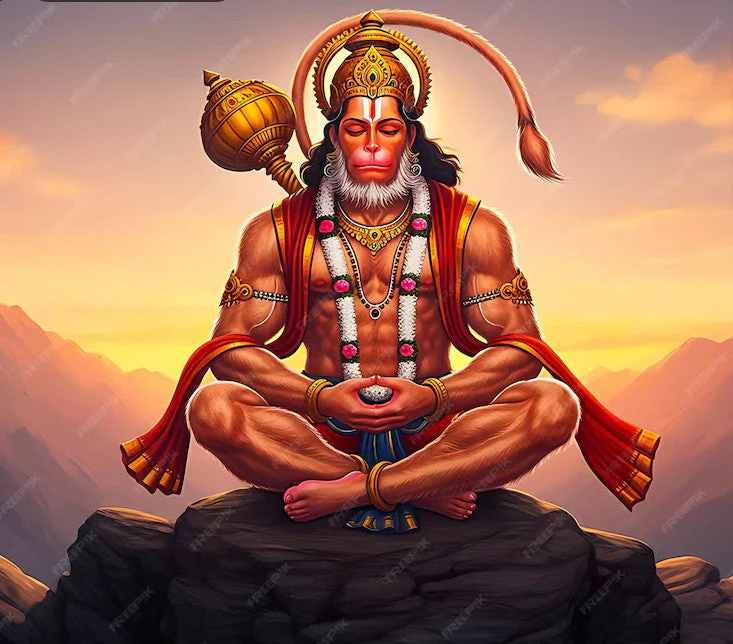
Lord Hanuman
Rama's devoted general; venerated on Dussehra
The Eternal Devotee of Lord Rama — Embodiment of Strength, Courage and Selfless Service.
View deity →Dussehra venerates two principal divine forces: Lord Rama in the Vaishnava tradition and Goddess Durga in the Shakta tradition.
Lord Rama: The seventh avatar of Vishnu, Rama is the embodiment of perfect virtue, duty, and righteousness. His fourteen-year exile, the abduction of Sita by Ravana, and his eventual victory with the help of Hanuman and the Vanara army form the epic narrative of the Ramayana. Rama's victory on Vijayadashami is celebrated as the triumph of an ideal king and devoted son over a ten-headed demon who had grown arrogant with power. Rama is accompanied in worship by Sita, Lakshmana, and Hanuman.
Goddess Durga: In the Shakta tradition, Durga is the supreme goddess of power who was invoked by the Trimurti (Brahma, Vishnu, Shiva) to battle the buffalo demon Mahishasura. After nine nights of fierce combat, she slew Mahishasura on the tenth day — Vijayadashami. Durga is worshipped in her victorious form, mounted on a lion, wielding weapons gifted by all the gods.
Lord Hanuman: As Rama's greatest devotee and general, Hanuman is also venerated on Dussehra, symbolising selfless service, strength, and devotion.
How to celebrate Dussehra 2026
1. Begin the day with early morning prayer and a ritual bath. Wear clean, traditional clothing — preferably new.
2. Visit a Rama temple or Durga temple and offer flowers, fruits, and coconut. Recite the Ramayana's Sundara Kanda or Devi Mahatmya (Chandi Path).
3. Perform Shami Puja: worship the Shami tree with kumkum, turmeric, flowers, and incense. Apply Shami leaves to the forehead for victory and auspiciousness.
4. Conduct Ayudha Puja: clean and decorate tools, vehicles, books, or instruments with flowers and kumkum. Offer prayers acknowledging divine grace in one's craft or profession.
5. Perform Aparajita Puja in the late afternoon: worship Goddess Aparajita (the undefeated form of Durga) under a Shami or Amalaki tree, facing northeast, for victory and protection.
6. Exchange Shami leaves with relatives and friends as a gesture of goodwill, saying "Shona dei" in some regions.
7. Attend or participate in the local Ramlila performance and the evening effigy burning ceremony.
8. Witness Ravana Dahan — the burning of Ravana's effigy — representing the destruction of ego and evil within yourself.
9. Receive prasad from the temple and distribute sweets to family, friends, and the poor.
Rituals & regional traditions
- Ramlila Performances: Nine-night dramatic enactments of the Ramayana culminate on Dussehra night. Cities like Varanasi's Ramnagar Ramlila, Delhi's Lav Kush Ramlila, and Ayodhya host massive theatrical performances drawing lakhs of devotees.
- Ravana Dahan: Towering effigies of Ravana (10 heads), Kumbhakarna, and Meghnad are stuffed with firecrackers and burned at sunset. The largest effigies in India are in Delhi's Ramlila Maidan.
- Mysuru Dasara (Karnataka): A 10-day royal festival where the Mysuru Palace is illuminated with 100,000 lights. A grand procession of caparisoned elephants, tableaux, and cultural performances leads to the Jumbo Savari elephant procession.
- Kullu Dussehra (Himachal Pradesh): Begins when Dussehra ends elsewhere. Thousands of local deities (devatas) are carried in palanquins to the Dhalpur Maidan for a week-long fair and procession.
- Ayudha Puja (South India): Tools, vehicles, books, and machinery are cleaned and worshipped. Schools and businesses are closed as instruments of livelihood receive divine blessing.
- Shami Puja: Worshipping the Shami tree and exchanging its leaves symbolises the auspicious beginning of new endeavours and journeys.
- Kolu/Golu (Tamil Nadu & Karnataka): Elaborate displays of dolls and figurines are set up during Navratri, with Vijayadashami being the final and most auspicious day.
Spiritual benefits
- Victory over inner enemies — the ten vices represented by Ravana's ten heads — through self-reflection and renewed spiritual resolve
- Receiving the blessings of Shakti (Goddess Durga) for strength, courage, and protection against adversity
- Auspicious commencement of new ventures, businesses, education, or journeys started on Vijayadashami
- Purification of consciousness through witnessing the symbolic destruction of ego and evil in Ravana Dahan
- Divine grace of Lord Rama for righteous conduct, marital harmony, and family well-being
- Strengthening of professional skills and gratitude for one's tools and craft through Ayudha Puja
- Deepening of community bonds and cultural pride through participation in Ramlila and Dasara celebrations
- Spiritual merit (punya) earned through worship, charity, and service on this highly auspicious Vijaya Muhurta day
Mantras & sacred chants
1. Shri Rama Vijaya Mantra
Sanskrit: श्री रामाय नमः। रामो राजमणिः सदा विजयते।
Transliteration: Shri Ramaya Namah. Ramo Rajamanhi Sada Vijayate.
Meaning: Salutations to Lord Rama. Rama, the jewel among kings, is always victorious. Chanted on Dussehra to invoke Rama's grace and the spirit of victory.
2. Durga Aparajita Mantra
Sanskrit: ॐ अपराजितायै नमः
Transliteration: Om Aparajitayai Namah
Meaning: Salutations to the undefeated Goddess Aparajita. This mantra is specifically recited during Aparajita Puja on Vijayadashami to seek Durga's unconquerable protection.
3. Ayudha Puja Mantra
Sanskrit: ॐ शस्त्रास्त्रपूजनं कुर्यात् सर्वशत्रुविनाशनम्। विजयं कुरु मे देव सर्वकार्येषु सर्वदा।
Transliteration: Om Shastraastra poojanam kuryat sarvashatru vinashanam. Vijayam kuru me deva sarvakaryeshu sarvada.
Meaning: Let the worship of weapons and tools destroy all enemies. O Lord, grant me victory in all my endeavours always.
Dussehra 2026 — FAQs
Dussehra 2026 (Vijayadashami) falls on Thursday, October 22, 2026. It is observed on the Dashami tithi of Ashwin Shukla Paksha.
Dussehra celebrates the victory of Lord Rama over the demon king Ravana and Goddess Durga over Mahishasura, symbolising the eternal triumph of good (dharma) over evil (adharma). The ten heads of Ravana represent ten human vices that must be overcome.
Ravana Dahan is the burning of giant effigies of Ravana, Kumbhakarna, and Meghnad on Dussehra evening. It symbolises the destruction of ego, evil, and the ten vices within oneself. The largest Ravana Dahan events are held in Delhi, Varanasi, and Mysuru.
Mysuru Dasara is a grand 10-day state festival in Karnataka where the Mysuru Palace is illuminated with 100,000 bulbs. The celebration culminates in a spectacular procession of caparisoned elephants, tableaux, and cultural performances on Vijayadashami.
Ayudha Puja is performed on Dussehra (especially in South India) by worshipping tools, vehicles, weapons, books, and instruments of one's trade with flowers, kumkum, and incense, acknowledging that skill is a gift of the divine.
Aparajita Puja is performed in the late afternoon of Vijayadashami by worshipping Goddess Aparajita (the undefeated form of Durga) under a Shami or Amalaki tree, facing northeast. It is considered highly auspicious for victory and protection.
Kullu Dussehra in Himachal Pradesh is unique because it begins when other places end their celebrations. Thousands of local village deities are carried in palanquins to the Dhalpur Maidan for a week-long fair and the famous Rath procession of Lord Raghunath.
Shami Puja involves worshipping the Shami tree on Vijayadashami. This practice connects to the Mahabharata, where the Pandavas retrieved their weapons hidden in a Shami tree after their year of exile. Exchanging Shami leaves symbolises goodwill and auspicious beginnings.