About Holi
Last updated:
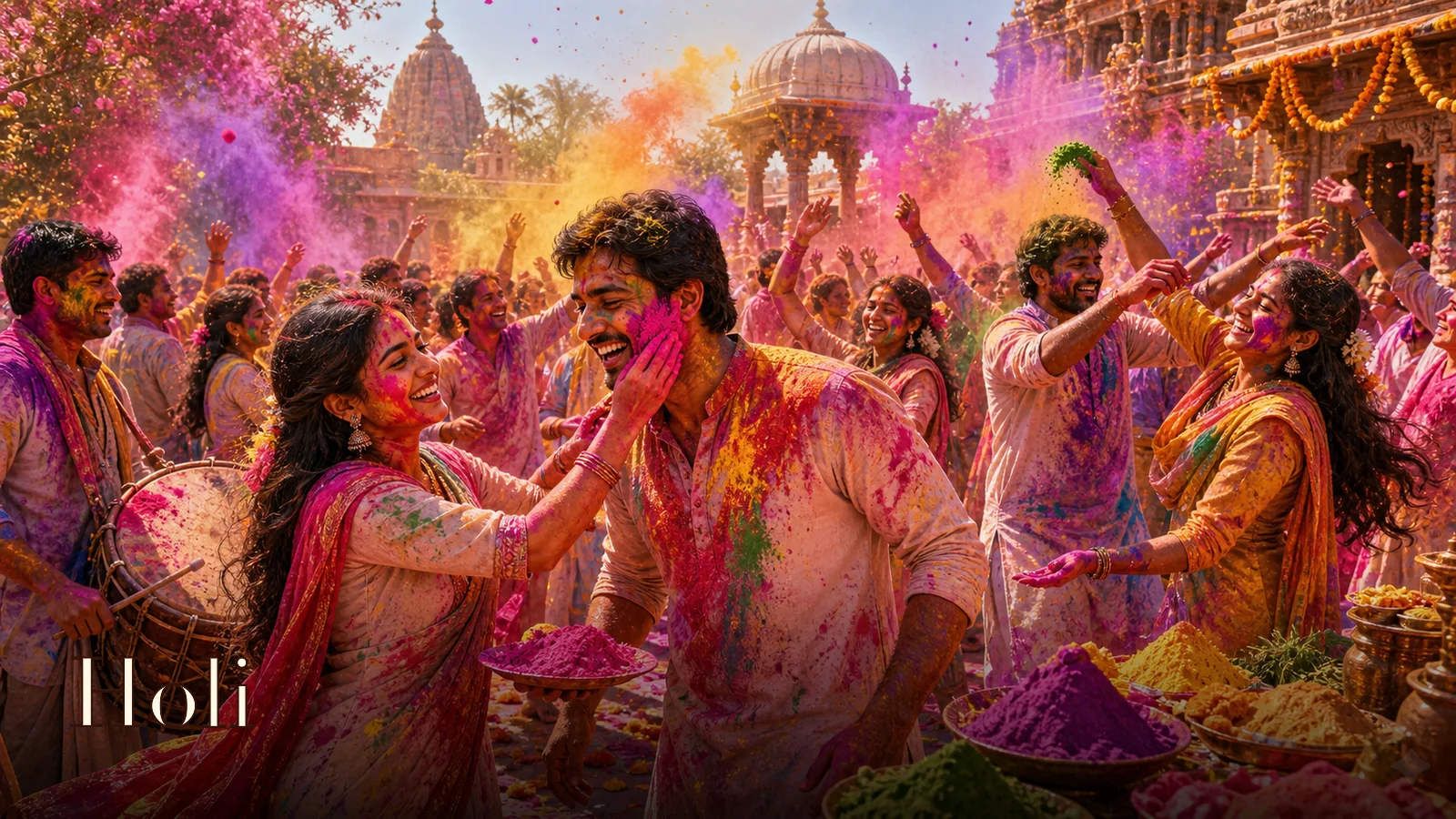
Holi is one of the most joyous and widely celebrated Hindu festivals, observed annually on the full moon day of the Phalgun month (February–March). Known as the Festival of Colours, it is a time when communities come together to celebrate life, love, and the triumph of devotion over evil. The festival holds deep mythological significance rooted in the story of Prahlad and Holika, as well as the divine love of Lord Krishna and Radha in Vrindavan. The celebrations begin with Holika Dahan on the eve of Holi, where bonfires are lit symbolising the burning of demoness Holika and the destruction of evil. The following day, known as Rangwali Holi or Dhuleti, people of all ages take to the streets smearing each other with vibrant powdered colours called gulal and drenching one another with coloured water. Sweets like gujiya, thandai, and malpua are prepared and shared among families and friends. In Vrindavan and Mathura, Holi celebrations last over a week and carry special spiritual significance as the land of Krishna's childhood. Lathmar Holi in Barsana, where women playfully beat men with wooden sticks, is a famous regional tradition. Rang Panchami, celebrated five days after Holi, marks the conclusion of festivities in Maharashtra and Madhya Pradesh. Holi transcends religious boundaries and is celebrated with equal enthusiasm across and the world as a festival of forgiveness, new beginnings, and collective joy.
Significance of Holi
Holi carries profound spiritual, cultural, and cosmic significance in the Hindu tradition: - Victory of Good over Evil: The story of Prahlad, a devoted child of Vishnu, and Holika, the demoness who tried to burn him, represents the eternal truth that divine devotion protects the righteous. - Spring Equinox Celebration: Holi marks the transition from winter to spring, celebrating nature's renewal, fertility, and the blossoming of new life. - Divine Love of Krishna and Radha: In Braj tradition, Holi commemorates Krishna's playful colour games with Radha and the Gopis, symbolising the union of the individual soul with the divine. - Social Harmony: Holi dissolves social hierarchies — on this day, people of all castes, classes, and ages celebrate together, reinforcing unity and equality. - Cosmic Fire Purification: Holika Dahan represents the purifying power of Agni (fire), destroying negativity and ushering in auspicious energy. - Agricultural Celebration: Holi coincides with the spring harvest of the Rabi crop, and farmers celebrate the bounty of the land with gratitude.
Deities worshipped on Holi
Follow the links to explore each deity’s mantras, stories, and temples on Temples.bio.
Lord Krishna
Primary deity of Holi; divine colour play with Radha
The Preserver of the Universe — the all-pervading Supreme Being who descends to Earth in divine avatars whenever righteousness declines and evil rises.
View deity →
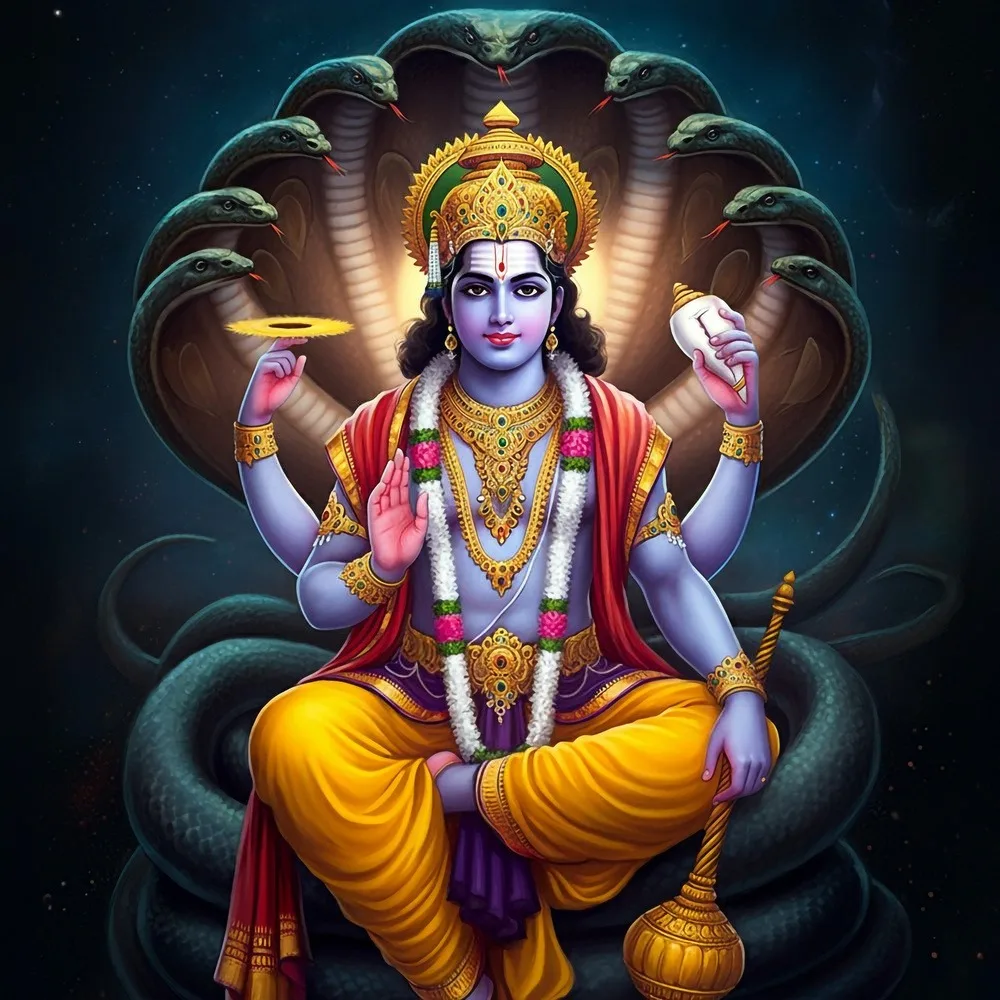
Lord Vishnu
Protected Prahlad from Holika; Narasimha avatar
The Preserver of the Universe — the all-pervading Supreme Being who descends to Earth in divine avatars whenever righteousness declines and evil rises.
View deity →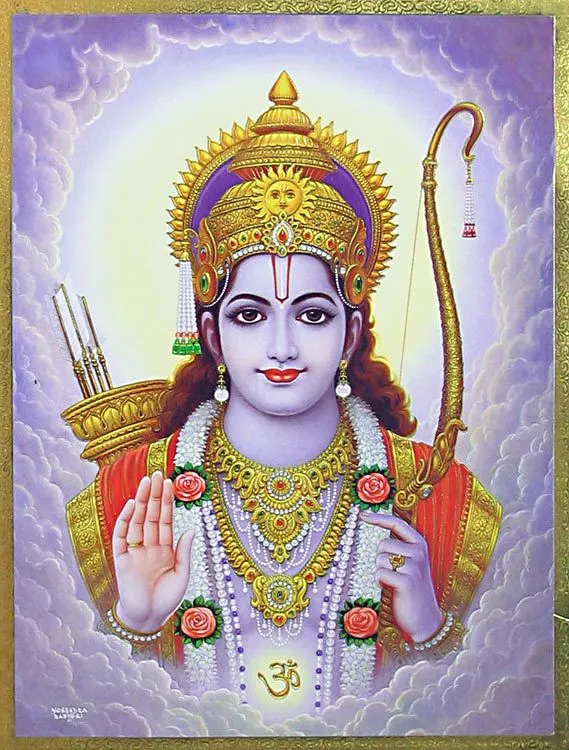
Lord Rama
Celebrated as upholder of dharma in Holi traditions
The Ideal Man, Perfect King, and Seventh Avatar of Vishnu — whose life is the eternal standard of righteousness, duty, and devotion to dharma.
View deity →Holi is primarily associated with Lord Krishna and Lord Vishnu, with Goddess Radha playing a central role in the Braj tradition.
Lord Krishna: The playful divine Krishna is the presiding deity of Holi celebrations, especially in Vrindavan, Mathura, and Barsana. Krishna's legend of smearing colours on Radha after playfully complaining to his mother Yashoda about his dark complexion versus Radha's fair skin is the charming origin of the colour tradition. Krishna represents divine joy, love, and the bliss of spiritual union.
Lord Vishnu as Narasimha: The mythological backbone of Holika Dahan is the story of Prahlad, a devotee of Vishnu, and his demoness aunt Holika. Vishnu's protection of Prahlad through his avatar Narasimha affirms that unconditional devotion to the Supreme Being is indestructible by any evil force.
Goddess Radha: In Vrindavan and Braj traditions, Radha is venerated alongside Krishna as the embodiment of devotional love (bhakti). The Radha-Krishna colour play represents the soul's yearning for and union with the divine.
How to celebrate Holi 2026
1. On the evening before Holi (Holika Dahan), gather around a bonfire in your community or locality.
2. Collect dried wood, cow dung cakes, and twigs for the Holika Dahan pyre.
3. Perform a puja to Lord Vishnu and Prahlad before lighting the fire; offer flowers, coconut, and raw cotton thread.
4. Circumambulate the fire three or seven times while chanting prayers for protection and well-being.
5. On the morning of Holi, wake up early, bathe, and wear old clothes in white or light colours.
6. Apply a tilak of red or orange colour on your forehead and offer prayers to Lord Krishna.
7. Prepare or purchase organic gulal (coloured powder) and fill pichkaris (water guns) with coloured water.
8. Visit family and friends, apply gulal on their faces with love, and seek the blessings of elders.
9. Share traditional sweets such as gujiya, mathri, and thandai with neighbours.
10. In the evening, bathe, wear fresh clothes, and visit the temple to offer prayers and prasad.
11. Seek forgiveness from anyone you may have wronged and embrace the spirit of new beginnings.
Rituals & regional traditions
- Holika Dahan: On the night before Holi, communities light large bonfires. People gather around them, perform puja, and offer coconut, sesame, and new wheat stalks to the fire as symbols of harvest gratitude.
- Lathmar Holi (Barsana & Nandgaon): Women from Barsana playfully beat men from Nandgaon with wooden sticks (lathis) while men protect themselves with shields, re-enacting Krishna's visits to Radha's village.
- Rang Panchami: Celebrated five days after Holi in Maharashtra, Madhya Pradesh, and Gujarat, with dry gulal thrown in the air and feasts prepared.
- Phoolon Wali Holi (Vrindavan): At the Banke Bihari Temple, priests shower devotees with flower petals instead of chemical colours.
- Shigmo (Goa): The Goan Hindu version of Holi features street processions, folk dances, and floats celebrating spring.
- Dol Jatra (Bengal & Odisha): Idols of Krishna and Radha are placed on decorated palanquins and taken in procession; devotees smear each other with abir (coloured powder).
- Thandai Preparation: A traditional drink made from milk, almonds, saffron, and rose petals is prepared and shared; in some regions it is infused with bhang (cannabis) as a ritual practice.
Spiritual benefits
- Purification of the mind and soul through the symbolic burning of ego and negativity in Holika Dahan
- Deepening of devotion to Lord Krishna and Vishnu through festive worship and storytelling
- Strengthening of social bonds, forgiveness, and reconciliation with family and community
- Experiencing divine joy and playfulness (ananda) as a path to spiritual liberation
- Renewal of energy and vitality aligned with the cosmic shift from winter to spring
- Cultivation of gratitude for nature's abundance and the harvest season
- Breaking down of ego-driven barriers of caste, class, and social status through collective celebration
- Awakening of love and compassion in relationships, inspired by the divine love of Radha and Krishna
Mantras & sacred chants
1. Holi Mantra (Krishna Invocation)
Sanskrit: ॐ श्री कृष्णाय नमः
Transliteration: Om Shri Krishnaya Namah
Meaning: I bow to the divine Lord Krishna. Chanted to invoke the blessings of Krishna during Holi celebrations.
2. Prahlad Raksha Mantra (Vishnu Protection)
Sanskrit: ॐ नमो भगवते वासुदेवाय
Transliteration: Om Namo Bhagavate Vasudevaya
Meaning: I offer my salutations to Lord Vasudeva (Vishnu). This twelve-syllable mantra invokes Vishnu's protection and grace, recalling his protection of Prahlad.
3. Holika Dahan Mantra
Sanskrit: असृक्पाभयसंत्रस्तैः कृता त्वं होलि बालिशैः। अतस्त्वां पूजयिष्यामि भूते भूतिप्रदा भव।
Transliteration: Asrkpabhayasantrastai krta tvam holi balisaih. Atas tvam pujayisyami bhute bhutiprada bhava.
Meaning: O Holika, you were created by foolish demons to frighten us. I worship you so that you may bestow well-being and prosperity upon all.
Holi 2026 — FAQs
Holi 2026 falls on Tuesday, March 3. Holika Dahan will be performed on the evening of March 2, 2026.
Holi celebrates the victory of devotee Prahlad over evil demoness Holika, the divine love of Krishna and Radha, and the arrival of spring. It symbolises the triumph of good over evil and renewal of life.
Holika Dahan is performed by lighting a bonfire on the eve of Holi. Devotees gather around the fire, offer coconut, flowers, and raw cotton thread, circumambulate seven times, and pray to Lord Vishnu for protection and well-being.
Lathmar Holi is celebrated in Barsana and Nandgaon in Uttar Pradesh, where women playfully beat men with wooden sticks re-enacting Krishna's visits to Radha's village. It is usually celebrated about a week before the main Holi.
Lord Krishna is the primary deity of Holi, especially in Vrindavan and Braj. Lord Vishnu (as Narasimha) is also venerated for protecting devotee Prahlad from Holika.
Traditional Holi sweets include gujiya (deep-fried pastry filled with khoya and dry fruits), mathri, puran poli, malpua, and thandai (a spiced milk drink with almonds and saffron).
Rang Panchami is celebrated five days after Holi, mainly in Maharashtra, Madhya Pradesh, and Gujarat. It marks the last day of Holi festivities with dry gulal thrown in the air and special feasts.
Vrindavan celebrates Holi for over a week with Phoolon Wali Holi (flower petals), Lathmar Holi traditions, and grand celebrations at the Banke Bihari Temple where priests shower devotees with flower petals and gulal.