About Kajari Teej
Last updated:
Teej festivity is observed with much fanfare by women in North Indian states, especially in Rajasthan, Uttar Pradesh, Madhya Pradesh and Bihar. Three famous Teej(s) which are celebrated by women during Sawan and Bhadrapada months are Other Teej festivals like Akha Teej which is also known as Akshaya Tritiya and Gangaur Tritiya are not part of above three Teej(s). Next Teej after Hariyali Teej which comes after fifteen days of Hariyali Teej is known as Kajari Teej. Usually, Kajari Teej comes three days after Raksha Bandhan and five days before Krishna Janmashtami. According to North Indian calendar it falls during Krishna Paksha of Bhadrapada month and according to South Indian calendar it falls during Krishna Paksha of Shravana month. However in both calendars Kajari Teej falls on the same day.
Deities worshipped on Kajari Teej
Follow the links to explore each deity’s mantras, stories, and temples on Temples.bio.
Lord Shiva
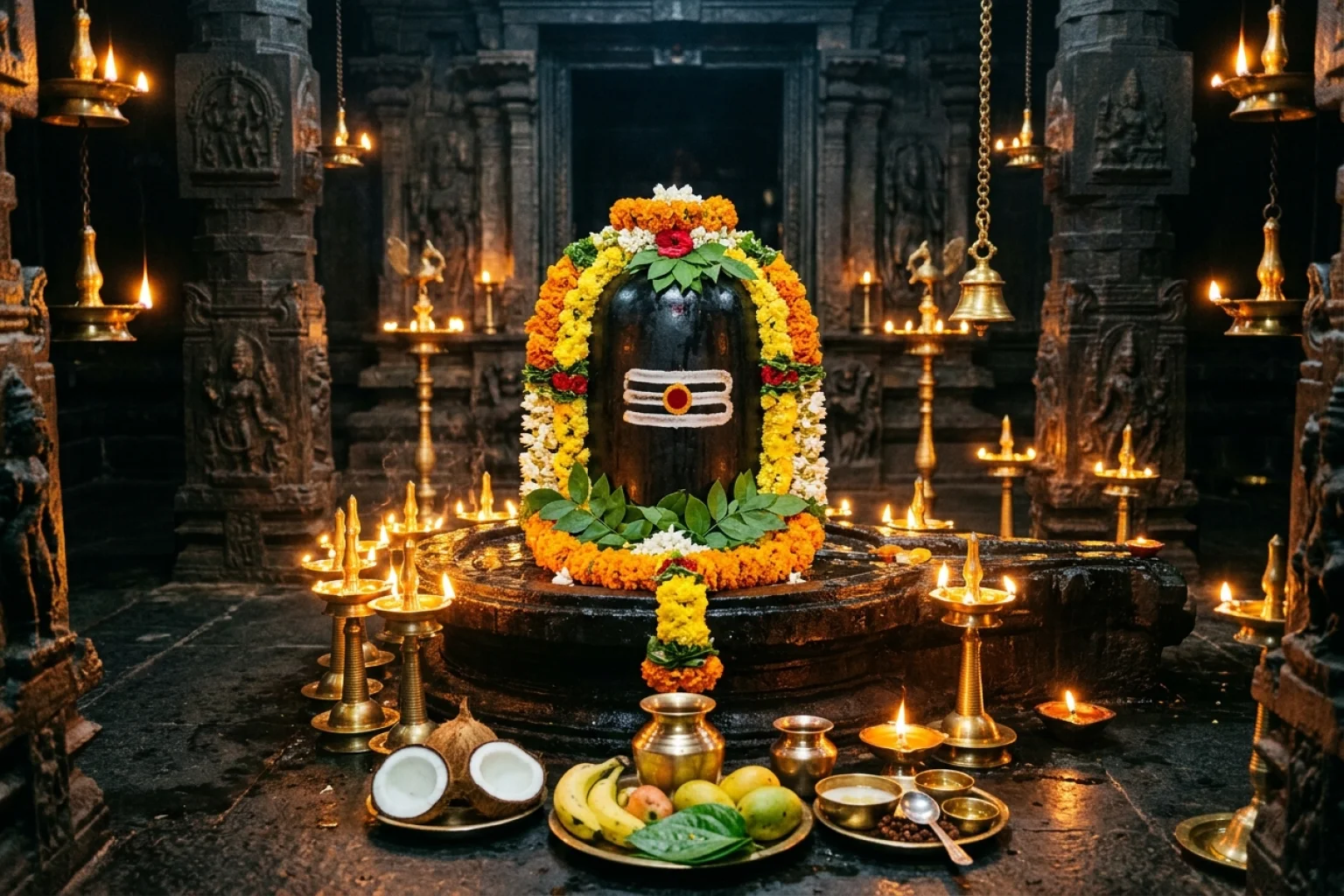
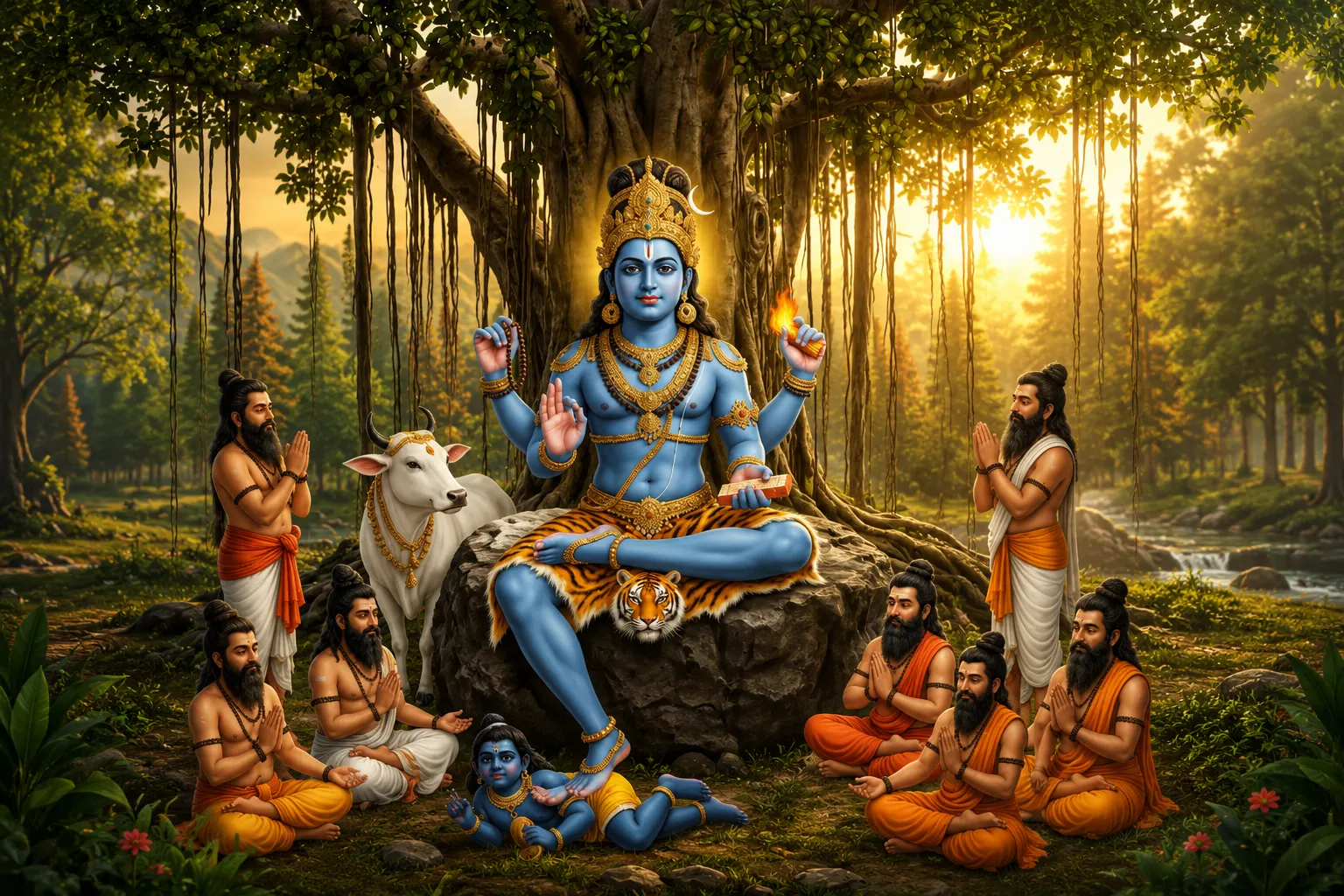
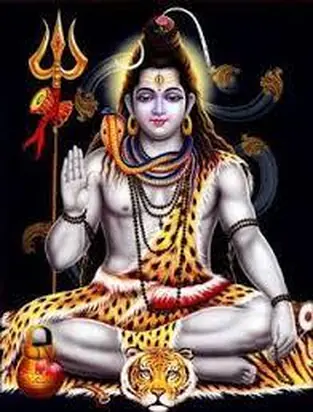
Lord Shiva is worshipped as Parvati's eternal consort on Kajari Teej
The Supreme Destroyer and Transformer of the Universe — The Adiyogi, Lord of Lords, and the First Yogi.
View deity →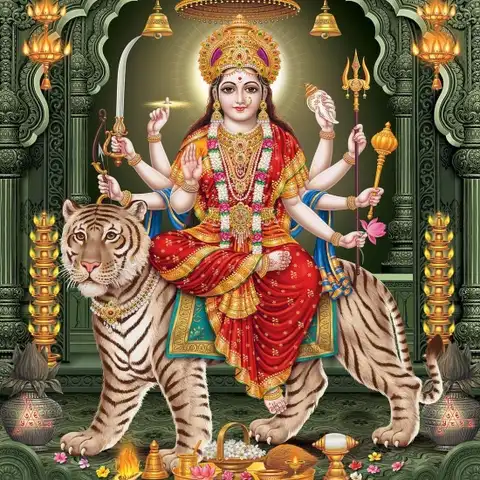
Goddess Durga
Goddess Parvati as Teej Mata and the Neem Goddess are both forms of the divine feminine honoured on this day
The Invincible Mother Goddess — Supreme Feminine Power who destroys evil, protects the righteous, and embodies the divine energy of the entire universe.
View deity →Goddess Parvati is the central deity of Kajari Teej, worshipped in her benevolent motherly form as the goddess who blesses married women with happy and long-lasting marriages. The festival commemorates her enduring love for Shiva and her role as the ideal devoted wife.
Lord Shiva is worshipped alongside Parvati as her divine consort. In Kajari Teej traditions, the union of Shiva and Parvati is celebrated through songs and stories that emphasise love, separation, and joyful reunion — themes that echo the monsoon season's emotional landscape.
The Neem tree (Neem Mata) receives special reverence on Kajari Teej and is worshipped as a divine mother figure. In Hindu tradition, the neem is associated with Goddess Durga and Sheetala Mata, believed to possess healing and purifying powers. By garlanding and praying to the neem tree, women invoke blessings for family health and protection from disease.
Goddess Teej Mata — the folk manifestation of Parvati specific to the Teej festivals — is also central to Kajari celebrations in Rajasthan and parts of UP.
How to celebrate Kajari Teej 2026
Other Teej festivals like Akha Teej which is also known as Akshaya Tritiya and Gangaur Tritiya are not part of above three Teej(s). Next Teej after Hariyali Teej which comes after fifteen days of Hariyali Teej is known as Kajari Teej. Usually, Kajari Teej comes three days after Raksha Bandhan and five days before Krishna Janmashtami. According to North Indian calendar it falls during Krishna Paksha of Bhadrapada month and according to South Indian calendar it falls during Krishna Paksha of Shravana month. However in both calendars Kajari Teej falls on the same day. Kajari Teej is also known as Badi Teej as opposed to Chhoti Teej which is also known as Hariyali Teej. Kajari Teej is also spelled as Kajali Teej or Kajri Teej. In some regions Kajari Teej is known as Satudi Teej.
Spiritual benefits
- Blessings for husband's long life, health, and prosperity through the Teej vrat
- Connection to the ancient Kajari musical tradition, preserving cultural heritage
- Purification of body and mind through fasting and neem worship
- Community bonding and mental well-being through collective singing and celebration
- Gratitude for the monsoon's life-giving rains expressed through joyful ritual
- Divine grace of Parvati for a harmonious and loving married life
- Spiritual merit from observing the fast and performing puja during the sacred month of Shravan
- Joy, renewal, and release through music, swings, and nature immersion
Mantras & sacred chants
Om Namah Shivaaya (ॐ नमः शिवाय) — The Panchakshara mantra of Shiva; chanted during puja and throughout the day to invoke Shiva's blessings upon the family, particularly during the Shravan month when this mantra carries heightened potency.
Om Aim Hreem Shreem Parvatidevyai Namah (ॐ ऐं ह्रीं श्रीं पार्वतीदेव्यै नमः) — An expanded Parvati mantra incorporating Saraswati's beej (Aim), Shakti's beej (Hreem), and Lakshmi's beej (Shreem); chanted during Teej puja to invoke all aspects of the divine feminine — wisdom, power, and abundance — for the welfare of the family.
Neem Devyai Namah, Arogya Pradaayinyai Namah (नीम देव्यै नमः, आरोग्य प्रदायिन्यै नमः) — Salutation to the Neem Goddess, the giver of health; a traditional prayer chanted while performing neem tree worship on Kajari Teej, seeking protection from disease and ill health.
Kajari Teej 2026 — FAQs
Kajari Teej 2026 falls on Saturday, August 1, 2026. It is observed on Shravan Krishna Tritiya, the third day of the dark fortnight in the month of Shravan.
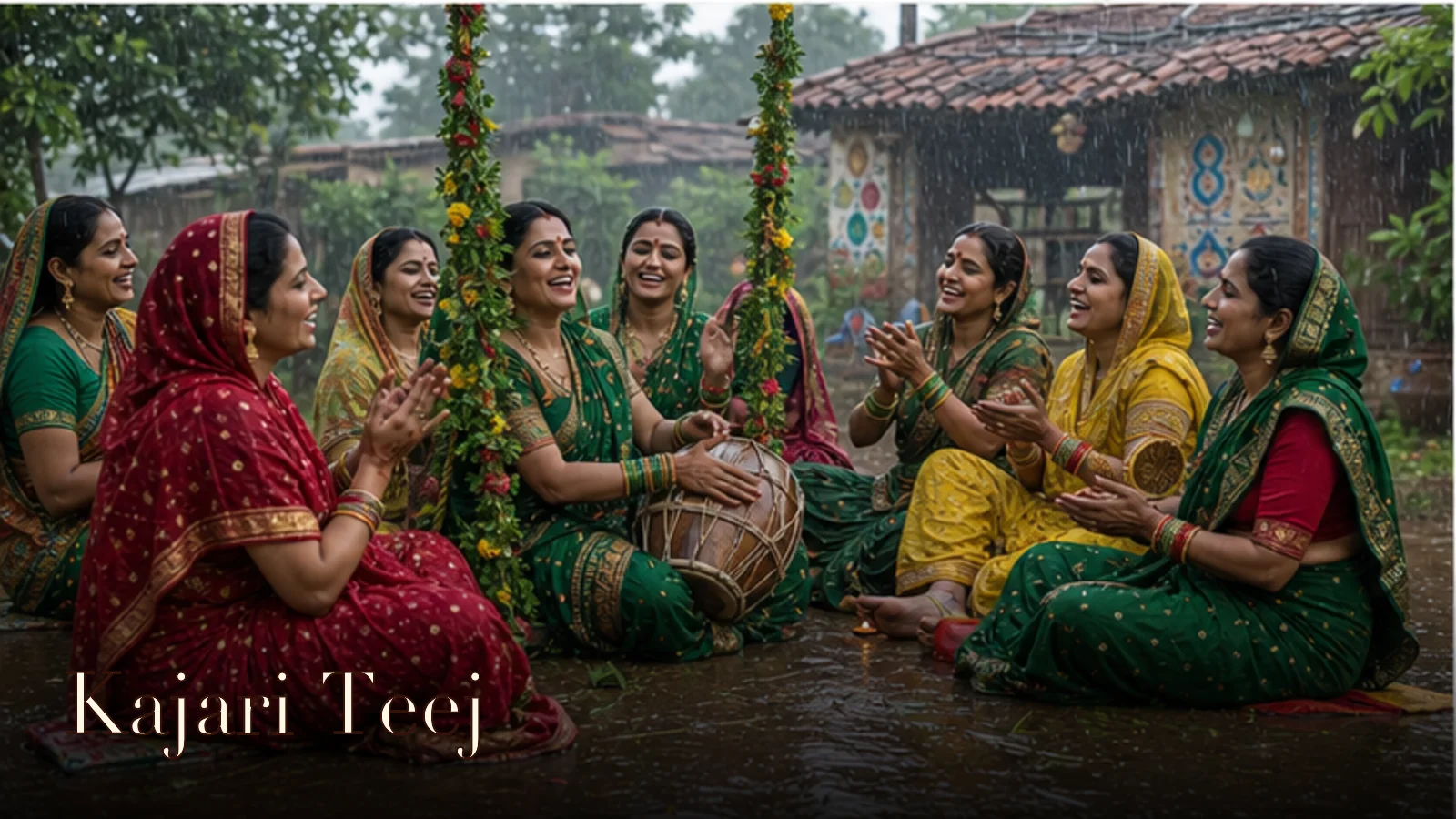
Kajari Teej is the third Teej festival, known for its Kajari folk songs and neem worship. It is especially celebrated in Bundelkhand (MP and UP), Rajasthan, and Bihar. Women sing Kajari songs, swing on jhulas, and observe a moderate fast for their husband's well-being.
Hariyali Teej (Shravan Shukla Tritiya) is a festive green teej with mehndi and swings. Hartalika Teej (Bhadrapada Shukla Tritiya) is the most austere with a nirjala fast and all-night vigil. Kajari Teej (Shravan Krishna Tritiya) is the most folk-oriented with Kajari songs, neem worship, and a moderate fast.
Kajari is an ancient North Indian folk music genre associated with the monsoon season. Kajari songs describe the rain, swings, the longing of separated lovers, and devotion to gods. They are sung on Kajari Teej because the festival falls during the peak monsoon, and the music has been the primary way this tradition has been passed down through generations.
Neem worship is a unique feature of Kajari Teej. The neem tree is revered in Hindu tradition for its medicinal and purifying properties and is associated with Goddess Durga and Sheetala Mata. By garlanding and praying to the neem tree, women seek blessings for family health and protection from illness.
Kajari Teej fast is comparatively moderate. Unlike Hartalika Teej's complete nirjala fast (no food, no water), Kajari Teej generally permits water and fruits. Many women avoid grains and cooked food but do not observe a full waterless fast.
Bathe and wear green/yellow clothes. Perform neem tree puja — garland, circumambulate, and offer water. Set up Parvati-Shiva puja area, offer flowers and fruits, light lamp. Gather with women to sing Kajari songs and swing on jhulas. Hear the vrat katha. Break fast in the evening after aarti.
Yes, Kajari Teej is also called Satudi Teej and Badi Teej. Satudi comes from the Sanskrit word for the third tithi; Badi means elder or bigger in some regional dialects, distinguishing it from Choti Teej (Hariyali Teej). All three names refer to the same Shravan Krishna Tritiya festival.