About Krishna Janmashtami
Last updated:
Krishna Janmashtami is one of the most beloved and widely celebrated festivals in the Hindu calendar, marking the birth of Lord Sri Krishna — the eighth avatar of Lord Vishnu — on the eighth day (Ashtami) of the Krishna Paksha in the month of Bhadrapada. According to ancient scriptures, Krishna was born at midnight in a prison cell in Mathura to Devaki and Vasudeva, even as the tyrant king Kamsa awaited his promised nemesis. The divine birth was heralded by celestial signs: chains broke, prison gates swung open, and the guards fell into a deep slumber as Vasudeva carried the newborn across the flooded Yamuna to Gokul, where he was raised by Yashoda and Nanda.
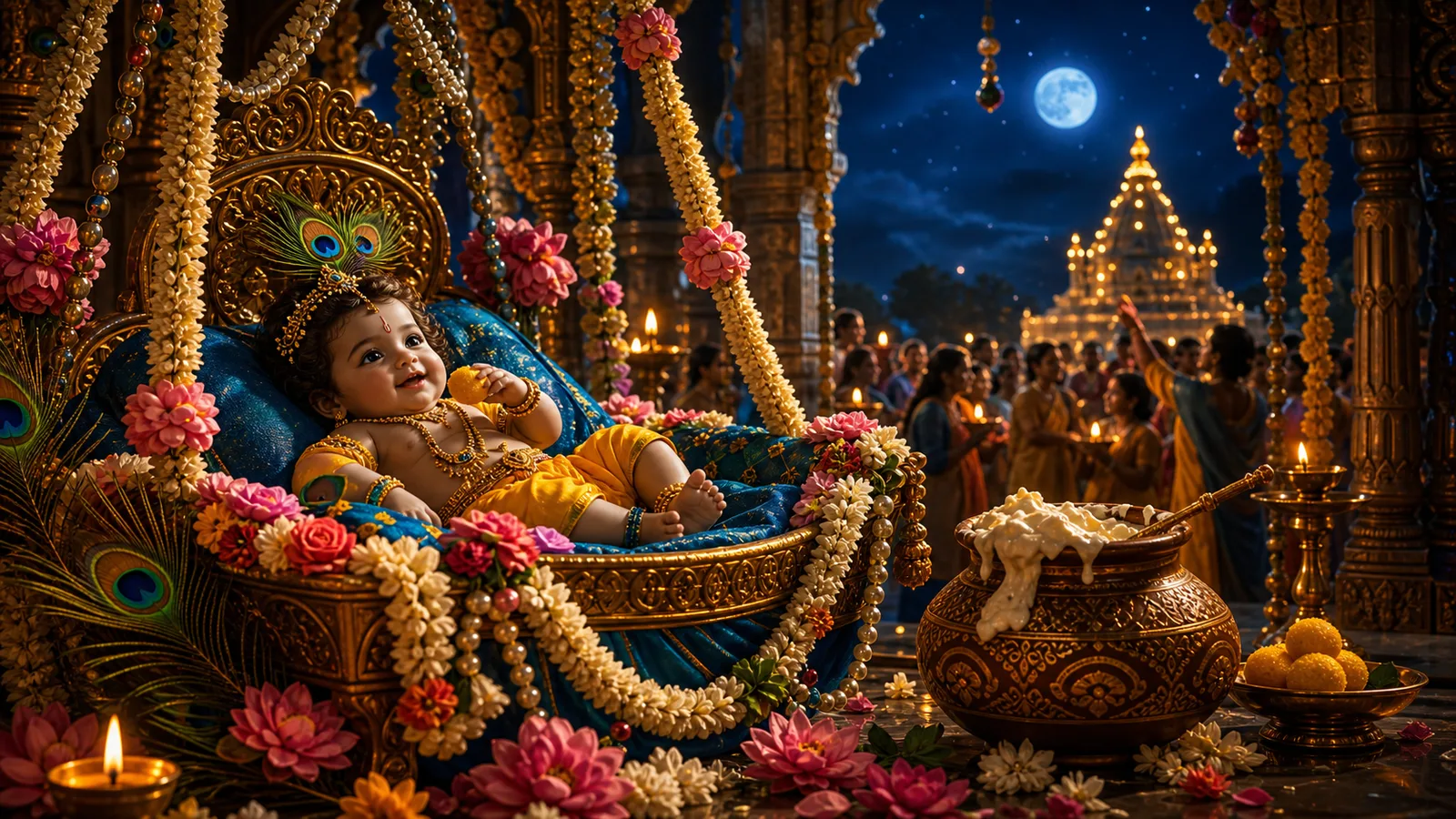
Janmashtami 2026 falls on August 15, a date of extraordinary significance as it coincides with India's Independence Day — a powerful symbol of liberation both political and spiritual. Devotees observe a strict fast throughout the day, breaking it only after the midnight birth celebration. Temples across the country are beautifully decorated with flowers, lights, and cradles (jhulas) cradling the infant Krishna idol. The atmosphere in Mathura and Vrindavan, the sacred birthplace and childhood home of Krishna, is utterly electric, drawing hundreds of thousands of pilgrims from across India and the world.
The festival is celebrated with equal fervour at Sri Krishna Matha in Udupi, Guruvayur Sree Krishna Temple in Kerala, the Jagannath Temple in Puri, and ISKCON temples worldwide. In Maharashtra and parts of North India, the beloved tradition of Dahi Handi sees young men form human pyramids to break a pot of curd suspended high above — re-enacting the mischievous young Krishna's love for butter and curd. Devotional songs, Raas Leela dance dramas, recitation of Bhagavad Gita verses, and all-night vigils transform every neighbourhood into a spiritual celebration of divine love and joy.
Significance of Krishna Janmashtami
The spiritual significance of Krishna Janmashtami is profound and multi-layered, touching the core of Hindu philosophy and devotional practice:
Birth of the Supreme Soul: Lord Krishna is revered not merely as a historical figure but as Parabrahman — the Supreme Absolute — who descended to earth to restore dharma (righteousness) and destroy adharma (evil). His birth represents the eternal truth that divine grace manifests whenever the world is in moral peril.
Symbol of Victory over Tyranny: Krishna's birth under the shadow of Kamsa's oppression and his eventual victory over the demon king carry the timeless message that truth and righteousness ultimately triumph over evil and injustice.
The Bhagavad Gita's Origin: Krishna is the speaker of the Bhagavad Gita, perhaps the most important spiritual text in Hinduism. Janmashtami celebrates the advent of the divine teacher who revealed the paths of karma yoga, jnana yoga, and bhakti yoga to humanity.
Leela and Divine Play: Krishna's childhood leelas (divine pastimes) — stealing butter, playing the flute, performing Raas Leela with the gopis — symbolise the playful, loving aspect of the divine, reminding devotees that the universe itself is the Lord's joyful play.
Universal Love and Devotion: The festival awakens the devotee's heart to pure, unconditional love (prema bhakti), as embodied in the devotion of Radha, the gopis, and Sudama.
Liberation Through Devotion: The Bhagavata Purana declares that simply hearing or narrating Krishna's birth story with faith grants liberation (moksha) from the cycle of birth and death.
Deities worshipped on Krishna Janmashtami
Follow the links to explore each deity’s mantras, stories, and temples on Temples.bio.
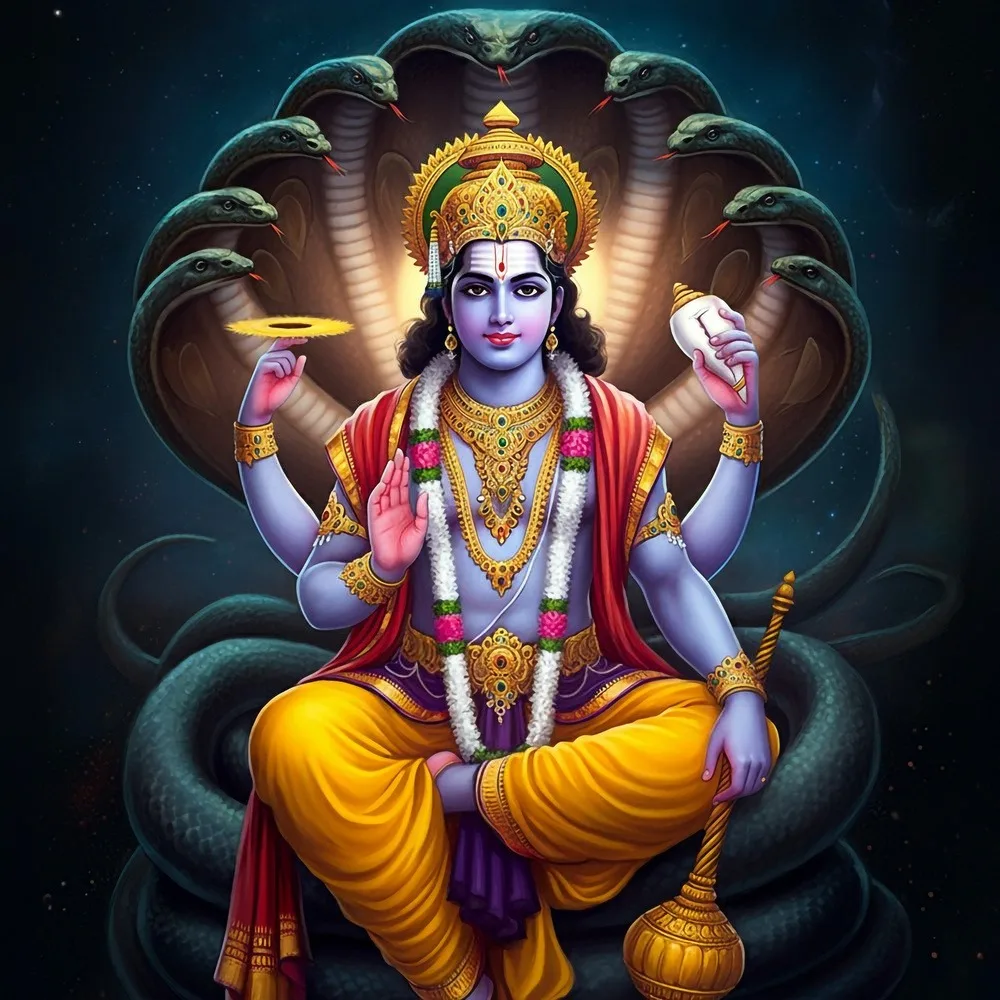
Lord Krishna
Central deity — Lord Krishna, the eighth avatar of Vishnu, whose birth is celebrated
The Preserver of the Universe — the all-pervading Supreme Being who descends to Earth in divine avatars whenever righteousness declines and evil rises.
View deity →
Lord Vishnu
Supreme source — Krishna is the eighth avatar of Lord Vishnu
The Preserver of the Universe — the all-pervading Supreme Being who descends to Earth in divine avatars whenever righteousness declines and evil rises.
View deity →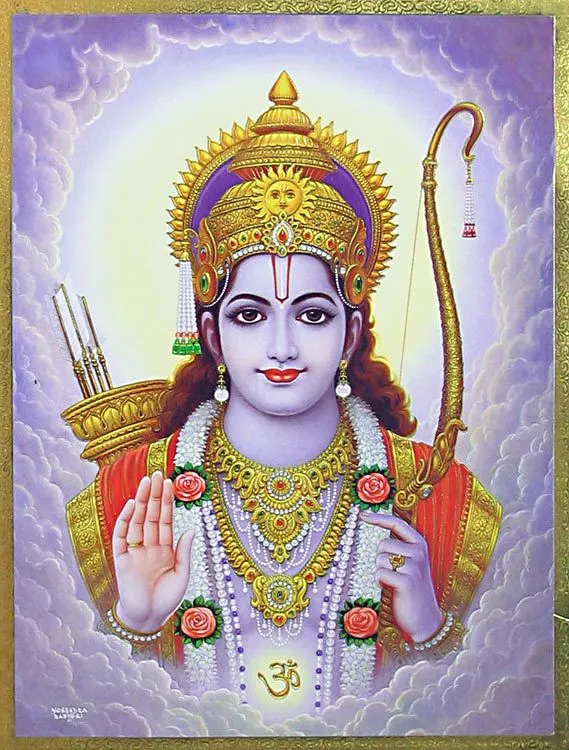
Lord Rama
Fellow Vishnu avatar — devotees often worship both Rama and Krishna together in Vaishnava tradition
The Ideal Man, Perfect King, and Seventh Avatar of Vishnu — whose life is the eternal standard of righteousness, duty, and devotion to dharma.
View deity →Lord Krishna is the central deity of Janmashtami and one of the most beloved figures in the entire Hindu pantheon. He is the eighth avatar of Lord Vishnu, born to fulfil the divine purpose of slaying Kamsa, establishing dharma, and delivering the Bhagavad Gita's eternal wisdom to mankind.
Krishna as a Child (Bal Krishna / Laddu Gopal): On Janmashtami, Krishna is worshipped primarily in his infant and child form. Elaborately adorned cradles (jhulas) are set up in homes and temples, and at midnight — the exact moment of his birth — the idol is bathed (abhisheka) with panchamrita and placed in the cradle amidst the ringing of bells and blowing of conches.
Radha and the Gopis: Radha, Krishna's eternal consort, represents the highest form of devotion and unconditional love. The Raas Leela, Krishna's divine dance with Radha and the gopis on the banks of the Yamuna, is a central devotional theme during Janmashtami celebrations, particularly in Vrindavan and Barsana.
Lord Vishnu's Presence: Since Krishna is Vishnu's avatar, Vishnu Sahasranama and Vishnu Ashtottara recitations also form part of the celebrations, especially in Vaishnava temples of South India including Udupi and Guruvayur.
How to celebrate Krishna Janmashtami 2026
Observing Krishna Janmashtami with devotion involves the following steps:
1. Wake Up Early and Purify: Take a ritual bath (snan) before sunrise. Wear clean, preferably yellow or blue clothing — colours associated with Lord Krishna.
2. Set Up the Puja Space: Decorate a cradle (jhula) with flowers, bells, and cloth. Place an idol or image of Bal Krishna (infant Krishna) in the cradle. Set up images of Radha alongside Krishna.
3. Observe the Fast (Upavasa): Observe a strict nirjala (waterless) or phalahar (fruit-only) fast from sunrise until midnight. The fast is broken only after the midnight puja is performed.
4. Decorate the Temple Area: Draw small footprints (Krishna's padam) using rice flour from the entrance of the home leading to the puja room, symbolising Krishna's arrival.
5. Midnight Puja (Nishita Puja): At midnight (which is considered the birth hour of Krishna), perform the main puja. Begin with Ganesha puja, then perform abhisheka of the Krishna idol with panchamrita (milk, curd, honey, ghee, sugar), Ganga jal, and sandalwood paste. Dress the idol in new clothes and ornaments.
6. Rock the Cradle: Gently rock the cradle while singing Krishna bhajans and lullabies (Krishna Lullabies / Lori). Ring the bell and blow the conch.
7. Recite Prayers and Mantras: Chant the Krishna Ashtakam, recite Chapter 10 or 18 of the Bhagavad Gita, sing the Hare Krishna Mahamantra, and perform Tulsi archana (offering Tulsi leaves).
8. Offer Bhog (Food Offerings): Offer Panchamrit, milk sweets, butter, sugar candy (mishri), fruits, and specially prepared items like Gopalkala (beaten rice with curd, coconut, cucumber) which is Krishna's favourite.
9. Dahi Handi (Optional): Participate in or organise a Dahi Handi event in the morning of Ashtami — a pot filled with curd, butter, and milk is hung high and teams of youngsters form human pyramids to break it.
10. Break the Fast: After completing the midnight puja and aarti, break the fast with panchamrita prasad and then with a full meal of sattvic food.
Rituals & regional traditions
North India (Mathura, Vrindavan, Braj Region):
- The most elaborate celebrations occur in Mathura (Krishna's birthplace) and Vrindavan. The Shri Krishna Janmabhoomi temple complex hosts an all-night celebration with abhisheka at midnight, drawing lakhs of pilgrims.
- Raas Leela performances and devotional dramas enact episodes from Krishna's life throughout the week.
- Dahi Handi competitions are organised across UP and Maharashtra on the ninth day (Navami).
Maharashtra:
- Dahi Handi (Govinda) is a massive community event where groups (Govinda pathaks) compete to form human pyramids and break the hanging pot. Cash prizes are awarded to winning teams.
South India (Udupi, Guruvayur, Tamil Nadu):
- In Tamil Nadu, homes are decorated with kolam (rangoli) and small clay footprints (Krishna's padam) are drawn from the doorstep to the puja room.
- Udupi Sri Krishna Matha conducts elaborate utsavas with swinging the idol in a golden cradle.
- Guruvayur Sree Krishna Temple in Kerala celebrates with elephant processions, Sopanam music, and all-night devotional programmes.
ISKCON Globally:
- ISKCON temples worldwide celebrate with grand abhishekas, Hare Krishna kirtans running all night, dramatic enactments of Krishna's birth, and massive prasad distribution.
Puri, Odisha:
- The Jagannath Temple celebrates Janmashtami with special rituals since Lord Jagannath is considered a form of Krishna. Chhau dance and devotional music are hallmarks of the Odishan celebration.
Common Pan-India Traditions:
- Fasting until midnight
- Decorating baby Krishna's cradle
- Singing bhajans and kirtans throughout the night
- Distributing sweets (especially butter and milk-based sweets) as prasad
Spiritual benefits
Observing Krishna Janmashtami with sincerity and devotion bestows the following spiritual and material blessings:
- Purification of the soul: The all-night vigil, fasting, and continuous chanting cleanse accumulated karmas and purify the mind and heart.
- Blessings for children and family: Worshipping Bal Krishna blesses families with healthy, intelligent, and virtuous children. Krishna is considered the ideal child, and his blessing is sought for the well-being of little ones.
- Fulfilment of desires: Sincere prayer to Krishna on Janmashtami is believed to grant heartfelt wishes, particularly those related to love, marriage, family harmony, and material abundance.
- Protection from evil: Krishna, the destroyer of demons, protects his devotees from malevolent forces, enemies, and life's adversities.
- Wisdom and guidance: Meditating on the Bhagavad Gita's teachings on Janmashtami is said to bestow clarity, decisiveness, and spiritual wisdom.
- Liberation (Moksha): The Bhagavata Purana states that those who hear or narrate Krishna's birth story with faith are freed from the bondage of karma and attain liberation.
- Joy and inner peace: Krishna embodies ananda (divine bliss). His worship fills the devotee with inexplicable joy, contentment, and inner peace.
- Removal of obstacles: Since Krishna overcame extraordinary obstacles from birth, his blessings help devotees overcome life's challenges with courage and grace.
Mantras & sacred chants
1. Hare Krishna Mahamantra (The Great Mantra):
हरे कृष्ण हरे कृष्ण कृष्ण कृष्ण हरे हरे | हरे राम हरे राम राम राम हरे हरे ||
Hare Krishna Hare Krishna Krishna Krishna Hare Hare | Hare Rama Hare Rama Rama Rama Hare Hare ||
This supreme mantra of the Vaishnava tradition is chanted continuously during Janmashtami. Its repetition purifies the consciousness and fills the heart with divine love.
2. Krishna Ashtaksha Mantra (8-syllable Krishna Mantra):
ॐ नमो भगवते वासुदेवाय
Om Namo Bhagavate Vasudevaya
Meaning: "I bow to Lord Vasudeva (Krishna), the Supreme Divine Being." This is the most widely used Krishna mantra for daily worship, especially during Janmashtami abhisheka.
3. Gopala Mantra (For Devotion to Child Krishna):
ॐ क्लीं कृष्णाय गोविन्दाय गोपीजनवल्लभाय स्वाहा
Om Kleem Krishnaya Govindaya Gopijanavallabhaya Svaha
Meaning: "Om, salutations to Krishna, the Lord of cows (Govinda), the beloved of the Gopis." This mantra invokes Krishna's grace and is chanted during the midnight birth puja.
Krishna Janmashtami 2026 — FAQs
Krishna Janmashtami 2026 falls on August 15, coinciding with India's Independence Day. The midnight puja (Nishita Puja) is performed at 12:00 AM on August 15-16.
Lord Krishna is believed to have been born precisely at midnight (Nishita Kala) in Mathura. The midnight puja re-enacts this divine moment — devotees keep a vigil, bathe the infant Krishna idol with panchamrita, and rock the cradle while singing lullabies and bhajans.
Devotees observe a strict fast from sunrise on Ashtami until midnight. The fast can be nirjala (no water) or phalahar (fruits, milk, and water only). The fast is broken after completing the midnight puja with panchamrita prasad.
Krishna's favourite foods include butter (makhan), curd (dahi), milk sweets, mishri (sugar candy), and fruits. Panchamrita (milk, curd, honey, ghee, sugar) is used for abhisheka. Gopalkala (beaten rice with curd and coconut) is a special offering, especially in Maharashtra.
Dahi Handi is celebrated on Nandotsav, the day after Janmashtami (Navami). Young men form human pyramids to break a pot of curd and butter hung high above the ground, re-enacting Krishna's childhood mischief of stealing butter.
The most celebrated venues are the Shri Krishna Janmabhoomi temple in Mathura, Banke Bihari temple in Vrindavan, Sri Krishna Matha in Udupi, Guruvayur Sree Krishna Temple in Kerala, Jagannath Temple in Puri, and ISKCON temples across India and worldwide.
The three key mantras are: (1) Hare Krishna Mahamantra — Hare Krishna Hare Krishna Krishna Krishna Hare Hare; (2) Om Namo Bhagavate Vasudevaya (the 12-syllable Dvadashakshara mantra); and (3) Om Kleem Krishnaya Govindaya Gopijanavallabhaya Svaha.
Janmashtami 2025 falls on August 16, 2025. Janmashtami 2027 falls on September 3, 2027. The date varies each year as it follows the Hindu lunar calendar — specifically Bhadrapada Krishna Ashtami.