About Vasant Panchami
Last updated:
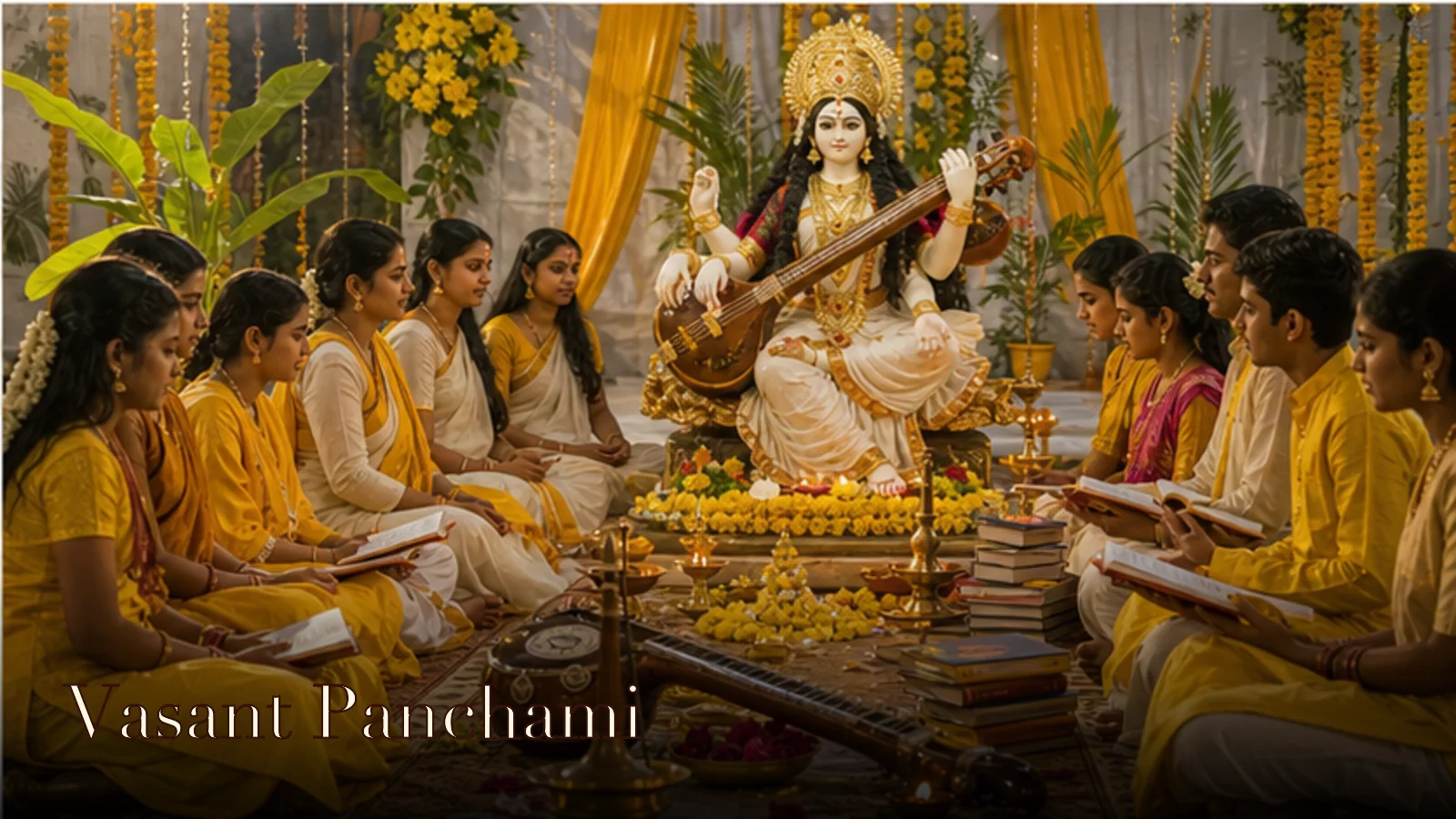
Vasant Panchami, also known as Saraswati Puja or Shri Panchami, is a joyful Hindu festival celebrated on the fifth day (Panchami) of the bright fortnight (Shukla Paksha) of the Magh month (January–February). The word Vasant means spring and Panchami means the fifth, making this festival a celebration of the arrival of spring — the most beloved season in Indian tradition. Fields are beginning to bloom with yellow mustard flowers, the weather softens, and the earth bursts with new life. The festival is primarily dedicated to Goddess Saraswati, the divine embodiment of knowledge, learning, arts, music, and wisdom. On this day, students, teachers, artists, musicians, and scholars across worship Saraswati, seeking her blessings for academic success and creative inspiration. Books, musical instruments, pens, and tools of art are placed before the goddess and offered worship — a tradition called Vidya Arambha (commencement of learning) that marks the auspicious beginning of education for young children. Yellow is the defining colour of Vasant Panchami. Devotees wear yellow clothes, offer yellow flowers (marigold, sunflower), prepare yellow sweets like kesari halwa and boondi, and decorate the puja area in saffron and gold hues, symbolising the blooming mustard fields of spring and the vitality of new knowledge. In Bengal, Bihar, and educational institutions across , Saraswati idols are installed and elaborate pujas are conducted. In Rajasthan and Punjab, kite flying is a beloved tradition marking the season of Vasant. The day is considered so auspicious that weddings, thread ceremonies, and new learning are commonly initiated on Vasant Panchami.
Significance of Vasant Panchami
Vasant Panchami holds layered significance as a festival of knowledge, nature, and divine feminine energy: - Advent of Spring: Vasant (spring) is considered the king of all seasons in Sanskrit literature. Vasant Panchami marks nature's awakening — trees blossom, flowers bloom, and the harsh cold retreats, symbolising renewal of life and hope. - Saraswati as Universal Knowledge: Saraswati is not merely a deity of book-learning but of all forms of creative intelligence — music, dance, art, science, speech, and wisdom. Vasant Panchami celebrates the cosmic principle of Vidya (knowledge) as the highest gift. - Vidya Arambha Ceremony: Beginning a child's formal education on Vasant Panchami is considered supremely auspicious. The child is guided to write their first letters or Sanskrit syllables — a rite called Akshara Abhyasam or Hathe Khori — initiating lifelong learning under Saraswati's blessing. - Cosmic Balance: The day falls exactly forty days before Holi, marking the calendar's transition from winter to spring and aligning human celebration with natural rhythms. - Yellow as Sacred Colour: Yellow represents the ripening of knowledge, the blossoming of mustard fields, and the radiance of Saraswati. The widespread wearing of yellow on Vasant Panchami is a collective expression of gratitude for nature's abundance. - Kama Panchami Tradition: Some texts describe Vasant Panchami as the day Lord Kama (god of love) was reawakened after being reduced to ashes by Shiva's third eye, linking spring's sensory awakening with cosmic regeneration.
Deities worshipped on Vasant Panchami
Follow the links to explore each deity’s mantras, stories, and temples on Temples.bio.
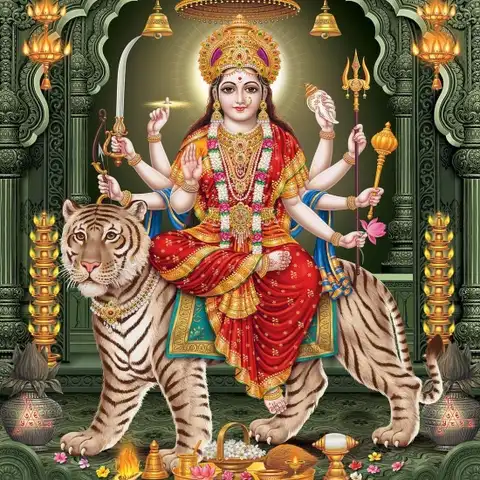
Goddess Saraswati
Primary deity; goddess of knowledge, arts, music, and wisdom
The Invincible Mother Goddess — Supreme Feminine Power who destroys evil, protects the righteous, and embodies the divine energy of the entire universe.
View deity →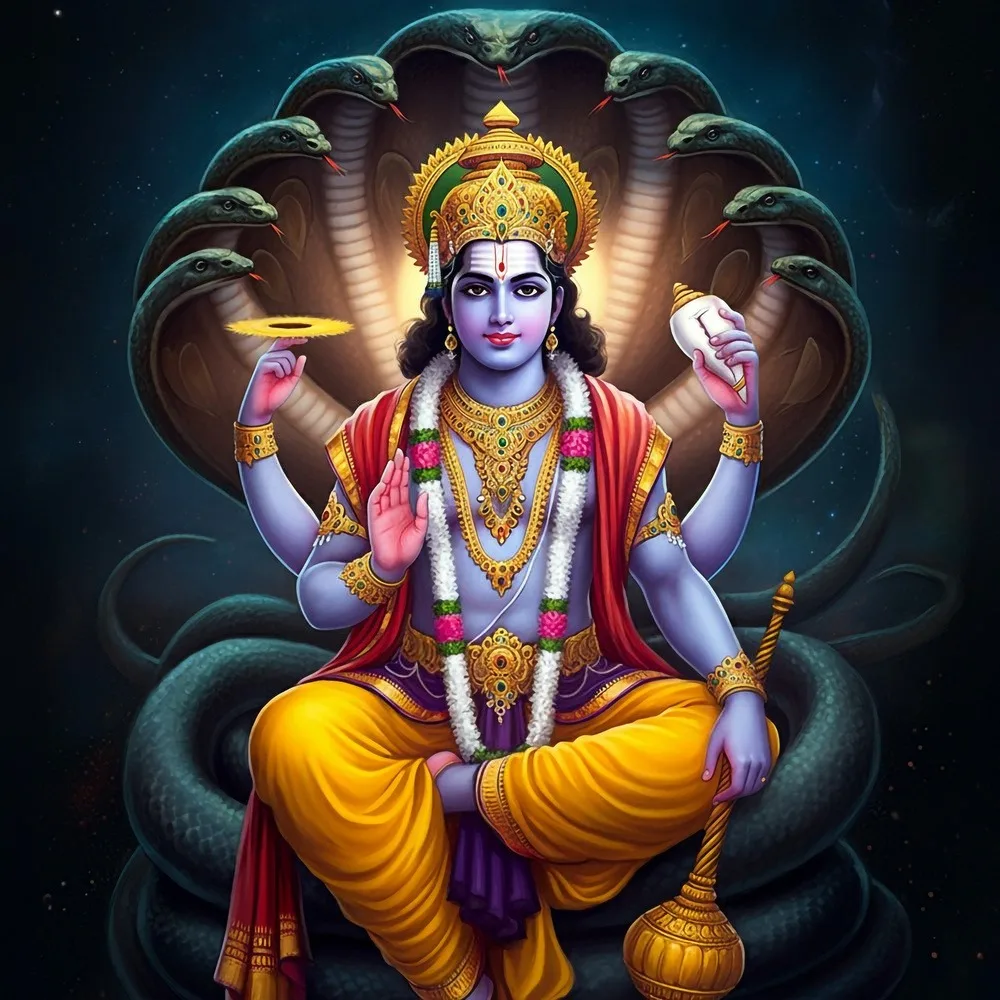
Lord Vishnu
Venerated in Vaishnava spring traditions on Vasant Panchami
The Preserver of the Universe — the all-pervading Supreme Being who descends to Earth in divine avatars whenever righteousness declines and evil rises.
View deity →
Goddess Lakshmi
Associated with spring prosperity and abundance
The Invincible Mother Goddess — Supreme Feminine Power who destroys evil, protects the righteous, and embodies the divine energy of the entire universe.
View deity →Vasant Panchami is primarily dedicated to Goddess Saraswati, with secondary associations with Kama and Rati, and Lord Vishnu's spring forms.
Goddess Saraswati: The supreme deity of Vasant Panchami, Saraswati is depicted in pure white garments seated on a white lotus, holding a veena (lute), a pustaka (book), and a japamala (prayer beads). Her white swan (hamsa) symbolises the ability to discriminate between the real and unreal. On Vasant Panchami, Saraswati is dressed in yellow — the colour of spring and ripening wisdom — and worshipped with yellow flowers, yellow sweets, and offerings of books and musical instruments. She is considered the source of language itself (Vak Devi) and the creative intelligence underlying all arts and sciences.
Lord Vishnu (Vasanta Rupa): Some Vaishnava traditions associate Vasant Panchami with the spring form of Vishnu, celebrating the universe's renewal under his sustaining grace. In a few traditions, both Vishnu and Lakshmi are worshipped on this day.
Kama and Rati: According to Shaivite legend, Lord Kama (god of love and spring) shot his arrow of desire at Lord Shiva during meditation on this very day to awaken him to marry Parvati. Shiva, angered, opened his third eye and burned Kama to ash. Later, out of compassion, Shiva restored Kama's essence. This cosmic event — the burning and rebirth of Kama — is said to have occurred on Vasant Panchami, making it a day of love's awakening and spring's arrival.
How to celebrate Vasant Panchami 2026
1. Rise early on Vasant Panchami, take a ritual bath, and wear yellow clothes as an offering of joy to Goddess Saraswati.
2. Clean the puja area and set up a yellow cloth on the altar. Place an image or idol of Goddess Saraswati.
3. Arrange the following on the puja thali: yellow flowers (marigold), yellow fruits, akshat (rice), kumkum, sandalwood paste, incense, a ghee diya, and yellow sweets (kesari halwa or boondi).
4. Place books, musical instruments, pens, and tools of your craft or art near the Saraswati idol to receive her blessings.
5. Light the diya and incense. Begin with a Ganesha invocation to remove obstacles.
6. Perform Saraswati Avahan (invocation): invite the goddess into the idol with flowers and mantras.
7. Offer panchamrit (mixture of milk, curd, honey, ghee, and sugar) to the idol, followed by yellow flowers, rice, and sweets.
8. Recite the Saraswati Stotram, Saraswati Vandana, or chant the beej mantra "Aim" 108 times on a crystal or tulsi mala.
9. For Vidya Arambha (children's first learning): take the child's hand and guide them to write "Om" or the first letters of the alphabet on a slate or in sand using their right index finger.
10. Offer aarti to the goddess and distribute prasad of yellow sweets to family and community.
11. On this day, do not study from books that have been offered to the deity — resume studies the following day after seeking the goddess's blessing.
Rituals & regional traditions
- Saraswati Puja in Schools and Colleges (Bengal, Bihar, Odisha): Elaborate Saraswati idols are installed in educational institutions. Students do not study on this day (as books are offered to the goddess) but perform puja and sing devotional songs. The following day, Saraswati Visarjan (immersion) is conducted.
- Vidya Arambha / Hathe Khori: Young children (typically 3–5 years old) are formally introduced to learning in an Akshara Abhyasam ceremony on Vasant Panchami, guided by a teacher or elder to write their first syllables.
- Yellow Dress Tradition: Devotees across India wear yellow or saffron-coloured clothes on Vasant Panchami in homage to the blooming mustard fields and Saraswati's golden energy.
- Kite Flying (Rajasthan, Punjab, Gujarat): The sky is filled with colourful kites on Vasant Panchami, heralding the arrival of spring and the spirit of new beginnings. Major kite flying competitions are held in Jaipur, Amritsar, and Ahmedabad.
- Basant Mela (Punjab & Haryana): Spring fairs with music, folk dance, bhangra performances, and yellow mustard field visits are held in villages and towns.
- Saraswati Visarjan: The day after Vasant Panchami, Saraswati idols are carried in procession and immersed in rivers or ponds — especially in Bengal and Odisha — with songs and celebrations.
- Yellow Food Offerings: Kesari halwa, boondi, yellow rice (with saffron or turmeric), and saffron-infused sweets are prepared and offered as prasad.
Spiritual benefits
- Blessings of Goddess Saraswati for academic excellence, success in examinations, and intellectual clarity
- Awakening of creative potential in music, arts, dance, writing, and all forms of expression
- Auspicious beginning of new learning — students, teachers, and artists experience enhanced focus and inspiration
- Purification of the intellect and speech (vak shuddhi) through devotion to Vak Devi Saraswati
- Prosperity and well-being through the renewal of nature and the harmonisation of human rhythms with spring's energy
- Divine grace for children undergoing Vidya Arambha, setting a lifelong foundation of learning and curiosity
- Removal of ignorance (avidya) and the illumination of the mind with the light of true knowledge
- Strengthening of community bonds through shared celebration of arts, knowledge, and the beauty of spring
Mantras & sacred chants
1. Saraswati Beej Mantra
Sanskrit: ॐ ऐं सरस्वत्यै नमः
Transliteration: Om Aim Saraswatyai Namah
Meaning: Salutations to Goddess Saraswati. "Aim" is the beej (seed) mantra of Saraswati, carrying the vibrational essence of creative intelligence and knowledge. Chanting 108 times on Vasant Panchami is considered highly auspicious for students and artists.
2. Saraswati Vandana
Sanskrit: या कुन्देन्दुतुषारहारधवला या शुभ्रवस्त्रावृता। या वीणावरदण्डमण्डितकरा या श्वेतपद्मासना।
Transliteration: Ya Kundendu tusharahara dhavala, ya shubhravastravrita. Ya veenavara dandamandita kara, ya shwetapadmasana.
Meaning: She who is as white as the kunda flower, the moon, snow, and garlands; clad in pure white garments; whose hands are adorned with the excellent veena; who is seated on a white lotus — may that Goddess Saraswati remove my ignorance.
3. Vidya Mantra for Students
Sanskrit: सरस्वति नमस्तुभ्यं वरदे कामरूपिणि। विद्यारम्भं करिष्यामि सिद्धिर्भवतु मे सदा।
Transliteration: Saraswati namastubhyam varade kamarupini. Vidyarambham karishyami siddhir bhavatu me sada.
Meaning: O Goddess Saraswati, I bow to you, the granter of boons and the fulfiller of desires. As I begin my studies, may I always achieve success.
Vasant Panchami 2026 — FAQs
Vasant Panchami 2026 falls on Thursday, January 22, 2026. It is observed on the Panchami tithi of Magh Shukla Paksha, marking the onset of spring.
Goddess Saraswati, the deity of knowledge, arts, music, speech, and wisdom, is the primary deity worshipped on Vasant Panchami. She is invoked as Vak Devi (goddess of speech) and Vidya Devi (goddess of learning).
Yellow is the colour of spring's blooming mustard fields, and also represents the radiance of knowledge and Saraswati's golden energy. Devotees wear yellow clothes, offer yellow flowers like marigold, and prepare yellow sweets such as kesari halwa on this day.
Vidya Arambha (also called Akshara Abhyasam or Hathe Khori) is the ceremony of initiating a child's formal education on Vasant Panchami. An elder or teacher guides the child's right hand to write their first letters or Sanskrit syllables, considered supremely auspicious under Saraswati's blessing.
In West Bengal, Bihar, and Odisha, Saraswati Puja on Vasant Panchami is a major community festival where elaborate idols of the goddess are installed in homes and educational institutions. Students offer their books and do not study on this day. The next day, idols are immersed in procession (Saraswati Visarjan).
Books, musical instruments, and tools of learning are offered to Goddess Saraswati on Vasant Panchami and placed before her idol as objects of worship. Using them on this day would be akin to taking back what has been offered. Students resume their studies the next day after receiving the goddess's blessing.
The primary beej mantra is Om Aim Saraswatyai Namah — chanting 108 times on Vasant Panchami is considered highly beneficial. Students also recite the Saraswati Vandana: Ya Kundendu tusharahara dhavala... as a prayer for the removal of ignorance.
Yes. In Rajasthan, Punjab, and Gujarat, kite flying on Vasant Panchami is a popular tradition that heralds the arrival of spring. Major kite festivals and competitions are held in Jaipur (Rajasthan), Amritsar (Punjab), and Ahmedabad (Gujarat) on this day.