Book Tomorrow Wednesday Vinayaka Abhishekam
Temples in Palani, Tamil Nadu

Tamil Nadu pilgrimage guide

Temples in Palani — Famous Temples & Complete Darshan Guide

Plan a practical Palani temple trip with 10 important temples, darshan-friendly routing, local travel tips and the best season for a peaceful pilgrimage.

10 curated temples Tamil Nadu View map & route →

Last updated July 2026 · Curated by the Temples.bio editorial team

Quick answers

Which is the most famous temple in Palani?
Palani Murugan Temple is the most prominent temple in Palani. This guide covers 10 notable temples in and around Palani with timings, distances and a darshan route.
What are the famous temples in Palani?
The most famous temples in Palani include Palani Murugan Temple, Madurai Meenakshi Amman Temple, Thirupparankundram Murugan Temple, Pazhamudircholai Murugan Temple and Arulmigu Thiru Arthanareeswarar Temple. See the table below for the primary deity, location and darshan timings of all 10 temples.
How many days do you need to visit Palani temples?
You can cover the main temples of Palani in about 2 days. Use the 1-day essential circuit for the key shrines, or the 2-day plan to include temples within 100 km.
What is the best time to visit Palani temples?
October to March is the most comfortable season for temple visits in Palani. Summer afternoons can be tiring, so plan early morning darshan and keep a lighter second half of the day. Festival days are spiritually rewarding but busier; confirm timings, parking and local transport
How do you reach Palani?
Reach Palani by the nearest major railway station or state highway links, then keep the temple circuit local for the first day. For families and senior citizens, a hired cab or auto-rickshaw is easier than changing transport repeatedly. Start with the main temple before the crowd builds, pause for l

Temples in Palani at a glance

Primary deity, location or distance, and darshan timings for the key temples — see full details with photos below.

# Temple Primary deity Location / distance Darshan timings
1 Palani Murugan Temple Lord Dandayudhapani (Murugan) Palani, Tamil Nadu (in city) 4:00 AM – 9:00 PM
2 Madurai Meenakshi Amman Temple Goddess Meenakshi and Lord Sundareshwarar 115 km from Palani 5:00 AM – 10:00 PM
3 Thirupparankundram Murugan Temple Lord Subramanya (Murugan) 114 km from Palani 6:00 AM – 8:30 PM
4 Pazhamudircholai Murugan Temple Lord Subramanya (Murugan) 121 km from Palani 6:00 AM – 8:00 PM
5 Arulmigu Thiru Arthanareeswarar Temple Lord Arthanareeswarar (Shiva–Parvati) 129 km from Palani 6:00 AM – 8:00 PM
6 Jambukeswarar Temple Lord Jambukeswarar (Shiva) 155 km from Palani 6:00 AM – 8:30 PM
7 Srirangam Ranganathaswamy Temple Sri Ranganathaswamy (Bhujanga Sayanam) 156 km from Palani 06:00 AM – 09:00 PM
8 Samayapuram Mariamman Temple Goddess Mariamman 164 km from Palani 4:00 AM – 10:00 PM
9 Andal Temple Sri Vadabadrasayee & Sri Andal-Rangamannar (Reclining & Standing) 164 km from Palani 06:00 AM – 09:00 PM
10 Guruvayur Sri Krishna Temple Guruvayurappan (Lord Krishna/Vishnu) 195 km from Palani 3:00 AM – 10:00 PM

Why Palani is a major temple destination

Palani is one of Tamil Nadu's useful temple bases, combining well-known shrines with smaller neighbourhood temples that locals still visit for daily worship. The guide below is arranged for real travel: start with the most important temple, then add nearby shrines in an order that keeps the route simple.

Even when a city is not marketed only as a pilgrimage destination, its temples often hold the memory of older neighbourhoods, local festivals and family vows. Devotees usually come here for blessings of Lord Shiva and Lord Murugan, family welfare, ancestral prayers and a quieter connection with the region's sacred geography. The city also works well as a base for first-time visitors who want a balanced mix of famous temples and reachable local shrines.
Curated pilgrimage circuit

Temples to Visit Near Palani

Ordered by pilgrimage importance and practical travel distance from Palani.

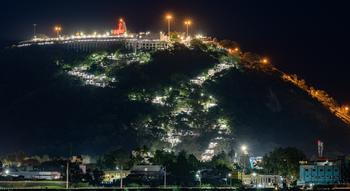
Palani Murugan Temple — Lord Dandayudhapani (Murugan) temple in Palani Within City

Lord Dandayudhapani (Murugan)

  • Palani, Tamil Nadu
  • Within Palani (Palani, Tamil Nadu)
  • 4:00 AM - 9:00 PM (Palani, Dindigul district, Tamil Nadu. Arulmiku Dhandayuthapani Swamy Temple on Sivagiri hill. HR&CE manages. Rope car and step-ramp available.)

Palani Murugan Temple

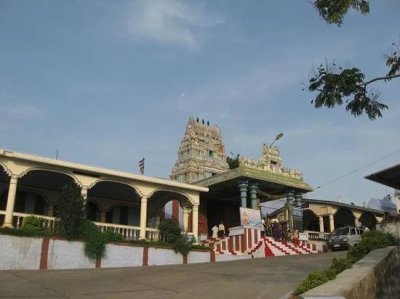
Palani Murugan Temple, located on Palani Hills in Tamil Nadu, is one of the six main abodes (Arupadai Veedu) of Lord Murugan and one of the most visited temples in South India. The temple is dedicated to Lord Dandayudhapani, a form of Murugan holding a divine staff. According to legend, this is where Murugan came after losing the divine fruit contest to his brother Ganesha, declaring "I myself am the fruit of wisdom." The temple is famous for its unique idol made of Navapashanam (nine minerals) created by sage Bogar, and the sacred Panchamirtham prasadam. The hilltop location requires either a climb of 659 steps or a winch/rope car ride.

Travel Tip: By Road: Well connected from Madurai, Coimbatore. By Train: Palani station available. Hill climb or rope car to temple.

Madurai Meenakshi Amman Temple — Goddess Meenakshi and Lord Sundareshwarar temple in Palani Same Day

Goddess Meenakshi and Lord Sundareshwarar

  • Madurai, Tamil Nadu
  • 115.9 km from Palani
  • 5:00 AM - 10:00 PM (Madurai. One of the largest temple complexes in India. HR&CE manages. 14 gopurams. Two sessions.)

Madurai Meenakshi Amman Temple

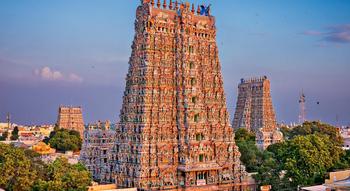
Madurai Meenakshi Amman Temple, located in the heart of Madurai city, is one of the most spectacular and historically significant temples in Tamil Nadu. Dedicated to Goddess Meenakshi (an avatar of Parvati) and her consort Lord Sundareshwarar (Shiva), this temple is a masterpiece of Dravidian architecture. The temple complex covers 14 acres and features 14 magnificent gopurams (towers), with the tallest being 52 meters high. The temple has a rich history dating back to the 6th century CE, with the current structure largely built during the Nayak period (16th-18th centuries). The temple is famous for its intricate sculptures, vibrant paintings, and the Hall of Thousand Pillars. The annual Chithirai Festival celebrating the divine marriage of Meenakshi and Sundareshwarar attracts millions of devotees.

Travel Tip: By Road: Central Madurai location. By Train: Major railway junction. Cultural heritage site with excellent connectivity.

Thirupparankundram Murugan Temple — Lord Subramanya (Murugan) temple in Palani Same Day

Lord Subramanya (Murugan)

  • Thirupparankundram, Tamil Nadu
  • 114.2 km from Palani
  • 6:00 AM - 8:30 PM (Thirupparankundram, Madurai district. Cave temple in hill. One of 6 Arupadai Veedu. Lord Murugan's wedding place.)

Thirupparankundram Murugan Temple

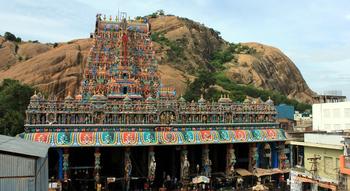
Thirupparankundram Murugan Temple, located near Madurai, Tamil Nadu, holds the distinction of being the first among the six main abodes (Arupadai Veedu) of Lord Murugan. This ancient rock-cut temple is where Lord Murugan married Devasena, the daughter of Indra, making it a significant site for marriage and relationship blessings. The entire temple is carved out of a single rock hill, showcasing ancient Tamil architectural skills. The temple represents the establishment of Murugan's divine authority and his role as a married deity. The temple has unique sculptures and ancient inscriptions that date back to the 8th century, making it an important archaeological site as well.

Travel Tip: By Road: Connected from Madurai city. By Train: Madurai is major junction. Ancient rock-cut temple site.

Pazhamudircholai Murugan Temple — Lord Subramanya (Murugan) temple in Palani Same Day

Lord Subramanya (Murugan)

  • Pazhamudircholai, Tamil Nadu
  • 121.2 km from Palani
  • 6:00 AM - 8:00 PM (Pazhamudircholai, near Madurai. Forest hill temple — only Arupadai Veedu in a forest (Cholai). Two sessions.)

Pazhamudircholai Murugan Temple

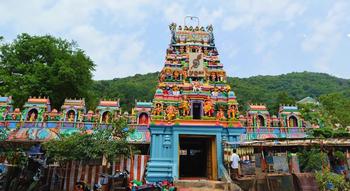
Pazhamudircholai Murugan Temple, located on the Solaimalai Hills near Madurai, Tamil Nadu, is known as the "Garden of Fruits" and represents the pastoral and romantic aspect of Lord Murugan. This is where Murugan is believed to reside with his beloved Valli amidst lush green surroundings and fruit-bearing trees. The temple is surrounded by natural beauty and is famous for its connection to fertility, love, and nature. The name "Pazhamudircholai" literally means "the garden where fruits mature," symbolizing abundance and fertility. The temple attracts couples seeking love, fertility, and harmony in their relationships, as well as those seeking connection with nature and divine love.

Travel Tip: By Road: Hill route from Madurai. Natural setting with fruit gardens. Scenic drive through hills.

Arulmigu Thiru Arthanareeswarar Temple — Lord Arthanareeswarar (Shiva–Parvati) temple in Palani Same Day

Lord Arthanareeswarar (Shiva–Parvati)

  • Tiruchengode, Tamil Nadu
  • 129.9 km from Palani
  • 6:00 AM - 8:00 PM (Tiruchengode, Namakkal, Tamil Nadu. Lord Arthanareeswarar — the unique half-male half-female form of Shiva (left half) and Parvati (right half). Ancient Dravidian architecture on a rocky hill. Panguni Uthiram and Girivalam are major events. HR&CE manages.)

Arulmigu Thiru Arthanareeswarar Temple

Arulmigu Thiru Arthanareeswarar Temple, located on the Tiruchengode hill in Tamil Nadu, is a renowned Shaivite temple dedicated to Lord Arthanareeswarar, the unique form of Lord Shiva symbolizing the union of Shiva and Parvati. The temple is one of the most significant spiritual centers in the region and attracts devotees seeking marital harmony, fertility, and spiritual balance. Perched atop a hill, the temple offers a divine atmosphere along with panoramic views of the surrounding landscape. The temple has strong connections with ancient Tamil Shaivism and is praised in devotional hymns. Daily pujas and special festivals draw large numbers of devotees throughout the year.

Jambukeswarar Temple — Lord Jambukeswarar (Shiva) temple in Palani Same Day

Lord Jambukeswarar (Shiva)

  • Thiruvanaikaval, Trichy, Tamil Nadu
  • 155.5 km from Palani
  • 6:00 AM - 8:30 PM (Srirangam island, Tiruchirappalli. Pancha Bhuta Sthalams — Water element. Underground spring inside sanctum. HR&CE manages.)

Jambukeswarar Temple

Jambukeswarar Temple, also known as Thiruvanaikaval Temple, located in Trichy, Tamil Nadu, is one of the five Pancha Bhoota Stalams representing the Appu (Water) element. The temple is famous for its underground natural spring that continuously supplies water to the sanctum, making the lingam partially submerged in water throughout the year. The temple gets its name from Jambu (rose apple tree) and the legend of the white elephant Airavata who worshipped Shiva here. The temple is unique as it houses both male and female forms of Shiva, with Akilandeswari as the presiding goddess who is considered more powerful than the male deity.

Travel Tip: By Road: Well connected from Trichy city. By Train: Trichy is major junction. Local buses available to temple.

Srirangam Ranganathaswamy Temple — Sri Ranganathaswamy (Bhujanga Sayanam) temple in Palani Same Day

Sri Ranganathaswamy (Bhujanga Sayanam)

  • Srirangam, Trichy, Tamil Nadu
  • 156.6 km from Palani
  • 06:00 AM - 09:00 PM (Temple complex opens at 06:00 AM. Sanctum sanctorum has scheduled darshan windows with periodic closures during daily ritual preparations.)

Srirangam Ranganathaswamy Temple

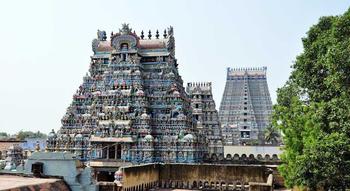
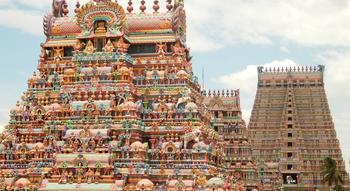
Sri Ranganathaswamy Temple in Srirangam (Thiruvarangam), Tiruchirappalli, Tamil Nadu, is the 1st Divya Desam and the foremost of the eight self-manifested (Swayamvyakta) shrines of Lord Vishnu. Celebrated as Bhuloka Vaikuntham (heaven on earth), it is the largest functioning Hindu temple complex in the world, spanning an expansive 156 acres with seven concentric enclosures (sapta prakarams) and 21 majestic gopurams, crowned by the 236-foot Rajagopuram.According to the Sthala Purana, the sacred idol of Sri Ranganatha emerged directly from the Cosmic Ocean during Brahma's penance. Preserved in Ayodhya by the Ikshvaku dynasty and worshipped by Lord Sri Rama, it was gifted to Vibhishana following the coronation in Lanka. While returning to Lanka, Vibhishana placed the idol upon the island between the Cauvery and Kollidam rivers during a stopover. When he attempted to lift it, the Lord decreed that He desired to remain here permanently, consenting to recline facing South so that His divine gaze would eternally bless Vibhishana and Lanka.Srirangam is intimately connected to all twelve Alvars (eleven of whom composed 247 pasurams in the Nalayira Divya Prabandham), Andal (who merged into Lord Ranganatha here), and the great Acharyas Nathamuni, Yamunacharya, and Sri Ramanujacharya. The sacred mortal body (Thirumeni) of Sri Ramanujacharya is preserved in a seated posture inside the Vasantha Mandapam of the fourth enclosure, treated with natural herbs for over nine centuries.

Travel Tip: By Road: Well connected from all major South Indian cities. By Train: Trichy is major junction. Island location with bridge access.

Samayapuram Mariamman Temple — Goddess Mariamman temple in Palani Same Day

Goddess Mariamman

  • Samayapuram, Tiruchirappalli, Tamil Nadu
  • 164.9 km from Palani
  • 4:00 AM - 10:00 PM (Samayapuram, Tiruchirappalli. Powerful Mariamman temple. Annual festival draws millions. HR&CE manages.)

Samayapuram Mariamman Temple

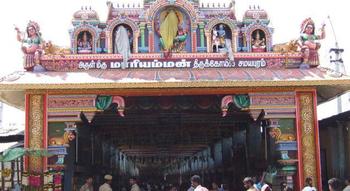
Samayapuram Mariamman Temple, located near Tiruchirappalli, is one of the most powerful and revered temples dedicated to Goddess Mariamman, the protector against diseases and epidemics. The temple is particularly famous for its healing powers and is visited by millions of devotees seeking protection from diseases, especially smallpox, chicken pox, and other epidemics. The temple hosts one of the largest annual festivals in Tamil Nadu, attracting over a million devotees. Goddess Mariamman is considered the divine physician and protector of public health. The temple has a rich tradition of miraculous healings and disease protection. The annual festival features elaborate processions, cultural programs, and mass healing ceremonies.

Travel Tip: By Road: Connected from Tiruchirappalli and surrounding areas. Major festival destination with crowd management facilities.

Andal Temple — Sri Vadabadrasayee & Sri Andal-Rangamannar (Reclining & Standing) temple in Palani Same Day

Sri Vadabadrasayee & Sri Andal-Rangamannar (Reclining & Standing)

  • Srivilliputhur, Tamil Nadu
  • 164.4 km from Palani
  • 06:00 AM - 09:00 PM (Birthplace of Goddess Andal and Periyalvar, home to Tamil Nadu's 192-foot emblem Rajagopuram. Closes 01:00 PM to 04:00 PM.)

Andal Temple

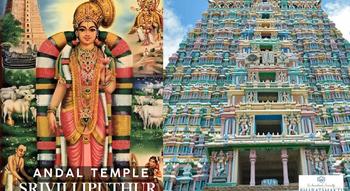
Sri Andal Temple in Srivilliputhur, Virudhunagar district, Tamil Nadu, is the 71st Divya Desam. Sung in 2 pasurams by Periyalvar and Andal, this is the holiest ground of feminine mysticism in Hinduism: the sacred Avathara Sthalam of Sri Andal (Goda Devi), the only female saint among the twelve Alvars, and Her divine foster father, Periyalvar (Vishnuchitta).Periyalvar discovered baby Andal beneath a sacred Tulasi plant in the temple garden. Growing up in deep love for Lord Ranganatha, Andal secretly wore the floral garlands prepared for the Lord to see if She was beautiful enough for Him, before offering them to the deity. When Periyalvar discovered a hair in the garland and rebuked Her, the Lord appeared in a dream, declaring that He would only accept garlands once worn by Andal (Soodikodutha Sudarkodi). Andal composed the immortal Thiruppavai (30 verses) and Nachiyar Thirumozhi (143 verses), ultimately merging physically into Lord Ranganatha in Srirangam.The temple has two grand complexes: the ancient Vadabadrasayee shrine where Vishnu reclines on a banyan leaf, and the exquisite Nachiyar shrine where Andal stands wedded to Sri Rangamannar. The monumental 11-tiered, 192-foot-tall Rajagopuram was chosen as the official State Emblem of the Government of Tamil Nadu.

Travel Tip: By Road: Connected from Madurai and Virudhunagar. Divine feminine temple with marriage blessing significance.

Guruvayur Sri Krishna Temple — Guruvayurappan (Lord Krishna/Vishnu) temple in Palani Same Day

Guruvayurappan (Lord Krishna/Vishnu)

  • Guruvayur, Kerala
  • 195.5 km from Palani
  • 3:00 AM - 10:00 PM (Guruvayur, Thrissur, Kerala. Most important Krishna temple in Kerala — called Dwarka of the South. Only Hindus allowed. Traditional Kerala dress mandatory. Famous for Guruvayur elephants (Punnathurkotta elephant sanctuary). Travancore Cochin Hindu Religious Institutions Board manages.)

Guruvayur Sri Krishna Temple

Guruvayur Sri Krishna Temple, located in Guruvayur town of Thrissur district in Kerala, is one of the most sacred and visited pilgrimage sites in South India. The temple is dedicated to Guruvayurappan, a four-armed form of Lord Vishnu/Krishna holding the conch (Panchajanya), discus (Sudarshana Chakra), mace (Kaumodaki), and lotus. According to legend, the idol was originally worshipped by Lord Brahma at Dwarka and was later installed at Guruvayur by Guru (Brihaspati) and Vayu (Wind God), from whom the name Guruvayur is derived. The temple is believed to be over 5,000 years old, though documented history traces it back to the 16th century. The temple is renowned for its strict adherence to traditional rituals and customs - only Hindus are allowed entry, and a strict dress code is enforced. The temple is famous for performing thousands of weddings annually, and devotees believe that marriages conducted here receive special divine blessings. The temple complex houses Punnathur Kotta, an elephant sanctuary with over 60 elephants. Guruvayur is also famous for the Udayasthamana Pooja, where devotees sponsor continuous chanting of Lord Krishna's name from dawn to dusk. The temple follows Kerala style architecture with a traditional two-tiered gopuram and is managed by the Guruvayur Devaswom Board.

Travel Tip: By Road: Well connected via NH-66 and state highways from Kochi, Thrissur, and Calicut. By Train: Guruvayur railway station is well connected. By Air: Cochin airport is the nearest. Best time to visit: October to March. Arrive early morning for less crowd. Bring proper dress code clothes. Book special darshan tickets online in advance. Photography strictly prohibited inside temple. Combine with Mammiyur Shiva temple visit.

How to Reach Palani

Reach Palani by the nearest major railway station or state highway links, then keep the temple circuit local for the first day. For families and senior citizens, a hired cab or auto-rickshaw is easier than changing transport repeatedly. Start with the main temple before the crowd builds, pause for lunch near the city centre, and keep outer temples for the afternoon.

Best Time to Visit Palani Temples

October to March is the most comfortable season for temple visits in Palani. Summer afternoons can be tiring, so plan early morning darshan and keep a lighter second half of the day. Festival days are spiritually rewarding but busier; confirm timings, parking and local transport before starting.

Suggested trip plan

Palani Temple Darshan Itinerary

A curated day-wise route designed for optimal travel times and darshan timings. Adjust around your bookings.

Palani Temple FAQs

How many temples can I visit in Palani in one day? +
Most visitors can cover 4 to 6 temples in one day if they start early and keep the route within the city or nearby areas.
What is the best time to visit Palani temples? +
The cooler months from October to March are best. For daily darshan, early morning and evening are usually more comfortable than afternoon.
Is Palani suitable for a family temple trip? +
Yes. Keep the first day focused on the main city temples, use local transport, and avoid packing too many distant temples into one day.

Interactive Route Planner

Palani Temple Locations

Tap any temple to center the map, view driving routes, and get key details.

1

Palani Murugan Temple

Day 1 · 1 km

→
2

Madurai Meenakshi Amman Temple

Day 2 · 115 km

→
3

Thirupparankundram Murugan Temple

Day 2 · 114 km

→
4

Pazhamudircholai Murugan Temple

Day 2 · 121 km

→
5

Arulmigu Thiru Arthanareeswarar Temple

Day 3 · 129 km

→
6

Jambukeswarar Temple

Day 5 · 155 km

→
7

Srirangam Ranganathaswamy Temple

Day 5 · 156 km

→
8

Samayapuram Mariamman Temple

Day 6 · 164 km

→
9

Andal Temple

Day 6 · 164 km

→
10

Guruvayur Sri Krishna Temple

Day 7 · 195 km

→
Day 1 Day 2 Day 3
Vinayaka Abhishekam