About Panguni Uttiram
Last updated:
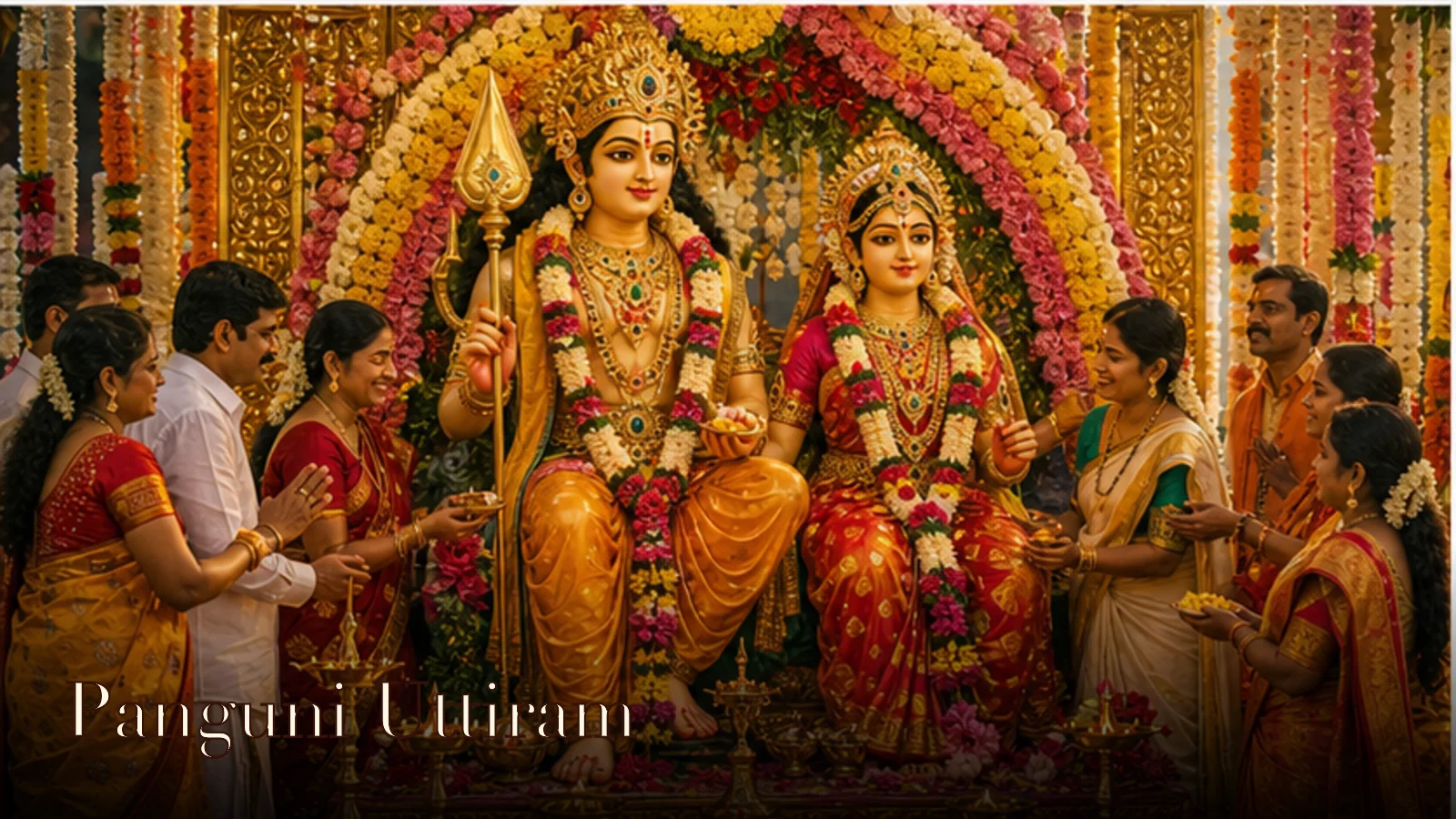
Panguni Uttiram is one of the most sacred days in the Tamil Hindu calendar, celebrated on the full moon day (Purnima) of the Tamil month Panguni (March–April) when it coincides with the Uttara Phalguni (Uttaram) nakshatra. The confluence of Purnima and Uttara Phalguni — a nakshatra associated with marriage, unions, and divine blessings — makes this day extraordinarily auspicious. The festival is celebrated with particular grandeur at Murugan temples across Tamil Nadu, and the day is considered the celestial wedding anniversary of Lord Murugan with Goddess Devasena (Deivanai). At Tiruchendur Murugan temple on the Tamil Nadu coast, Panguni Uttiram is celebrated as Thirukalyanam — the divine marriage festival — where the deity is adorned as a bridegroom and ritually wed to Devasena. The festival draws lakhs of devotees who witness this celestial union and seek blessings for their own marriages and relationships. Similarly, at Palani and other Arupadai Veedu (six sacred abodes of Murugan), elaborate car festivals (Ther Thiruvizha) are conducted, with the deity taken in a grand chariot procession through the streets. Beyond Murugan's wedding, Panguni Uttiram also commemorates the divine marriage of Rama and Sita at Rameswaram, and the sacred union of Shiva and Parvati at many Shiva temples. Devotees who are married renew their wedding vows on this day, and those seeking partners pray for an auspicious union. Kavadi Attam — the elaborate penance dance involving a decorated arch carried on shoulders — is performed by Murugan devotees on Panguni Uttiram as the culmination of their vow. The day is also considered ideal for ear-piercing (karnavedha) ceremonies for children.
Significance of Panguni Uttiram
Panguni Uttiram holds deep significance across multiple dimensions: - Divine marriages: The day celebrates the celestial marriages of Murugan-Devasena, Rama-Sita, and Shiva-Parvati simultaneously — making it the most auspicious day for marriage-related prayers. - Nakshatra power: Uttara Phalguni nakshatra is ruled by Aryaman (god of contracts and unions) and the Sun — its conjunction with Purnima creates a cosmic alignment believed to multiply spiritual merit manyfold. - Kavadi culmination: For Murugan devotees who undertook Kavadi vows during Thai Poosam or Panguni, this day marks the culmination of their penance and offering. - Fertility and abundance: The full moon of Panguni coincides with the beginning of spring harvest in parts of South , making the festival a celebration of nature's fecundity. - Car festival tradition: Ther Thiruvizha (chariot festival) on Panguni Uttiram at major Murugan temples is among the grandest spectacles in Tamil devotional culture. - Marriage blessings: Couples who pray together on Panguni Uttiram are believed to receive the combined blessings of three divine marriages — strengthening their bond. - Temple culture: The festival is a living expression of Tamil Shaiva-Vaishnava synthesis, with both Shaiva and Vaishnava communities celebrating divine unions on the same day.
Deities worshipped on Panguni Uttiram
Follow the links to explore each deity’s mantras, stories, and temples on Temples.bio.
Lord Rama
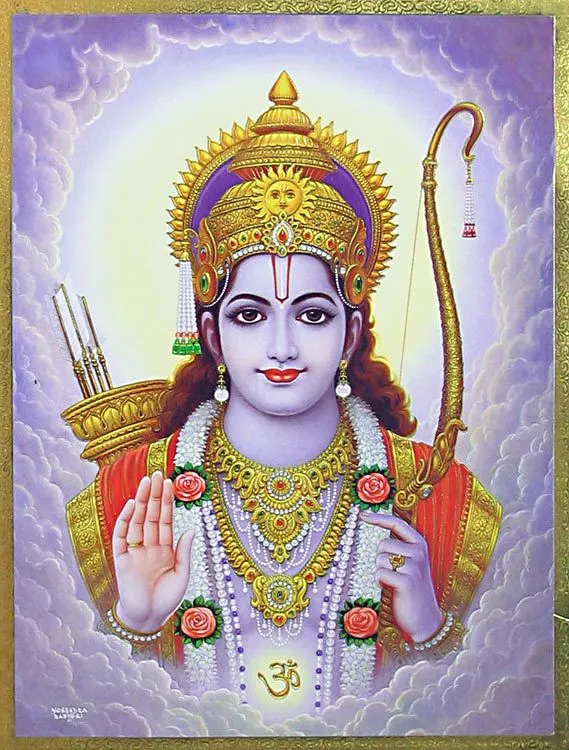
Rama-Sita Kalyanam is celebrated on the same day at Rameswaram and Rama temples
The Ideal Man, Perfect King, and Seventh Avatar of Vishnu — whose life is the eternal standard of righteousness, duty, and devotion to dharma.
View deity →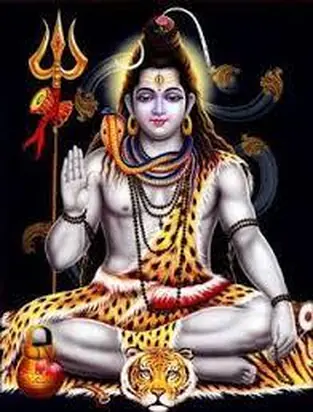
Lord Shiva
Shiva-Parvati Thirukalyanam is observed at Shaiva temples on Panguni Uttiram
The Supreme Destroyer and Transformer of the Universe — The Adiyogi, Lord of Lords, and the First Yogi.
View deity →Panguni Uttiram primarily honours Lord Murugan (Kartikeya/Skanda), the son of Shiva and Parvati and the commander of the divine armies. On this day, Murugan is worshipped in his aspect as the divine bridegroom, wedded to Goddess Devasena (Deivanai) — daughter of Indra — at Tiruchendur. This marriage symbolises the union of divine grace with human aspiration.
Lord Rama and Goddess Sita: At Rameswaram and many Rama temples, Panguni Uttiram is observed as the anniversary of Rama and Sita's marriage (Sita Kalyanam), making it auspicious for Vaishnava devotees.
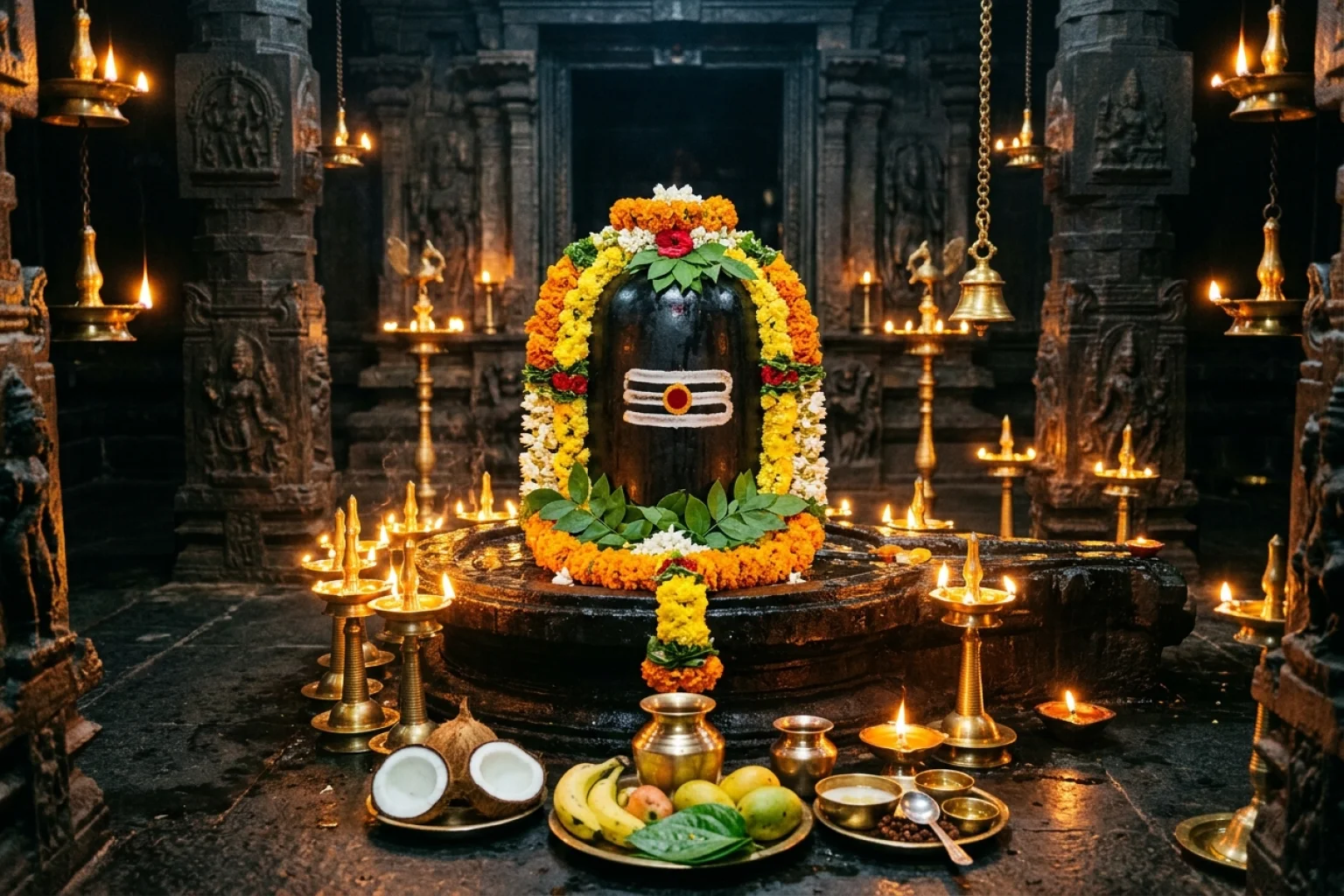
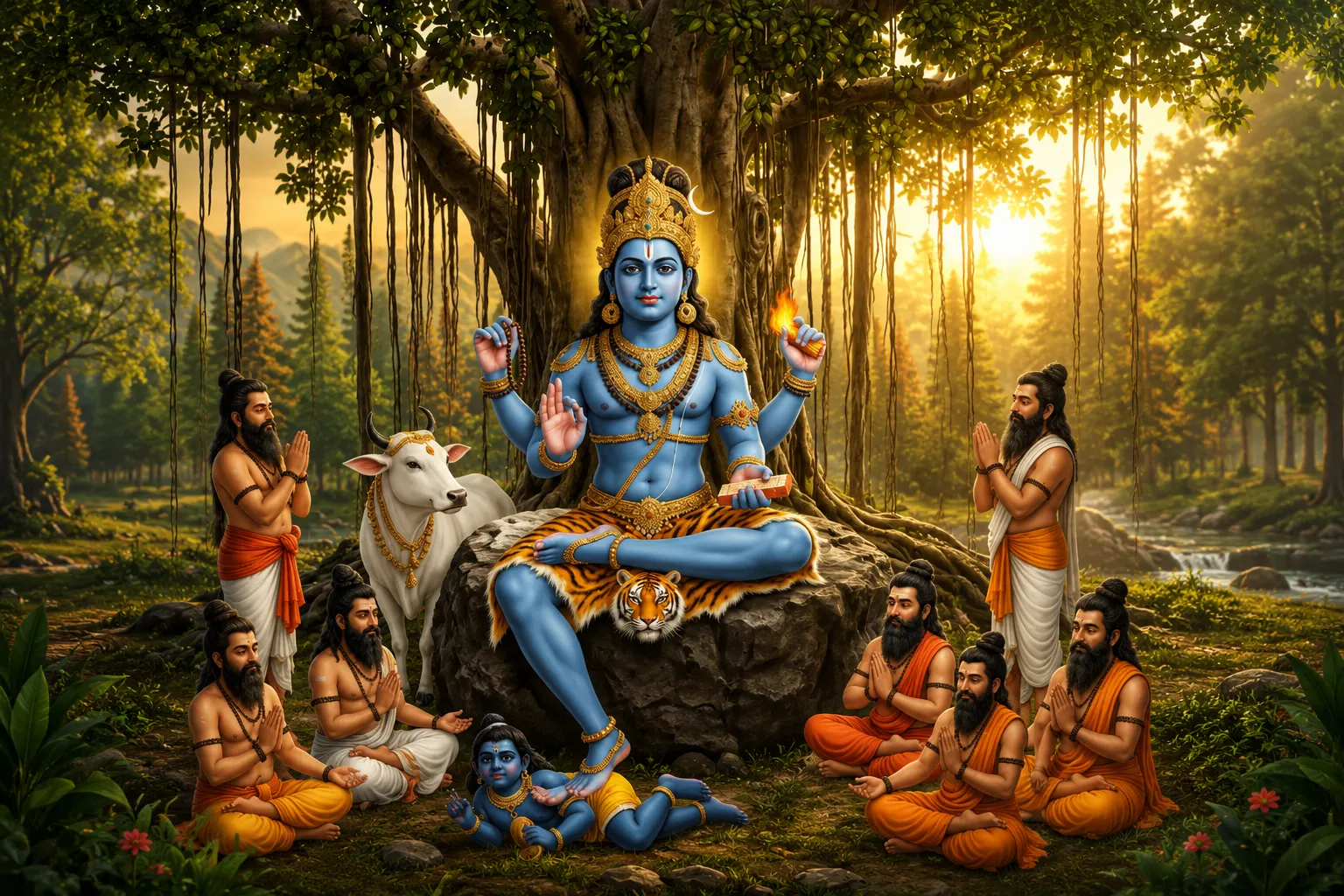
Lord Shiva and Goddess Parvati: Many Shaiva temples celebrate Shiva-Parvati Kalyanam (Thirukalyanam) on this day, worshipping the primordial divine couple whose union sustains the cosmos.
Goddess Devasena: As Murugan's consort, Devasena represents divine grace and auspiciousness. Devotees pray to her for blessings in marriage, family harmony, and removing obstacles to finding a life partner.
How to celebrate Panguni Uttiram 2026
How to observe Panguni Uttiram:
1. Wake up before sunrise and take a ritual bath (Ganga snanam). If near a river or the sea, take a holy dip at dawn.
2. Visit the nearest Murugan temple early morning. If possible, visit one of the Arupadai Veedu (Tiruchendur, Palani, Swamimalai, Thiruparamkundram, Pazhamudircholai, Thiruttani).
3. Offer special abhishekam items: panchamrit, milk, honey, sandalwood paste, and vibhuti (sacred ash) to the Murugan idol.
4. Bring offerings of vel (spear), peacock feathers, kavadi decorations, fruits (especially mango and banana), and flowers (red lotus, marigold).
5. Perform Kavadi if you have taken a vow — carry the decorated arch on your shoulders to the temple, ideally preceded by fasting and purification.
6. Attend Thirukalyanam (divine marriage) ceremony at the temple — the priest conducts a symbolic wedding of the deity with the goddess.
7. Recite the Thirupugazh (sacred Tamil hymns of Murugan) and Kanda Sashti Kavacham.
8. For couples: Pray together in front of the deity and mentally renew your wedding vows. Offer silk garments to the deity as a symbol of marital dedication.
9. Observe fasting until noon; break fast with prasad from the temple.
10. Light 108 lamps (sesame oil lamps) in the evening as an offering for marriage blessings.
Rituals & regional traditions
- Kavadi Attam: The penance dance where devotees carry elaborately decorated arched structures (kavadi) on their shoulders, often pierced with vel skewers through cheeks and tongue as an extreme form of devotion — most dramatically performed on Panguni Uttiram.
- Thirukalyanam: The ritual divine marriage ceremony conducted at Murugan temples, re-enacting Murugan's wedding with Devasena; priests adorn the deity as a bridegroom with silk, flowers, and jewellery.
- Ther Thiruvizha (Chariot Festival): Grand chariot procession at temples like Tiruchendur, Palani, and Swamimalai where the deity is taken through town on a decorated wooden chariot pulled by thousands of devotees.
- Sea bath at Tiruchendur: Devotees take a sacred dip in the sea at Tiruchendur before sunrise on Panguni Uttiram, as the coastal temple of Murugan makes this especially auspicious.
- Karnavedha: Ear-piercing ceremonies for young children are traditionally performed on this auspicious day at Murugan temples.
- Vow fulfillment: Many devotees who made vows (manasika) to Murugan throughout the year fulfil them on Panguni Uttiram — shaving heads, offering milk pots, trekking barefoot.
- Sita Kalyanam: At Rameswaram and Rama temples, the marriage of Rama and Sita is re-enacted with elaborate rituals, drawing both Shaiva and Vaishnava devotees.
Spiritual benefits
- Blessings for marriage — removing obstacles to finding a suitable partner
- Strengthening of existing marital bonds through joint prayer
- Murugan's grace for courage, victory over enemies, and removal of ego
- Fulfilment of Kavadi vows — liberation from debts of karma
- Healing of skin diseases, mental afflictions, and chronic illnesses through Murugan's vel (divine spear)
- Blessings for children — especially for ear-piercing (karnavedha) and educational beginnings
- Spiritual merit equal to pilgrimage to all six abodes of Murugan (Arupadai Veedu)
- Liberation from the cycle of rebirth through sincere surrender to Lord Murugan
Mantras & sacred chants
1. Murugan Gayatri Mantra
Sanskrit: ॐ तत्पुरुषाय विद्महे महासेनाय धीमहि तन्नो स्कन्दः प्रचोदयात्
Meaning: We meditate on that Supreme Being who is the commander of the divine army. May Lord Skanda (Murugan) illuminate and inspire our intellect.
2. Shadakshari Murugan Mantra
Sanskrit: ॐ शरवणभव
Meaning: "Om Saravanabhava" — the six-syllable seed mantra of Murugan, meaning "born in the sacred reed forest (Saravana)." This is the most powerful Murugan mantra, chanted 108 times for blessings on Panguni Uttiram.
3. Vel Mantra
Sanskrit/Tamil: வேல் வேல் வேல் — முருகா வேல் வேல் வேல்
Meaning: Vel Vel Vel — Muruga, Vel Vel Vel! The vel (divine spear) of Murugan destroys ignorance and evil. This chant is recited rhythmically during Kavadi processions and is believed to invoke Murugan's immediate grace.
Panguni Uttiram 2026 — FAQs
Panguni Uttiram 2026 falls on April 2, 2026, when the full moon (Purnima) of the Tamil month Panguni coincides with Uttara Phalguni nakshatra.
Panguni Uttiram is an auspicious Tamil festival celebrating divine marriages — of Murugan and Devasena, Rama and Sita, and Shiva and Parvati — on the full moon of Panguni month with Uttara Phalguni star.
Panguni Uttiram is considered the most auspicious day for marriage blessings because three divine couples (Murugan-Devasena, Rama-Sita, Shiva-Parvati) are celebrated on this day. Couples pray together and singles seek a life partner.
Kavadi is a penance offering to Lord Murugan where devotees carry a decorated arch on their shoulders, sometimes with body piercings, as the fulfilment of a vow. Panguni Uttiram is the most important day for Kavadi fulfillment.
All six Arupadai Veedu celebrate grandly — Tiruchendur (Thirukalyanam), Palani (car festival), Swamimalai, Thiruparamkundram, Pazhamudircholai, and Thiruttani. Tiruchendur's sea-shore celebrations are the most famous.
Thirukalyanam is the divine marriage ceremony at Murugan temples on Panguni Uttiram, where the deity is adorned as a bridegroom and ritually married to Goddess Devasena, re-enacting the celestial wedding.
Take an early morning ritual bath, visit a Murugan temple, witness Thirukalyanam, offer milk and flowers, recite Thirupugazh hymns, fulfil Kavadi vows if made, and pray for marriage blessings.
Yes. Panguni Uttiram is also celebrated as the marriage anniversary of Rama and Sita at Rameswaram and Rama temples across India, making it sacred for Vaishnava devotees alongside Shaiva Murugan worshippers.