About Akshaya Tritiya
Last updated:
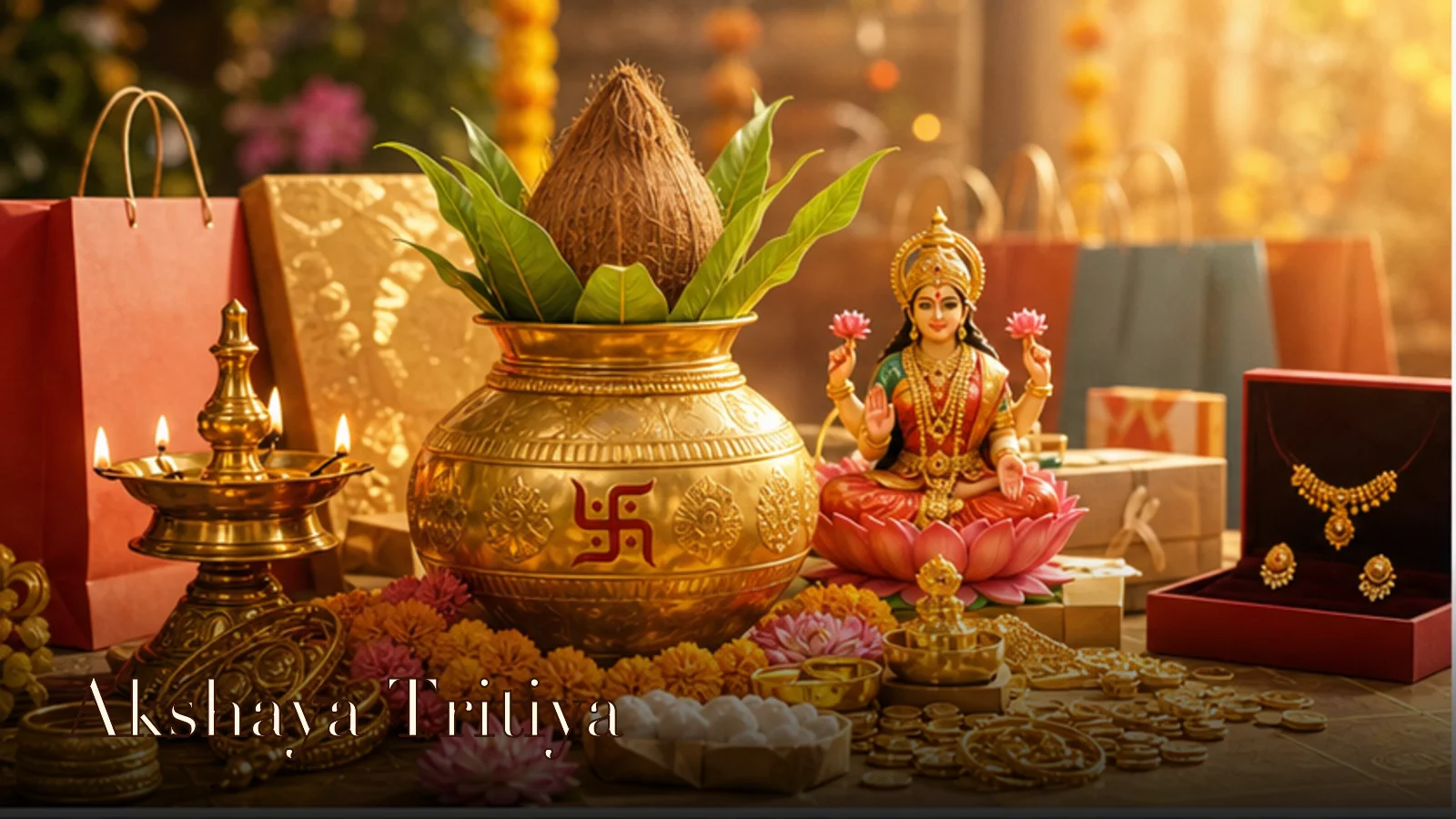
Akshaya Tritiya which is also known as Akha Teej is highly auspicious and holy day for Hindu communities. It falls during Shukla Paksha Tritiya in the month of Vaishakha. Akshaya Tritiya falling on a Rohini Nakshatra day with Wednesday is considered very auspicious. The word Akshaya (अक्षय) means never diminishing. Hence the benefits of doing any Japa, Yajna, PitraTarpan, DanPunya on this day never diminish and remain with the person forever. Akshaya Tritiya is believed to bring good luck and success. Most people purchase Gold on this day as it is believed that buying Gold on Akshaya Tritiya brings prosperity and more wealth in coming future. Being Akshaya day it is believed that Gold, bought on this day, will never diminish and would continue to grow or appreciate.
Deities worshipped on Akshaya Tritiya
Follow the links to explore each deity’s mantras, stories, and temples on Temples.bio.
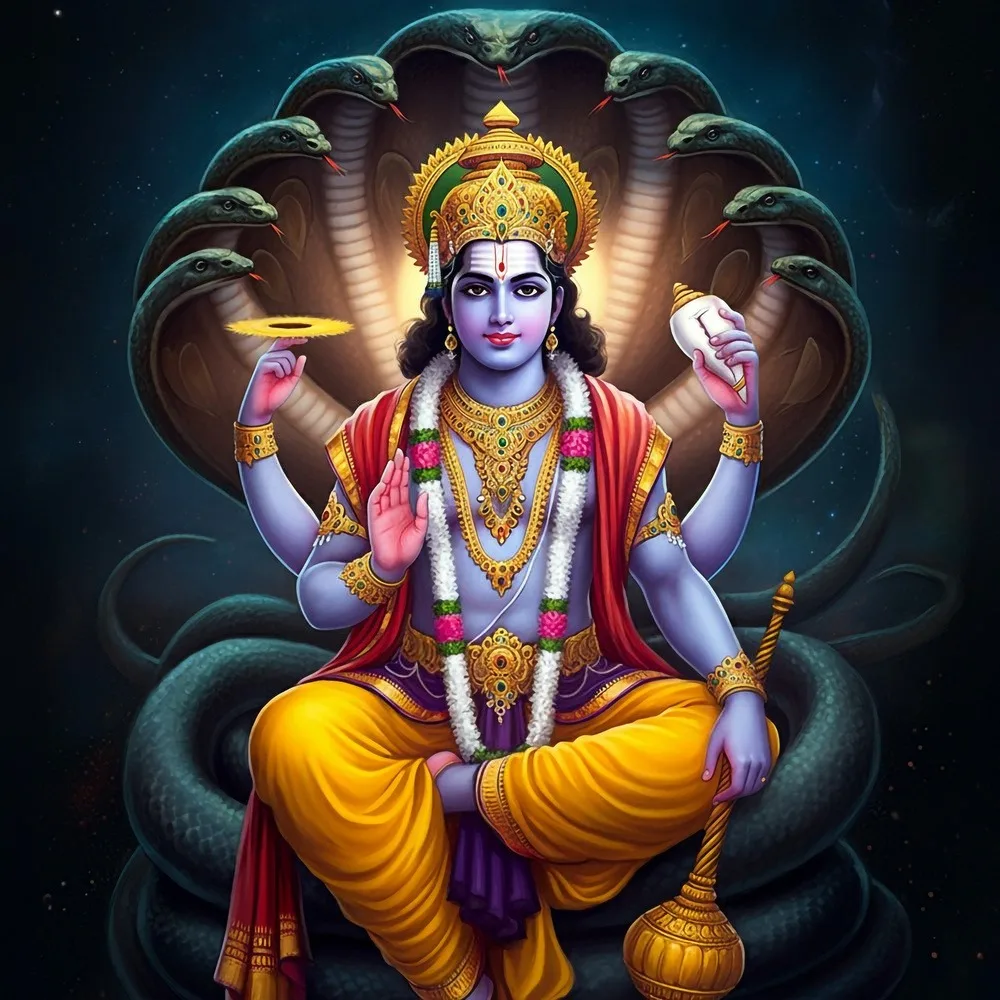
Lord Vishnu
Primary deity; Akshaya Tritiya celebrates his grace and Parshuram avatar
The Preserver of the Universe — the all-pervading Supreme Being who descends to Earth in divine avatars whenever righteousness declines and evil rises.
View deity →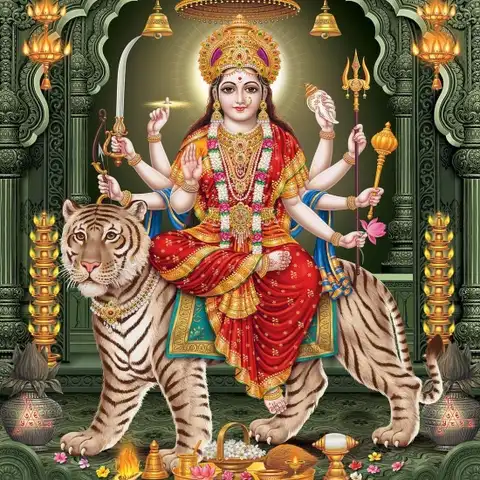
Goddess Lakshmi
Goddess of wealth worshipped for perpetual prosperity
The Invincible Mother Goddess — Supreme Feminine Power who destroys evil, protects the righteous, and embodies the divine energy of the entire universe.
View deity →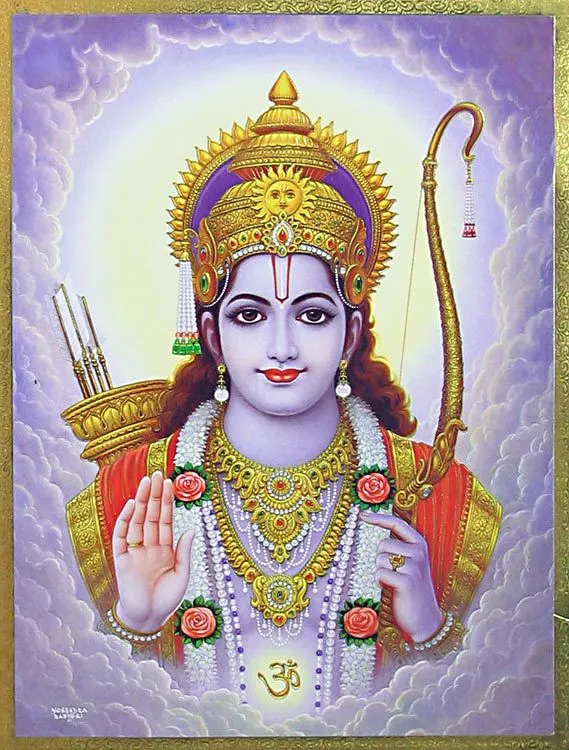
Lord Rama
Parshuram, the sixth avatar of Vishnu, is honoured on this day
The Ideal Man, Perfect King, and Seventh Avatar of Vishnu — whose life is the eternal standard of righteousness, duty, and devotion to dharma.
View deity →Akshaya Tritiya is closely associated with Lord Vishnu and his sixth avatar, Lord Parshuram, as well as with Lord Kubera, the treasurer of the gods.
Lord Vishnu, the preserver of the universe, is the primary deity of Akshaya Tritiya. His avatar Parshuram was born on this very day, and offerings made to Vishnu on Akshaya Tritiya are believed to earn his eternal blessings of protection, prosperity, and liberation. Devotees worship Lord Vishnu with tulsi leaves, yellow flowers, and panchamrit to invoke his grace.
Lord Parshuram, the warrior-brahmin avatar of Vishnu, is honoured on this day as it marks his birth. He is revered as a symbol of righteous anger against adharma and a protector of knowledge and dharmic order.
Lord Kubera, the god of wealth, is also worshipped on Akshaya Tritiya. Gold and valuables purchased on this day are kept in his honour, symbolising the seeker's alignment with divine abundance. Goddess Lakshmi, the consort of Vishnu and goddess of wealth, is invoked alongside Kubera to bless the household with never-diminishing prosperity.
How to celebrate Akshaya Tritiya 2026
Akshaya Tritiya which is also known as Akha Teej is highly auspicious and holy day for Hindu communities. It falls during Shukla Paksha Tritiya in the month of Vaishakha. Akshaya Tritiya falling on a Rohini Nakshatra day with Wednesday is considered very auspicious. The word Akshaya (अक्षय) means never diminishing. Hence the benefits of doing any Japa, Yajna, PitraTarpan, DanPunya on this day never diminish and remain with the person forever. Akshaya Tritiya is believed to bring good luck and success. Most people purchase Gold on this day as it is believed that buying Gold on Akshaya Tritiya brings prosperity and more wealth in coming future. Being Akshaya day it is believed that Gold, bought on this day, will never diminish and would continue to grow or appreciate. Akshaya Tritiya day is ruled by God Vishnu who is the preserver God in the Hindu Trinity. According to Hindu mythology Treta Yuga began on Akshaya Tritiya day. Usually Akshaya Tritiya and Parashurama Jayanti, birthday anniversary of 6th incarnation of Lord Vishnu, falls on the same day but depending on staring of Tritiya Tithi Parashurama Jayanti might fall one day before Akshaya Tritiya day.
Spiritual benefits
- All charitable acts, prayers, and good deeds performed on this day yield imperishable (akshaya) spiritual merit.
- Gold or valuables purchased on Akshaya Tritiya are believed to multiply and never diminish in value or blessing.
- Marriages and engagements on this day are said to be blessed with eternal love, harmony, and prosperity.
- Fasting and puja on this day purifies accumulated karma and accelerates spiritual progress.
- Businesses and ventures started on Akshaya Tritiya are believed to grow continuously without obstacles.
- Ancestral offerings (pitru tarpan) on this day provide liberation and peace to departed souls.
- Devotees receive the blessings of Lord Vishnu, Goddess Lakshmi, and Lord Kubera simultaneously, ensuring all-round abundance.
- Performing Annadaan (food donation) on this day is said to ensure the donor never faces scarcity in this or future lifetimes.
Mantras & sacred chants
Mantra 1 — Vishnu Puja Mantra:
Sanskrit: ॐ नमो भगवते वासुदेवाय
Transliteration: Om Namo Bhagavate Vasudevaya
Meaning: I bow to Lord Vasudeva (Vishnu), the Supreme Being who dwells in all hearts.
Mantra 2 — Parshuram Mantra:
Sanskrit: ॐ ब्रह्मक्षत्राय विद्महे क्षत्रियान्तकाय धीमहि तन्नो रामः प्रचोदयात्
Transliteration: Om Brahma-kshatraya Vidmahe Kshatriyantakaya Dhimahi Tanno Ramah Prachodayat
Meaning: We meditate on Parshuram, the brahmin-warrior; may Lord Rama (Parshuram) inspire and guide our intellect.
Mantra 3 — Lakshmi Kubera Mantra for Wealth:
Sanskrit: ॐ श्रीं ह्रीं क्लीं श्री सिद्ध लक्ष्म्यै नमः
Transliteration: Om Shreem Hreem Kleem Shri Siddha Lakshmyai Namah
Meaning: I salute the accomplished Goddess Lakshmi, invoking her blessings of wealth, grace, and spiritual power.
Akshaya Tritiya 2026 — FAQs
Akshaya Tritiya 2026 falls on Monday, April 20, 2026, on the Tritiya tithi of Vaishakha Shukla Paksha.
Gold bought on Akshaya Tritiya is believed to bring ever-increasing wealth and prosperity, as the word Akshaya means imperishable or never diminishing.
Akshaya Tritiya is one of the most auspicious days in the Hindu calendar. It marks Parshuram Jayanti, the start of Treta Yuga, and the gifting of the Akshaya Patra to the Pandavas. Any good deed done on this day yields eternal merit.
Devotees perform Vishnu puja with tulsi, yellow flowers, and panchamrit, recite Vishnu Sahasranama, worship Goddess Lakshmi and Lord Kubera, and perform Annadaan or gold donation for maximum merit.
Yes, Akshaya Tritiya and Parshuram Jayanti fall on the same day — Vaishakha Shukla Tritiya — marking the birth of Lord Parshuram, the sixth avatar of Vishnu.
Yes, Akshaya Tritiya is a Swayam Siddha Muhurta, meaning it is self-auspicious and no separate astrological muhurta calculation is needed for weddings or new ventures.
On Akshaya Tritiya 2026 (April 20), the entire day is auspicious for gold purchase. The morning hours after completing puja are traditionally preferred.
In Gujarat and Rajasthan, mass weddings are common. In Maharashtra, farmers begin sowing. In Bengal and Odisha, Lakshmi puja is prominent. Merchants open new account books across North India.