About Kumbh Mela
Last updated:
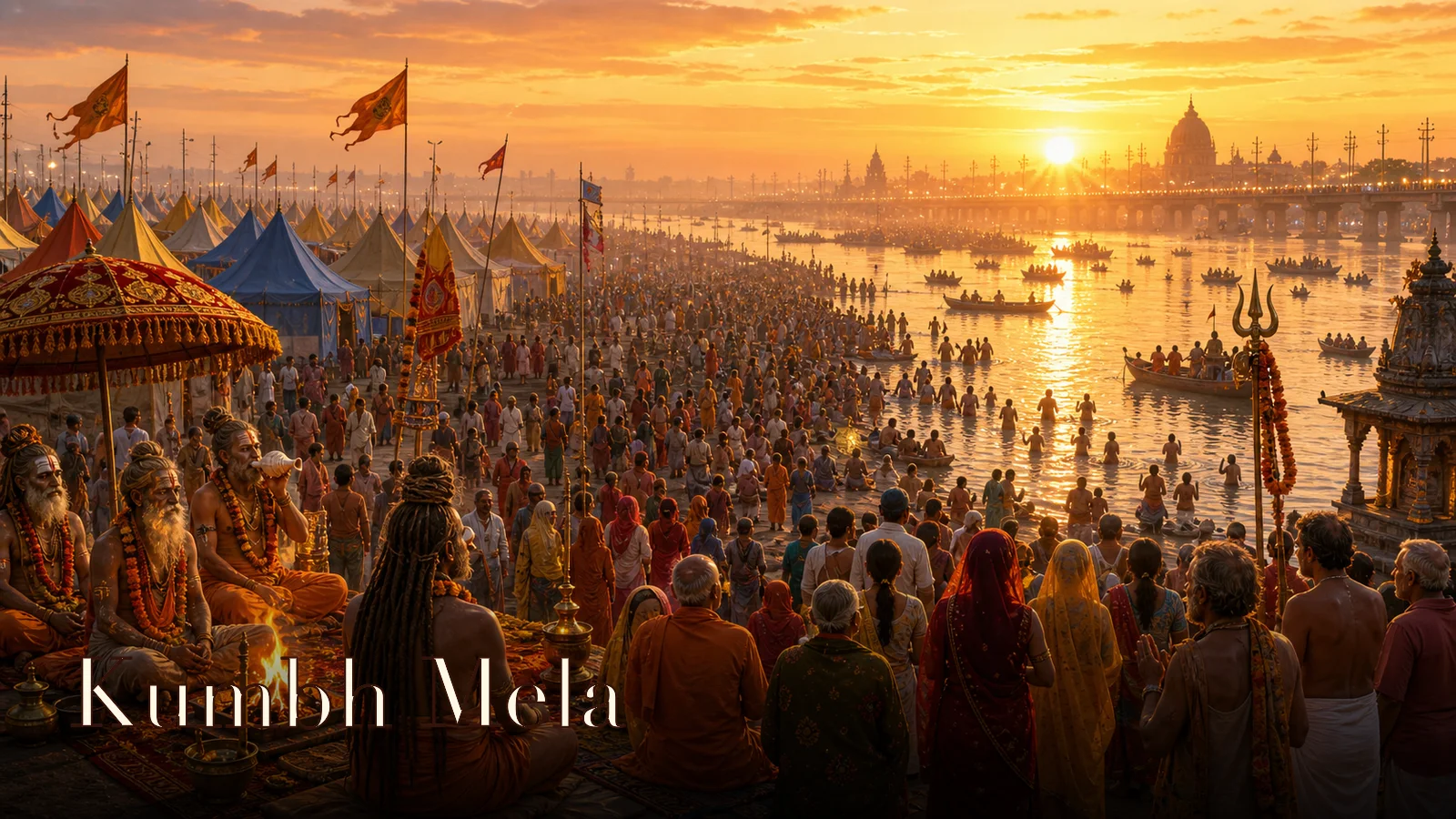
Kumbh Mela is the largest religious gathering in human history — a magnificent convergence of faith, ritual, and humanity that draws tens of millions of pilgrims to sacred river confluences across . The mela rotates among four cities: Prayagraj (at the Triveni Sangam of Ganga, Yamuna, and the mythical Saraswati), Haridwar (on the Ganga), Ujjain (on the Shipra), and Nashik (on the Godavari). The Purna Kumbh at Prayagraj, held every 12 years, is the grandest of all — the Mahakumbh (January 13 to February 26, ) was expected to be attended by over 400 million people, making it the largest gathering in recorded history. The soul of Kumbh Mela is the Shahi Snaan — the royal bath taken on specific auspicious determined by the positions of the sun, moon, and Jupiter. On these , the waters of the river are believed to transform into nectar (amrit), and bathing in them is said to wash away all sins, break the cycle of rebirth, and grant liberation. The principal Shahi Snaan include Mauni Amavasya, Basant Panchami, Maghi Purnima, and Makar Sankranti. Akharas — ancient orders of warrior-saints and ascetics — lead the processions to the river in a breathtaking spectacle of saffron, elephant processions, and chanting. Beyond the bathing ghats, Kumbh Mela is a universe unto itself — a temporary city of millions with tent cities, spiritual discourses, music, debates among saints, and the opportunity for ordinary devotees to receive the blessings of sadhus and mahants who emerge from their forest and mountain retreats specifically for this occasion. UNESCO recognized Kumbh Mela as an Intangible Cultural Heritage of Humanity in .
Significance of Kumbh Mela
The significance of Kumbh Mela is rooted in one of the most beloved myths of Hindu cosmology: - The Samudra Manthan (Ocean Churning): Gods (Devas) and demons (Asuras) churned the cosmic ocean together to produce amrit (nectar of immortality). When the pot (kumbh) of amrit emerged, a battle erupted. During the struggle, drops of amrit fell at four locations — Prayagraj, Haridwar, Ujjain, and Nashik — sanctifying them forever. - Amrit in the Waters: Pilgrims believe that on specific astrological , the rivers at these locations again become charged with amrit, and bathing grants liberation from samsara. - Shahi Snaan: The royal bathing processions of the Akharas are considered the most sacred moments — witnessing the Shahi Snaan is itself believed to grant immense spiritual merit. - Largest Peaceful Assembly: Kumbh Mela demonstrates the power of collective faith — millions gather not for politics or commerce, but purely for spiritual liberation. - Guru-Shishya Tradition: Kumbh is where seekers find gurus, initiations happen, and the living tradition of Hindu spirituality is transmitted. - Astrological Precision: The are calculated based on Jupiter entering Aquarius (for Prayagraj), the sun-moon-Jupiter alignment — linking the earthly pilgrimage to cosmic movements. - UNESCO Heritage: Recognized in as an Intangible Cultural Heritage of Humanity 's living spiritual traditions.
Deities worshipped on Kumbh Mela
Follow the links to explore each deity’s mantras, stories, and temples on Temples.bio.
Lord Vishnu
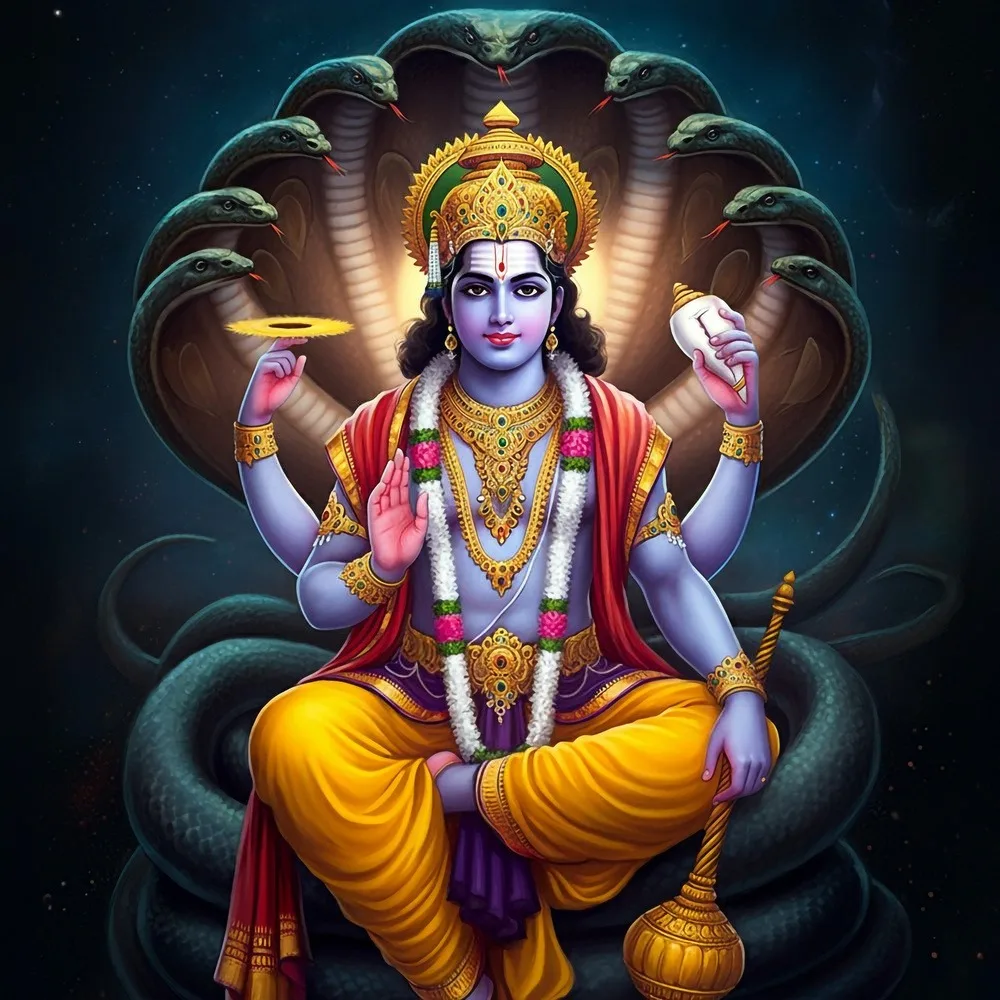
Primary deity of Kumbh Mela — his Mohini avatar rescued the amrit and drops fell at the four Kumbh sites
The Preserver of the Universe — the all-pervading Supreme Being who descends to Earth in divine avatars whenever righteousness declines and evil rises.
View deity →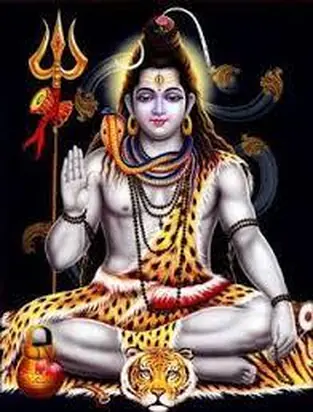
Lord Shiva
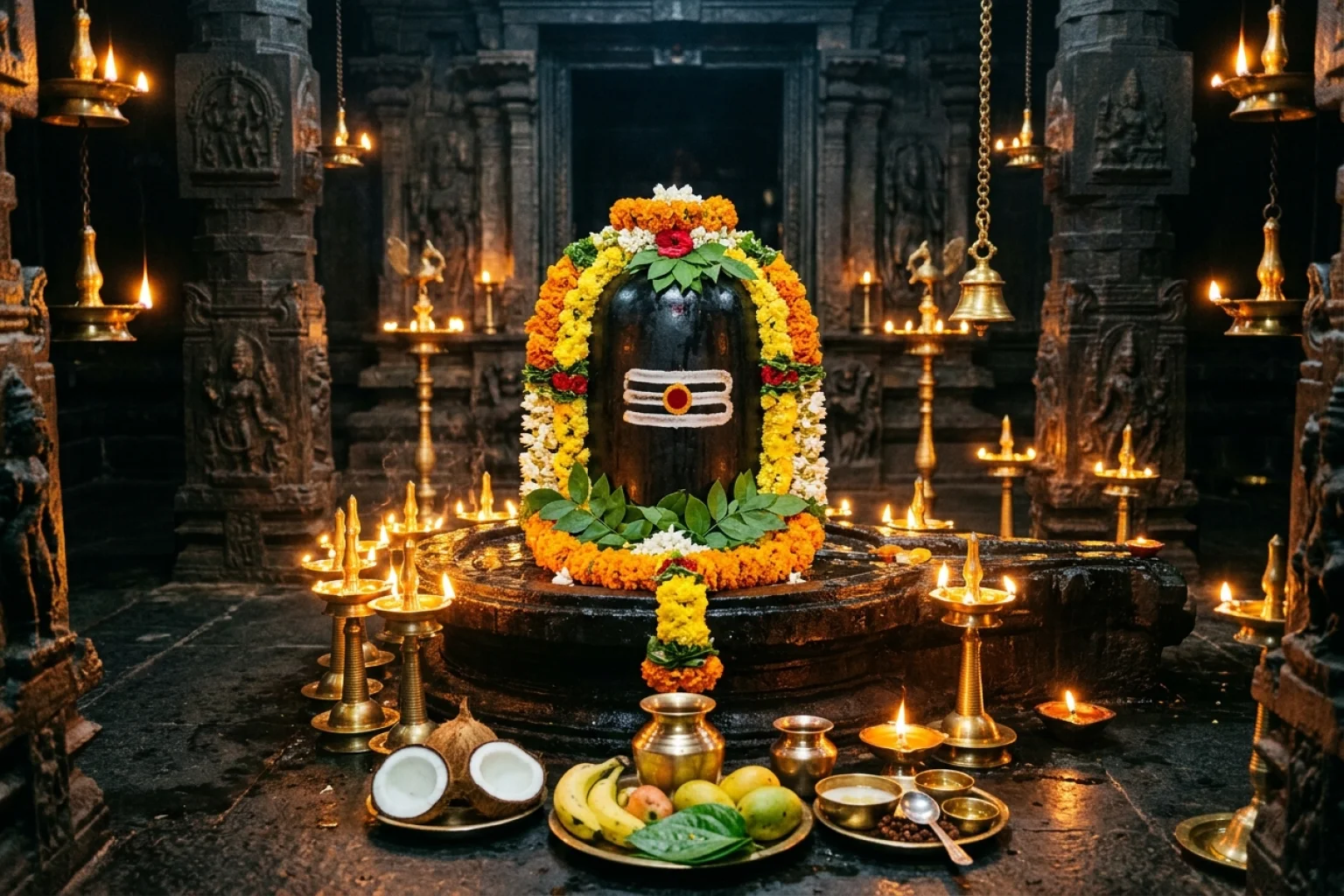
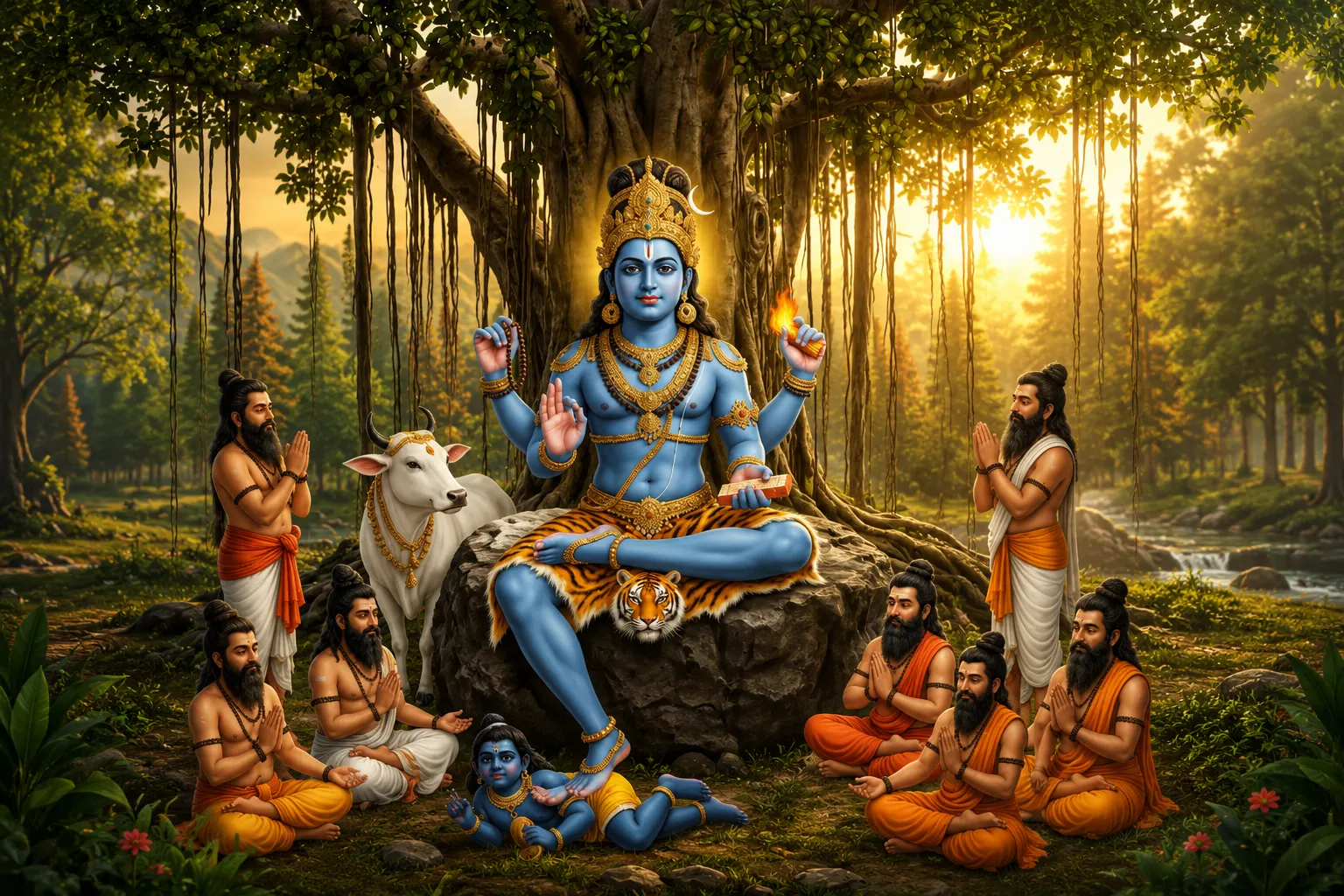
Presiding deity at Ujjain and Nashik Kumbh; venerated by Naga Sadhus and Shaiva Akharas during Shahi Snaan
The Supreme Destroyer and Transformer of the Universe — The Adiyogi, Lord of Lords, and the First Yogi.
View deity →
Lord Krishna
Worshipped at Mathura during Kumbh observances and by Vaishnava Akharas in processions
The Preserver of the Universe — the all-pervading Supreme Being who descends to Earth in divine avatars whenever righteousness declines and evil rises.
View deity →The primary deities invoked at Kumbh Mela reflect both the Samudra Manthan myth and the sacred rivers themselves. Lord Vishnu is paramount — it was his Mohini avatar that rescued the pot of amrit from the demons, and drops fell at the four Kumbh sites. At Prayagraj, the Triveni Sangam is watched over by the presiding deity Madhava (a form of Vishnu) at the ancient Madhava temple. Lord Shiva is venerated at Ujjain, where Mahakaleshwar Jyotirlinga stands and the Kumbh occurs at Shipra ghat. Maa Ganga (the river goddess) is central at Haridwar and Prayagraj — Har Ki Pauri at Haridwar and the Sangam at Prayagraj are her most sacred bathing spots. At Nashik, the Godavari river and Trimbakeshwar Jyotirlinga (a Shiva temple) anchor the spiritual identity of the mela. The Naga Sadhus and Akharas, who lead the Shahi Snaan processions, are devotees of both Shiva and Vishnu in equal measure.
How to celebrate Kumbh Mela 2026
1. Identify your Kumbh: Determine which city is hosting the current Kumbh (Prayagraj, Haridwar, Ujjain, or Nashik) and note the Shahi Snaan dates well in advance.
2. Register and plan accommodation: The mela city issues passes and designated camping zones. Book accommodation (tents, dharamshalas, or hotels) months ahead — especially for Shahi Snaan dates.
3. Note the Shahi Snaan dates: These are the most important dates — Mauni Amavasya (observe complete silence), Basant Panchami, Maghi Purnima, and Makar Sankranti are typically the major bathing days.
4. Arrive before dawn on Shahi Snaan days: The processions of Akharas begin at Brahma muhurta (before sunrise). Witnessing the Naga Sadhus' procession is considered immensely auspicious.
5. Take the holy dip: Enter the river at the designated bathing ghat. Dip three times, facing east. Offer water to the sun (Surya Arghya). Chant the Maha Mrityunjaya Mantra or Ganga Aarti shloka.
6. Visit the main temples in the mela city (e.g., Madhava temple at Prayagraj, Mahakaleshwar at Ujjain).
7. Attend satsangs and pravachans: Numerous saints and acharyas hold spiritual discourses throughout the mela — attending these is considered an integral part of the pilgrimage.
8. Seek blessings from sadhus and mahants in the Akhara camps.
9. Perform Pind Daan (ancestral rites) at the Sangam if at Prayagraj — this is considered especially powerful for liberating ancestors.
10. Conclude with a Kalpavasa if possible: Residing at the mela for the full duration in austerity, prayer, and service is the highest form of participation.
Rituals & regional traditions
- Shahi Snaan (Royal Bath): The most important ritual — taking the holy dip on designated auspicious dates when the water is believed to become nectar; Akharas lead the procession
- Kalpavasa: A month-long (or full mela duration) austere residence at the mela — pilgrims sleep in tents, eat once a day, bathe thrice daily, and attend spiritual discourses continuously
- Pind Daan at Sangam: Offering ritual balls of cooked rice and sesame to departed ancestors at the Triveni Sangam (Prayagraj) for ancestral liberation
- Mauni Amavasya: On this day pilgrims observe complete silence (mauna) while bathing, amplifying the spiritual power of the ritual
- Akhand Path: Continuous recitation of sacred texts (Ramayana, Bhagavad Gita, Devi Mahatmyam) at the mela grounds throughout the festival
- Ganga Aarti: Elaborate evening lamp ceremony at the main ghats — a nightly ritual of breathtaking beauty
- Naga Sadhu Darshan: Seeking blessings from the naked ash-covered Naga Sadhus who emerge from seclusion for the Kumbh is considered exceptionally auspicious
- Sangam Snan on All Shahi Dates: Devout pilgrims bathe on each Shahi Snaan date, not just one
Spiritual benefits
- Bathing in the sacred river on Shahi Snaan dates is believed to dissolve accumulated sins of multiple lifetimes
- The holy dip is said to grant Moksha (liberation from the cycle of birth, death, and rebirth)
- Kalpavasa is believed to earn the spiritual merit equivalent to performing all major yajnas
- Receiving blessings from Naga Sadhus and senior saints at Kumbh is believed to accelerate spiritual evolution
- Pind Daan at Prayagraj Sangam is said to liberate all ancestral spirits for seven generations
- The mass collective prayer and chanting creates a powerful field of positive energy said to uplift all participants
- Attending spiritual discourses at Kumbh plants seeds of wisdom that ripen throughout one's lifetime
- The pilgrimage is said to bestow protection from disease, poverty, and misfortune for the devotee's entire family
Mantras & sacred chants
OM NAMO NARAYANAYA
Sanskrit: ॐ नमो नारायणाय
Meaning: Salutations to Lord Narayana (Vishnu) — the eight-syllable (Ashtakshara) mantra chanted by pilgrims as they take the holy dip, invoking the deity whose nectar drop sanctified the Kumbh sites.
OM NAMAH SHIVAYA
Sanskrit: ॐ नमः शिवाय
Meaning: Salutations to Shiva — the Panchakshara mantra chanted especially at Ujjain and Nashik Kumbh, and universally by Shaiva sadhus during the Shahi Snaan processions.
OM GANGE CHA YAMUNE CHAIVA GODAVARI SARASWATI, NARMADE SINDHU KAVERI JALESMIN SANNIDHIM KURU
Sanskrit: ॐ गङ्गे च यमुने चैव गोदावरि सरस्वति। नर्मदे सिन्धु कावेरि जलेऽस्मिन् सन्निधिं कुरु॥
Meaning: O Ganga, Yamuna, Godavari, Saraswati, Narmada, Sindhu, and Kaveri — may your sacred presence be in this water. Chanted before bathing to invoke all seven sacred rivers into the water.
Kumbh Mela 2026 — FAQs
In 2026, the Ardh Kumbh or Kumbh Mela is held at Haridwar around April 14, 2026 (Baisakhi/Mesh Sankranti). The next Purna Kumbh at Prayagraj will be in 2037. Check official mela authority announcements for exact 2026 Shahi Snaan dates.
Mahakumbh is held every 12 years at Prayagraj — the grandest and rarest of all Kumbhs. Purna Kumbh is held every 12 years at each city. Ardh Kumbh is held every 6 years at Prayagraj and Haridwar. Kumbh Mela is the general term covering all these gatherings at the four cities.
Shahi Snaan (royal bath) dates are determined by astrological alignments. Key bathing days typically include Makar Sankranti, Mauni Amavasya (the most crowded), Basant Panchami, Maghi Purnima, and Mahashivratri. Exact dates vary by year and location.
According to the Samudra Manthan legend, drops of amrit (immortality nectar) fell at four locations — Prayagraj, Haridwar, Ujjain, and Nashik — while gods and demons fought over the pot. Kumbh Mela at each city commemorates the drop that fell there.
Kalpavasa is the practice of residing at the Kumbh Mela site for the entire duration in austerity — sleeping on the ground, eating simple food once daily, bathing three times daily in the sacred river, and continuously engaging in prayer, fasting, and spiritual study. It earns extraordinary spiritual merit.
Naga Sadhus are ash-covered, naked ascetics belonging to ancient Shaiva and Vaishnava Akharas (orders). They renounce all possessions and live in forests and mountains, emerging for Kumbh Mela to lead the Shahi Snaan processions. Receiving their blessings is considered highly auspicious.
The Sangam at Prayagraj is the confluence of the Ganga, Yamuna, and the invisible Saraswati river. Bathing here during Kumbh, especially on Shahi Snaan dates, is believed to dissolve sins of many lifetimes and grant direct liberation (moksha).
Kumbh Mela is the largest peaceful human gathering on Earth. The 2025 Mahakumbh at Prayagraj was expected to attract over 400 million visitors over 45 days, with single-day attendance on Mauni Amavasya exceeding 50-60 million people.