About Rama Navami
Last updated:
Rama Navami is one of the most important Vaishnava festivals in the Hindu calendar, celebrating the divine birth of Lord Rama — the seventh incarnation (avatar) of Lord Vishnu and the hero of the epic Ramayana. Observed on the ninth day (Navami) of the bright fortnight (Shukla Paksha) of the month of Chaitra (March–April), this auspicious day in 2026 falls on Friday, March 27, 2026. Lord Rama is believed to have been born at noon (Madhyahna) on this tithi, in the city of Ayodhya, to King Dasharatha and Queen Kaushalya — a birth that the universe had long awaited as the antidote to the tyranny of the demon king Ravana.
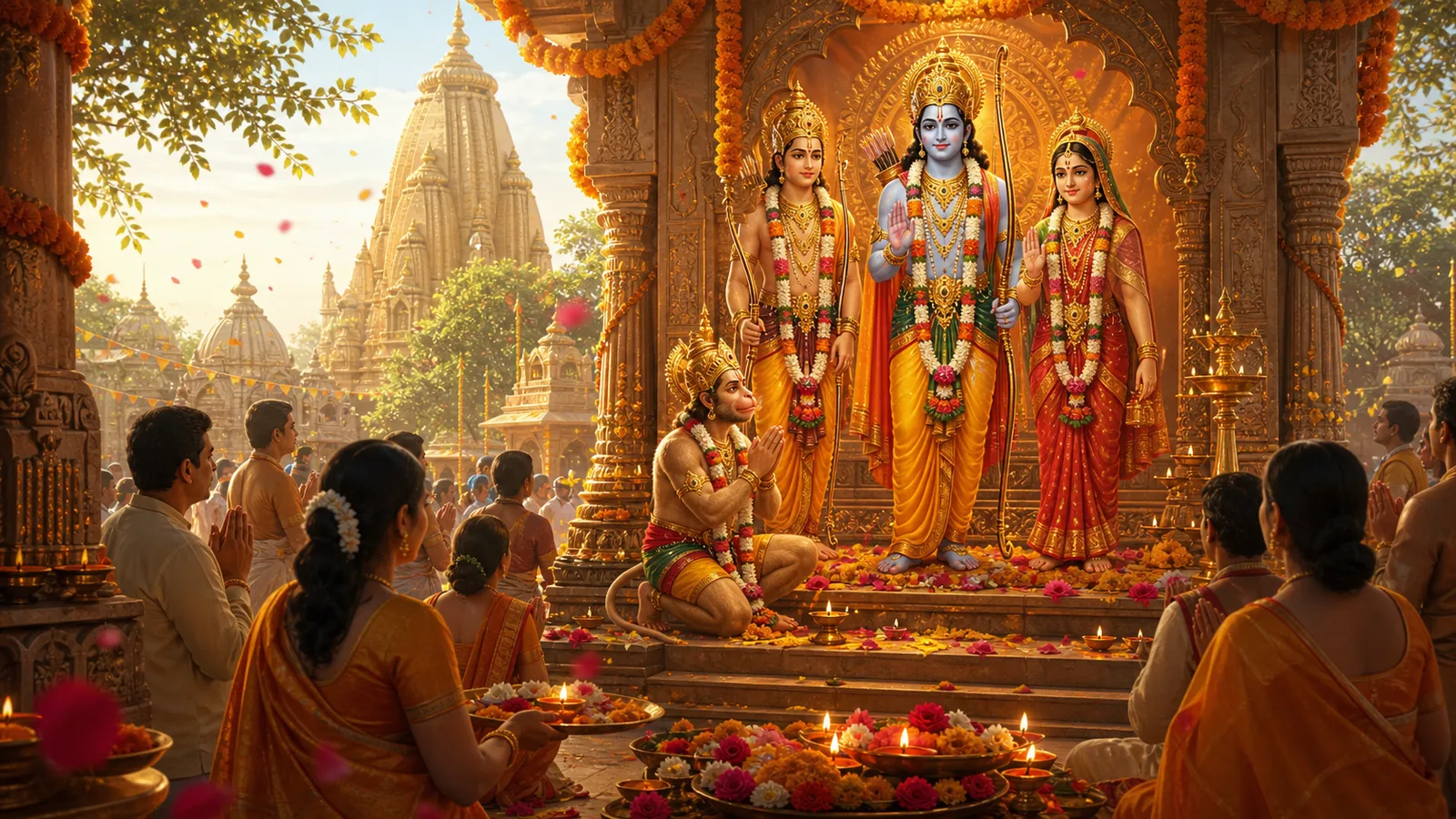
Rama Navami marks the conclusion of the nine-day Chaitra Navaratri observance, making it doubly auspicious — it is both the end of the goddess-worship cycle and the birth celebration of the supreme righteous king. Across India, temples are elaborately decorated, Ramayana parayana (continuous recitation of the Ramayana) begins nine days earlier and culminates on Navami, and devotees observe strict fasts in honour of Lord Rama. In Ayodhya — the birthplace of Rama — the festival is celebrated with extraordinary grandeur, with special abhishekam performed in the Ram Janmabhoomi temple and massive processions of Ram Navami Shobha Yatras (religious processions featuring tableaux of Rama, Sita, Lakshmana, and Hanuman) winding through the streets.
The festival is also of great significance at Bhadrachalam in Telangana, where the famous Sita Rama Kalyanam (divine wedding ceremony of Rama and Sita) is performed on this day with state patronage, drawing hundreds of thousands of pilgrims. In Tamil Nadu, the festival coincides with the Panguni Uttaram asterism, adding astronomical auspiciousness. Rama Navami is not merely a birthday celebration — it is a renewal of the eternal values of dharma (righteousness), satya (truth), and seva (selfless service) that Lord Rama embodied throughout his earthly journey.
Significance of Rama Navami
Why Rama Navami is Spiritually Significant:
Rama Navami celebrates the descent of the Supreme Being in human form to restore cosmic order and demonstrate the ideal way of living according to dharma. Lord Rama's life is considered the gold standard of human conduct — as an ideal son, husband, king, and warrior.
- Victory of Dharma: Rama's life represents the eternal triumph of righteousness over adharma. His birth is celebrated as the moment when divine order descended to protect the world from evil.
- Ideal of Perfect Conduct (Maryada Purushottama): Rama is revered as Maryada Purushottama — the Perfect Man — who never violated the rules of dharma even under the most extreme personal suffering. His example inspires devotees to uphold truth and duty.
- Divine Protection: Rama Navami is considered an especially powerful day to pray for divine protection. The Ramaraksha Stotra recited on this day is believed to form an impenetrable shield of protection around the devotee.
- Liberation through Nama: The mere repetition of the name "Rama" is considered one of the most powerful paths to liberation in all of Hindu philosophy. On Rama Navami, this nama japa is especially potent.
- Auspicious Births and Marriages: Rama was born under the Punarvasu nakshatra with Cancer ascendant, and his birth is considered supremely auspicious. Many families time important events to coincide with Rama Navami.
- Renewal of Devotion: The Ramayana parayana that culminates on Rama Navami refreshes the devotee's understanding of dharma, devotion, and the divine relationship between Rama and his bhaktas (devotees like Hanuman, Shabari, and Vibhishana).
- National Cultural Heritage: The Ramayana is the spiritual and cultural backbone of Hindu civilisation. Celebrating Rama Navami is an affirmation of this shared heritage across all regions of India.
Deities worshipped on Rama Navami
Follow the links to explore each deity’s mantras, stories, and temples on Temples.bio.
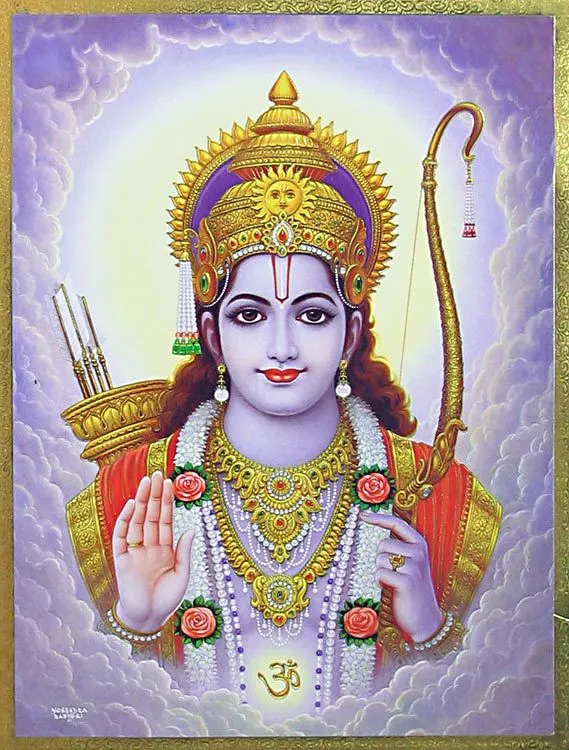
Lord Rama
Primary deity — Rama Navami celebrates the divine birth of Lord Rama, seventh avatar of Vishnu
The Ideal Man, Perfect King, and Seventh Avatar of Vishnu — whose life is the eternal standard of righteousness, duty, and devotion to dharma.
View deity →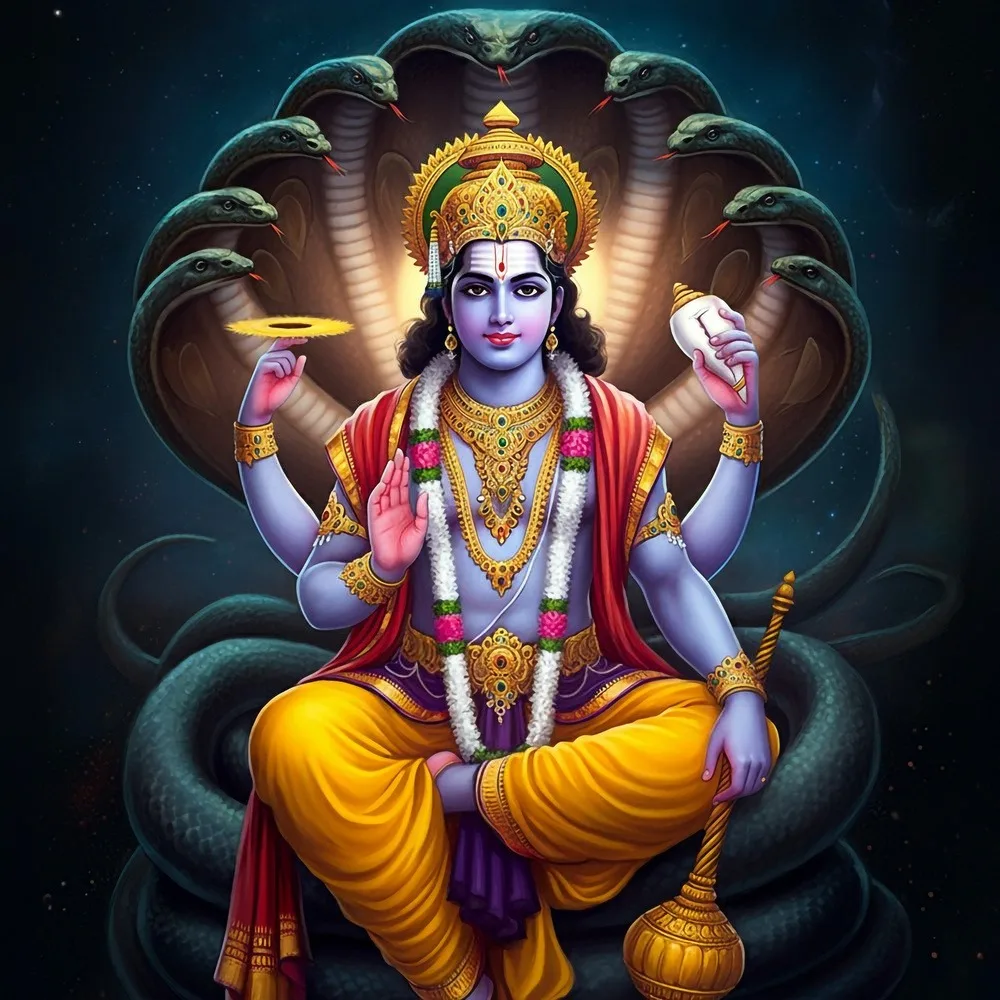
Lord Vishnu
Lord Rama is the seventh avatar of Vishnu; Vishnu's protective and sustaining aspect is invoked on this day
The Preserver of the Universe — the all-pervading Supreme Being who descends to Earth in divine avatars whenever righteousness declines and evil rises.
View deity →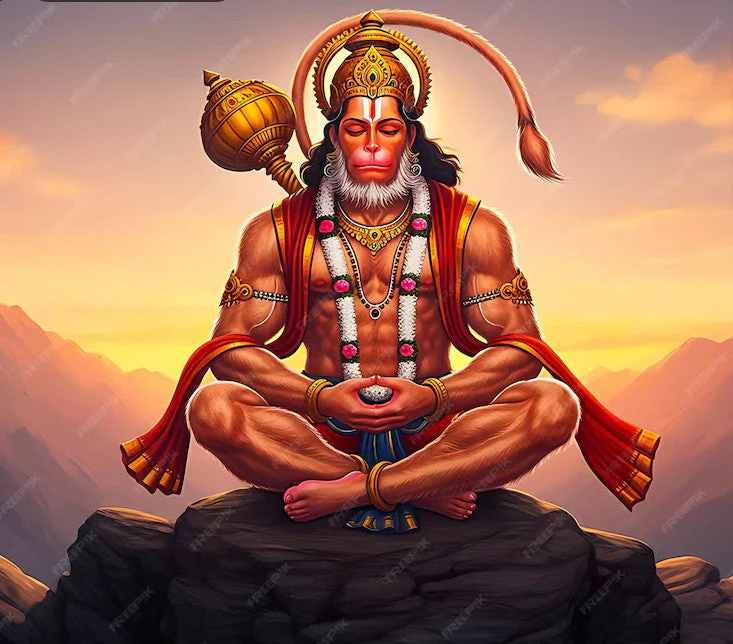
Lord Hanuman
Inseparable devotee and protector of Rama; Hanuman temples are visited on Rama Navami and Hanuman puja amplifies Rama's blessings
The Eternal Devotee of Lord Rama — Embodiment of Strength, Courage and Selfless Service.
View deity →Lord Rama is the seventh avatar of Lord Vishnu, born in the Treta Yuga to destroy the demon king Ravana and restore dharma to the three worlds. He is the king of Ayodhya, the ideal son of Dasharatha, the devoted husband of Sita, and the beloved lord of Hanuman. In the Sri Vaishnava tradition, Rama (also known as Ramachandra) is the supreme manifestation of divine grace, heroism, and righteousness.
Lord Hanuman, the devoted servant of Rama, is inseparably linked to Rama Navami. Wherever Rama is worshipped, Hanuman is present — as protector, as messenger, and as the embodiment of perfect devotion (bhakti). Hanuman temples across India witness enormous crowds on Rama Navami, and the day is considered as auspicious for Hanuman worship as it is for Rama.
Goddess Sita (Janaki), Rama's consort, is the embodiment of purity, loyalty, and divine feminine grace. She is worshipped alongside Rama on this day. The Sita Rama Kalyanam ceremony — re-enacting the divine wedding of Rama and Sita — is performed in many temples, particularly at Bhadrachalam, where it is the defining event of the entire festival.
How to celebrate Rama Navami 2026
Step-by-Step Rama Navami Puja Vidhi (2026):
1. Pre-Dawn Preparation: On March 27, 2026, wake before sunrise, take a ritual bath, and wear clean yellow or white clothing (Rama's colours are yellow and white, associated with purity and royalty).
2. Fasting Intention (Sankalpa): Take the sankalpa (vow) for Rama Navami fasting — abstaining from grains, pulses, non-vegetarian food, and onion-garlic for the day. Many devotees observe a nirjala (waterless) fast until noon.
3. Set Up the Puja Altar: Place an image or idol of Lord Rama (seated with Sita, Lakshmana, and Hanuman, if available) on a clean altar. Decorate with yellow marigolds, tulsi (holy basil), and mango leaf torana.
4. Invoke with Mantra: Light the lamp and incense, sprinkle gangajal, and invoke Lord Rama with the mantra "Om Sri Ramaya Namah" 108 times.
5. Panchamrita Abhishekam: Bathe the Rama idol or image symbolically with panchamrita (milk, curd, honey, ghee, sugar). If using a picture, sprinkle a few drops.
6. Shodashopachara Puja: Offer the 16 traditional articles of worship including: gandha (sandalwood), pushpa (flowers — especially lotus and yellow marigold), dhupa (incense), dipa (lamp), naivedya (food offerings — fruits, sweets made from milk, panakam — jaggery drink with pepper).
7. Tulsi Offering: Offer fresh tulsi leaves to Lord Rama — tulsi is considered especially dear to Vishnu/Rama.
8. Ramayana Parayana: Recite chapters from the Valmiki Ramayana or Tulsidas's Ramcharitmanas. The Sundarakanda (the book of Hanuman's journey to Lanka) is especially recommended for single-day recitation.
9. Ramaraksha Stotra: Recite the Ramaraksha Stotra — a powerful protective hymn composed by the sage Budhakaushika — for divine protection.
10. Noon Celebration (Janma Utsav): At noon (the time of Rama's birth), perform a special aarti with conch (shankha) blowing and bell ringing. Rock the cradle (if you have a Rama cradle/jhula in your home) and sing cradle songs.
11. Prasad and Fast-Breaking: Offer prasad of Panakam (sweetened pepper-jaggery water) and Kosambari (cucumber-lentil salad) — traditional South Indian Rama Navami prasad. Break the fast with these items after the noon puja.
Rituals & regional traditions
Regional Traditions and Variations of Rama Navami:
- Ayodhya (Uttar Pradesh): The birthplace of Lord Rama hosts the grandest celebrations in India. The Ram Janmabhoomi Temple sees a special janma utsav at noon. Massive Shobha Yatra processions carry Rama, Sita, Lakshmana, and Hanuman tableaux through the ancient streets. Pilgrims take a ritual bath in the Saryu river.
- Bhadrachalam (Telangana): The most famous Sita Rama Kalyanam in India is celebrated here, with state-sponsored ceremonies dating back centuries. The Telangana government provides the sacred jewels (kalyanam jewels) from state treasury for the divine wedding ceremony.
- Tamil Nadu: Celebrates as part of Panguni Uttaram with elaborate kalyanam ceremonies in Vishnu temples. The Srirangam Ranganathaswamy temple conducts a grand Brahmotsavam around this period.
- Karnataka: Ramanavami is celebrated with Ramayana Gana (musical recitations) and processions. The Udupi Krishna temple and Mysore's Prasanna Krishnaswamy temple see large gatherings.
- Andhra Pradesh: In Tirupati, Lord Venkateswara (Vishnu) receives special honours, and Ramayana parayana is conducted continuously in many homes for the nine days of Chaitra Navaratri.
- Maharashtra: Ram temples across Nashik (on the banks of the Godavari, associated with Rama's forest exile) and Pune conduct special abhishekam and Ramayana discourses.
- West Bengal and Odisha: Ram Navami is celebrated with Ram Naam Sankirtan — communal singing of Ram's names — and large processions.
- Traditional Prasad: Panakam (jaggery water with pepper, cardamom, and dried ginger) and Kosambari (a salad of soaked split moong dal with cucumber and coconut) are the traditional prasads in South India on Rama Navami.
Spiritual benefits
Spiritual Benefits of Observing Rama Navami with Devotion:
- Divine Protection (Ramaraksha): Devotees who recite the Ramaraksha Stotra and perform Rama puja on Navami receive the protective grace of Lord Rama, shielding them from danger, enemies, and negative forces.
- Removal of Sins: Fasting and worshipping Lord Rama on Navami is said to wash away accumulated sins from this and previous lifetimes, creating a clean spiritual slate.
- Victory in Endeavours: Just as Rama triumphed over seemingly insurmountable adversity through dharma and faith, devotees who pray on Rama Navami receive blessings for success in their own struggles and undertakings.
- Fulfilment of Desires: Sincere recitation of the Rama Sahasranama (1,000 names of Rama) or even 108 repetitions of "Jai Shri Ram" on Navami is said to fulfil the deepest desires of the devotee.
- Family Harmony and Marital Bliss: The worship of Rama and Sita together on this day is believed to bless couples with lasting love, mutual respect, and a harmonious family life modelled on the divine ideal.
- Children and Progeny: King Dasharatha performed the Putrakameshti Yajna to obtain children, and Rama was born as a divine gift. Couples praying for children invoke Rama's grace on Navami.
- Liberation (Moksha): The Yoga Vasishtha teaches that meditation on Rama's name is the supreme path to liberation. Navami puja intensifies this liberating power enormously.
- Good Health: The traditional prasad of Panakam (with pepper and dried ginger) and Kosambari consumed on Rama Navami is not only spiritually significant but also Ayurvedically beneficial, promoting digestive health at the spring season transition.
Mantras & sacred chants
Key Mantras and Chants for Rama Navami:
1. Rama Mula Mantra
Sanskrit: ॐ श्री रामाय नमः
Transliteration: Om Sri Ramaya Namah
Meaning: I bow in reverence to the auspicious Lord Rama. This is the most fundamental Rama mantra, chanted for blessings, protection, and devotion.
2. Rama Taraka Mantra (The Ferry-Across Mantra)
Sanskrit: श्री राम जय राम जय जय राम
Transliteration: Sri Rama Jaya Rama Jaya Jaya Rama
Meaning: Victory to Lord Rama, victory to Lord Rama, victory, victory to Lord Rama. This 8-syllable mantra (ashtakshara) is considered the mantra of liberation and was the favourite of Sant Tukaram and Swami Ramdas. Chanting it 108 times daily, especially on Navami, is believed to bestow liberation.
3. Ramaraksha Stotra Opening Verse
Sanskrit: अस्य श्री रामरक्षास्तोत्रमन्त्रस्य। बुधकौशिक ऋषिः। श्री सीताराम चन्द्रो देवता। अनुष्टुप् छन्दः। सीता शक्तिः। श्रीमान् हनुमान् कीलकम्।
Transliteration: Asya Sri Ramaraksha Stotramantrasya, Budhakaushika Rishih, Sri Sita Rama Chandro Devata, Anushtup Chandah, Sita Shaktih, Shriman Hanuman Kilakam.
Meaning: This is the opening invocation of the Ramaraksha Stotra — identifying the sage (Budhakaushika), the deity (Sita-Ramachandra), the metre (Anushtup), the power (Sita), and the key (Hanuman). Reciting this stotra in full is said to provide complete divine protection.
Rama Navami 2026 — FAQs
Rama Navami 2026 falls on Friday, March 27, 2026. Lord Rama is believed to have been born at noon on this day, and the special janma utsav (birth celebration) puja is performed at midday.
Rama Navami 2025 falls on Sunday, April 6, 2025. In 2027, Rama Navami falls on Friday, April 16, 2027.
Devotees observing the Rama Navami fast abstain from grains, pulses, non-vegetarian food, and onion-garlic for the entire day. Many observe a nirjala (waterless) fast until noon, the time of Rama's birth, and break it with Panakam (jaggery water with pepper) and Kosambari (cucumber-lentil salad), the traditional prasad. The fast is considered complete after the noon aarti and prasad consumption.
Ramayana parayana — the continuous recitation of the Valmiki Ramayana or Ramcharitmanas — is traditionally begun nine days before Rama Navami (on Chaitra Pratipada) and completed on Navami. This nine-day recitation is considered an act of supreme devotion that brings the blessings of Lord Rama into the home. On Navami itself, the Sundarakanda is especially recited, as it describes Hanuman's devotion to Rama.
The Sita Rama Kalyanam at Bhadrachalam in Telangana is one of the most celebrated Rama Navami events in India. The ceremony re-enacts the divine wedding of Lord Rama and Goddess Sita. The Telangana state government, following a centuries-old tradition, provides the ceremonial jewels (called 'pattuvastramulu' and 'kalyanam jewels') from the state treasury for the divine wedding, making it a unique example of state-sponsored religious ceremony. Lakhs of devotees attend this event every year.
Lord Hanuman is the greatest devotee of Lord Rama, and wherever Rama is worshipped, Hanuman is present. Rama Navami is considered equally auspicious for Hanuman worship. Many devotees visit Hanuman temples on Rama Navami, as Hanuman's presence is believed to amplify the power of Rama's blessings. Reciting the Hanuman Chalisa on Rama Navami is a widely practised tradition.
Panakam is a sacred drink made from jaggery, black pepper, cardamom, dry ginger, and water — the traditional prasad of Lord Rama in South India. It is offered to Rama on Navami and distributed as prasad to devotees. Ayurvedically, Panakam aids digestion and is cooling — appropriate for the hot spring season when Navami falls. Kosambari, a salad of soaked split moong dal with cucumber, coconut, and lemon, is served alongside it.
In Ayodhya, Rama Navami 2026 (March 27) will see grand celebrations at the Ram Janmabhoomi temple, with special abhishekam at noon, the exact time of Rama's birth. Massive Shobha Yatra processions with decorated chariots carrying Rama, Sita, Lakshmana, and Hanuman will pass through the city. Devotees take a sacred dip in the Saryu river, and the entire city is illuminated with lamps and decorated with flowers.