About Thaipusam
Last updated:
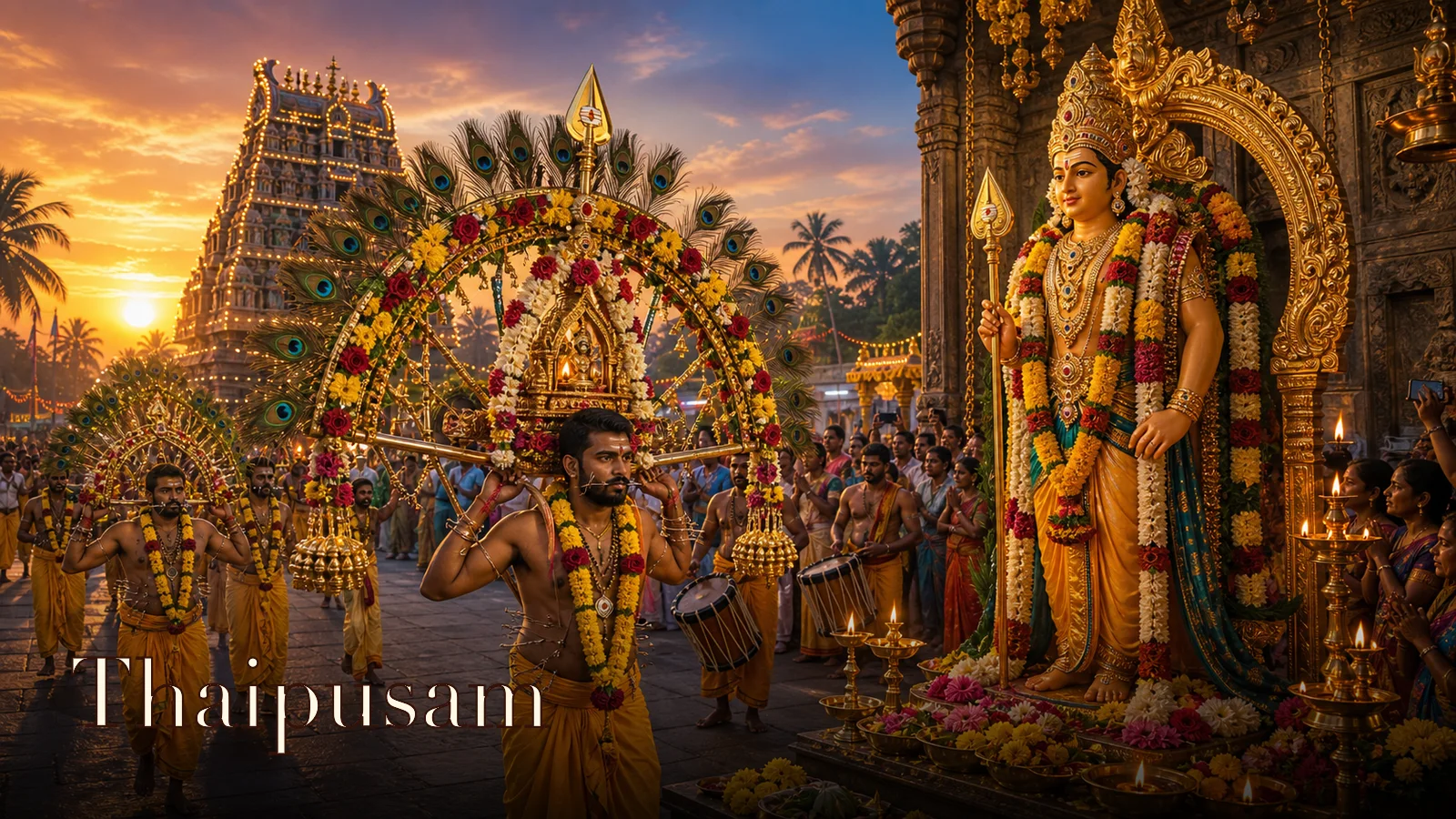
Thaipusam is one of the most visually spectacular and spiritually intense Hindu festivals, celebrated on the full moon day of the Tamil month of Thai (January-February). It commemorates the occasion when Goddess Parvati gifted the divine Vel (spear) to her son Murugan, enabling him to vanquish the demon Soorapadman and restore cosmic order. The festival is observed with extraordinary fervor across Tamil Nadu, Kerala, Malaysia, Singapore, and wherever Tamil communities reside. The defining feature of Thaipusam is the Kavadi Attam — the carrying of ornate, elaborately decorated structures called Kavadis by devotees who have undertaken vows. The most intense form involves Vel Kavadi, where metal skewers and spears are pierced through the devotee's cheeks, tongue, and body. Remarkably, devotees enter a trance-like state of divine grace and typically experience minimal pain or bleeding, which devotees attribute to the protective power of Lord Murugan. This act of surrender and devotion is believed to absolve sins and fulfill deeply held prayers. The major pilgrimage centers m include the Palani Murugan temple in Tamil Nadu, the Thiruchendur Murugan temple on the sea coast, Swamimalai, and the globally famous Batu Caves in Malaysia where over a million devotees gather each year. Devotees observe strict fasting, celibacy, and prayer for days or weeks before the festival, preparing their minds and bodies for the ultimate act of surrender to the divine. Thaipusam thus stands as a profound testament to the power of devotion, penance, and divine grace.
Significance of Thaipusam
Thaipusam holds deep spiritual and cosmic significance in the Shaiva and Murugan worship traditions: - Divine Victory: Commemorates Murugan's triumph over the demon Soorapadman using the Vel gifted by Parvati, symbolizing the victory of righteousness over evil. - Spiritual Penance: The Kavadi ritual is a supreme act of physical penance and surrender, believed to burn away accumulated karma and purify the soul. - Grace of the Vel: The sacred Vel represents divine wisdom that pierces ignorance — carrying it signifies the devotee's desire to be cut free from ego and illusion. - Vow Fulfillment: Thaipusam is the most auspicious time to fulfill vows (nerchai) made to Lord Murugan for blessings received — healing, marriage, children, or success. - Cosmic Alignment: The festival falls when the star Pushya (Thai Poosam) is in ascendance, a time of heightened spiritual energy conducive to penance and devotion. - Cultural Identity: m is a profound expression of cultural and spiritual identity, connecting diaspora communities to their ancestral devotional traditions. - Path of Bhakti: Thaipusam exemplifies the bhakti marga — the path of loving surrender — showing that sincere devotion transcends physical limitation.
Deities worshipped on Thaipusam
Follow the links to explore each deity’s mantras, stories, and temples on Temples.bio.
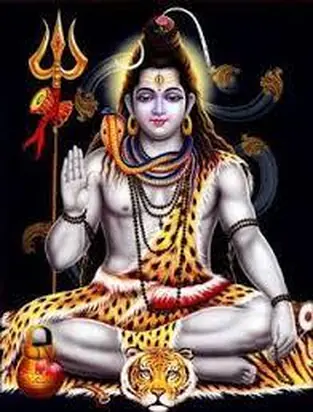
Lord Shiva
Father of Murugan, venerated as part of the Shaiva cosmic family
The Supreme Destroyer and Transformer of the Universe — The Adiyogi, Lord of Lords, and the First Yogi.
View deity →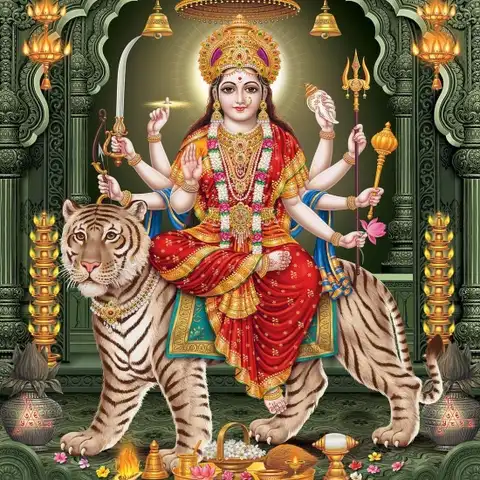
Goddess Durga
Goddess Parvati in her Shakti form gifted the Vel to Murugan — worshipped alongside
The Invincible Mother Goddess — Supreme Feminine Power who destroys evil, protects the righteous, and embodies the divine energy of the entire universe.
View deity →Lord Murugan (also known as Kartikeya, Subramanya, Skanda, and Shanmukha) is the central deity of Thaipusam. He is the second son of Lord Shiva and Goddess Parvati, the commander of the divine army, and the destroyer of demonic forces. Murugan is depicted as an eternally youthful god of great beauty, wisdom, and valor, holding the sacred Vel in his right hand.
On Thaipusam, devotees celebrate the moment Parvati presented Murugan with the Vel — a divine spear imbued with her shakti — to defeat Soorapadman, the powerful demon who had imprisoned the devas. With the Vel, Murugan split the demon's chest, and the two halves transformed into the peacock (his vahana) and the rooster (his banner symbol). Lord Shiva is also venerated as Murugan's father, and Goddess Parvati as the source of the divine Vel. The festival thus honors the entire Shaiva cosmic family — Shiva, Parvati, Ganesha, and Murugan — with Murugan as the principal deity receiving devotees' most intense acts of love and surrender.
How to celebrate Thaipusam 2026
How to observe Thaipusam:
1. Purification (1-48 days prior): Undertake a vow (nerchai) before an image of Murugan. Begin a period of strict vegetarian diet, celibacy, sleeping on the floor, and daily prayer.
2. Pre-dawn bath: On Thaipusam day, bathe before sunrise, ideally in a river or with turmeric water, symbolizing inner and outer purification.
3. Dress in yellow or saffron: These are Lord Murugan's sacred colors. Wear clean, preferably new garments.
4. Visit the temple early: Join the procession or queue at a Murugan temple. Participate in the abhishekam and special Thaipusam puja.
5. Offer milk pot (Paal Kudam): Carry a pot of milk on your head as an offering to Lord Murugan. This is the simplest and most widely practiced kavadi form.
6. Simple Kavadi: Non-piercing kavadis — decorated wooden or metal arches carried on the shoulders — can be carried by any devotee as an act of devotion.
7. Chant Murugan mantras: Continuously chant "Vel Vel Muruga" or "Om Saravanabhavaya Namaha" throughout the procession.
8. Break coconuts: Offer coconuts at the temple as a symbol of surrendering the ego (the hard outer shell) to reveal the inner sweetness of the Self.
9. Receive prasadam: Accept the blessed food from the temple, especially panchaamirtham (five-nectar offering).
10. Complete the fast: Break your fast only after the puja is complete and you have received the deity's blessings.
Rituals & regional traditions
- Palani Kavadi: The most famous tradition at Palani Murugan temple where devotees climb 659 steps carrying Kavadis, some with body piercings.
- Vel Kavadi piercing: Advanced devotees pierce their cheeks and tongue with the sacred Vel under the guidance of senior priests and in a state of divine trance.
- Paal Kudam (milk pot): Carrying a clay or brass pot of milk on the head, which is then poured over the Murugan idol as abhishekam.
- Chariot procession: In many temples, an image of Lord Murugan is taken out in a decorated silver or golden chariot pulled by devotees through the streets.
- Mango tree offering: At some temples, devotees tie yellow threads and mango leaves to sacred trees near the temple as offerings.
- Batu Caves procession: The world's largest Thaipusam gathering in Malaysia, where over a million devotees climb 272 rainbow-coloured steps carrying Kavadis.
- Kavadiattam dance: Devotees in trance perform rhythmic swaying dances while carrying kavadis, accompanied by nadhaswaram and percussion music.
- Vel worship at home: Families install a Vel at home, offer camphor, fruits, flowers, and chant Kavadi Chindu (devotional songs of Murugan).
Spiritual benefits
- Purification of accumulated sins and negative karma through sincere penance and surrender
- Fulfillment of deeply held prayers and vows made to Lord Murugan
- Protection from enemies, evil forces, and negative energies through Murugan's divine Vel
- Bestowing of courage, strength, and determination to overcome life's obstacles
- Healing of chronic illnesses and physical ailments through divine grace
- Clarity of mind and piercing of spiritual ignorance through the symbolism of the Vel
- Enhanced devotion and spiritual progress on the path of bhakti
- Blessings for children, career success, and family well-being
Mantras & sacred chants
1. Vel Mantra (Murugan's spear mantra)
Sanskrit: ॐ शरवणभवाय नमः
Transliteration: Om Saravanabhavaya Namaha
Meaning: Salutations to the one born in the reed forest (Saravana) — invoking Murugan's cosmic origin and power.
2. Shadakshara Mantra of Murugan
Sanskrit: ॐ षण्मुखाय नमः
Transliteration: Om Shanmukhaya Namaha
Meaning: Salutations to the six-faced Lord — honoring Murugan's six faces representing mastery over the six divine rays and the six chakras.
3. Kavadi Battle Cry
Transliteration: Vel Vel Muruga! Vetri Vel! Veeravel!
Meaning: The Vel is victorious! Murugan is victorious! The heroic Vel prevails! — the thunderous chant that accompanies Kavadi carriers throughout the procession.
Thaipusam 2026 — FAQs
Thaipusam 2026 falls on Monday, February 2, 2026, on the full moon (Purnima) of the Tamil month Thai when the Pushya (Poosam) star is in ascendance.
Kavadi Attam is the ritual of carrying an ornate decorated structure (kavadi) as an act of devotion and penance to Lord Murugan. The most intense form involves piercing the skin with skewers while in a divine trance state.
Thaipusam commemorates the day Goddess Parvati gave Lord Murugan the divine Vel (spear) to defeat the demon Soorapadman and liberate the devas. It celebrates divine victory, grace, and devotion.
The Palani Murugan temple in Tamil Nadu is the most famous Thaipusam pilgrimage site in India, where devotees climb 659 rock-cut steps carrying Kavadis. Thiruchendur and Swamimalai are also major centers.
At home, install a Vel or Murugan image, offer milk, flowers, and fruits, light camphor, chant Om Saravanabhavaya Namaha, carry a simple milk pot (paal kudam), and maintain a strict vegetarian fast throughout the day.
The Vel is Lord Murugan's divine spear gifted by Goddess Parvati, representing divine wisdom that destroys ignorance. Carrying or worshipping the Vel is believed to grant protection, courage, and liberation from ego.
Yes, Thaipusam is celebrated globally wherever Tamil communities live. The largest celebration outside India is at Batu Caves in Malaysia, where over a million devotees gather annually.
Devotees observe a strict vegetarian fast, avoiding meat, alcohol, onion, and garlic. Many consume only fruits, milk, and temple prasadam. The fast can extend for days or weeks before the festival for kavadi carriers.