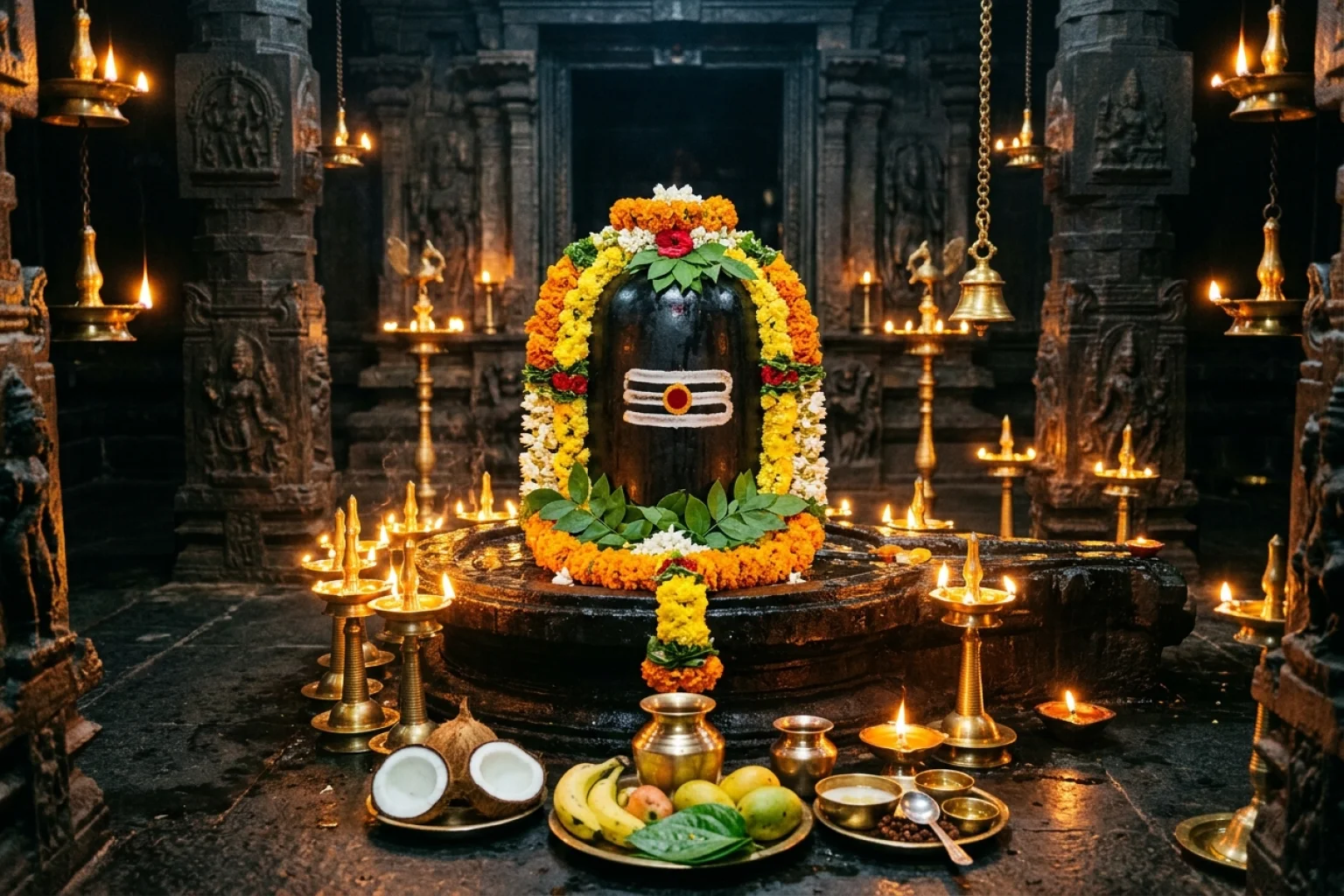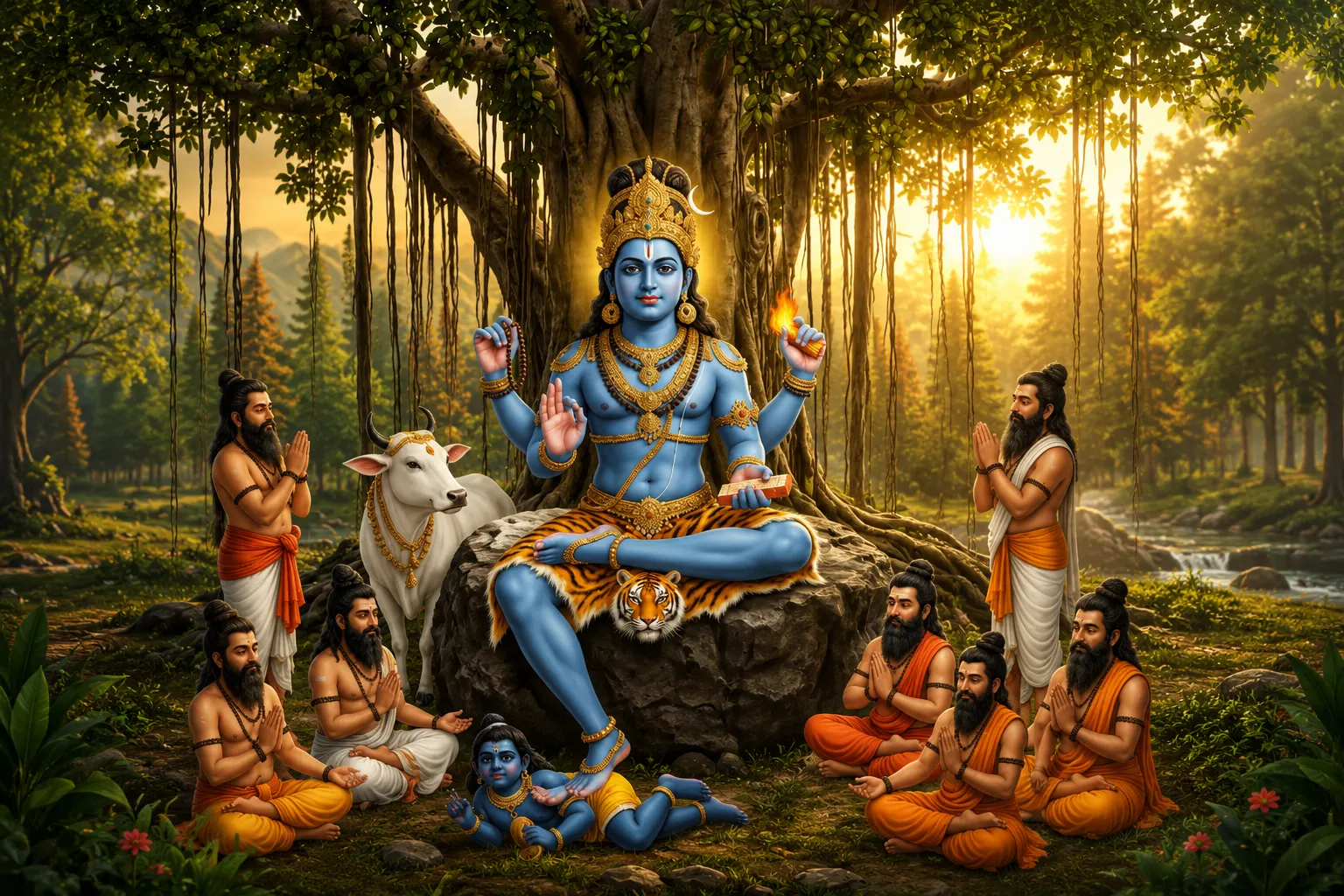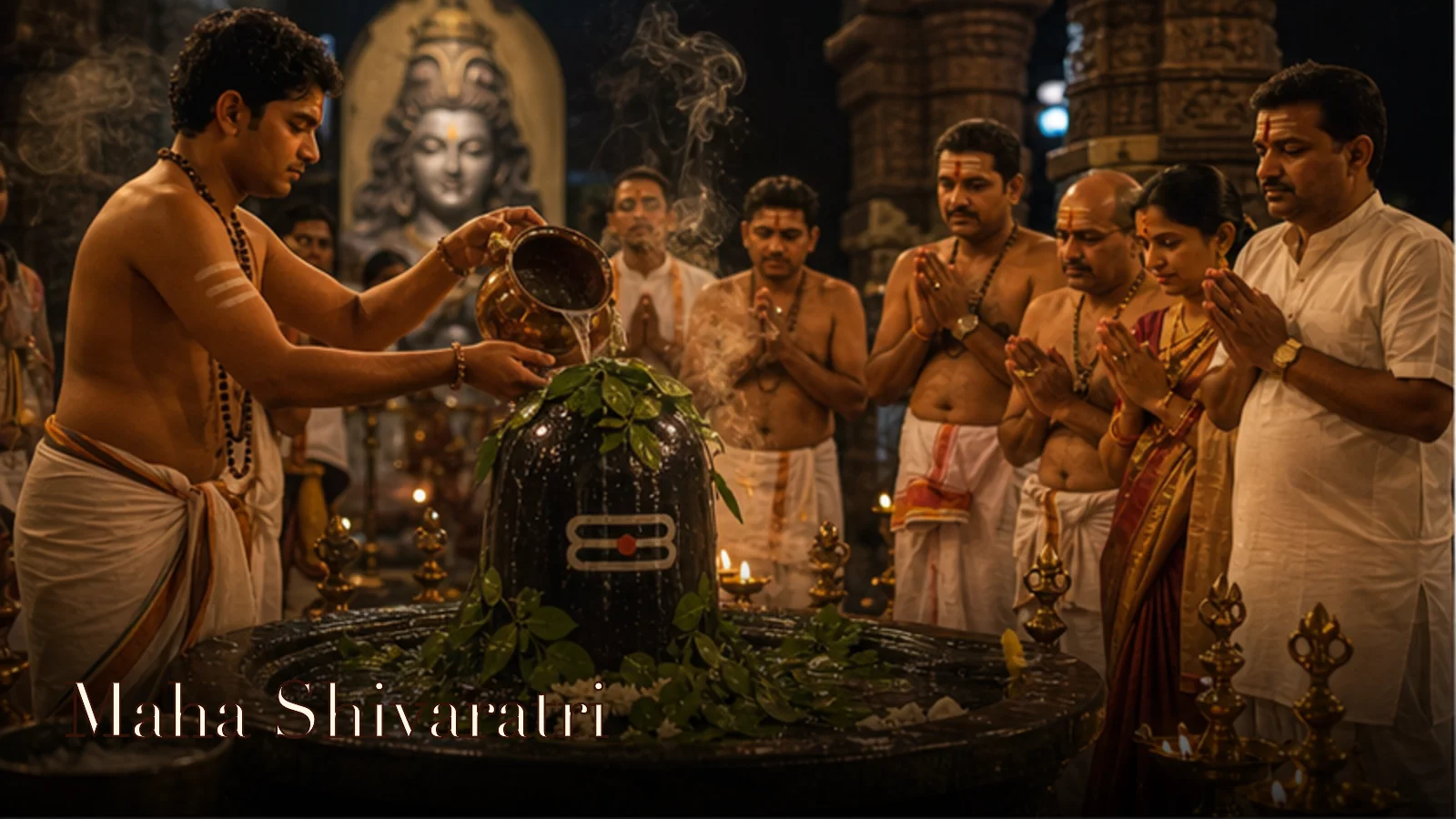
About Maha Shivaratri
Last updated:
Shivaratri is great festival of convergence of Shiva and Shakti. Chaturdashi Tithi during Krishna Paksha in month of Magha is known as Maha Shivaratri according to South Indian calendar. However according to North Indian calendar Masik Shivaratri in month of Phalguna is known as Maha Shivaratri. In both calendars it is naming convention of lunar month which differs. However both, North Indians and South Indians, celebrate Maha Shivaratri on same day. One day before Shivaratri Vratam, most likely on Trayodashi, devotees should eat only one . On Shivaratri day, after finishing morning rituals devotees should take Sankalp (संकल्प) to observe full day fast on Shivaratri and to take food next day. During Sankalp devotees pledge for selfdetermination throughout the fasting period and seek blessing of Lord Shiva to finish the fast without any interference. Hindu fasts are strict and people pledge for selfdetermination and seek God blessing before starting them to finish them successfully. On Shivaratri day devotees should take second bath in the evening before doing Shiva Puja or visiting temple. Shiva Puja should be done during night and devotees should break the fast next day after taking bath. Devotees should break the fast between sunrise and before the end of Chaturdashi Tithi to get maximum benefit of the Vrat. According to one contradictory opinion devotees should break the fast only when Chaturdashi Tithi gets over. But it is believed that both Shiva Puja and Parana (पारण) i.e. breaking the fast should be done within Chaturdashi Tithi.
Deities worshipped on Maha Shivaratri
Follow the links to explore each deity’s mantras, stories, and temples on Temples.bio.
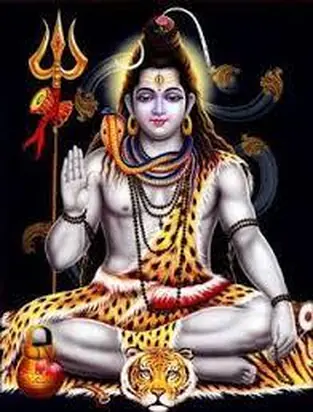
Lord Shiva — the destroyer of evil and transformer within the Trimurti; worshipped as the linga, the cosmic pillar of light.
Goddess Parvati — Shakti aspect; many observe the union of Shiva and Parvati on this night.
Nandi — Shiva's vahana; offerings at his feet carry prayers to Mahadeva.
How to celebrate Maha Shivaratri 2026
One day before Shivaratri Vratam, most likely on Trayodashi, devotees should eat only one . On Shivaratri day, after finishing morning rituals devotees should take Sankalp (संकल्प) to observe full day fast on Shivaratri and to take food next day. During Sankalp devotees pledge for selfdetermination throughout the fasting period and seek blessing of Lord Shiva to finish the fast without any interference. Hindu fasts are strict and people pledge for selfdetermination and seek God blessing before starting them to finish them successfully. On Shivaratri day devotees should take second bath in the evening before doing Shiva Puja or visiting temple. Shiva Puja should be done during night and devotees should break the fast next day after taking bath. Devotees should break the fast between sunrise and before the end of Chaturdashi Tithi to get maximum benefit of the Vrat. According to one contradictory opinion devotees should break the fast only when Chaturdashi Tithi gets over. But it is believed that both Shiva Puja and Parana (पारण) i.e. breaking the fast should be done within Chaturdashi Tithi. Shivaratri puja can be performed one or four times during the night. The whole night duration can be divided into four to get four Prahar (प्रहर) to perform Shiva Puja four times. Drikpanchang.com lists all four Prahar durations for staunch Shiva devotees who perform Shiva Pujan four times in the night. We also list Nishita when Lord Shiva appeared on the Earth in the form of Linga and the window to break the fast on next day. Shivaratri is also spelled as Shivratri, Shivarathri and Sivaratri.
Spiritual benefits
- Destruction of negative karma and sins
- Spiritual awakening and peace of mind
- Protection from untimely death (Maha Mrityunjaya)
- Strengthening meditation and self-discipline
- Blessings for marriage and family harmony
Mantras & sacred chants
Panchakshari
Om Namah Shivaya
Maha Mrityunjaya
Om Tryambakam Yajamahe Sugandhim Pushtivardhanam |
Urvarukamiva Bandhanan Mrityor Mukshiya Maamritat ||
Shiva Aarti (excerpt)
Om Jai Shiv Omkara, Prabhu Jai Shiv Omkara |
Book Rudrabhishekam for Maha Shivaratri 2026
Sacred abhishekam performed by experienced priests — your family names chanted during puja.
Book Maha Rudrabhishekam →Maha Shivaratri 2026 — FAQs
Maha Shivaratri 2026 falls on Sunday, 15 February 2026 in India (Magha Krishna Chaturdashi). Confirm with your local panchang.
Many devotees take only water, milk, or fruits. Strict fasts avoid even water until the night puja — follow your family tradition.
The jagaran (night vigil) symbolises staying alert in consciousness and pleasing Shiva through uninterrupted devotion.
A Vedic ritual where priests chant Sri Rudram while bathing the linga — highly auspicious on Maha Shivaratri.